5 Childhood Traumas That Create a Vulnerability to Narcissistic Personalities
I spent years asking myself the same question: why did I stay for 12 years? Why did I keep giving someone who hurt me the benefit of the doubt, making excuses for their behavior, and blaming myself when things went wrong? The answer, I discovered in therapy, had nothing to do with weakness or stupidity. It had everything to do with what happened to me before I ever met my ex.
Here’s the uncomfortable truth nobody tells you: narcissistic people don’t randomly select their targets. They’re exceptionally skilled at identifying people who were groomed for this exact dynamic in childhood. Not groomed intentionally by bad parents (though sometimes that’s the case), but groomed by circumstances, family patterns, and survival mechanisms you developed when you were too young to know any better.
When my therapist first suggested that my childhood experiences made me vulnerable to narcissistic personalities, I got defensive. My parents weren’t abusive. They didn’t hit me or scream at me. They were just…doing their best. And they were. But “doing their best” still left gaps in my emotional development that a narcissistic partner later exploited with surgical precision.
This article breaks down the five specific childhood experiences that research shows create vulnerability to narcissistic relationships. I’m not writing this to blame your parents or make you a victim of your past. I’m writing this because understanding where your vulnerability came from is the first step to healing it.
Understanding the Pattern
Before we get into the specific childhood traumas, you need to understand what makes someone vulnerable to narcissistic personalities. Vulnerability doesn’t mean weakness. It means you have certain emotional patterns, beliefs about relationships, and responses to treatment that feel normal to you but are actually red flags that something is wrong.
Dr. Craig Malkin, a clinical psychologist and Harvard Medical School instructor, explains that people who grew up with specific childhood experiences often develop what he calls “echoism” – the tendency to be afraid of seeming narcissistic themselves, which makes them perfect targets for actual narcissists. These patterns run deep, installed in your nervous system before you had language to describe what was happening.
During my 12-year relationship, I exhibited classic signs of this vulnerability: I minimized my own needs, assumed I was always the problem, had difficulty recognizing manipulation, and believed that love required constant sacrifice. These weren’t personality flaws. They were survival strategies I learned as a child that stopped serving me as an adult.
Let’s look at the five specific childhood experiences that create this vulnerability. If you recognize yourself in multiple categories, you’re not alone. Most survivors of narcissistic abuse identify with at least three of these patterns.
1. Emotional Neglect in Early Years
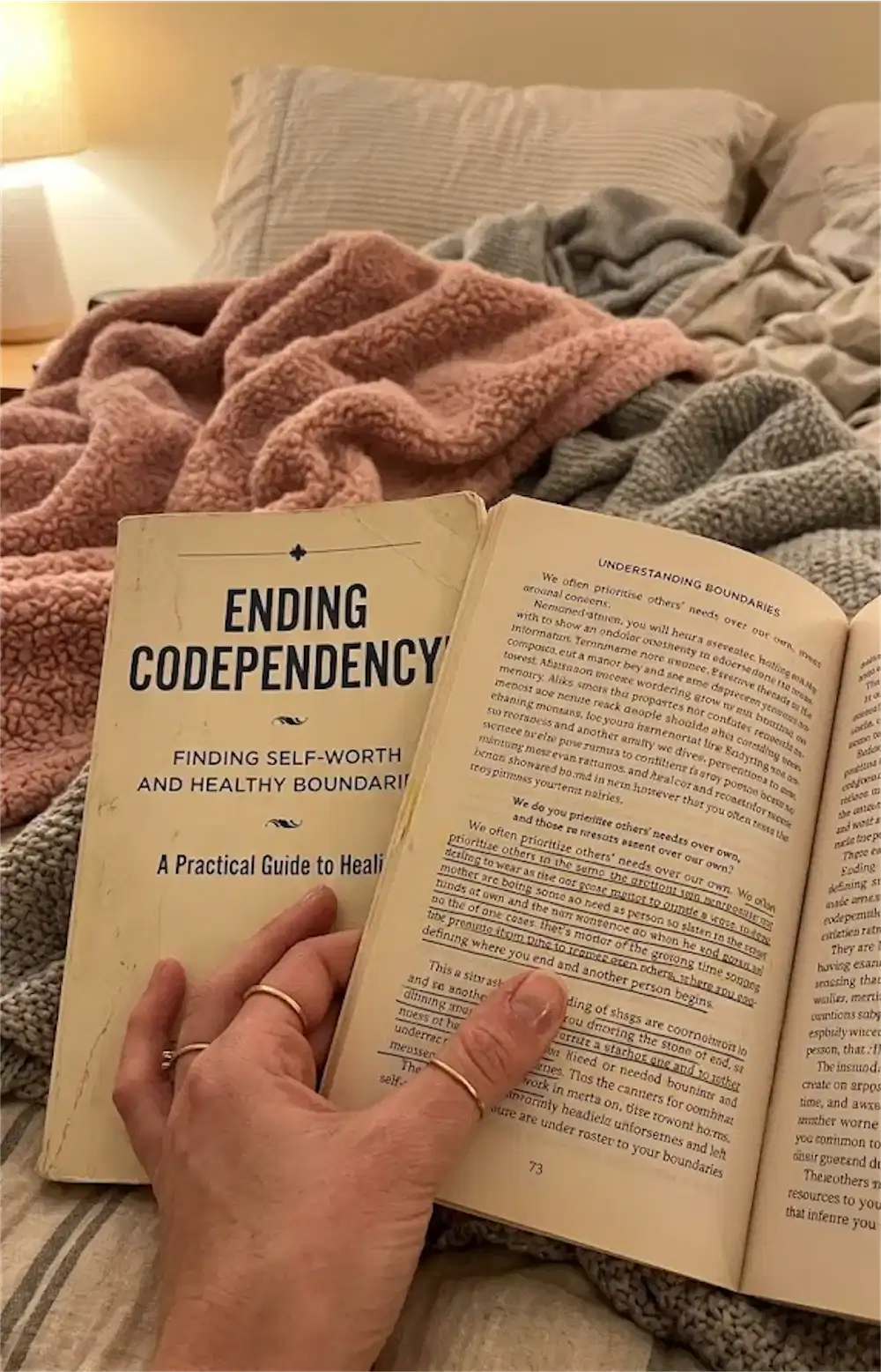
Emotional neglect is the most invisible form of childhood trauma. It’s not what happened to you; it’s what didn’t happen. Your parents may have fed you, clothed you, sent you to good schools, and never raised their voices. But if they didn’t attune to your emotional needs, validate your feelings, or teach you that your inner world mattered, you experienced emotional neglect.
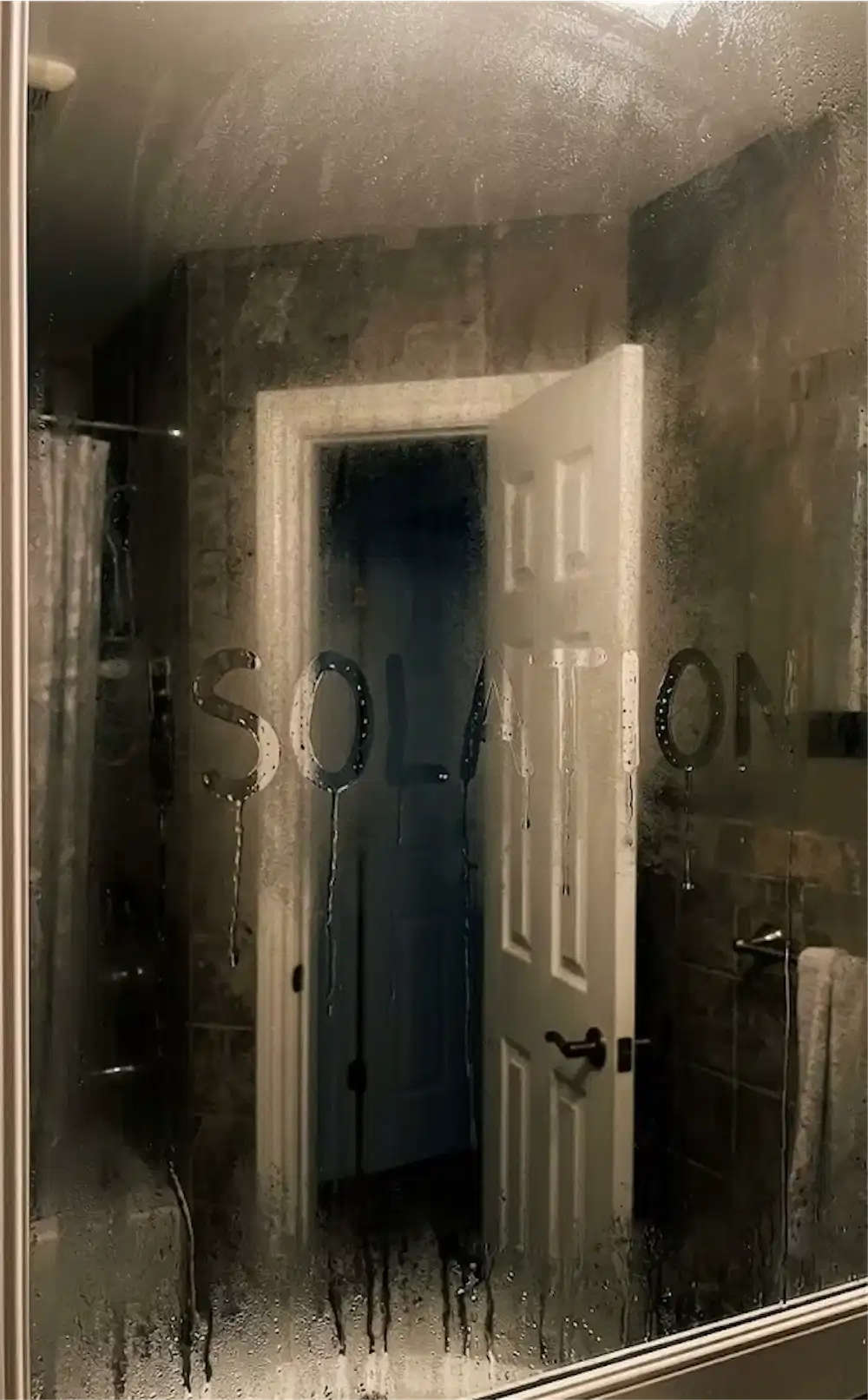
I grew up in a household where emotions were considered inconvenient. When I was upset, I was told to “go to your room until you can be pleasant.” When I was excited, I was told to “calm down.” My parents weren’t cruel; they were emotionally unavailable. They didn’t know how to handle feelings, so they taught me not to have them.
Here’s how emotional neglect creates vulnerability to narcissists:
- You never learned to identify or trust your own emotions
- You believe your feelings are burdensome or invalid
- You’re attracted to people who seem emotionally confident (even if it’s false confidence)
- You don’t recognize emotional manipulation because you were taught emotions don’t matter
- You tolerate emotional unavailability because it feels familiar
When a narcissistic person tells you you’re “too sensitive” or “overreacting,” it activates that childhood wound. You immediately doubt yourself because authority figures taught you that your emotional reality was wrong. The narcissist doesn’t have to work hard to gaslight you; your parents already laid the groundwork.
According to research published by Dr. Jonice Webb, a clinical psychologist who specializes in emotional neglect, children who don’t receive emotional validation grow into adults who struggle with self-awareness, self-compassion, and setting boundaries. These are exactly the deficits that narcissistic people exploit.
Recovery from this pattern requires learning emotional literacy as an adult. I found books on emotional neglect and recovery incredibly helpful for understanding what I missed in childhood and how to give it to myself now.
2. Role Reversal and Parentification
Parentification happens when a child is forced to take on adult emotional responsibilities. Maybe you were the mediator between fighting parents. Maybe you had to manage a parent’s emotions or take care of younger siblings while your parents were physically or emotionally absent. Maybe your parent treated you like a therapist, unloading their problems onto you.
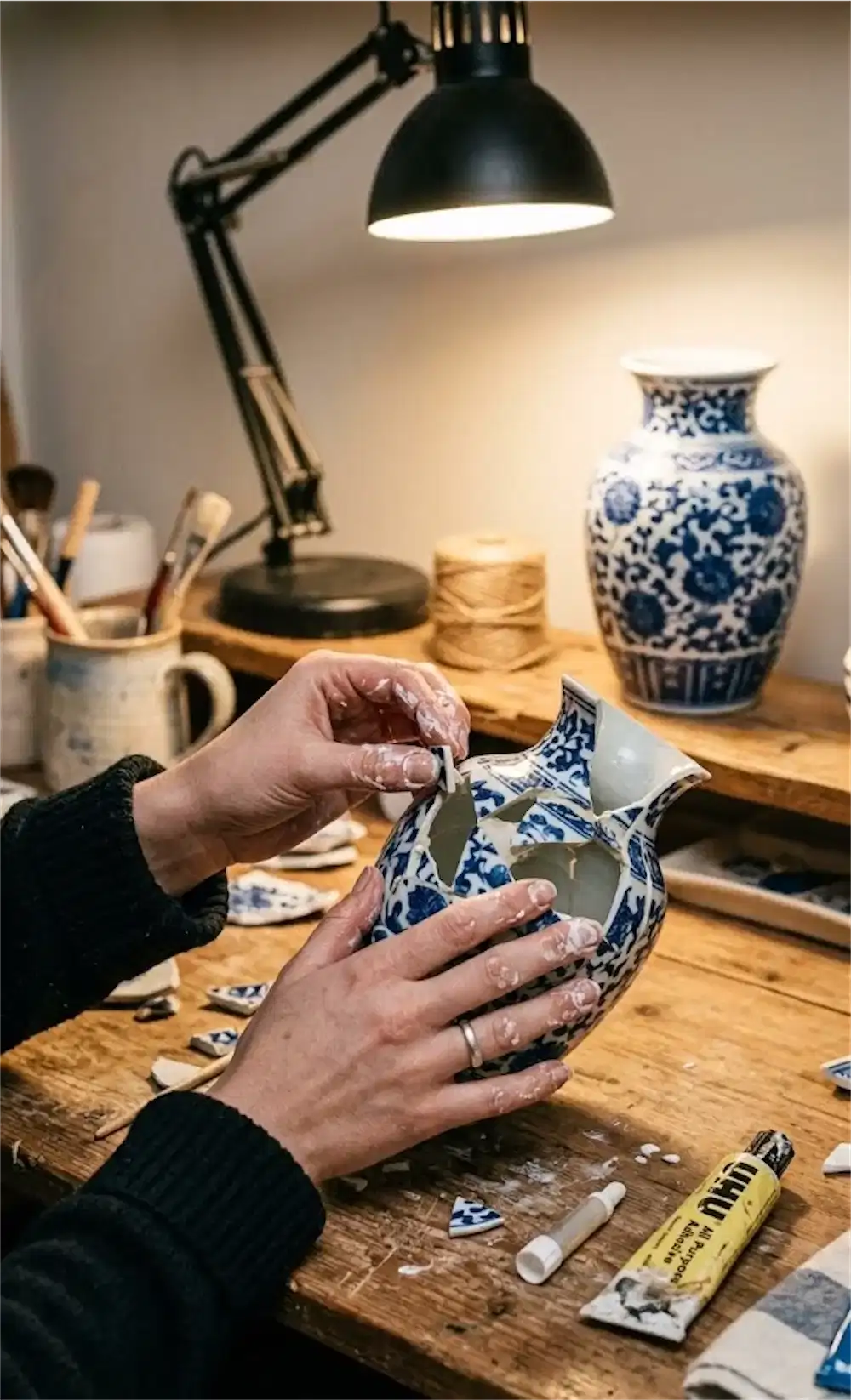
I was the “responsible one” in my family. By age eight, I was mediating my parents’ arguments. By twelve, I was managing my younger brother’s schedules and emotional crises. Nobody asked me to do this; it just happened naturally because someone had to, and the adults in the room weren’t capable.
Parentified children become adults who are really good at managing other people’s emotions and really bad at recognizing when they’re being used. Sound familiar? This is the breeding ground for codependency, and narcissistic people can smell it from a mile away.
Here’s what parentification taught me:
- My worth comes from being useful to others
- Other people’s needs are more important than mine
- If I’m not fixing or managing something, I have no value
- Asking for help means I’m failing
- Love means constant sacrifice and emotional labor
When I met my ex-partner, they presented as someone who needed help, support, and understanding. Their childhood was difficult. They had been hurt before. They just needed someone patient and caring (me) to help them heal. I jumped right into that familiar role: the fixer, the caretaker, the one who could handle anything.
The difference was, my parents were just overwhelmed humans doing their best. My ex was a person with narcissistic and borderline traits who weaponized my caretaking instincts. They never intended to get better; they intended to keep me in that servant role forever.
Breaking free from parentification patterns requires learning that you are not responsible for other adults’ emotions, behaviors, or lives. This was the hardest lesson of my recovery. I had to read extensively about codependency and boundaries before I could even recognize how deeply this pattern had shaped my relationship choices.
3. Conditional Love and Approval
If you grew up believing that love had to be earned through achievement, good behavior, or being what your parents needed you to be, you experienced conditional love. Your parents’ affection, attention, or approval came with strings attached. You were loved for what you did, not for who you were.
My parents were proud of me when I brought home good grades, won awards, or made them look good to other people. When I struggled, failed, or showed weakness, they withdrew. Not dramatically, just subtly. A little less warmth, a little more disappointment, a clear message that I was only valuable when I was performing at a high level.
Children who experience conditional love become adults who are constantly trying to earn their place in relationships. They believe that if they just try harder, be better, do more, they’ll finally receive the unconditional love they crave. Narcissistic people exploit this by creating a system of intermittent reinforcement where approval is given and withdrawn unpredictably.
This pattern shows up as:
- Believing you have to “earn” your partner’s love and kindness
- Tolerating mistreatment when you’ve “failed” in some way
- Feeling responsible for your partner’s mood and behavior
- Constantly trying to prove your worth through achievements or actions
- Accepting that love comes and goes based on your performance
During the love bombing phase of my relationship, I finally felt that unconditional acceptance I’d been searching for my whole life. My ex seemed to love me just for existing. But it was a trap. Once they knew I was hooked, the conditional love returned, except now it was weaponized. I spent 12 years trying to get back to that initial feeling by being “good enough.”
The truth is, healthy love isn’t something you earn. It’s something you receive because you exist. Learning to internalize that took years of therapy and a lot of work with self-compassion workbooks and resources that helped me separate my worth from my performance.
4. Inconsistent or Unpredictable Parenting
If your childhood involved unpredictable parenting, where the same behavior might be met with warmth one day and rage the next, you learned to become hypervigilant. You developed the ability to read moods, anticipate reactions, and adjust your behavior to avoid conflict. These are survival skills that serve you well as a child but destroy you as an adult in a narcissistic relationship.
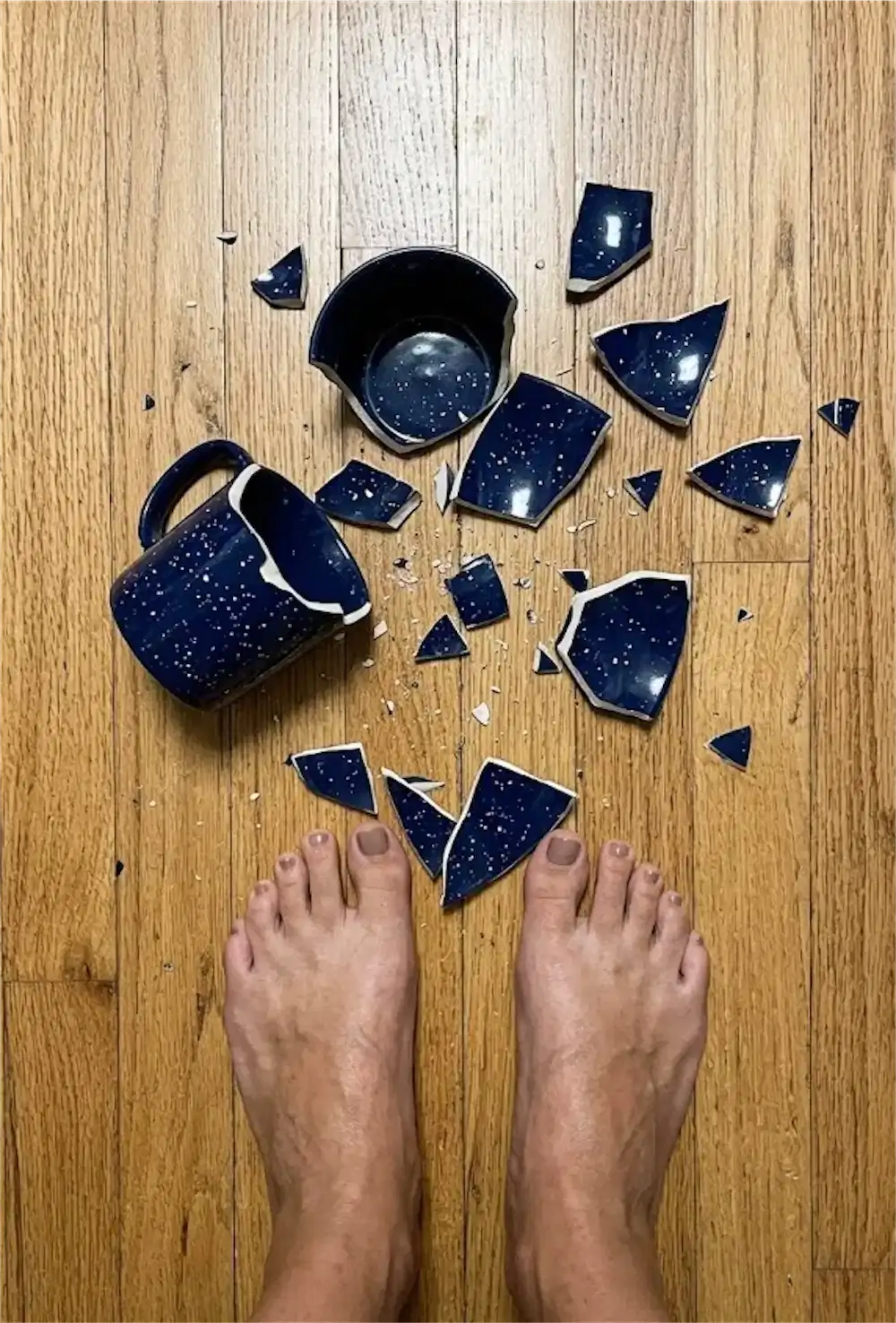
My father’s mood was a mystery. Some days he’d come home cheerful and playful. Other days, the exact same situation would trigger an explosion. I never knew which version I’d get. So I learned to read micro-expressions, tone of voice, body language. I became an expert at managing other people’s emotions before they even knew they were having them.
This skill made me exceptionally attractive to my narcissistic ex-partner. I could anticipate their needs, adjust to their shifting moods, and walk on eggshells so expertly that I barely made a sound. The chaos felt normal. The unpredictability felt like home.
Children of inconsistent parents develop what’s called an anxious attachment style. According to attachment research, anxiously attached adults are more likely to end up in relationships with avoidant or narcissistic partners because the push-pull dynamic feels familiar. The uncertainty triggers your childhood coping mechanisms.
Here’s what inconsistent parenting taught you:
- Love is unstable and can disappear at any moment
- You’re responsible for managing other people’s emotional volatility
- Hypervigilance keeps you safe
- Conflict is dangerous and must be avoided at all costs
- You can’t trust that good moments will last
The cycle of idealization and devaluation that narcissistic people create mirrors this childhood experience perfectly. You’re constantly trying to get back to the “good” version of your partner while managing the “bad” version, just like you did with your unpredictable parent. The difference is, you’re an adult now, and you have options you didn’t have as a child.
Learning about attachment styles and how childhood patterns attract certain relationship dynamics was life-changing for me. It helped me understand that my attraction to chaos wasn’t a character flaw; it was a trauma response.
5. Boundary Violations and Enmeshment
Enmeshment happens when a parent treats a child as an extension of themselves rather than a separate person with their own thoughts, feelings, and identity. Your boundaries weren’t respected. Your privacy wasn’t honored. Your individuality was seen as a threat or an inconvenience.
In enmeshed families, there’s no clear line where one person ends and another begins. Parents read your diary, share your secrets, make decisions about your body or life without consulting you, or become emotionally reactive when you try to establish independence. Love and control get tangled together until you can’t tell the difference.
I wasn’t allowed to close my bedroom door growing up. My mother read my journals and defended it by saying she was just “concerned about me.” When I got upset about these violations, I was told I was being “secretive” or “pulling away from the family.” The message was clear: boundaries equal rejection.
As an adult, I had no idea what healthy boundaries looked like. When my partner read my text messages, showed up unannounced, or got angry when I spent time with friends, it felt like normal relationship behavior. When they accused me of “not letting them in” because I wanted privacy, I believed I was the problem.
People who grow up in enmeshed families struggle with:
- Knowing where they end and others begin
- Recognizing boundary violations as abuse
- Feeling guilty when setting limits
- Confusing intimacy with enmeshment
- Believing that privacy equals dishonesty
Narcissistic people love partners from enmeshed families because these partners have been trained to see control as love and independence as betrayal. They won’t recognize possessiveness, jealousy, or invasions of privacy as red flags because they’ve never experienced anything different.
Learning to set and maintain boundaries was the single hardest part of my recovery. I had to rewire decades of conditioning that told me boundaries were mean, selfish, or evidence that I didn’t really love someone. Resources like foundational books on setting healthy boundaries gave me language and permission to prioritize my own wellbeing.
Breaking the Pattern
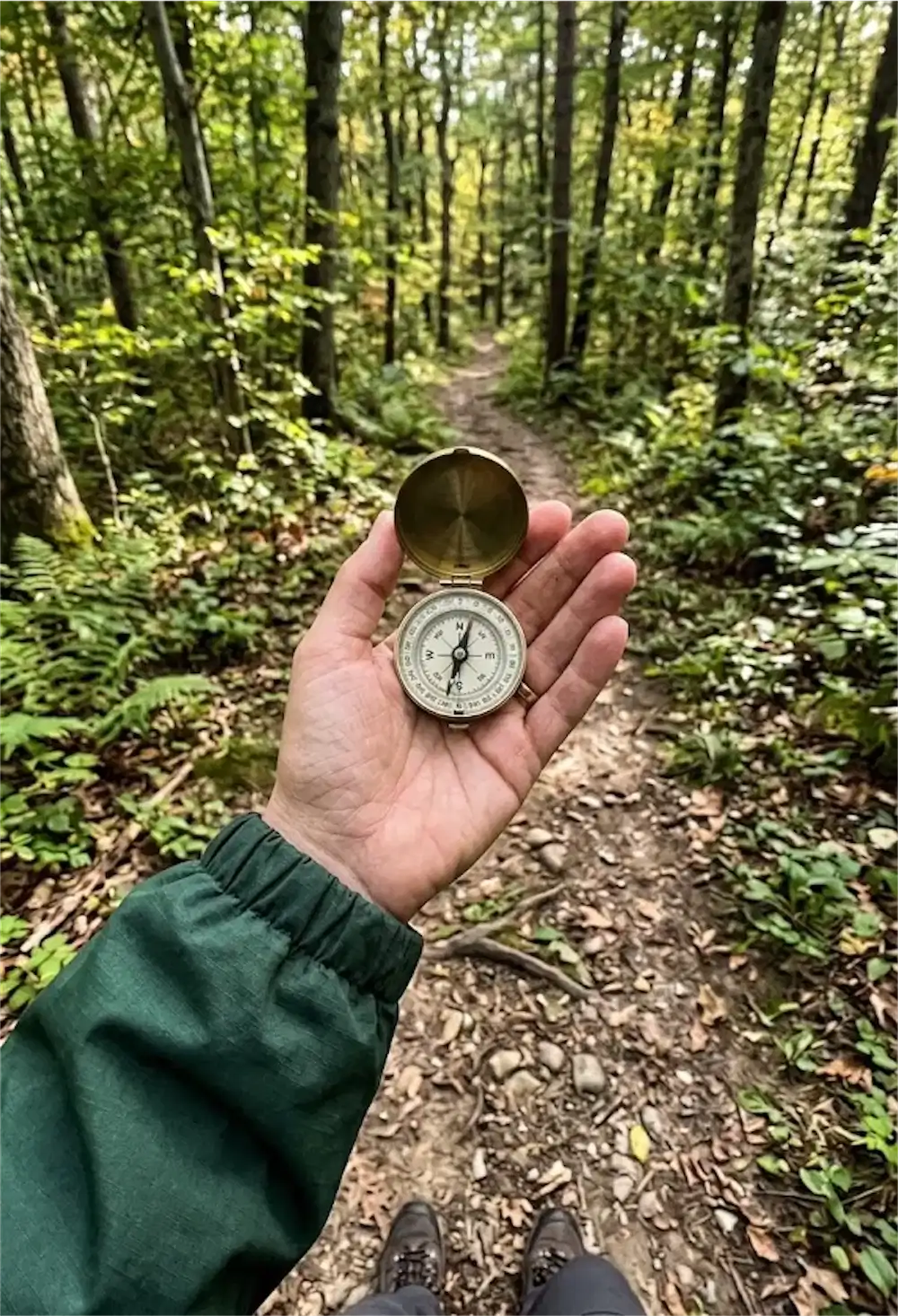
Recognizing these childhood patterns is painful. When my therapist first walked me through how my upbringing created vulnerability to narcissistic personalities, I felt angry, sad, and defensive all at once. I didn’t want to blame my parents. I didn’t want to be a victim of my past. I just wanted to understand why I kept choosing people who hurt me.
Here’s what I learned: understanding your vulnerability isn’t about blaming your parents or excusing your ex’s behavior. It’s about identifying the specific wounds that need healing so you don’t repeat the pattern.
Breaking free from these patterns requires several specific steps:
First, work with a trauma-informed therapist who understands attachment, childhood wounds, and narcissistic abuse. Not all therapists get it. I went through three before I found one who understood the connection between my childhood and my relationship patterns. This work can’t be done alone.
Second, learn to reparent yourself. You need to give yourself what you didn’t receive as a child: unconditional acceptance, emotional validation, consistent support, and respect for boundaries. This isn’t about becoming your own parent; it’s about developing an inner voice that’s compassionate instead of critical.
Third, educate yourself about healthy relationship dynamics. If you grew up with dysfunction, you literally don’t know what normal looks like. Read books, listen to podcasts, talk to people in healthy relationships. Learn what mutual respect, reciprocity, and secure attachment actually feel like in practice.
Fourth, practice setting boundaries in low-stakes situations before you try to set them with narcissistic people. Start with friends, coworkers, or service providers. Say no to small requests. Notice when someone crosses a line and speak up. Build the muscle memory of boundary-setting when the consequences aren’t devastating.
Finally, accept that healing isn’t linear. You’ll have setbacks. You’ll fall into old patterns. You’ll date someone who triggers your childhood wounds and not realize it until you’re already attached. That’s normal. Recovery is about progress, not perfection.
I’m five years out from my 12-year relationship, and I still catch myself falling into these patterns sometimes. The difference is, now I recognize them. I can pause, check in with myself, and make a different choice. That’s what healing looks like in practice.
Your childhood created vulnerabilities, but it doesn’t have to determine your future. The same brain that learned these patterns can learn new ones. The same heart that bonded to dysfunction can bond to health. You’re not broken beyond repair. You’re a person with specific wounds that need specific healing.
Understanding how childhood trauma creates narcissistic vulnerability and working through the patterns that keep you stuck in toxic relationships takes time, but it’s the most worthwhile work you’ll ever do.
Start where you are. Use what you have. Do what you can. That’s enough.
Recommended Resources
- Adult Children of Emotionally Immature Parents by Lindsay Gibson – Essential reading for understanding how childhood emotional neglect shapes adult relationships
- Complex PTSD: From Surviving to Thriving by Pete Walker – Comprehensive guide to healing from childhood trauma and toxic relationships
- Attached: The New Science of Adult Attachment by Amir Levine – Understanding how attachment styles formed in childhood affect your relationships
- Our Full List of Recommended Books – Curated resources for narcissistic abuse and childhood trauma recovery
- Recovery Tools & Resources – Practical strategies for healing childhood wounds and breaking toxic patterns

Meet Your Guide
Helen Brooks
After surviving a 12-year NPD/BPD relationship, I dedicated over a decade to studying trauma bonding and nervous system recovery. My mission is to help you break free from the fog and reclaim your authentic self.
Ready to break the trauma bond and reclaim your life?