Somatic Trauma Release: 5 Movements to Free Stored Hip Pain
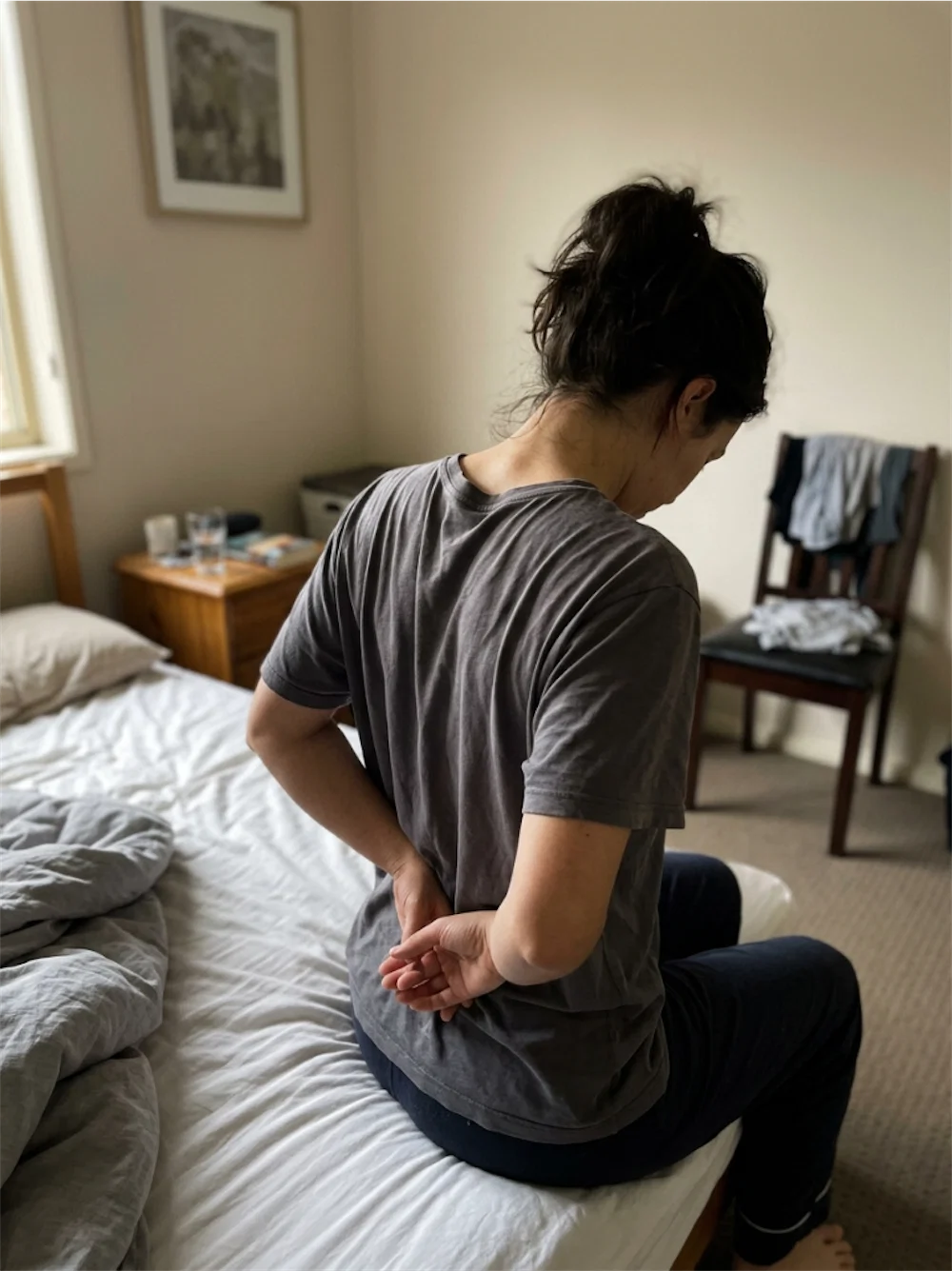
For years, I thought the tightness in my hips was just from sitting too much. Twelve years in a relationship with someone who had both NPD and BPD traits, and I had chalked up my constant physical tension to bad posture. It wasn’t until I started working with a somatic therapist that I finally connected the dots. My hips were not just stiff. They were holding years of fear, hypervigilance, and frozen grief. If you’ve been through a toxic or abusive relationship and your body still feels like a wound-up spring, this is worth reading.
There’s actually a reason trauma lands in the hips specifically. The psoas muscle, sometimes called the “muscle of the soul,” runs from your lower spine through your pelvis and connects to your femur. It is the first muscle to contract when your nervous system detects danger. After years of walking on eggshells, constant emotional unpredictability, and never knowing which version of my partner I’d come home to, my psoas was in a near-permanent state of bracing. And that doesn’t just disappear when the relationship ends.
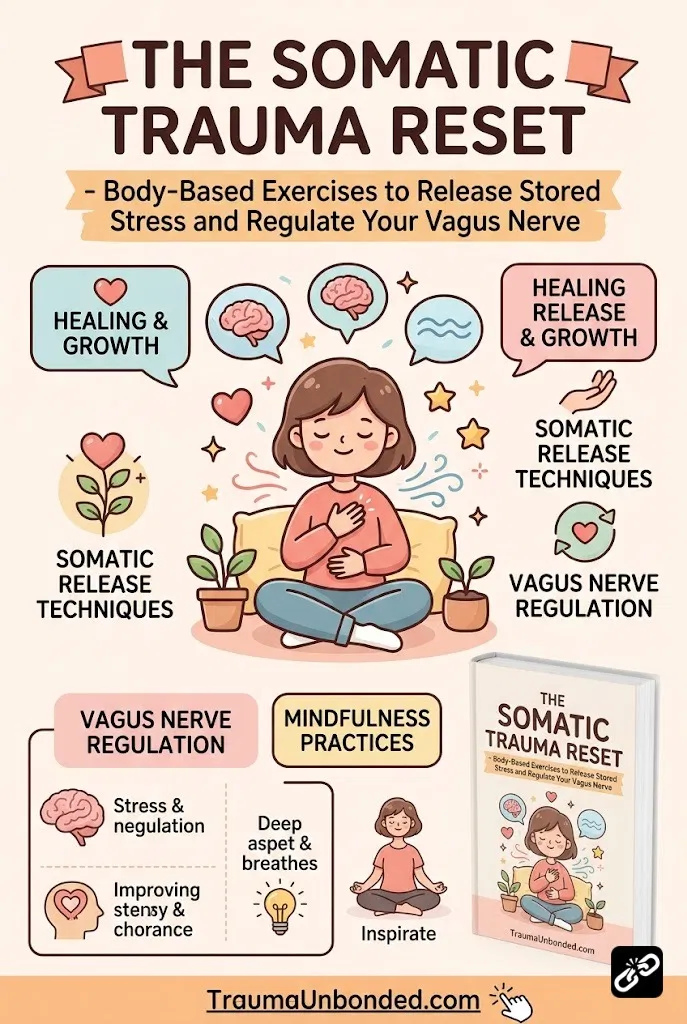
This is why The Somatic Trauma Reset guide became such a turning point for me. It explained in plain language what no one else had: that the body keeps score, and the hips are one of its favorite filing cabinets. The good news is that movement can unlock what words alone cannot. Here are 5 specific movements that helped me start releasing what twelve years had stored in my body.
Why Trauma Gets Stored in the Hips
Before we get into the movements, it helps to understand the biology here. When you experience chronic stress or threat, your body activates the fight-or-flight response. Adrenaline floods in, your muscles prepare for action, and your hips coil like a spring ready to run or kick. The problem with emotional abuse is that you rarely get to actually do either. You just absorb the tension and keep living inside it.
Over time, that unresolved activation gets stored as somatic memory. Your nervous system doesn’t distinguish between a tiger chasing you and a partner who screamed at you every other week. Both register as survival threats. If you want to understand how this connects to your somatic trauma hip release journey in more depth, that foundation matters a lot. The hips are not just where you sit. They are where your survival system lives.

5 Somatic Movements to Release Stored Hip Trauma
These are not just stretches. The key difference between somatic movement and regular exercise is slow, intentional awareness. You are not trying to force flexibility. You are gently inviting your nervous system to feel safe enough to let go. Do each movement slowly. Breathe deeply. Notice sensations without judgment. If emotions surface, that is the point.
1. The 90/90 Hip Reset
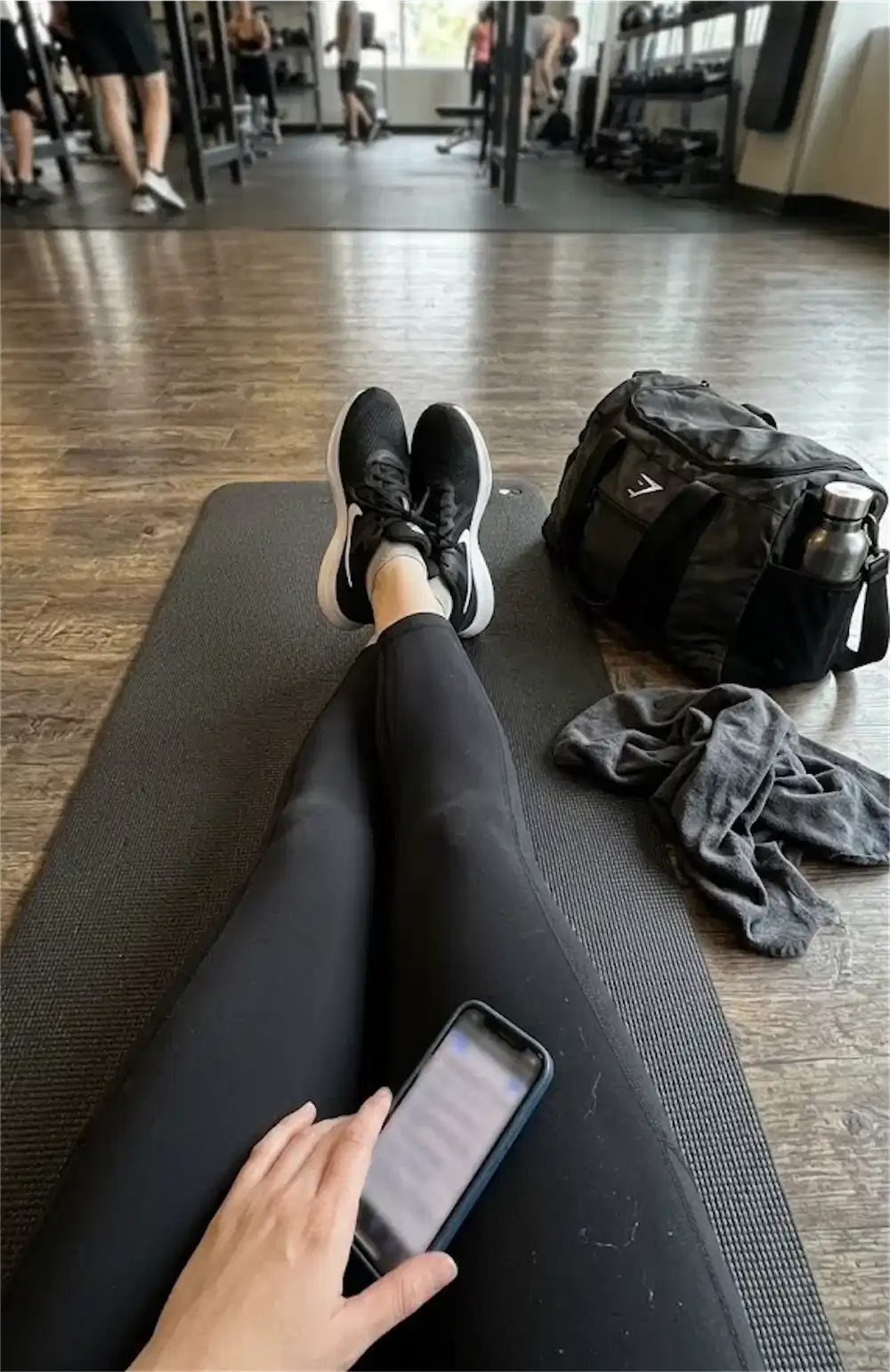
Sit on the floor with both knees bent at 90-degree angles, one leg in front and one to the side. Let your hips sink into the floor completely. Breathe slowly for 2 to 3 minutes on each side. This position creates a gentle external and internal rotation of the hip simultaneously, targeting the deep hip rotators where the psoas and piriformis tend to hold the most chronic tension. Don’t rush it. Just breathe and stay.
2. Supported Bridge with Hip Circles
Lie on your back with knees bent and feet flat on the floor. Gently lift your hips into a bridge, hold for a moment, then slowly lower. Once you’ve done this a few times, add a very small, slow circle with your hips at the top of the bridge. The movement doesn’t need to be big. What matters is the quality of attention you bring to it. This activates the glutes and releases the hip flexors while keeping your nervous system regulated through your breath.
3. Standing Hip Sway
This one sounds almost too simple, but it was one of the most emotionally releasing practices I found. Stand barefoot. Gently sway your hips side to side. Let your arms hang loose. Hum softly if it feels right. Humming activates the vagus nerve and sends a signal to your entire nervous system that it is safe to relax. This is not dancing. It is just gentle pendulum movement. Many survivors find emotions rise during this exercise, and that’s the body doing its work.
4. Constructive Rest Position with Breath
Lie on your back, knees bent, feet flat. Let your knees drop slightly inward until they rest against each other or a rolled blanket. Place one hand on your lower belly. Breathe into the hand. Let the belly rise and fall slowly. Stay here for 5 to 10 minutes. This position naturally decompresses the lumbar spine and signals the psoas to soften. After twelve years of bracing, this was the first practice that made me feel like my body was actually mine again.
5. Slow Walking with Hip Awareness
Go for a short, slow walk, ideally barefoot on grass if you can. The difference here is intention. Pay attention to how each hip drops and lifts with each step. Notice any asymmetry. Notice where you grip or hold. Walking is one of the oldest bilateral somatic regulators we have. The left-right rhythm of walking actually helps discharge stored trauma from the nervous system, which is part of why therapies like EMDR incorporate bilateral stimulation. For more movement-based recovery tools, the full guide on trauma recovery exercise goes deeper into this connection.
What to Expect When You Start This Work
Some people cry during these movements. Some feel nothing for weeks and then one day something shifts unexpectedly. Some feel mild nausea, emotional flooding, or sudden exhaustion. All of these are signs that your nervous system is starting to process what it couldn’t process while you were still in survival mode. This is not you breaking down. This is you thawing out.
The key is to go slowly and not push past your window of tolerance. If a movement triggers strong anxiety or dissociation, come back to your breath first. Grounding first, always. The vagus nerve responds beautifully to slow exhalations, and you can pair any of these movements with a 4-count inhale and 8-count exhale to keep your system regulated. If you want a structured protocol that connects breathwork, movement, and vagal toning into a daily routine, vagus nerve anxiety exercises offers a solid starting framework.
I also want to say something that no one said to me for a long time: the physical symptoms you are carrying are real. The hip pain, the tension headaches, the tight jaw, the shallow breathing. These are not psychosomatic in the dismissive sense. They are evidence that your body took on what your mind could not fully process. That deserves acknowledgment, not just stretching tips.
If you’re ready to go beyond individual movements and work through a structured body-based recovery protocol, the guide that brought it all together for me covers this in a way that is practical and compassionate. It was designed for people coming out of exactly the kind of chronic stress and relational trauma that leaves you living in a body that doesn’t feel safe anymore.
Your Body Has Been Waiting for Permission
One thing my therapist said to me early on stuck with me: “Your body didn’t betray you by getting tense. It was protecting you the only way it knew how.” That reframe changed everything. The hip pain, the holding, the bracing. It wasn’t weakness. It was years of loyalty to my own survival. What it needs now is not punishment or force. It needs patience and presence.
Start with just 10 minutes. Pick one movement from this list. Do it slowly, breathe into it, and see what your body tells you. The hips have been holding on for a long time. They are ready to let go when you give them the right invitation. And if you want a full body-based roadmap to support the rest of your healing, The Somatic Trauma Reset is exactly that kind of guide.

Meet Your Guide
Helen Brooks
After surviving a 12-year NPD/BPD relationship, I dedicated over a decade to studying trauma bonding and nervous system recovery. My mission is to help you break free from the fog and reclaim your authentic self.
Ready to break the trauma bond and reclaim your life?