Fawn Response Traits: How to Recognize and Break the Pattern
I spent twelve years of my life trying to be the perfect person for someone who could never be satisfied. My partner struggled with both narcissistic and borderline personality traits, and I thought my kindness was the key to fixing the relationship. In reality, I was stuck in a survival state that I didn’t even have a name for at the time. I had lost my friends, my hobbies, and my sense of self. I was a shell of a person, constantly scanning my partner’s face for the slightest hint of anger or disappointment.
If you find yourself apologizing for things you didn’t do or making yourself smaller to keep the peace, you aren’t just being nice. You are likely experiencing the fawn response. This is a trauma reaction where we use people-pleasing to avoid conflict and stay safe. It is a deep-seated habit that often develops when we are stuck in a toxic cycle. Learning about how to reclaim your voice is the first step toward finding your way back to the person you used to be before the abuse started.
When I finally got out of that relationship, I was devastated and isolated. I felt like I didn’t know what I liked to eat or what I wanted to do with my time anymore. It took professional therapy and a lot of patience to understand that my “personality” had actually become a collection of survival tactics. Does it feel like you have to perform just to be loved? Recognizing these fawn response traits guide us toward the truth of why we stay in situations that hurt us.
Why We Turn Into People-Pleasers to Stay Safe
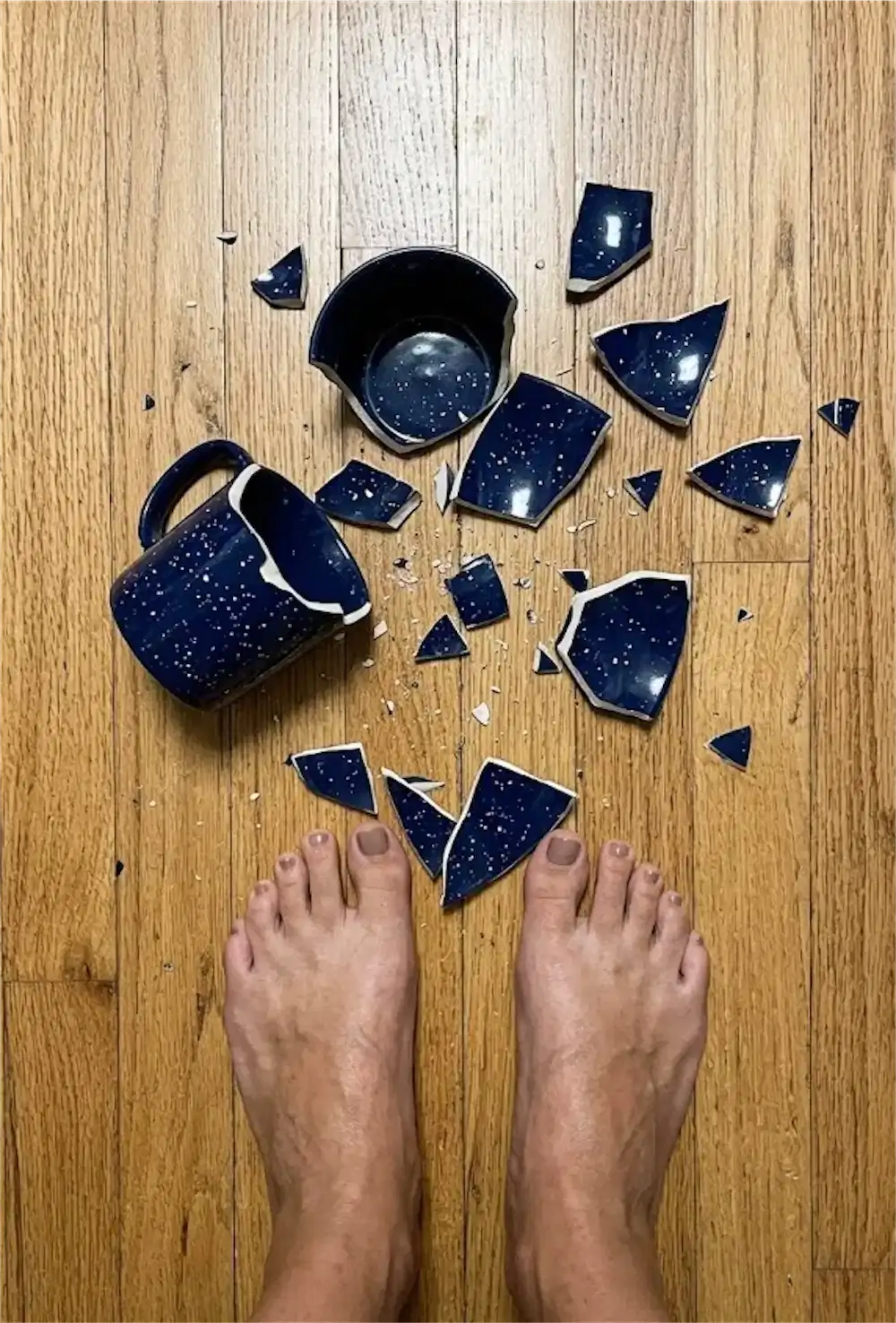
In a relationship with a narcissist or someone with BPD traits, the environment is unpredictable. You never know if you are going to get the loving version of them or the version that wants to tear you down. This creates a state of walking on eggshells. To survive, your brain decides that if you can just make the other person happy, you will be safe. You start to anticipate their needs before they even ask. You learn to silence your own opinions because speaking up results in hours of circular arguments or the silent treatment.
During my decade-long relationship, I became an expert at reading my partner’s moods. I could tell by the sound of the front door closing if I was in for a good night or a nightmare. This hyper-focus on them meant I stopped paying attention to myself. Fawning is different from being kind because it comes from a place of fear, not a place of choice. It is an automatic reflex of the nervous system designed to prevent a blowout or a discard.
When you are fawning, you might find yourself agreeing with their distorted version of reality just to end a fight. You might accept blame for their bad behavior or apologize for being “too sensitive” when they hurt your feelings. This leads to a massive loss of identity. You become a mirror for their needs, and eventually, you look in the actual mirror and don’t recognize the person looking back.
Common Fawn Response Traits to Look For
One of the most obvious signs is over-apologizing. Do you find yourself saying “sorry” for things that aren’t even your fault, or even for simply existing? This is a defensive move to de-escalate tension. Another trait is the inability to say no. The thought of setting a boundary feels like a life-or-death situation because you expect a negative reaction or a full-blown narcissistic collapse.
You might also notice that you are socially chameleon-like. You change your personality, your likes, and even your tone of voice depending on who you are with. In my experience, I realized I had no hobbies left because I had slowly adopted all of my partner’s interests to keep the connection alive. If you are struggling to remember who you were before the relationship, you are likely deep in this survival mode. It is essential to rebuild your self-worth by recognizing these patterns as defense mechanisms, not character flaws.
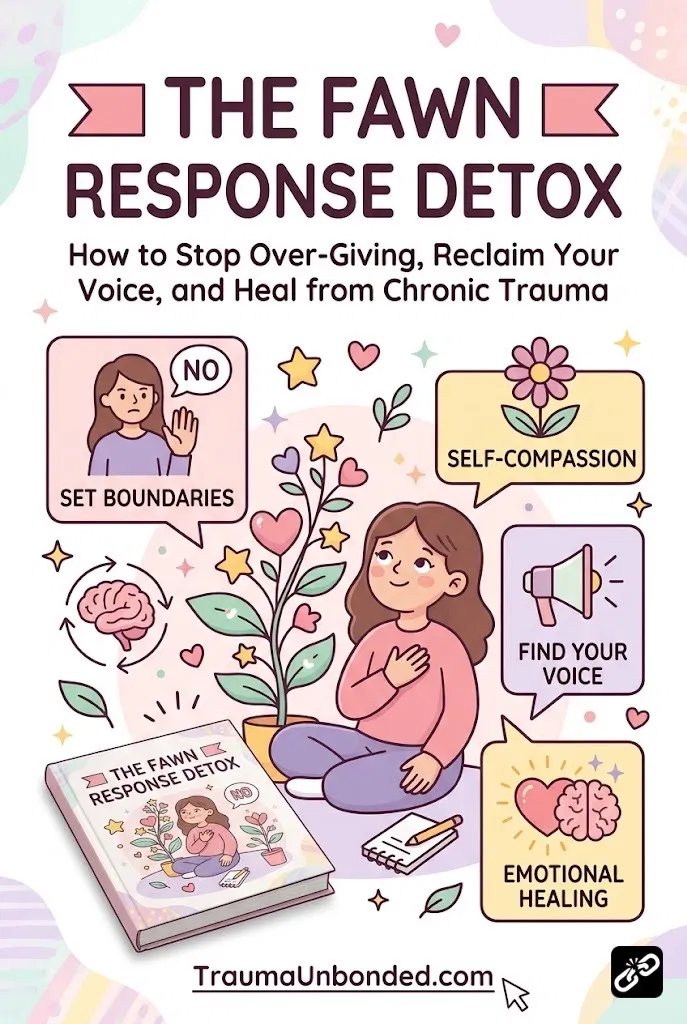
If you feel like you’ve lost yourself completely and don’t know how to stop the cycle of over-giving, I have created a specific resource to help you find your ground again. This guide focuses on the exact steps needed to quiet the fear and start putting yourself first without the crushing weight of guilt.
How to Start Breaking the Fawn Response Pattern
Breaking this pattern is not about suddenly becoming aggressive. It is about slowly reintroducing your own needs back into your life. When I started my recovery, I had to practice small “no’s.” I would choose a different restaurant or say I didn’t want to watch a certain show. It felt terrifying at first. My heart would race, and I would wait for the explosion. But as I healed, I realized that healthy people don’t explode when you have an opinion.
The first step is awareness. Start noticing the physical feeling in your body when you are about to fawn. Is there a knot in your stomach? Does your throat feel tight? This is your nervous system going into “please and appease” mode. When you feel this, take a breath and pause. You don’t have to agree immediately. You can say, “Let me think about that,” or “I’m not sure yet.” This gives you space to reconnect with your own thoughts.
Another vital part of recovery is nervous system regulation. Because fawning is a survival response, your body is essentially stuck in a state of high alert. Learning nervous system regulation exercises can help you feel safe enough to set boundaries. When your body feels safe, your mind can start to make choices based on what you actually want, rather than what will keep the peace with a toxic person.
Reclaiming Your Voice and Identity
To break the fawn response, you have to get comfortable with the idea that some people might be unhappy with your boundaries. In a toxic relationship, we are trained to believe that their anger is our responsibility. It isn’t. Their reaction to your “no” is about their lack of respect for you, not about your failure to be a good partner. I had to learn that lesson the hard way after years of trying to manage my ex’s emotions.
Start looking for the things you used to love before the 12-year fog settled in. For me, it was painting and hiking. I had stopped doing them because my partner made fun of them or made it difficult for me to find the time. Returning to these hobbies was like meeting an old friend. It helped ground me and reminded me that I am a person with valid interests and a unique personality. You are allowed to take up space. You are allowed to have preferences. You are allowed to say no without providing a long list of reasons.
Healing from a fawn response takes time because you are essentially rewiring how you interact with the world. Be patient with yourself. Some days you will slip back into old habits, and that’s okay. The goal is progress, not perfection. As you start to stand your ground, you will notice that the people who truly care about you will respect your boundaries, while the toxic ones will likely fall away. This is a painful but necessary part of the process.
You don’t have to live your life as a shadow of someone else’s ego. You deserve to be heard, and you deserve to feel safe in your own skin. If you are ready to stop the endless cycle of people-pleasing and find your strength again, take a look at The Fawn Response Detox. It is designed to walk you through this journey one step at a time, just like I had to do when I was finding my way back to the light.

Meet Your Guide
Helen Brooks
After surviving a 12-year NPD/BPD relationship, I dedicated over a decade to studying trauma bonding and nervous system recovery. My mission is to help you break free from the fog and reclaim your authentic self.
Ready to break the trauma bond and reclaim your life?