Narcissistic Mother Discard: Dealing with the Deep Pain
Narcissistic mother discard is a confusing and agonizing experience that leaves adult children feeling completely erased. When a mother decides to cut ties, it is not just a family argument; it is a total withdrawal of the maternal bond. In my own 12-year toxic relationship, I felt this same pattern of being used for narcissistic supply and then tossed away once I stopped serving a purpose. If you are currently asking why did my narcissistic mother discard me, please know that this choice says everything about her pathology and nothing about your value.
Many of us spend decades trying to win the approval of a mother who is incapable of genuine empathy. We lose our hobbies, our friends, and our sense of self while trying to keep her happy. To begin the healing process, you may find it helpful to work through a structured recovering from a BPD mother guide to help untangle the complex web of guilt she left behind. Have you noticed that the discard often happens right when you start setting small boundaries?
Dealing with the pain of narcissistic mother discard requires understanding that her love was always conditional. In a healthy family, love is a constant. In a narcissistic family dynamic, love is a tool for control. When you stop being controllable, you become “useless” in her eyes. It is a cold, calculated move designed to make you crawl back and apologize for things you never did.
What Does a Narcissistic Mother Discard Look Like?
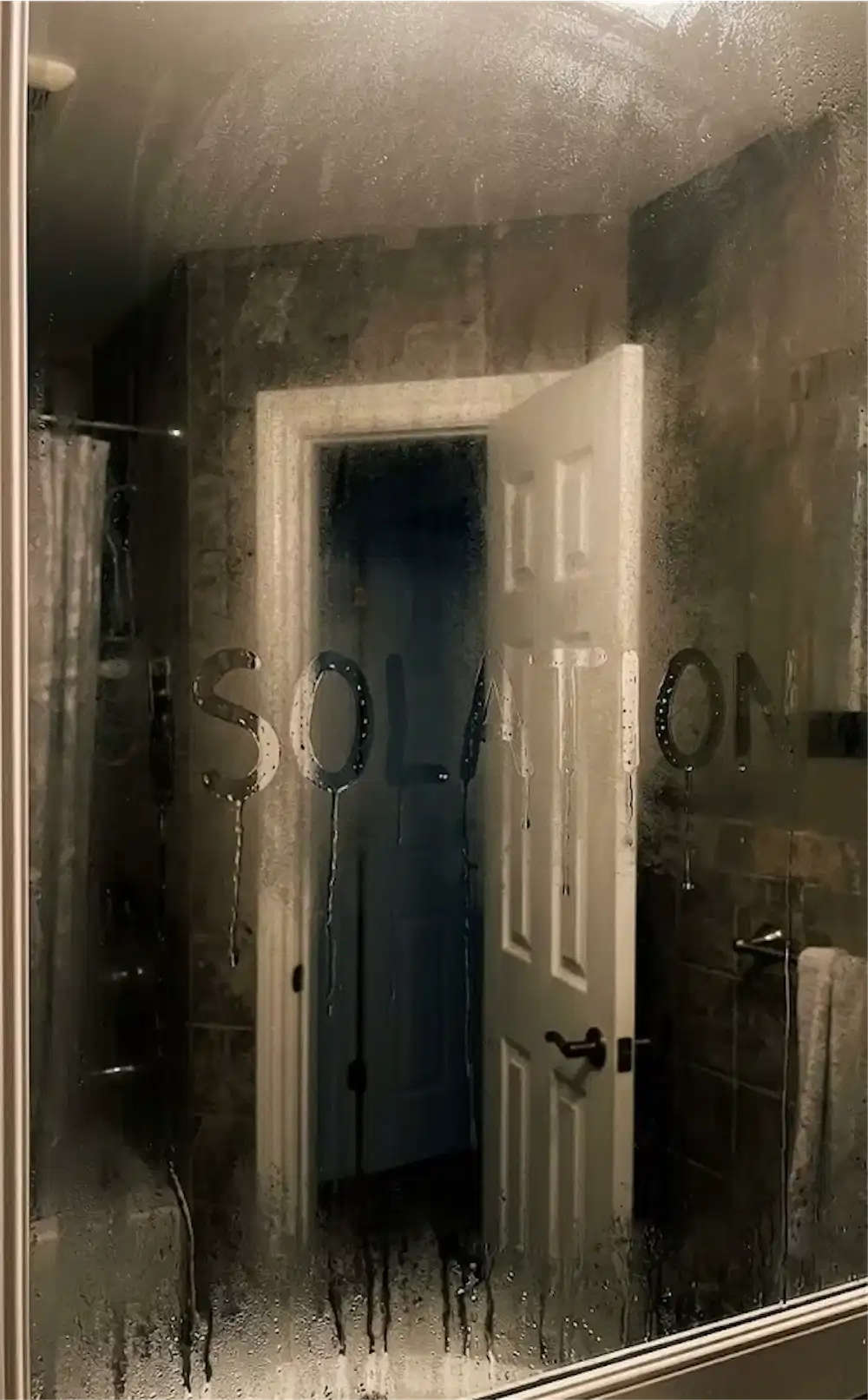
The discard usually starts with the silent treatment, which is a form of emotional punishment. She might stop answering your calls, “forget” to invite you to holiday dinners, or speak only to your siblings while ignoring you in the same room. During my decade in a toxic environment, I learned that this silence is meant to trigger your fear of abandonment. It makes you feel like a small child again, desperate for her to just look at you.
Another sign is the smear campaign. A narcissistic mother will tell the rest of the family that you are the one who is “difficult,” “unstable,” or “ungrateful.” She plays the victim so well that even people you trust might start looking at you differently. This isolation is intentional. She wants to make sure you have nowhere to go but back to her on her terms. It feels like your entire support system is being dismantled while you are already at your lowest point.
Sometimes the discard is “discarding by replacement.” She might suddenly become overly obsessed with a new friend, a neighbor, or even the golden child sibling. She will flaunt these relationships in front of you to show you how replaceable you are. Do you find yourself checking her social media just to see if she is still ignoring you? This obsession is part of the narcissistic mother discard cycle that keeps you trapped in a loop of seeking validation from a person who is intentionally withholding it.
The Psychological Impact of the Final Discard
The trauma of being rejected by a parent creates a deep wound called mother hunger. Even as adults, we have a biological drive to be nurtured by our mothers. When that person turns cold and discards us, it triggers a nervous system collapse. I remember feeling like a shell of a person, unable to focus on work or even simple daily chores. This is often where complex PTSD (C-PTSD) symptoms begin to surface, making every day feel like a battle against your own mind.
You might experience intense cognitive dissonance. This is that mental fog where you remember the “good times” and use them to excuse her current cruelty. You try to reconcile the mother who tucked you in at five years old with the woman who just told the entire family you are dead to her. This internal conflict is exhausting. It keeps you from seeing the reality of the narcissistic mother guilt bond that has kept you stuck for years.
If you were the family scapegoat, the discard can actually feel like a strange mix of agony and relief. You are no longer the target of her daily barbs, but the silence feels heavy. Many survivors struggle with a family scapegoat healing process because they have been trained to believe they are the problem. You might find yourself ruminating on past arguments, wondering what you could have said differently to change the outcome. The truth is, there was no “right” thing to say to someone who wanted to hurt you.
Why a Narcissistic Mother Cuts You Off
A narcissistic mother discards her child because she sees people as extensions of herself rather than individuals. If you start to develop your own opinions or demand respect, you are no longer a “good” extension. You have become a threat to her ego. She cuts you off to regain power. It is a manipulation tactic designed to break your spirit so that when she eventually “hoovers” you back, you will be too tired to fight for your boundaries ever again.
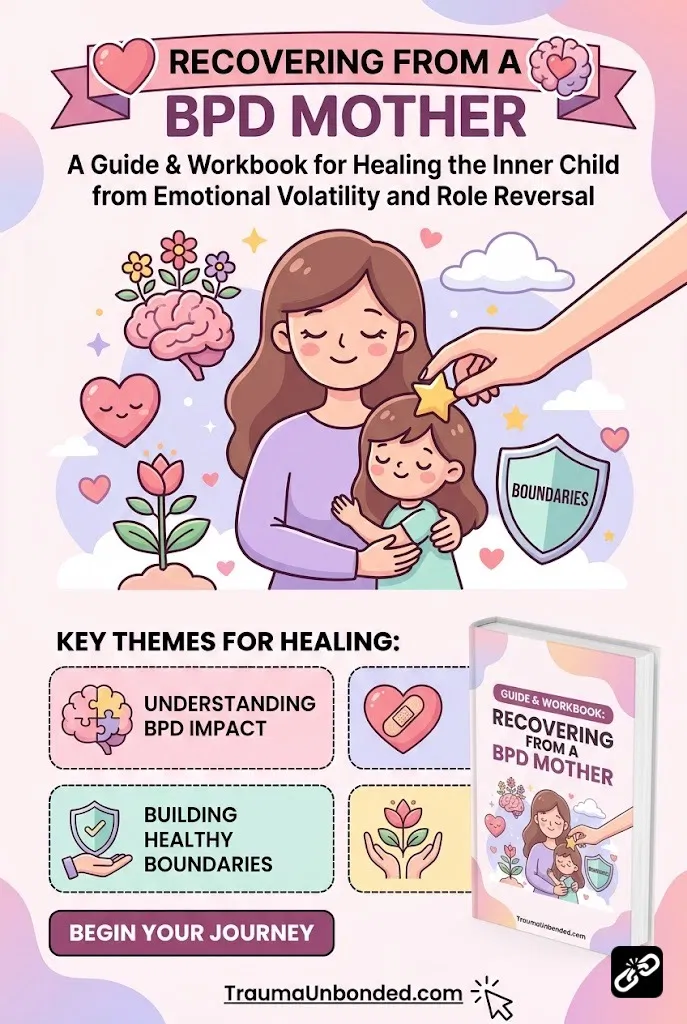
Healing from this level of betrayal requires a roadmap that addresses the specific ways maternal abuse alters your brain and your self-worth. If you are struggling to stop the obsessive thoughts and the deep feelings of worthlessness, this specialized recovery guide is the most effective tool to help you find your footing again.
Grieving the Mother You Never Had
The hardest part of the discard is realizing you are not just grieving the loss of a relationship, but the loss of a fantasy. You are grieving the idealized version of a mother that you kept alive in your head. During my recovery, I had to accept that the nurturing mother I wanted never existed. This realization was painful, but it was also the key to my freedom. When you stop waiting for her to change, she loses her power over your emotions.
Allow yourself to feel the anger. Anger is a protective emotion that tells you a boundary has been crossed. You were discarded by the person who was supposed to be your safe harbor. That is a massive betrayal. Instead of turning that anger inward and blaming yourself, use it as fuel to rebuild your life. Why should you spend one more minute crying over someone who isn’t shedding a single tear for you?
The grief process isn’t linear. Some days you will feel strong and optimistic, and other days you will see a mother and daughter laughing at a cafe and feel a sharp pang in your chest. This is normal. It is part of the trauma recovery journey. Healing means learning to mother yourself. It means giving yourself the kindness, patience, and validation that she was never able to provide. You are finally learning how to be your own advocate.
Rebuilding Your Life and Setting Boundaries

When the discard happens, your first instinct might be to fix it. You might want to send a long email explaining your feelings or ask other family members to intervene. Expert recovery tip: Don’t. Anything you say will be used as more ammunition for her smear campaign. The most powerful thing you can do is accept the discard and turn it into a No Contact period for your own protection. Silence is the only language a narcissist respects because it means they no longer have access to your energy.
Focus on your nervous system regulation. Years of walking on eggshells have likely left you with high cortisol and a constant state of hypervigilance. Start small. Reconnect with the hobbies you gave up during those 12 years of chaos. For me, it was returning to painting and taking long walks without checking my phone every five minutes. These small acts of self-care are how you reclaim your “original self”—the cheerful, grounded person you were before the abuse took over.
You may need to find a chosen family. These are friends and mentors who see you for who you truly are and offer unconditional support. Recovery is much easier when you aren’t doing it in isolation. Therapy was a game-changer for me, specifically focusing on codependency and how to stop being a “people pleaser” for people who only want to use you. You deserve to be surrounded by people who don’t require you to shrink yourself to be loved.
Ultimately, the discard is a gift wrapped in a nightmare. It is the moment the chains finally break, even if you weren’t the one who cut them. You are now free to live a life that isn’t dictated by her moods or her demands. It takes time to stop feeling like you are waiting for the other shoe to drop, but eventually, the peace becomes your new normal. You can start that journey today by using a dedicated mother recovery guide and workbook to process the deep-seated wounds and move toward a future defined by your own strength.

Meet Your Guide
Helen Brooks
After surviving a 12-year NPD/BPD relationship, I dedicated over a decade to studying trauma bonding and nervous system recovery. My mission is to help you break free from the fog and reclaim your authentic self.
Ready to break the trauma bond and reclaim your life?