Self-Doubt After Abuse: Overcoming Post-Narcissist Paralysis
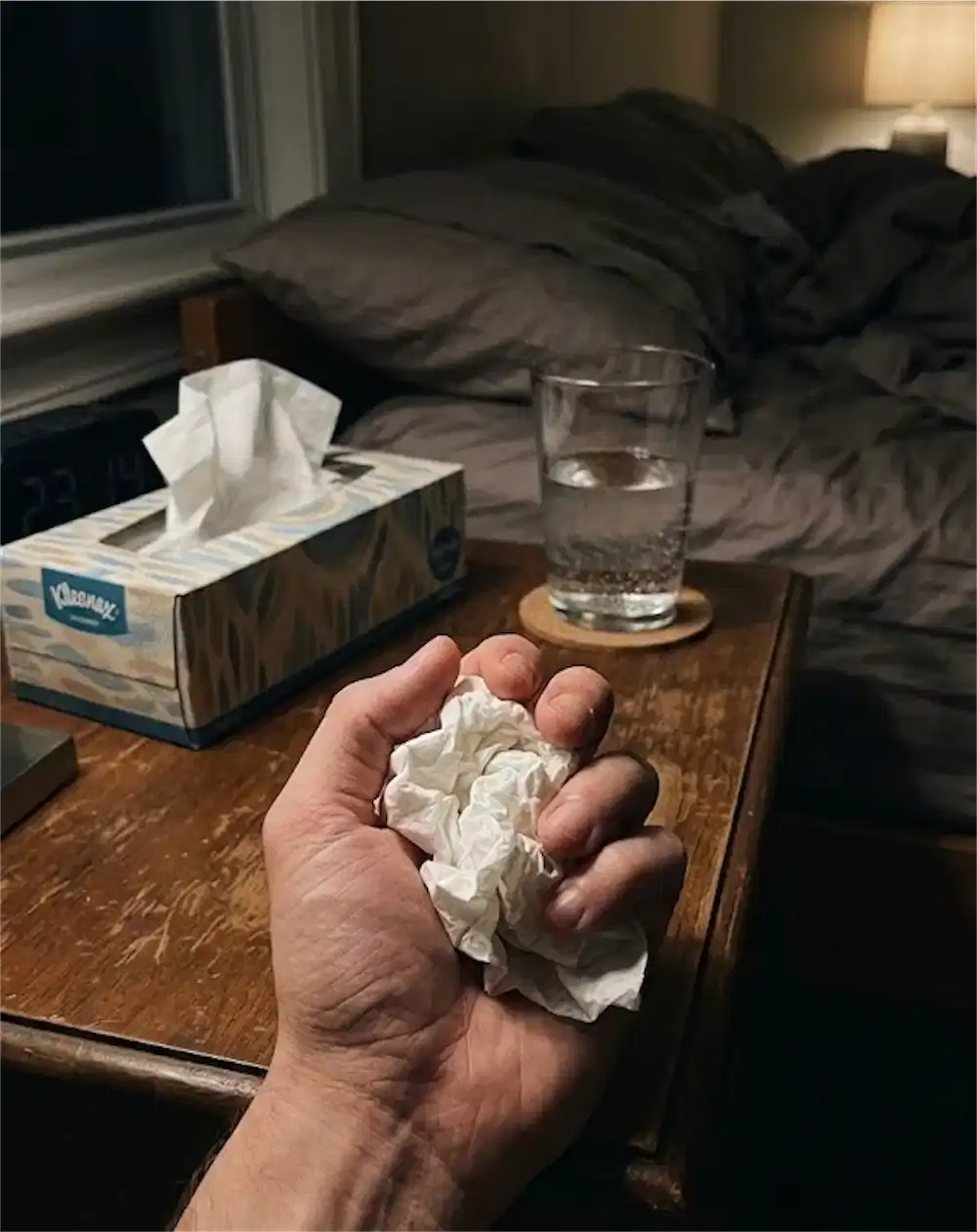
Self-doubt after abuse recovery often feels like a heavy, invisible fog that follows you into every room. After spending 12 years with a partner who displayed both NPD and BPD traits, I know exactly what it means to be frozen by post-narcissist paralysis. You want to move forward, but your brain keeps asking if you are making another mistake. This feeling is not a character flaw, it is a physiological response to a decade of being told your reality was wrong. If you are struggling to trust your own mind today, please know that you can heal from gaslighting and find your voice again.
When I finally left my toxic relationship, I was a shell of the person I used to be. I had no hobbies, my friendships had withered away, and I couldn’t even decide what to buy at the grocery store without feeling a surge of panic. Why was I so stuck? It was because my ex had spent 12 years systematically dismantling my confidence. In a relationship involving Narcissistic Personality Disorder and Borderline Personality Disorder, you are often subjected to intermittent reinforcement. This means you were kept in a state of constant anxiety, never knowing if you would get the “loving” partner or the “abusive” one. This cycle creates a literal addiction in the brain that makes simple decisions feel like life-or-death situations.
Does it ever feel like you are waiting for permission to live your own life? I spent months sitting on my couch, staring at the wall, because I had forgotten how to exist without someone else’s drama taking up all the space. Healing from this kind of trauma bond requires more than just time; it requires a deep understanding of how your nervous system was rewired to prioritize the abuser’s needs over your own survival. You have to learn how to rebuild self worth after discard by teaching your body that it is finally safe to have an opinion.
Why Post-Narcissist Paralysis Keeps You Stuck
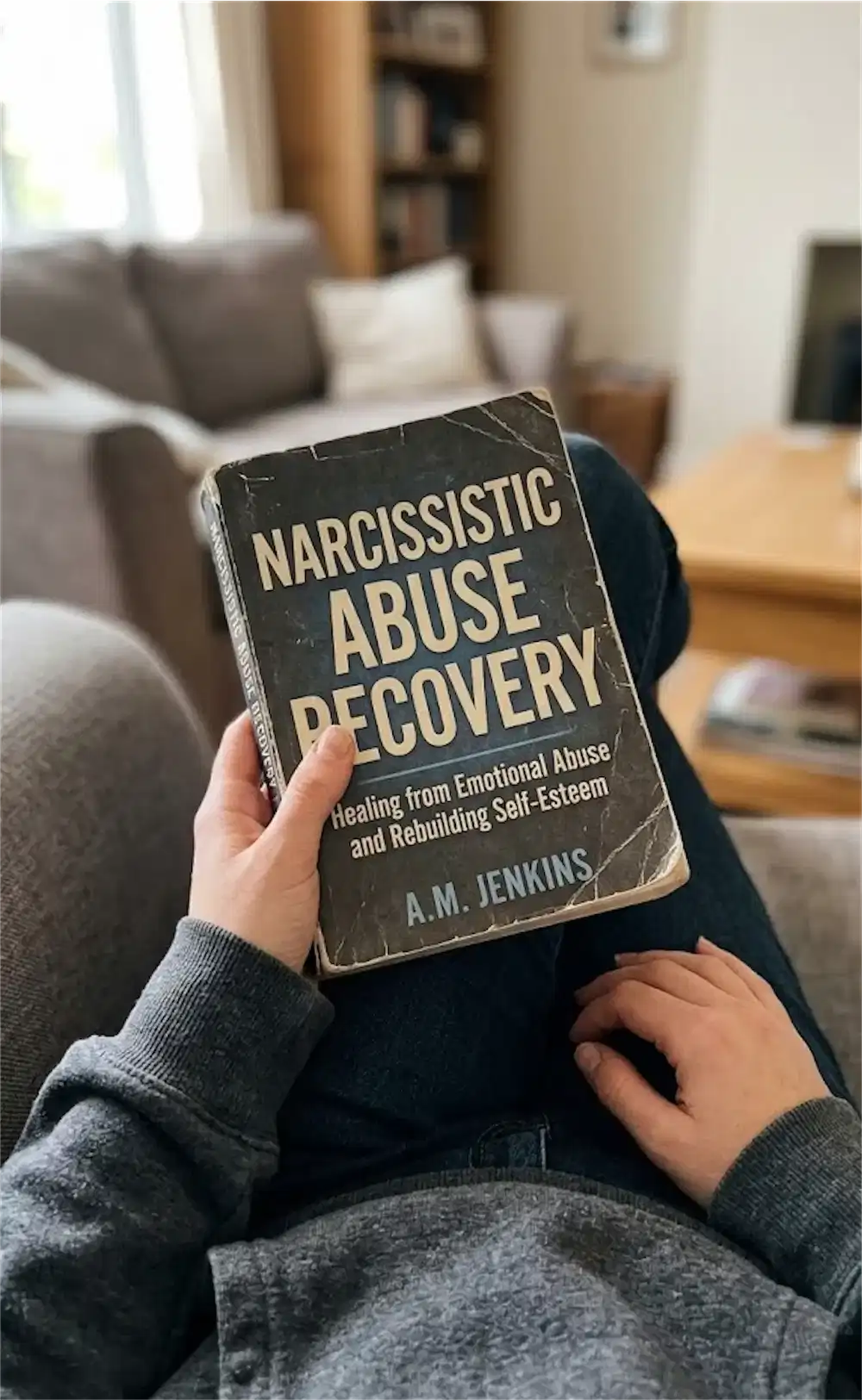
The paralysis you feel is often a result of cognitive dissonance. This is the mental discomfort of holding two conflicting beliefs at the same time. You know the person was toxic, yet you still find yourself missing the “good” version of them. This mental tug-of-war drains your energy, leaving you with nothing left for daily tasks. During my 12-year relationship, I was constantly told that my memories were “wrong” or that I was “too sensitive.” When you hear that every day for over a decade, you stop trusting your senses. You start to double-check every thought against an invisible critic in your head.
This state of being is often called walking on eggshells. Even after the abuser is gone, the eggshells remain in your mind. You might find yourself over-explaining your choices to people who aren’t even asking for an explanation. Have you noticed yourself apologizing for things that aren’t your fault? That is the lingering effect of emotional abuse. Your brain is still trying to prevent a blow-up that isn’t coming. It is a survival mechanism that has outlived its usefulness.
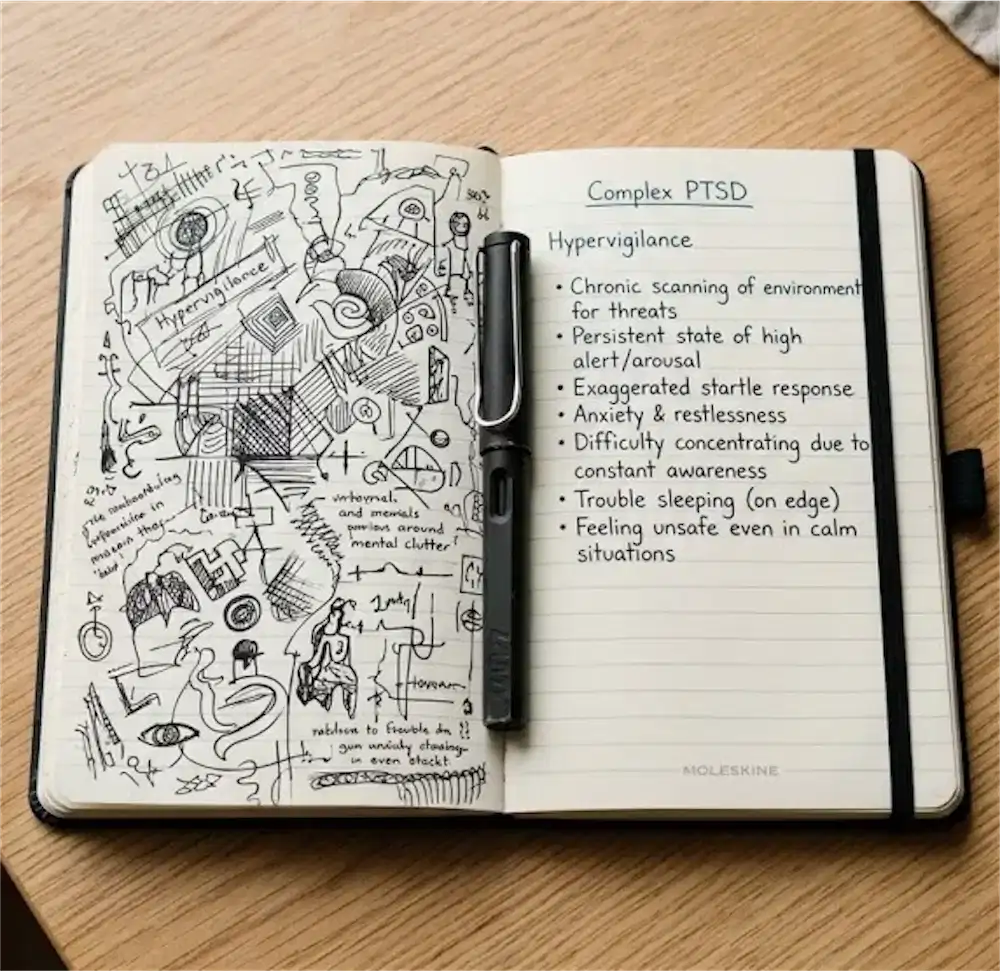
To break this paralysis, you have to recognize that your indecisiveness is actually a sign of C-PTSD. Your brain has been conditioned to believe that making a choice leads to punishment. Whether it was a “silent treatment” or a full-blown rage, you learned that being invisible was safer than being decisive. Recovery starts when you realize that the danger has passed, but your nervous system hasn’t received the memo yet. Learning to heal gaslighting and trust reality is the first step toward moving again.
The Role of Codependency in Self-Doubt
Many of us who stayed in toxic situations for years struggled with codependency. I was a “fixer.” I thought if I could just be perfect enough, or supportive enough, the relationship would stabilize. This meant I spent 12 years looking outward to gauge my value. When the relationship ended, I had no internal compass left. I felt like a radio tuned to a dead frequency. If you don’t know who you are without the “victim” or “caretaker” role, the silence of post-abuse life can feel terrifying.
Reclaiming your identity means slowly turning that focus back inward. It starts with very small choices. For me, it was choosing a coffee flavor without wondering if my ex would approve of the price or the smell. It sounds trivial, but for a survivor, these small acts of self-agency are revolutionary. You are proving to yourself, one tiny choice at a time, that you are the captain of your own ship again. The goal isn’t to never feel doubt again, it is to learn that doubt doesn’t have to stop you from acting.
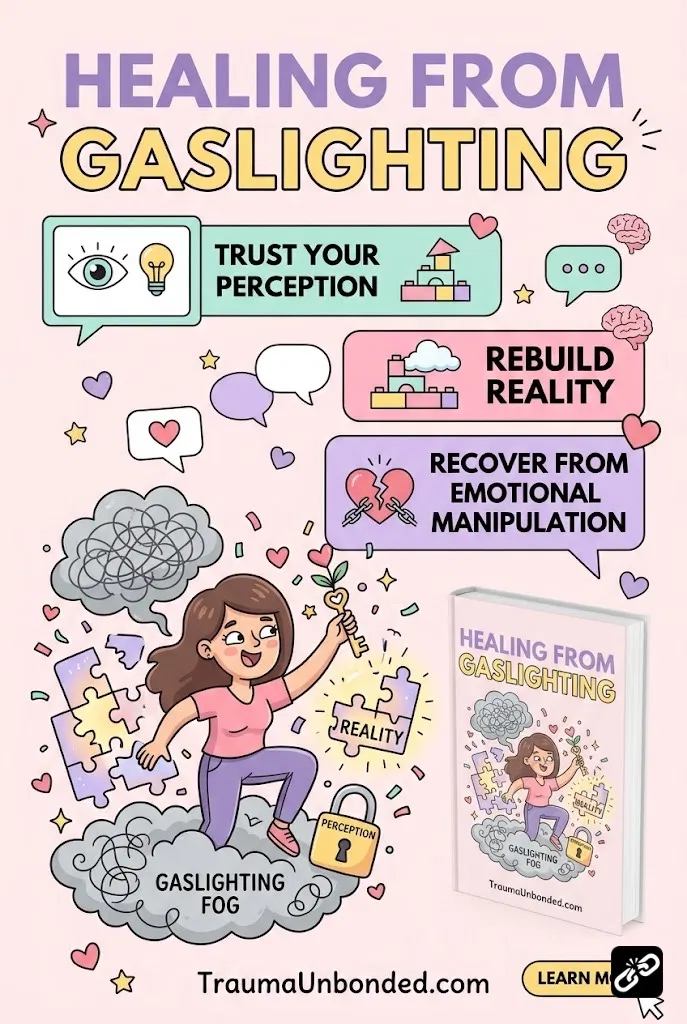
If you find yourself stuck in a loop of questioning your own memories and feeling like you can’t trust your own judgment, you need a structured way to ground yourself back in reality. Recovering from years of mental manipulation requires a map to find your way back to the truth.
To help you stop the mental tailspin and finally feel solid in your own shoes again, I highly recommend using this specific roadmap for rebuilding your internal trust.
Rebuilding Trust in Your Own Mind
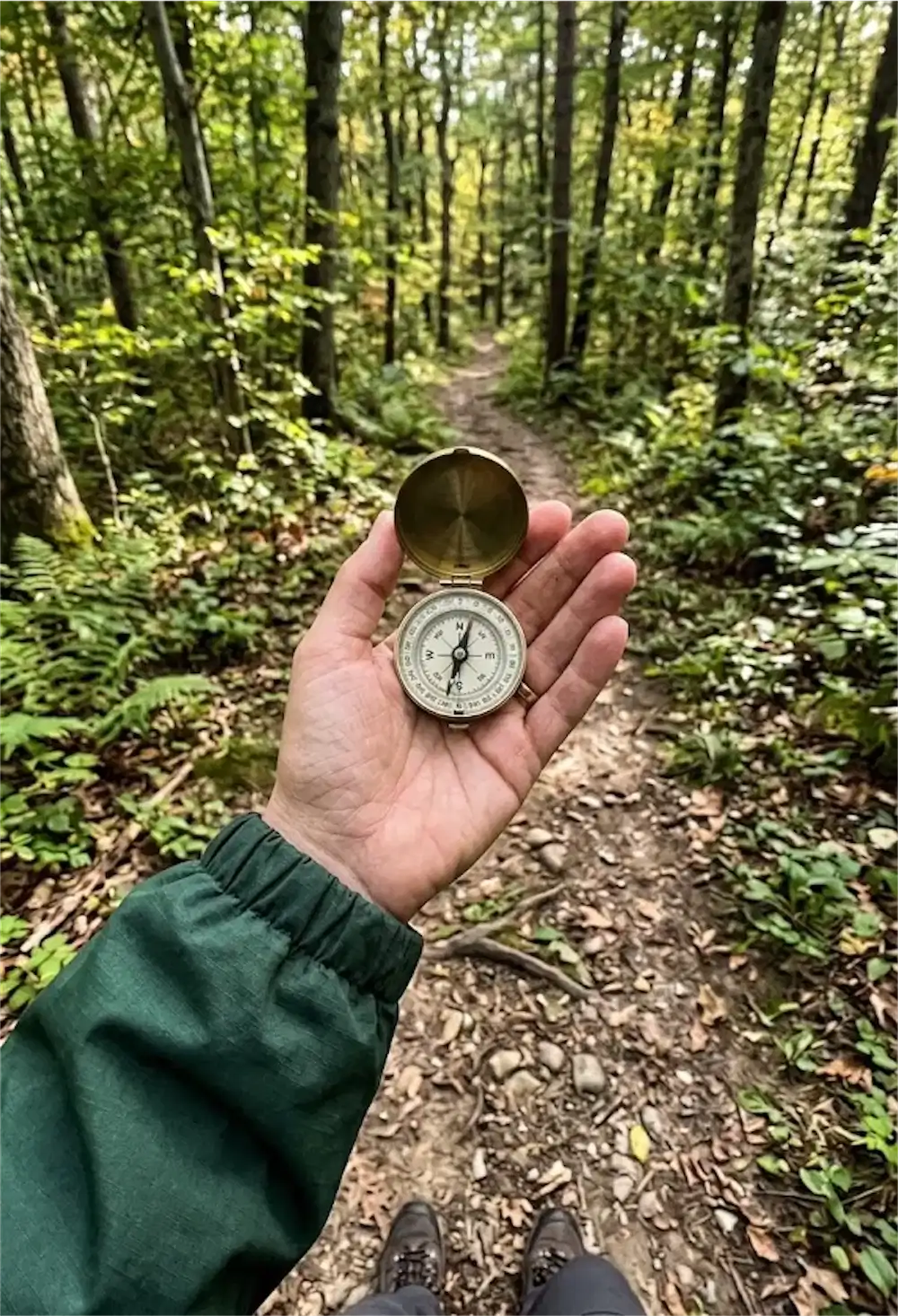
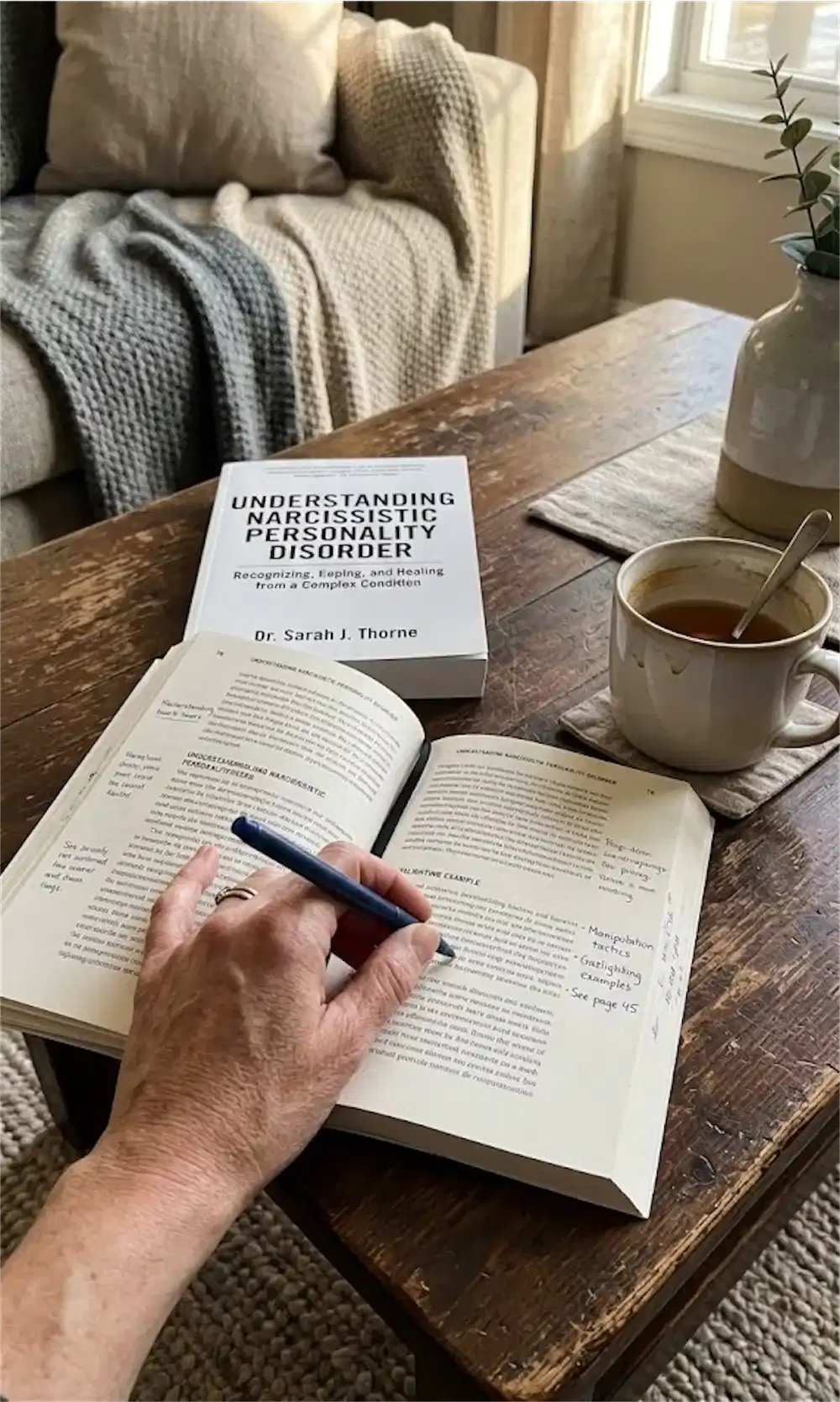
How do you start trusting yourself after a decade of being told you are “crazy”? You start with radical honesty. I started keeping a journal where I wrote down facts, not feelings. If I felt a wave of self-doubt about why the relationship ended, I would read my list of “reasons why I left.” This helped counter the fading affect bias, which is our brain’s tendency to forget the bad times and only remember the “love bombing” phases. When you have a written record of the gaslighting and the triangulation, it is much harder for the narcissist’s voice in your head to win the argument.
Another powerful tool is somatic grounding. When paralysis hits, your body is usually in a “freeze” state. I learned through professional therapy that I had to physically move my body to tell my brain I was safe. Sometimes this meant just walking to the mailbox or doing simple stretching. If you are stuck in trauma-informed healing, you realize that the mind follows the body. You cannot “think” your way out of paralysis; you have to “act” your way out of it. Start with things that have zero stakes. Choose a new color for a pillowcase. Try a different route to work. Prove to your brain that nothing bad happens when you make a choice.
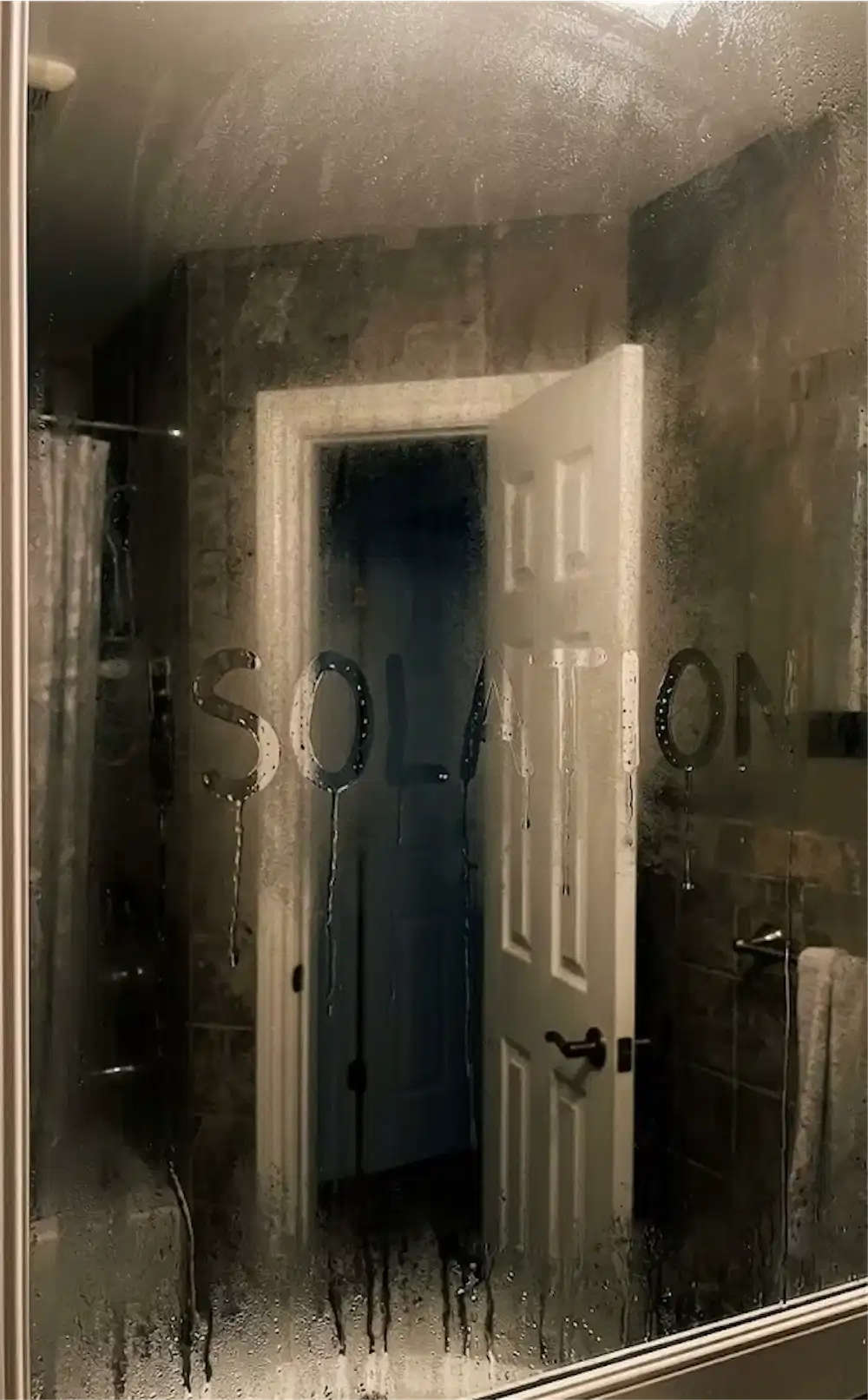
Over time, these small wins accumulate. I remember the first time I went to a movie alone. I was terrified people were looking at me, judging me for being isolated. But the more I did it, the more I realized that independence was my new superpower. My “original self” was someone who loved art and loud music. I had buried her deep to survive the NPD/BPD chaos. Digging her back up was messy and scary, but it was the only way back to a life that felt worth living. Are you ready to meet the person you were before the trauma took over?
Healing the Trauma Bond Addiction
You must treat your recovery like a detox from a powerful drug. The highs and lows of a toxic relationship create a biochemical addiction to cortisol and dopamine. When the relationship ends, you go through literal withdrawal. This withdrawal manifests as obsessive rumination and intense self-doubt. You might find yourself checking their social media or wondering if they have changed for someone else. This is just the “addict” brain looking for a fix. Understanding this helped me stop blaming myself for feeling weak.
I had to implement a strict no-contact rule to let my brain chemistry stabilize. This meant blocking the ex and their “flying monkeys.” It also meant staying away from places that triggered memories of the 12-year cycle. Without the constant hoovering and manipulation, my mind finally had the space to heal. It took months, but eventually, the fog started to lift. I stopped waking up with that heavy feeling in my chest. I started looking forward to the day instead of just trying to survive it. Peace is possible, but it requires a commitment to your own mental health above all else.
Moving from Survival to Living
Transitioning from a survivor to a person who is thriving is not a straight line. There will be days when the post-narcissist paralysis returns. Maybe a certain song plays, or you see someone who looks like your ex. On those days, I have to remind myself how far I have come. I am no longer that isolated person with no hobbies. Today, I have a support system of friends who actually care about my well-being. I have reclaimed the optimism that I thought was gone forever. You aren’t “broken” because of what happened; you are simply in a period of restructuring.
If you are still in the thick of it, please be patient with yourself. You didn’t lose your identity overnight, and you won’t find it all at once either. It took me 12 years to lose myself and a few years of hard work to find myself again. But the version of me that exists now is even stronger than the original. I have boundaries now. I know how to spot red flags from a mile away. I trust my gut because I know what happens when I ignore it. That is the gift of trauma recovery; it gives you a level of self-awareness that most people never achieve.
The most important thing you can do today is one small thing that is just for you. Not for your kids, not for your job, and certainly not for an ex who didn’t deserve you. Buy that book you’ve wanted to read. Take a long bath. Sit in the sun for ten minutes. These are the building blocks of a new life. The paralysis will break the moment you decide that your comfort matters more than your fear. You have spent long enough living in someone else’s shadow. It is time to step out and see how bright the world actually is when you aren’t squinting through the pain.
Remember that you are not alone in this. There is a whole community of survivors who understand exactly the kind of silent battle you are fighting. Your intuition is not dead; it is just quiet. If you listen closely, it is telling you that you deserve peace, safety, and a life full of joy. If you need help silencing the voice of your abuser and regaining your clarity, take a look at our Healing from Gaslighting guide. You have the strength to rebuild, and you don’t have to do it all in one day. Just take the next smallest step.

Meet Your Guide
Helen Brooks
After surviving a 12-year NPD/BPD relationship, I dedicated over a decade to studying trauma bonding and nervous system recovery. My mission is to help you break free from the fog and reclaim your authentic self.
Ready to break the trauma bond and reclaim your life?