Low Contact Strategy: How to Build Space When You Can’t Leave
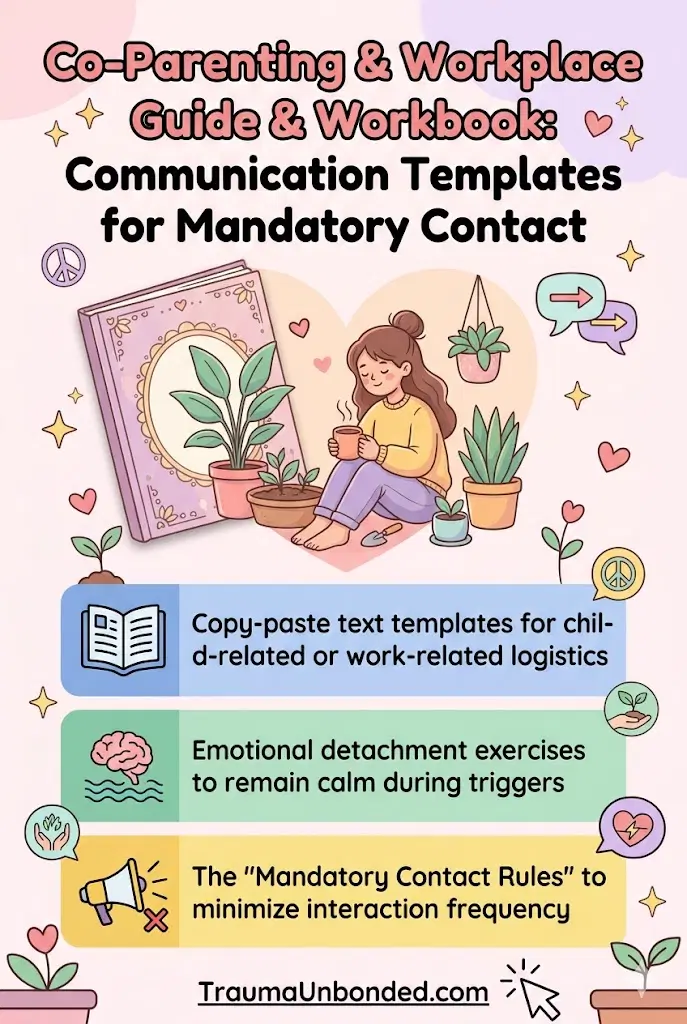
Low contact strategy is the most practical path to sanity when you are dealing with a toxic partner but cannot leave the house or the situation immediately. If you are stuck in a cycle of narcissistic abuse or BPD volatility, you know that no contact is the gold standard, yet it is not always possible. Maybe you have children together, a mortgage you cannot break, or a professional obligation that keeps you in their orbit. I spent twelve long years navigating a relationship filled with both NPD and BPD traits, feeling like my soul was being slowly erased. During those years, I had to learn how to build a fortress around my mind while still living in the same zip code as my tormentor. If you are looking for a way to breathe again, the Co-Parenting & Workplace Guide & Workbook offers the exact communication templates you need to survive mandatory contact.
How do you stay grounded when someone is constantly trying to pull you into their chaos? It starts with a shift in your internal perspective. For a decade, I thought I had to explain my feelings to be understood. I thought if I just used the right words, my partner would see the pain they caused. This was a trap. In a toxic relationship, your explanations are used as ammunition. A low contact strategy is about giving them as little “supply” as possible while maintaining the bare minimum of functional interaction. It is a protective wall, not a bridge for reconciliation.
When you start building space while living together, the environment will feel tense. You might feel a heavy sense of guilt or fear. This is normal. You are breaking a trauma bond that has been reinforced by years of intermittent reinforcement. I remember the literal physical weight in my chest every time I chose not to engage in an argument. It felt like I was failing, but in reality, I was finally winning. You are not being cold; you are being careful. You are protecting what is left of your “original self” so you can eventually make a clean break.
Managing Mandatory Communication Without the Drama
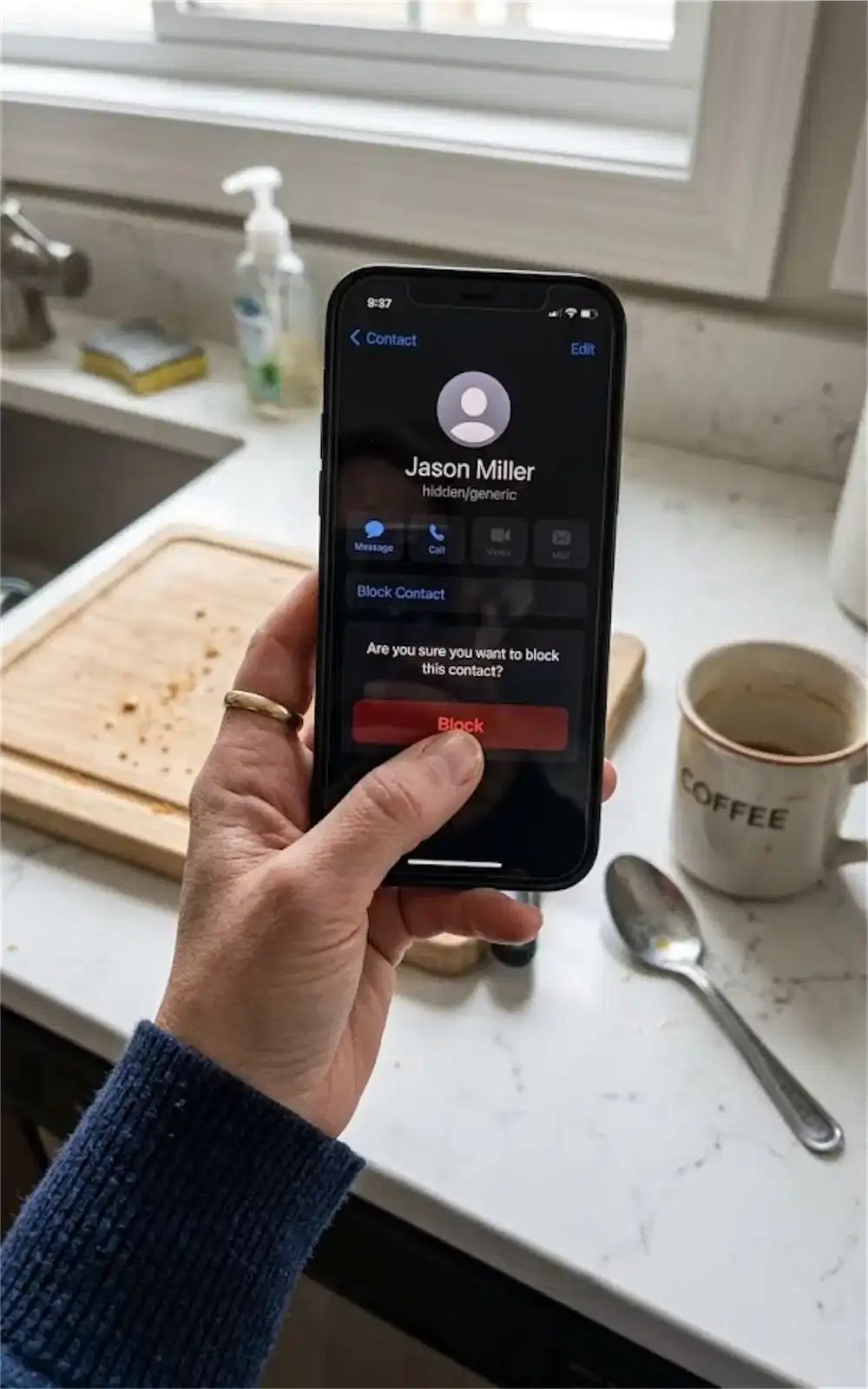
If you have to speak to them about the kids or bills, keep your messages “Brief, Informative, Friendly, and Firm.” This is often called the BIFF method. In my experience, the moment you add a single sentence about your feelings, the narcissist or the person with BPD traits will find a way to twist it. Do you find yourself typing out long paragraphs only to delete them? That is your intuition telling you that communication is futile. Stick to facts. Use a low contact strategy guide to help you map out these boundaries before the next confrontation happens.
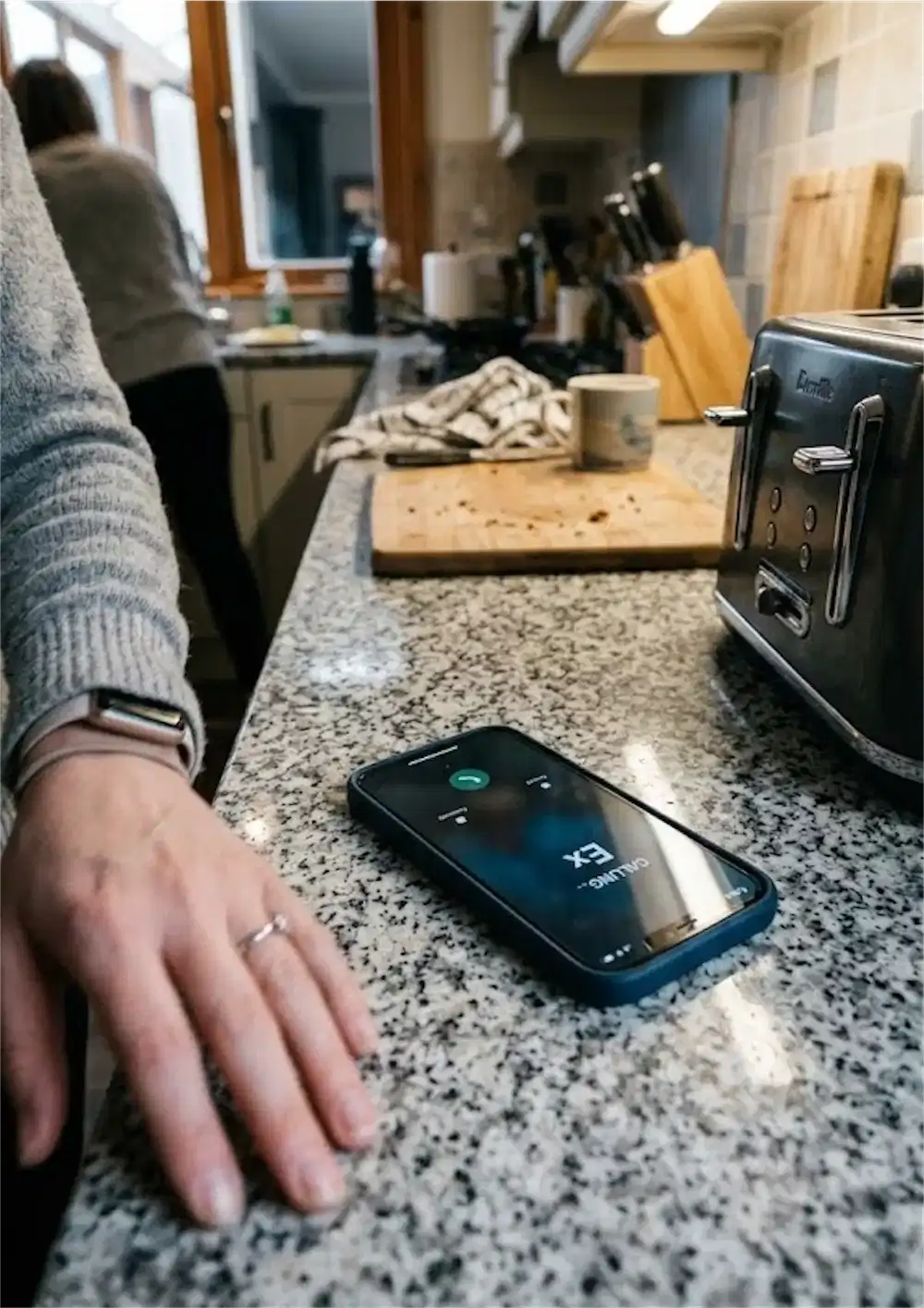
Grey rocking is your best friend during this phase. This means becoming as uninteresting as a plain grey rock. When they try to provoke you with gaslighting, which is when they lie about reality to make you feel crazy, you respond with “I see” or “That is your opinion.” Do not defend yourself. When they use hoovering, which is their attempt to suck you back in with fake kindness or emergencies, stay neutral. I used to fall for the “emergency” texts every time. Eventually, I realized that most of those emergencies were just traps to see if I still cared. Learning to handle narcissist hoovering tactics is vital for your survival.
By removing your emotional response, you become a boring source of supply. Narcissists crave your anger just as much as they crave your praise. Both prove they still have power over you. When you go low contact, you are essentially telling them that their power has expired. It is a slow process, and they will likely ramp up their bad behavior at first to get a reaction. This is called an extinction burst. If you can hold the line during this period, the frequency of their attacks will eventually drop because they are no longer getting the “hit” of dopamine they get from your distress.
If you are struggling to keep your cool when the texts start flying or the face-to-face tension becomes unbearable, you need a structured plan. You don’t have to wing this alone. I have designed a specific resource that gives you the exact scripts and boundary-setting tools to handle these high-conflict situations without losing your peace of mind.
Emotional Detachment While Sharing a Space
Living with someone while practicing a low contact strategy feels like being a ghost in your own home. You are there physically, but your heart and mind are locked away in a safe place. This is where you focus on your own life exclusively. Start a new hobby, even if it is just reading books in your room. Reconnect with the friends you were isolated from. During my 12-year relationship, I forgot what I liked to do for fun. I had to slowly re-learn that I enjoyed simple things like morning walks or drinking tea in silence. These small acts of self-care are actually acts of rebellion against the abuse.
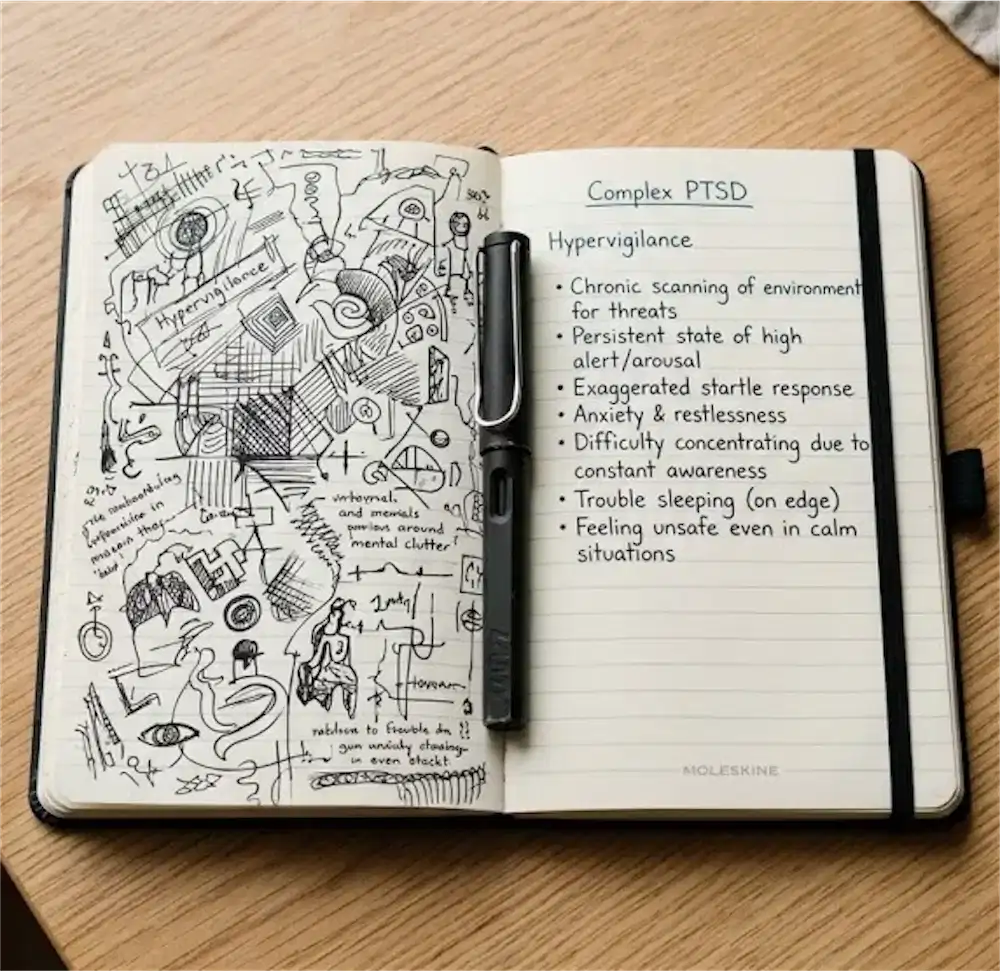
One of the hardest parts of this strategy is dealing with the silent treatment or splitting. In BPD relationships, splitting is when they see you as all-bad one moment and all-good the next. It is exhausting. When you go low contact, you stop riding the emotional rollercoaster. You accept that their view of you is distorted and has nothing to do with your true value. Do you often feel like you are walking on eggshells? Low contact is about putting on boots and realizing the floor isn’t as fragile as they want you to believe. You can refer to a grey rock coparenting guide to see how this works in practice when children are involved.
Stop looking for closure from them. You will never get it. In a toxic dynamic, “closure” is just another word for one last argument they want to win. Your closure comes from your own decision to disengage. It comes from the moments you choose your peace over being right. I spent years trying to get my ex to admit they were lying. It never happened. The day I stopped caring about their “truth” was the day I actually started healing. It felt like a heavy fog finally lifted from my brain, allowing me to see the exit sign that had been there all along.
The Role of Digital Boundaries
Your phone is often the biggest leak in your low contact strategy. If you are still living together or co-parenting, you must set strict times for checking messages. You do not need to respond to a non-emergency text at 11 PM. This is about retraining them to respect your time. If the messages are abusive, save them for legal records but do not reply. I used to have my heart race every time my phone buzzed. By setting a specific “notification sound” for the toxic person, I could prepare myself mentally before even looking at the screen. This small bit of control makes a huge difference in your daily stress levels.
Consider moving all communication to an app specifically designed for co-parenting if that applies to you. These apps keep a record that can be used in court and often discourage the “word salad” and rambling insults that happen in regular text threads. If you aren’t co-parenting but work together, keep everything on the company email system. The goal is to create a paper trail and a barrier. You want to make it as difficult as possible for them to access your emotions. When you limit the avenues of attack, you reclaim your mental energy for your own recovery.
Building Your Exit Plan in Silence
A low contact strategy is usually a bridge to eventually leaving. While you are practicing this, use your extra mental energy to plan your future. This is the time to get your finances in order, speak to a therapist who understands trauma bonds, and slowly move your sentimental items to a safe location. I did this over several months. Each small step made me feel more like the “cheerful, optimistic” person I used to be. It gave me a secret sense of purpose while I was still stuck in a miserable environment. You are not trapped; you are just in a waiting room.
Are you worried about what others will think? Toxic people often use smear campaigns to turn friends and family against you. In my 12-year ordeal, I lost people I thought were close to me. But here is the truth: the people who believe the lies without asking for your side were never truly your people. Low contact helps you see who is actually in your corner. Focus on the few who offer genuine support. As you get stronger, you will find that the opinions of “flying monkeys” or enablers matter less and less. You are rebuilding your life on a foundation of reality, not the shifting sands of a toxic person’s whims.
You can return to your original self. I am living proof of that. After over a decade of being told I was the problem, I found out through therapy and nervous system regulation that I was just a normal person reacting to an abnormal situation. Today, I am grounded and happy. You will get there too, one quiet boundary at a time. If you need help managing the inevitable pushback and the technical side of communicating with a high-conflict person, the Co-Parenting & Workplace Guide & Workbook is the best tool to keep in your pocket as you navigate these difficult waters.
Remember that every time you choose not to engage in a circular argument, you are winning. Every time you stay calm in the face of a BPD split or a narcissistic rage, you are taking a piece of yourself back. This strategy isn’t about changing them; it is about changing your reaction so they can no longer consume your life. You have the strength to do this because you have already survived the hardest part: the years you spent without any boundaries at all. Now, you are just learning how to build the walls that will eventually set you free.

Meet Your Guide
Helen Brooks
After surviving a 12-year NPD/BPD relationship, I dedicated over a decade to studying trauma bonding and nervous system recovery. My mission is to help you break free from the fog and reclaim your authentic self.
Ready to break the trauma bond and reclaim your life?