Leaving a Narcissist Checklist: Financial Escape Plan Blueprint
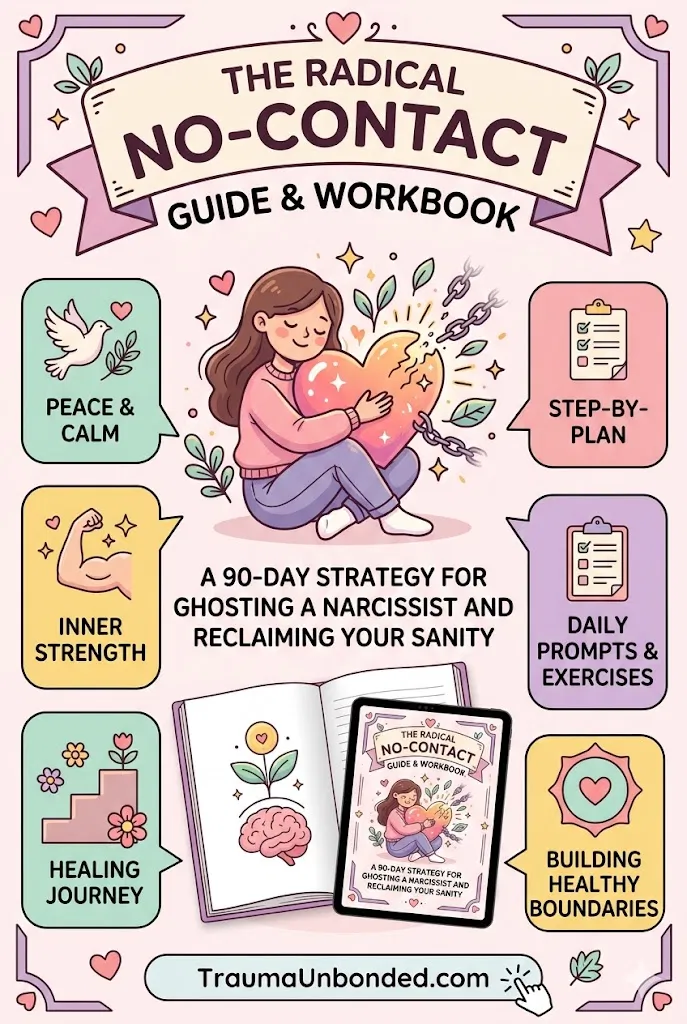
Leaving a narcissist checklist starts with a solid financial escape plan blueprint because economic control is often the final chain keeping you trapped in a toxic cycle. If you are wondering how to leave a narcissist when you have no money and nowhere to go, you are not alone, and there is a way out even when it feels impossible. I spent twelve years living in a relationship where my bank account was monitored and my self-worth was tied to how little I spent. I remember the paralyzing fear of looking at a zero balance while trying to plan a future. When you are dealing with a partner who has NPD or BPD traits, money is not just currency; it is a tool for isolation and dominance. Getting your life back requires a quiet, methodical strategy that protects your resources and your safety. To truly break free and stay away, you might need a Radical No-Contact Guide to help you navigate the emotional fallout while you secure your physical independence.
During my decade plus of toxic patterns, I lost my hobbies, my friends, and my sense of self. I was devastated and felt my life was miserable because I believed I was financially tethered to my abuser forever. However, through professional therapy and learning about trauma bonds, I realized that my partner used financial gaslighting to make me feel incompetent. They would tell me I was “bad with money” while they spent our savings on their own whims. Have you ever felt like you had to ask permission to buy a cup of coffee or a new pair of socks? That is not a partnership; it is a hostage situation. This blueprint is designed to help you reclaim your agency so you can return to your original, cheerful self, just as I did.
Identify the Signs of Financial Abuse and Economic Control
Before you can execute a narcissist financial escape plan, you must recognize the subtle ways they have limited your access to funds. Financial abuse is rarely about a lack of money; it is about the distribution of power. In my experience, this looked like “shared” accounts that I could not actually access or being forced to quit a job I loved because it made my partner feel insecure. They want you to believe that you cannot survive without them. Do you find yourself hiding receipts or feeling a pit in your stomach when a bill arrives? This is your intuition telling you that your survival is being used as a bargaining chip.
Economic control often goes hand-in-hand with the cycle of idealization and devaluation. One day they are “taking care of everything” to make you feel safe, and the next, they are threatening to cut you off because you “don’t appreciate them.” This creates a deep sense of instability. To counter this, you must start looking at your finances through a lens of cold, hard facts. You are not “bad with money.” You have simply been denied the right to manage your own life. Recovery starts the moment you stop believing their narrative and start looking at your own bank statements in secret.
Gather Your Essential Financial Documents in Secret
The first practical step in your financial escape plan blueprint is information gathering. You need a clear picture of what you own and what you owe. In a high-conflict relationship, documents often “go missing” right when you need them most. I remember searching through old shoeboxes in the middle of the night just to find my own birth certificate. You need to be faster and quieter than they are. If you are planning to divorce a narcissist, having these papers ready will save you months of legal headaches and thousands in fees.
Create a “go-bag” for your data. This should include copies of tax returns, bank statements for the last two years, mortgage or lease agreements, and any records of joint debt. If you cannot take the physical papers without raising suspicion, use a mobile scanning app to take photos of them. Upload these images to a secure, encrypted cloud storage account that your partner does not know exists. Use a completely new email address for this. Do not use your birthday or a common pet’s name as a password. Use a string of random words that have no connection to your shared life.
Securing Your Digital Footprint and Privacy
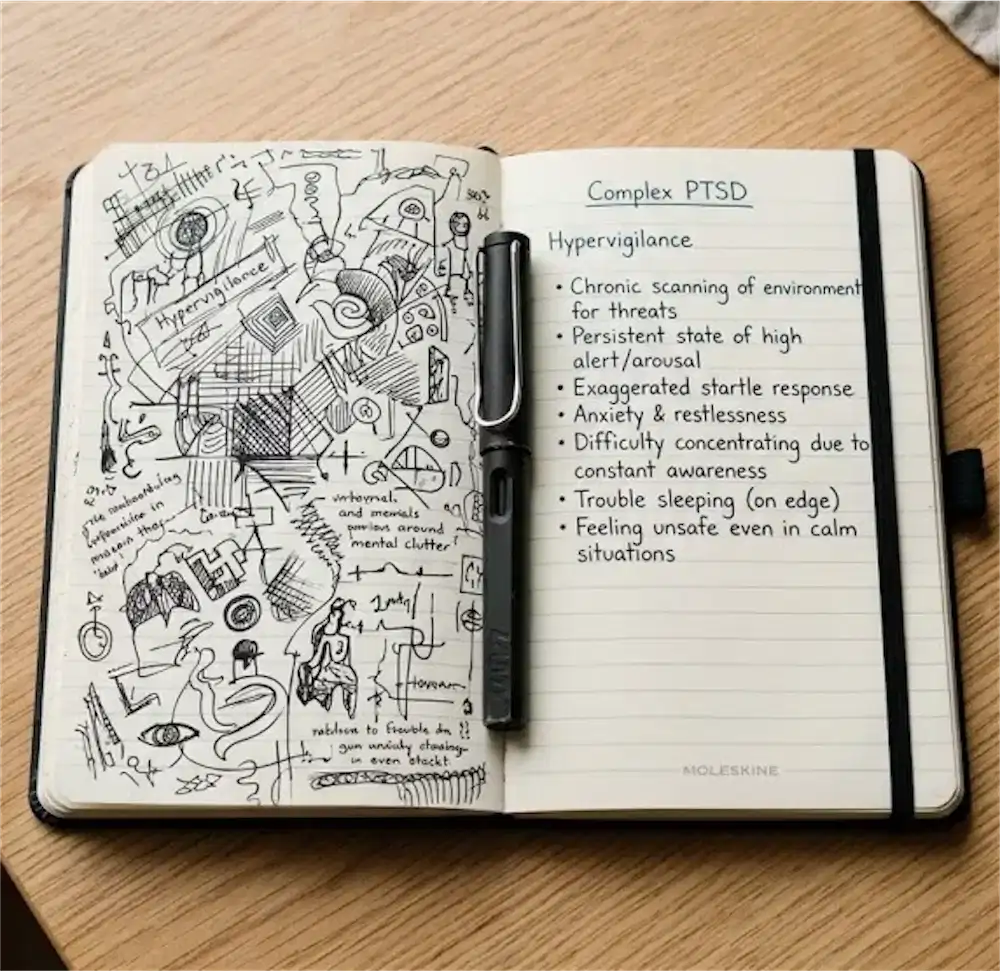
Narcissists and those with BPD traits are often hyper-vigilant about their partner’s movements. If they suspect you are pulling away, they may check your browser history or track your phone’s location. When you are researching how to leave a narcissist with no money, always use incognito mode or a library computer. If you have a shared cell phone plan, they can see which numbers you are calling. Consider getting a “burner” phone, a cheap prepaid device that you keep hidden and turned off until you need it for your escape plans. This small step can be the difference between a clean break and a dangerous confrontation.
Leaving a toxic situation is one of the hardest things you will ever do, but you do not have to do it without a map. Most survivors fail to stay away because the emotional pull is too strong. You need a structured way to handle the 90 days after you leave so you do not fall back into the trap of hoovering and false promises.
If you are ready to take the final step and ensure you never have to go back to that misery, this strategy guide is exactly what you need to protect your peace and your future.
Building Your Secret Escape Fund and Financial Independence
You cannot leave if you have no way to pay for a tank of gas or a night in a hotel. Building a secret fund is a core part of any narcissist financial escape plan. This is not about being “sneaky” in a healthy relationship; this is about survival in a toxic one. Start by getting cash back when you go to the grocery store. Five or ten dollars at a time might seem small, but over a few months, it adds up to a safety net. Hide this cash in a place they never look, like inside an old winter coat or at a trusted friend’s house.
If you can, open a new bank account at a completely different institution. Do not use the bank where you have your joint accounts. Opt for paperless statements and ensure the email associated with the account is your new, secret one. If you are currently unemployed, look into local domestic violence shelters or non-profits. Many offer small grants or micro-loans specifically for survivors who are starting over. I used to think those resources were for “other people,” but they are for anyone being controlled. Using them is a sign of strength, not a failure.
Create a Realistic Post-Exit Budget for Your New Life
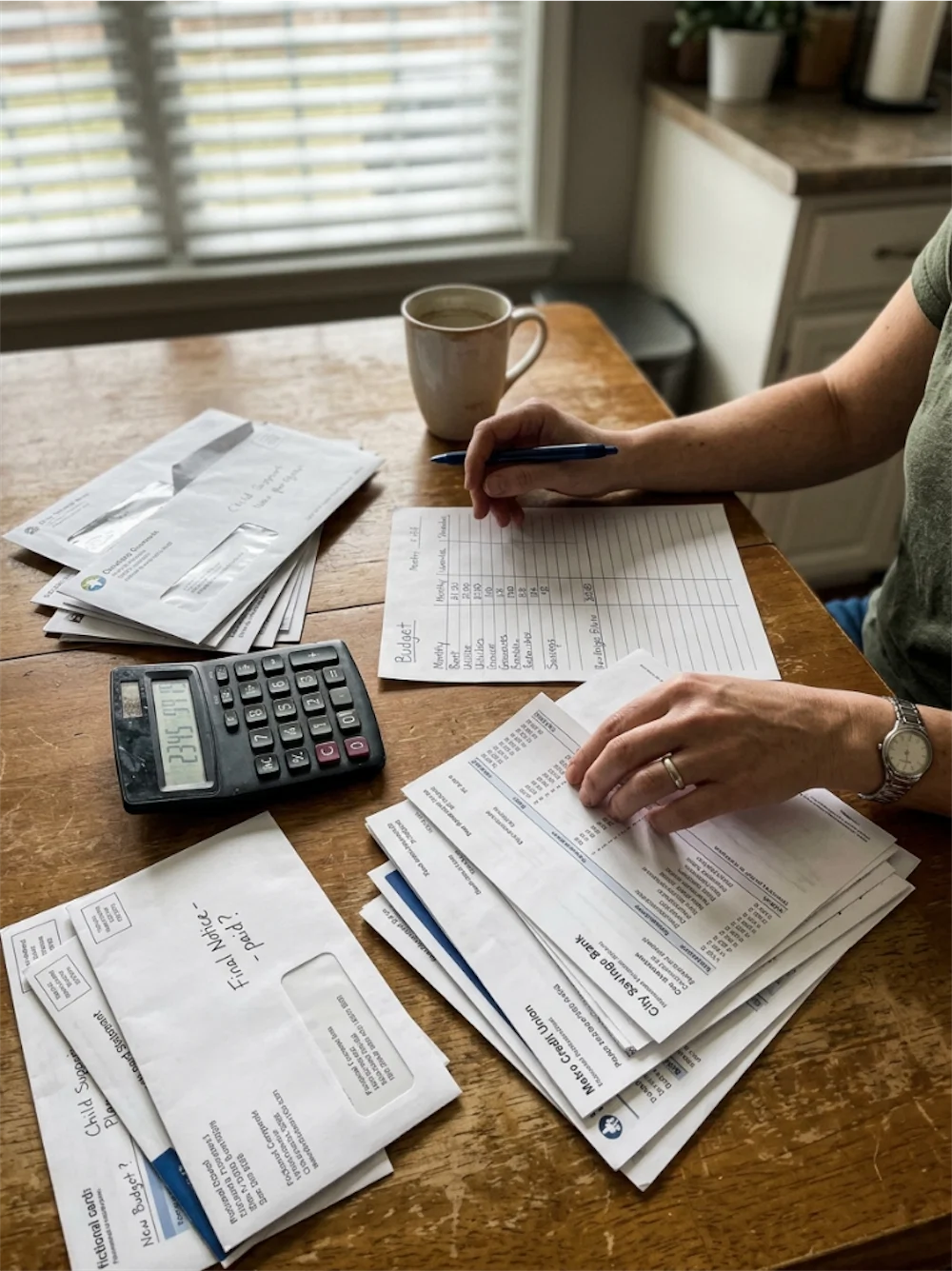
Leaving is the sprint; staying away is the marathon. To stay free, you need a narcissist financial escape plan that covers the first six months of your independence. Many survivors return to their abusers simply because they cannot afford their rent or groceries. Do not let that be your story. Map out your absolute minimum expenses. This includes rent, utilities, phone, food, and transportation. You might have to live in a smaller place or cut out luxuries for a while, but the taste of freedom is better than any expensive dinner in a house full of tension.
During my recovery, I had to learn how to be grounded and practical again. I started using a simple spreadsheet to track every penny. It felt like a chore at first, but it eventually became a source of pride. Seeing that I could support myself, even modestly, shattered the lies my ex-partner told me for twelve years. You are more capable than you have been led to believe. The “trauma brain” makes you feel small and helpless, but your “original self” knows how to solve problems. Use that inner mentor to guide your spending decisions.
Managing Shared Debts and Credit Scores
A common tactic in narcissist financial escape plan scenarios is for the abuser to ruin your credit score out of spite. If you have joint credit cards, call the companies and ask to be removed as an authorized user or to have the accounts frozen once you leave. You may need to speak with a credit counselor to help untangle the mess. Do not let the fear of a bad credit score keep you in a dangerous home. Credit can be rebuilt; your soul and sanity are much harder to repair once they are completely broken. Focus on your immediate safety first, and then tackle the debt one step at a time.
The journey from isolation to optimism is a path I have walked myself. It takes bravery to look at your bank account and admit you need a way out. By following this leaving a narcissist checklist, you are taking the power back into your own hands. You are no longer waiting for their permission to live your life. Start today by making one small, secret move toward your independence. Whether it is scanning a document or setting aside five dollars, every action counts toward your freedom. For more detailed support on the mental shift required to stay gone, I highly recommend checking out The Radical No-Contact Guide & Workbook to help you through those first critical months.
You deserve a life where you are not walking on eggshells about money or your safety. Your cheerful, grounded self is waiting for you on the other side of this plan. Take the first step now.

Meet Your Guide
Helen Brooks
After surviving a 12-year NPD/BPD relationship, I dedicated over a decade to studying trauma bonding and nervous system recovery. My mission is to help you break free from the fog and reclaim your authentic self.
Ready to break the trauma bond and reclaim your life?