Healing Journey Alone: Managing the Loneliness of Recovery
Healing journey alone is often the hardest part of walking away from a toxic partner. When you spend twelve years with someone who has NPD and BPD traits, your world becomes very small. Managing the loneliness of recovery feels like a full time job because the silence is suddenly deafening. I remember sitting in my empty apartment after my long term relationship ended, wondering where everyone went. My friends were gone, my hobbies were forgotten, and I felt like a ghost in my own life. Does that sound familiar to you right now?
You might be searching for how to handle loneliness after narcissistic abuse because the void feels impossible to fill. In my experience, the isolation wasn’t an accident. It was a slow process of being cut off from anyone who could offer a reality check. Recovery isn’t just about missing an ex; it is about facing the fact that you have to rebuild your entire identity from scratch. It is a heavy burden to carry, but you can find your way back to yourself. If you are struggling with the silence, you might find comfort in a Trauma Bond Recovery Guide to help navigate these early, quiet days.
Why the Loneliness of Recovery Feels So Heavy
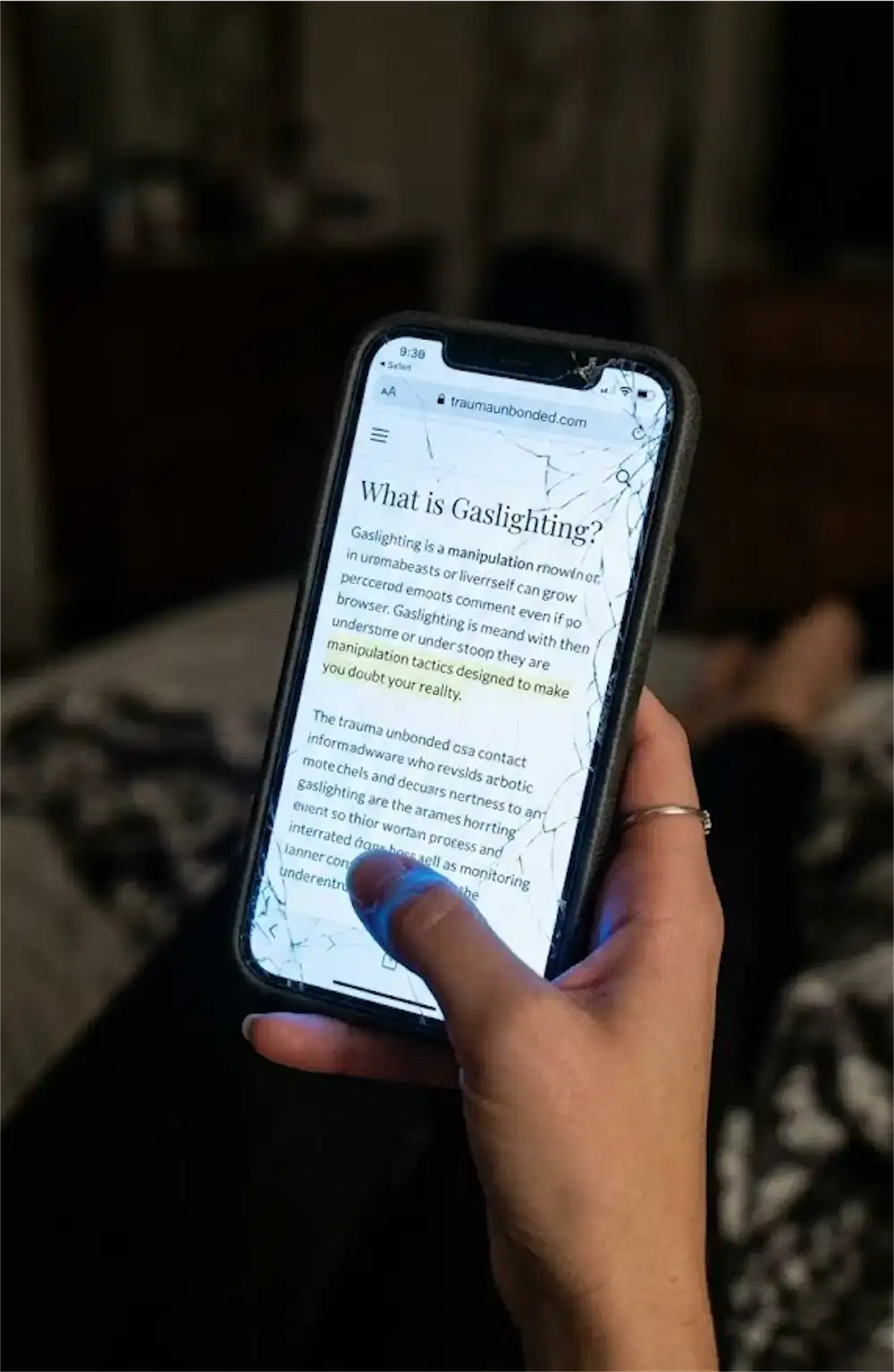
After a twelve year relationship filled with chaos and emotional volatility, peace can actually feel painful. We get used to the constant drama, the gaslighting, and the intermittent reinforcement. Gaslighting is when they make you doubt your own memory or sanity, and after a decade, you stop trusting your own brain. When that noise stops, the silence feels like a physical weight. You aren’t just lonely for company; you are experiencing trauma bond withdrawal. Your brain is literally craving the chemical spikes that the toxic relationship provided.
I spent years being the primary caretaker for a partner with Borderline Personality Disorder. My entire day was spent managing their moods and walking on eggshells to avoid an explosion. When I finally left, I didn’t know what to do with my hands or my thoughts. I had been isolated from friends for so long that my phone never rang. This type of social isolation is a common tactic used by abusers to keep you dependent. They make themselves your entire world, and then they leave you in a vacuum. How do you start over when you feel like there is nothing left of the person you used to be?
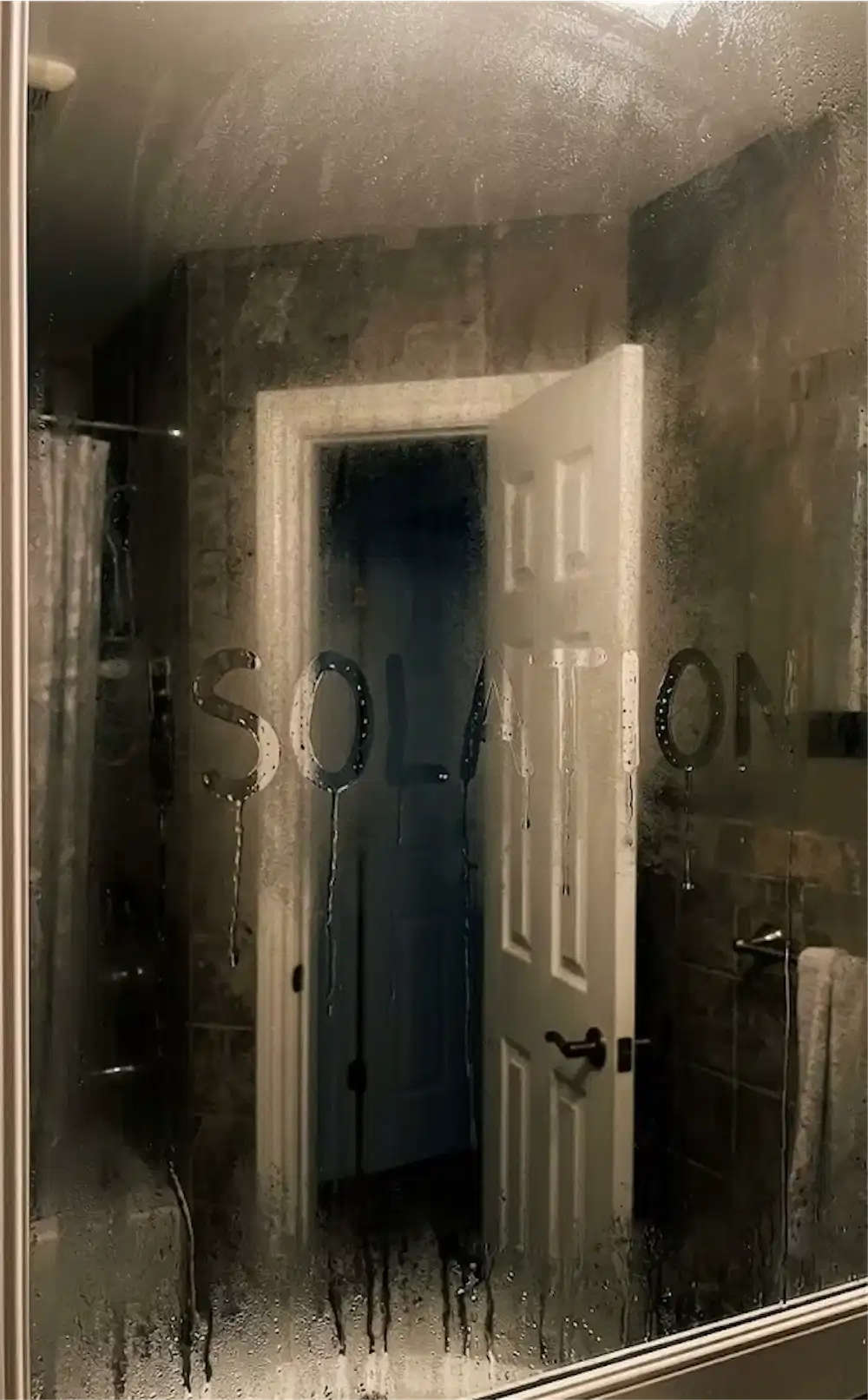
The Reality of Losing Your Social Circle
One of the most painful parts of a toxic breakup is realizing how many people you lost along the way. During my twelve years in the fire, I stopped showing up for my friends. I was too tired, too embarrassed, or too busy defending my ex. When I came out the other side, many of those bridges were burned. Dealing with mutual friends after a breakup is another layer of stress. You might see them hanging out with the person who broke you, which feels like a second betrayal. It makes the healing journey alone feel even more permanent.
I had to accept that some people simply won’t understand the narcissistic abuse recovery process. They might tell you to “just get over it” or ask why you stayed so long. These comments can make you want to retreat even further into your shell. I learned through professional therapy that codependency played a part in why I allowed my circle to shrink. I was so focused on my partner’s needs that I let my own support system wither away. Rebuilding that system takes time, and it starts with being your own best friend first. If you want to understand how to bridge this gap, healing loneliness after abuse is a necessary step in your roadmap.
If you are feeling stuck in the cycle of missing the person who hurt you, it is likely because your brain is still wired for the addiction of the trauma bond. Taking back your power requires a structured plan to break those old habits and stop the obsessive thoughts that keep you lonely and trapped in the past.
Managing the Void and Finding Your Original Self
When you are recovering from BPD abuse alone, the days can feel incredibly long. I used to fill every second with work or cleaning just to avoid the thoughts in my head. But healing requires sitting with that discomfort. I had to ask myself: who was I before I met them? Before the twelve years of narcissistic supply and emotional abuse, I was cheerful and optimistic. I liked hiking and reading, things I completely stopped doing because my ex didn’t approve or they took up too much “we time.”
Finding your original self is a slow discovery. Start with small wins. I remember the first time I went to a cafe alone and didn’t feel anxious about checking my phone for a “where are you” text. It felt strange, almost wrong, to have that much freedom. That is the trauma bond trying to pull you back into the cage. You have to practice being alone without being lonely. This means filling your space with things that make you feel grounded, like a morning routine or a new hobby that is just for you. Do you remember what you used to love before the storm started?
Practical Steps to Handle Loneliness Every Day
Managing the loneliness of recovery requires a toolkit of coping strategies. You cannot just wait for the feeling to go away; you have to actively engage with your life. One thing that helped me was trauma informed therapy. Understanding the mechanics of codependency helped me realize that my loneliness was actually a form of withdrawal from a toxic drug. I also started journaling. Writing down the reality of what happened helped combat the cognitive dissonance that made me miss my ex. Cognitive dissonance is when your brain holds two conflicting truths: that they loved you and that they destroyed you.
Another practical step is digital boundaries. Stop checking their social media. Every time you see a photo of them looking happy, it resets your healing clock. No contact is not just about not talking to them; it is about protecting your mental space from their ghost. I also found that physical movement helped process the stored trauma in my body. Even a twenty minute walk can help lower the high cortisol levels that come with chronic stress. You are retraining your nervous system to feel safe in the quiet.
Rebuilding Trust and Connection on Your Terms
Eventually, you will feel ready to let people back in. But this time, it will be different. Because of what you went through, you now have stronger boundaries. You know what red flags look like. In my twelve year relationship, I ignored every warning sign because I wanted to be a “fixer.” Now, I value my peace more than I value being needed. I started by joining a local hobby group where no one knew my history. It allowed me to practice being the new, grounded version of myself without the weight of my past.
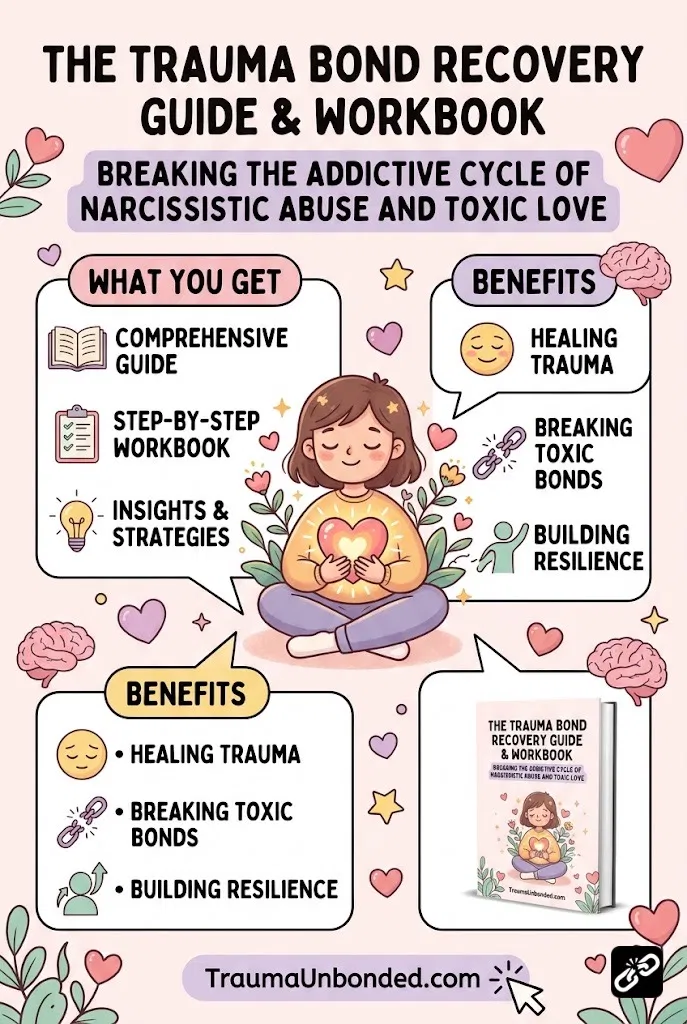
Loneliness is a season, not a life sentence. Even though it feels like you are the only person in the world going through this, you aren’t. There is a whole community of survivors who understand exactly how much it hurts to walk away from a trauma bond. You are learning how to be whole without a partner, which is the most valuable skill you will ever have. The loneliness of recovery is actually the birthplace of your new life. It is where you decide that you are enough, all by yourself. For a deep dive into breaking these cycles, check out the Trauma Bond Recovery Guide & Workbook today.
The biggest takeaway from this journey is that the quiet you fear is actually your greatest ally. It is the space where you can finally hear your own voice again, without the interference of someone else’s chaos. Take it one day at a time, be patient with your grief, and remember that you have already done the hardest part: you left.

Meet Your Guide
Helen Brooks
After surviving a 12-year NPD/BPD relationship, I dedicated over a decade to studying trauma bonding and nervous system recovery. My mission is to help you break free from the fog and reclaim your authentic self.
Ready to break the trauma bond and reclaim your life?