Creating a Personal Mission Statement to Rebuild Your Identity Post-Abuse
Creating a personal mission statement is a highly powerful strategy to rebuild your identity post-abuse and reclaim a life that feels entirely yours. If you are searching for how to find yourself after narcissistic abuse, you are likely dealing with deep disorientation and a total loss of personal boundaries. When you escape a toxic dynamic, you often carry a profound sense of confusion, wondering who you actually are without the constant storm of someone else’s demands.
During my own 12-year toxic relationship with a partner who displayed severe NPD and BPD traits, my identity evaporated. I completely stopped playing music, let my friendships wither away, and had no hobbies left because my entire existence revolved around predicting the next explosion. If you are currently feeling isolated and struggling to find your footing, using a structured tool like The Codependency Recovery Plan can help you remember your own worth and step out of the fog.
Reclaiming your life requires more than just waiting for time to pass. It requires a conscious decision to write a new script for yourself. Let us explore how you can craft a deeply personal roadmap to navigate this healing process.
Why You Need a Grounding Vision for Your New Life
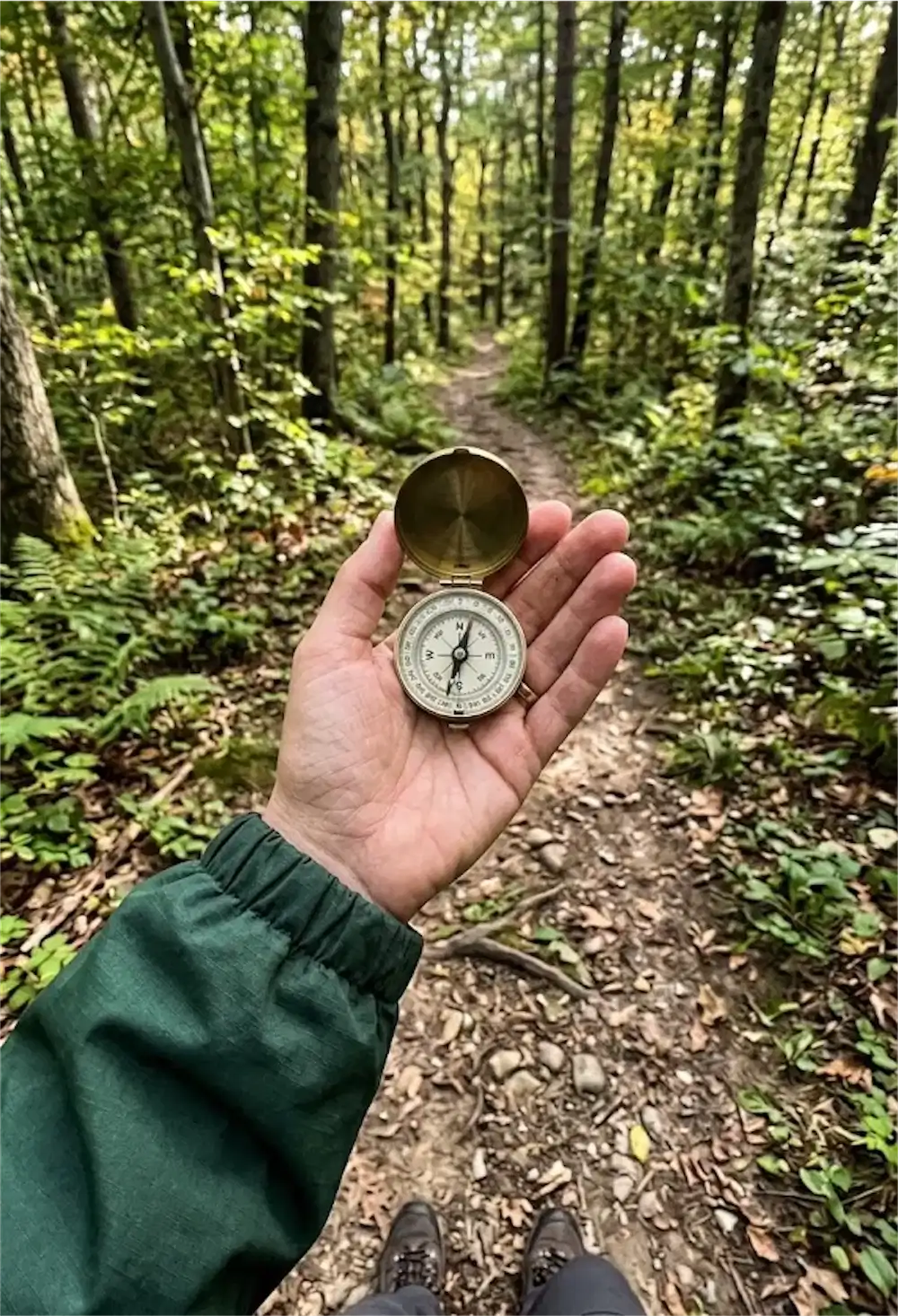
A personal mission statement post-abuse is a concise, written declaration of your core values, boundaries, and intentions that serves as an emotional compass to protect your energy and guide your recovery decisions.
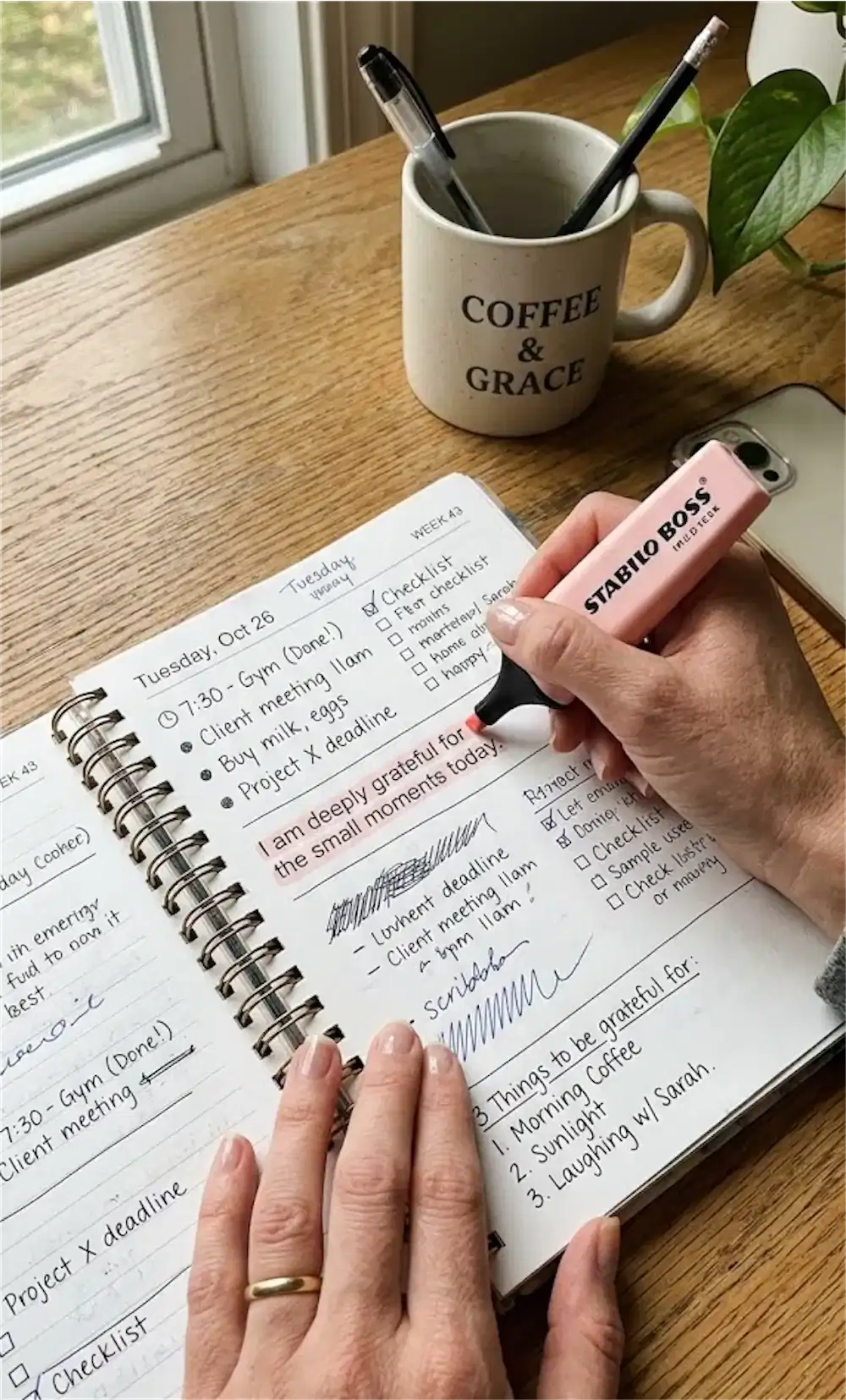
When you are recovering from a long-term toxic partnership, your brain is accustomed to living in survival mode. You are used to reacting to emergencies rather than planning for your own joy. A written mission statement acts as a physical anchor for your mind, keeping you steady when self-doubt creeps back in.
Do you find yourself constantly second-guessing your choices? In my recovery, I realized that without a clear vision, I kept drifting back toward people-pleasing habits. Writing down my core intentions gave me a simple checklist to measure every new opportunity, friendship, and boundary against.
How Abuse Erases Your Sense of Self
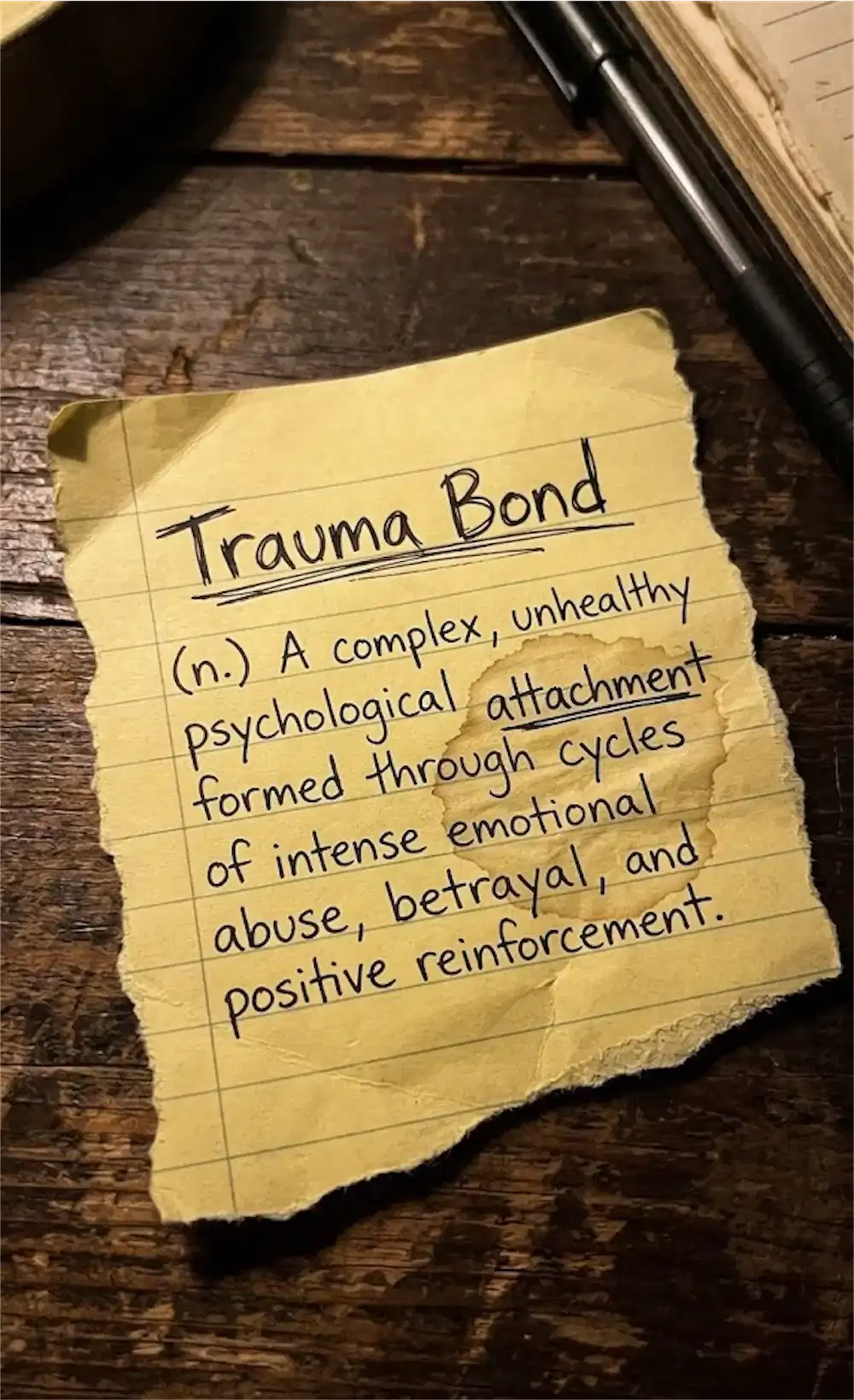
Narcissistic and borderline abuse works like a slow poison. Over a decade of walking on eggshells, my partner’s needs slowly replaced mine until my own thoughts felt foreign. Gaslighting made me doubt my memory, while intermittent validation kept me hooked on a chaotic loop.
This systematic erosion is why you might feel completely lost today. You were trained to believe that having your own desires was dangerous or selfish. To begin healing, you must understand that this emptiness is not permanent; it is simply the aftermath of a highly organized survival response.
If you are struggling with the sudden emptiness after the relationship ends, reading a structured guide on rebuilding your self-worth after a discard can help you make sense of this void. Rebuilding your self-concept starts by acknowledging that your identity was stolen, not lost forever.
The Best Tool to Map Your Personal Recovery
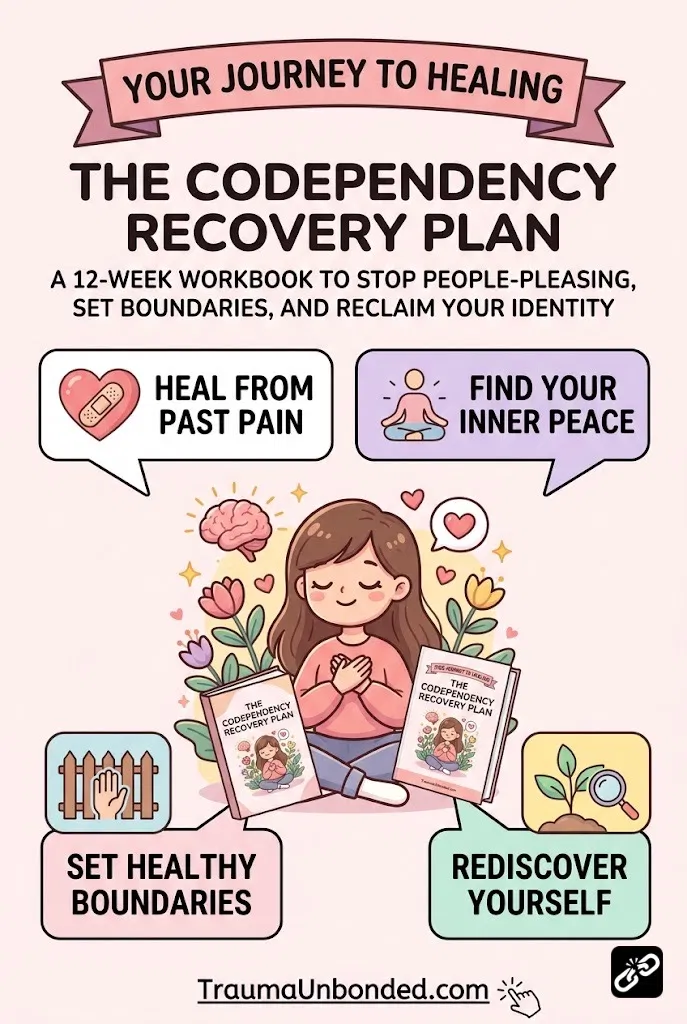
Reclaiming your voice requires a structured, step-by-step path that gently guides you out of codependency. If you want to stop walking on eggshells and build an unshakeable sense of self, this recovery workbook is designed to help you set firm boundaries and rediscover your passion.
Step-by-Step Guide to Writing Your Post-Abuse Mission Statement
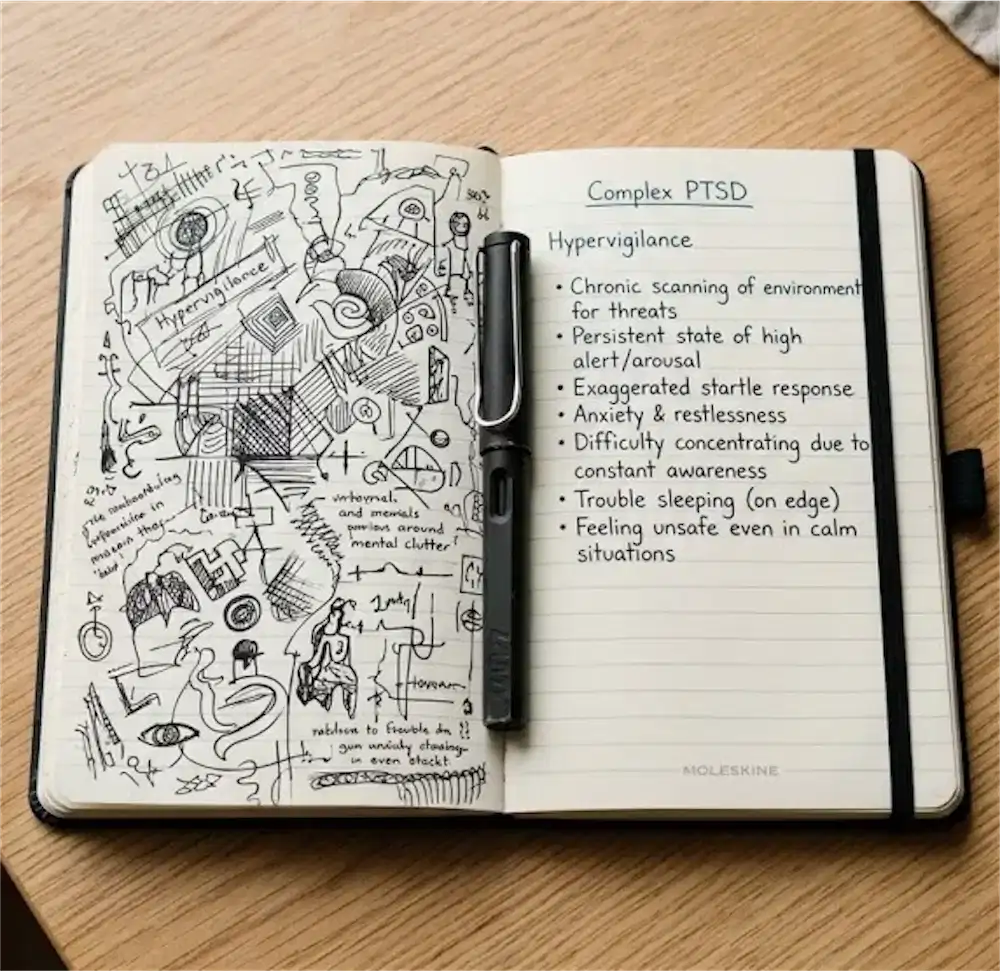
Crafting this statement is not about writing a long, complicated essay. It is about distilling your recovery goals into a few clear, actionable sentences. Grab a notebook, find a quiet space, and answer these simple questions to build your foundation.
- What are my non-negotiable core values? Identify three values that you will never sacrifice again, such as peace, honesty, or independence.
- What behaviors will I no longer tolerate? Write down your absolute limits, like yelling, silent treatments, or gaslighting.
- Who am I building this life for? Remind yourself that you are the main character of your story, not an assistant to someone else’s emotional chaos.
Once you have these answers, combine them into a simple template: “My mission is to live a life rooted in [values], where I protect my peace by [boundaries], and focus my energy on [personal goals].”
When I wrote my first draft in therapy, it felt incredibly awkward. I felt guilty for putting myself first. However, realizing you have a right to your own life is the turning point in breaking the freeze state. If you are struggling with deep-seated people-pleasing patterns, working through a shadow-work codependency guide can help you uncover and dismantle those hidden beliefs.
Living Your Mission Every Day
A mission statement is only useful if you actively use it to guide your actions. Read your statement every single morning before checking your phone, and let it filter your daily interactions.
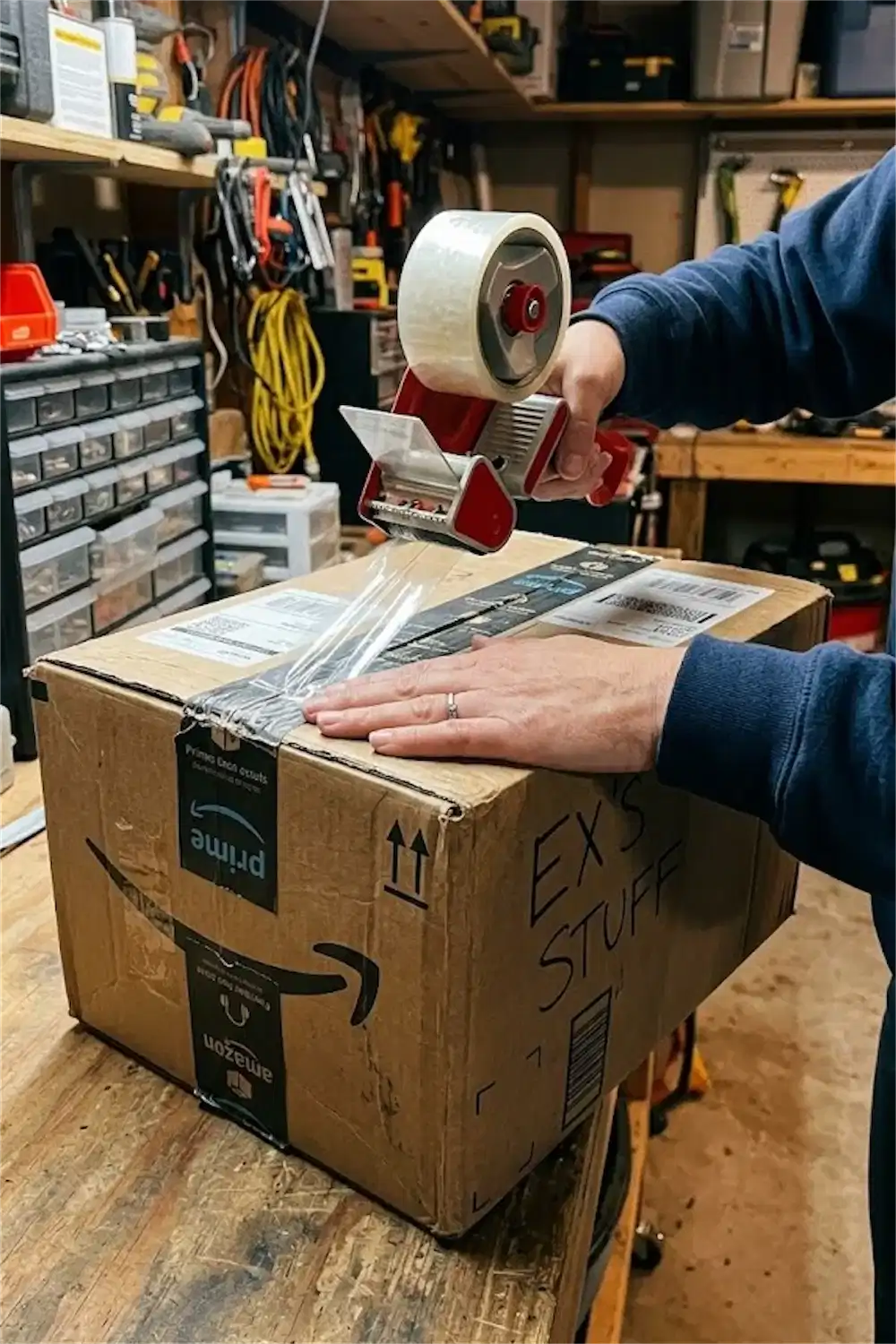
When a toxic ex attempts to breach your boundaries, or when a friend pressures you into something you do not want to do, hold their request up to your statement. Does this align with your commitment to peace? If the answer is no, then your response must be a clear and calm refusal.
Psychological research confirms that expressive writing practices are highly beneficial for restructuring your self-concept after trauma. According to a study on expressive writing published in Psychology Today, putting your deeper thoughts and intentions into written words helps lower cognitive anxiety and rebuilds physical well-being. This is not just a creative project; it is a clinical tool to retrain your nervous system.
As you move forward, expect some resistance from your own mind. Your brain has been wired for survival for so long that peace might feel unfamiliar or even boring at first. Be gentle with your progress as you follow your no-contact recovery roadmap and settle into your new reality.
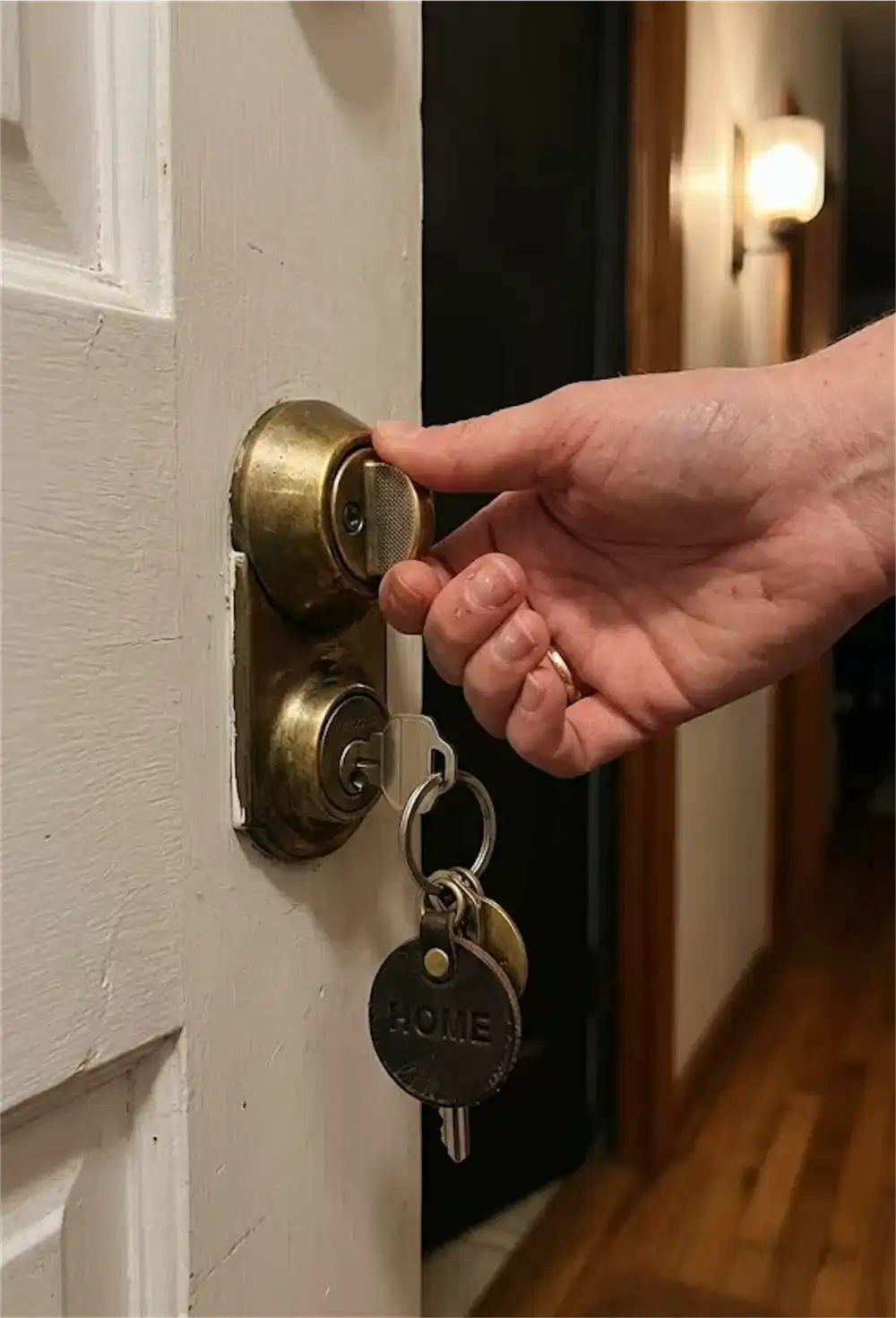
Rebuilding your identity is a slow, beautiful process of self-discovery. You are no longer defined by the chaos of a toxic partner, nor are you bound to their distorted projection of you. By putting your values on paper, you take the first real step toward becoming the optimistic, grounded version of yourself that was hidden for far too long.
If you are ready to stop letting your past dictate your future, take a look at The Codependency Recovery Plan today. This resource will give you the practical steps to silence the noise, set unbreakable boundaries, and finally construct a life you truly love.

Meet Your Guide
Helen Brooks
After surviving a 12-year NPD/BPD relationship, I dedicated over a decade to studying trauma bonding and nervous system recovery. My mission is to help you break free from the fog and reclaim your authentic self.
Ready to break the trauma bond and reclaim your life?