How to Practice Self-Compassion When You Want to Punish Yourself for Staying
Learning how to practice self-compassion when you want to punish yourself for staying is the most crucial step in healing from narcissistic abuse. After surviving a toxic relationship, you might find yourself asking why did I stay so long or feeling intense anger for not walking away sooner. If you are struggling with forgiving yourself after a toxic relationship, you are not alone in this silent, painful battle. Working through a structured recovery roadmap like The Codependency Recovery Plan can help you stop the self-punishment and rebuild your identity.
For twelve years, I stayed with a partner who exhibited a mix of narcissistic and borderline personality traits. When the relationship finally collapsed, I was a shell of my original self. I was completely isolated from my friends, had abandoned every hobby I once loved, and felt utterly miserable. I spent years beating myself up, wondering how someone who used to be so independent could allow themselves to be treated that way for over a decade.
It was only through professional therapy, learning about codependency, and understanding trauma bonds that I learned to stop punishing myself. Today, I am back to being my cheerful, optimistic, and grounded self. But getting here required a massive shift in how I spoke to my past self. Let us explore how you can begin showing yourself the mercy you deserve.
Why Do We Punish Ourselves for Staying in a Toxic Relationship?
Self-punishment after a toxic relationship happens because your brain uses self-blame as a coping mechanism to regain a sense of control over a situation where you were completely powerless. Accepting that you stayed out of survival, rather than weakness, is the first step toward releasing this internalized guilt.

When you look back at your time in an abusive relationship, you look at it with the clarity you have today. You see the red flags, the broken promises, and the moments you should have packed your bags. Because you see it so clearly now, you assume you should have seen it just as clearly then. This creates a painful gap between what you know now and what you were capable of processing back then.
Your brain tries to resolve the discomfort of having stayed in an unhealthy environment by blaming you. It feels safer to believe, “I was stupid for staying,” because that implies you had full choice and control. The truth is much harder to accept: you were dealing with highly sophisticated emotional manipulation that hijacked your normal responses.
If you find yourself constantly trapped in these mental loops, using self-forgiveness toxic relationship prompts can help you release this heavy weight. You cannot heal by beating up the version of you that was just trying to survive. Have you noticed how much energy you spend daily rehearsing your past mistakes?
The Biochemical Trap: Understanding Why You Couldn’t Just Leave
We often treat staying in a toxic relationship as a moral or intellectual failure. We tell ourselves that if we were smarter, stronger, or had more self-respect, we would have left on day one. But this completely ignores the biological reality of how trauma affects your brain. An abusive relationship is not just a series of bad arguments; it is a physical addiction.
As clinical research on neurochemical attachment in abusive relationships shows, a powerful cocktail of dopamine, oxytocin, and cortisol overrides our logical reasoning. The unpredictable cycle of extreme highs and devastating lows acts like a slot machine in your brain. You become biologically dependent on the moments of relief, which keeps you hooked despite the pain. This biological loop makes leaving incredibly difficult, regardless of your intelligence level.
During my twelve-year relationship, my body was constantly in fight-or-flight mode. I suffered from chronic fatigue, constant anxiety, and physical exhaustion. If you are experiencing similar symptoms, recognizing how your body was impacted is validating. Learning about toxic relationship health symptoms can help you see that your struggle was physical, not just emotional.
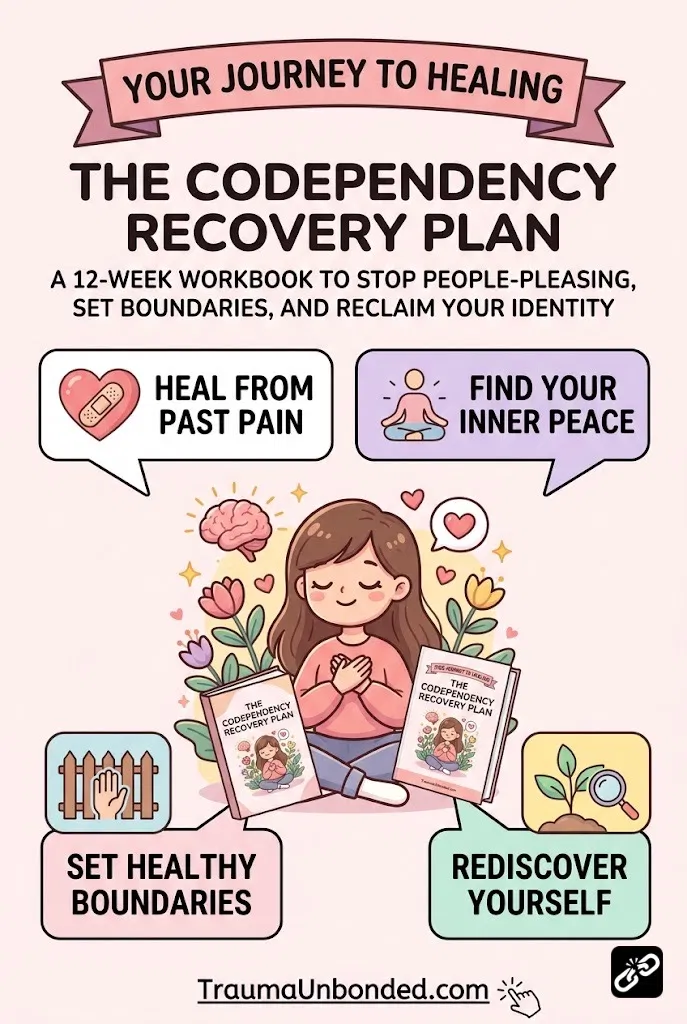
If you want to actively stop the endless cycle of guilt and regain your identity, working through a structured step-by-step roadmap is essential. To guide you through this emotional release and help you reclaim your personal boundaries, I recommend using this specialized recovery resource:
Rewriting Your Survival Story with Self-Compassion
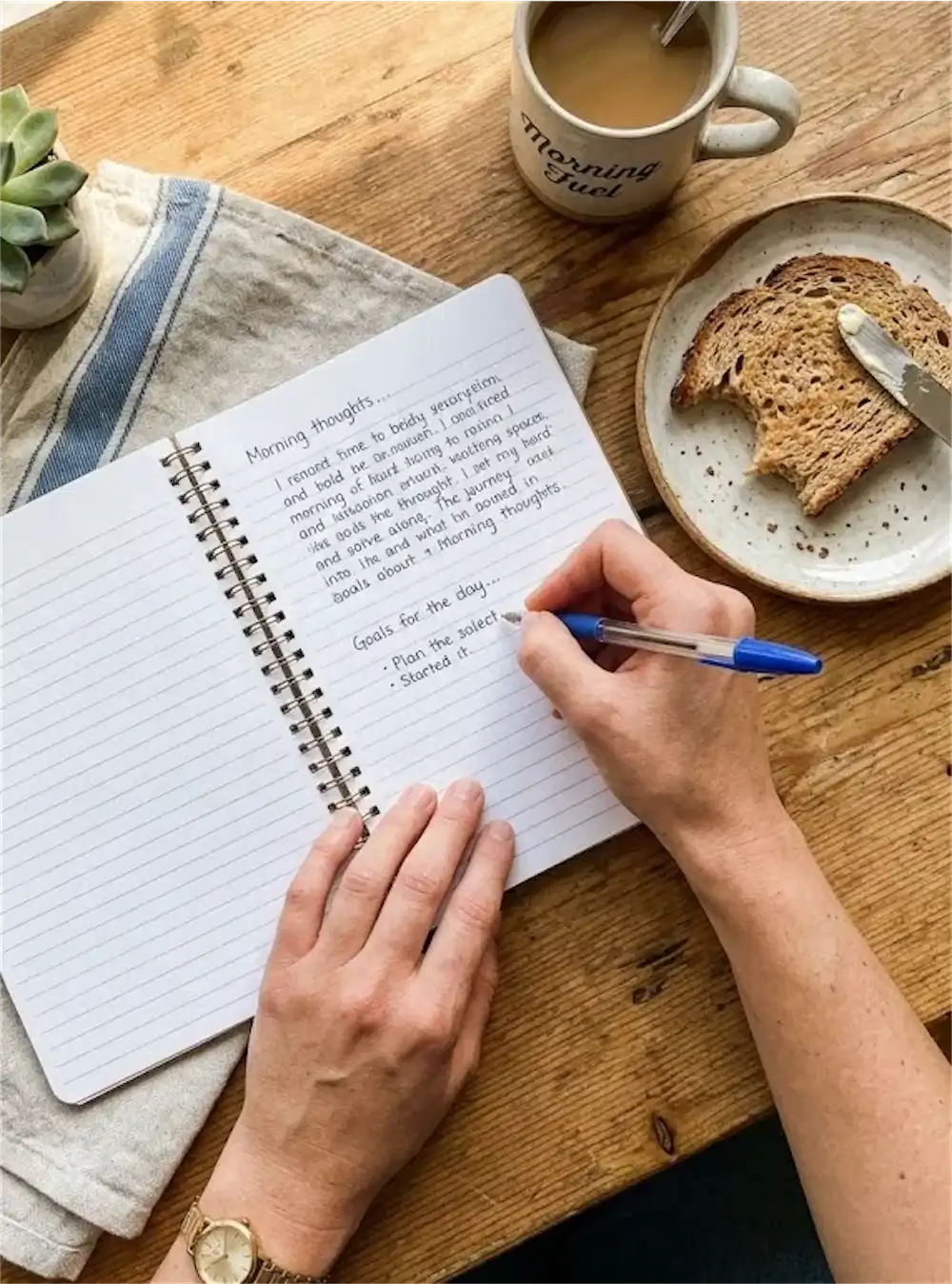
To begin the healing process, you have to change the narrative of why you stayed. The story you are likely telling yourself right now is one of weakness, gullibility, or lack of intelligence. You need to rewrite this story into one of survival, resilience, and adaptability. You did not stay because you were weak; you stayed because your nervous system was using every tool it had to keep you safe under extreme, unpredictable stress.
When you were living in that constant state of hypervigilance, your brain adapted to keep the peace. You learned to walk on eggshells, to anticipate their moods, and to minimize your own needs. These were not signs of weakness; they were advanced coping strategies. Your past self did the absolute best they could with the limited resources, energy, and information they had at the time.
Instead of looking at your past self with disgust, try looking at them with immense gratitude. That version of you endured years of emotional manipulation so that you could be here today, reading this, and searching for a way to heal. If you want to rebuild self worth after discard or after leaving, you must first acknowledge that your survival was an incredible feat of endurance.
Practical Daily Exercises to Release Guilt and Stop Self-Punishment
Moving from intellectual understanding to actual, lived self-compassion takes daily practice. When you have spent years apologizing for things you did not do, your mind is deeply wired for guilt. You have to actively retrain your brain to speak to yourself with gentleness. Here are a few practical ways to begin releasing that self-punishing voice today:
- Speak to your past self like a beloved friend: When a wave of guilt hits you, ask yourself if you would speak to a friend this way. If a friend told you they stayed in a difficult relationship for years because they wanted to save their family, would you call them foolish? Treat your own memories with that exact same gentleness.
- Acknowledge the manipulation you faced: Remind yourself that you were dealing with intricate, pathological behaviors like gaslighting and intermittent reinforcement. You were not playing a fair game. Your partner was constantly moving the goalposts, and you were reacting to a manufactured, deeply confusing reality.
- Separate your worth from your relationship choices: Staying in an unhealthy relationship for too long does not define your intelligence, value, or capability. It simply means you are a deeply loyal, empathetic person who got caught in a highly destructive trap. Your capacity to love and hope is a beautiful trait, even if it was weaponized against you.
When I was rebuilding my life after my twelve-year toxic relationship, I had to learn how to exist without walking on eggshells. I had to rebuild my social life from scratch and rediscover the cheerful, optimistic person I used to be. It did not happen overnight, but every single day that I chose to be kind to myself instead of critical, I took a step closer to freedom.
Your healing begins the moment you decide to stop being your own prosecutor. If you are ready to stop the cycle of guilt, rebuild your identity, and set firm boundaries for your future, working through The Codependency Recovery Plan is the most compassionate gift you can give yourself today.

Meet Your Guide
Helen Brooks
After surviving a 12-year NPD/BPD relationship, I dedicated over a decade to studying trauma bonding and nervous system recovery. My mission is to help you break free from the fog and reclaim your authentic self.
Ready to break the trauma bond and reclaim your life?