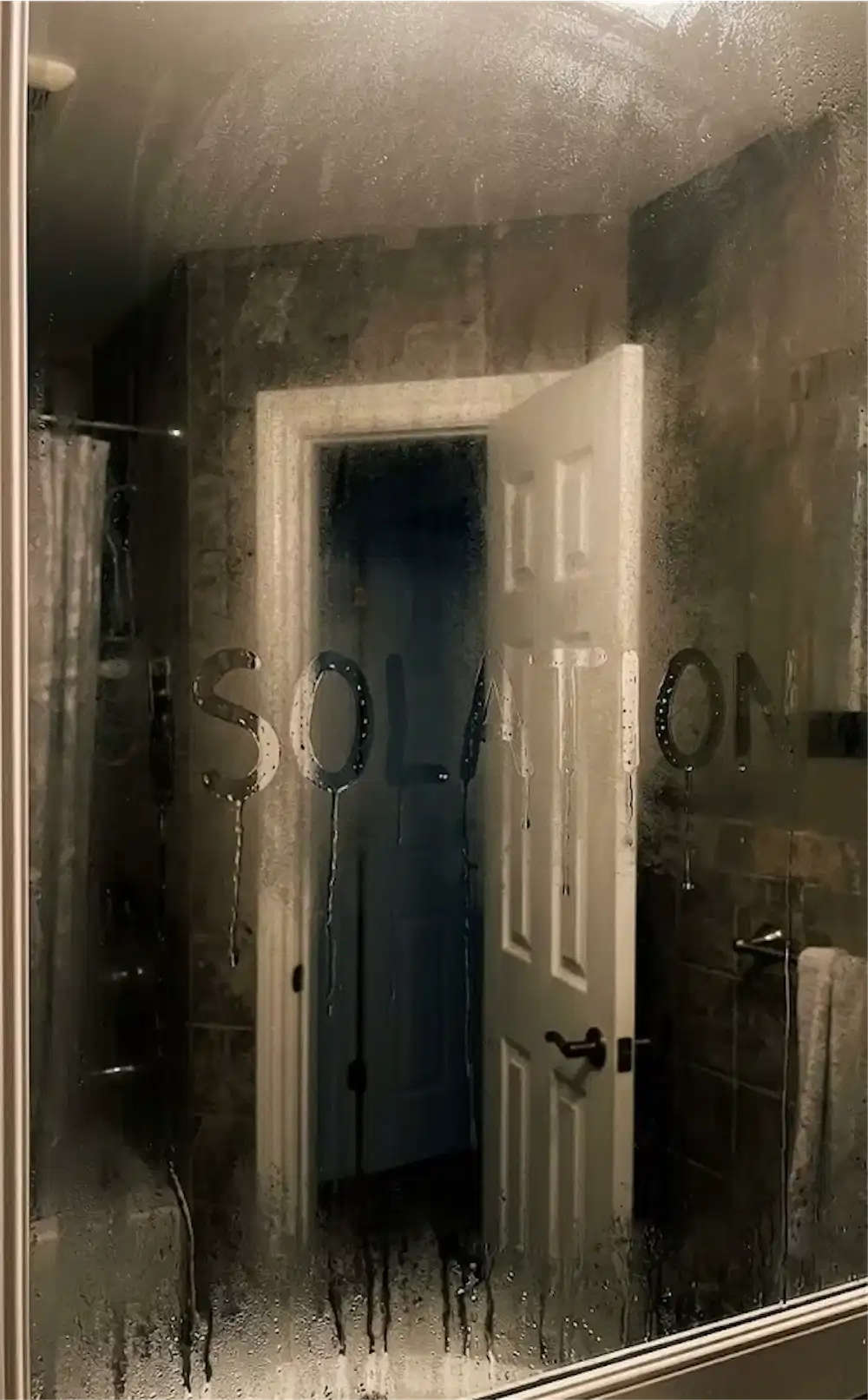
The Connection Between Intergenerational Trauma and Growing Up with a Narcissistic Parent
Intergenerational trauma acts as a silent blueprint in our lives, especially when growing up with a narcissistic parent. If your childhood felt like a constant battleground where your emotional needs were completely ignored, you might find yourself repeating these exact patterns in your adult relationships, which is why working through a resource like The Scapegoat’s Release can be a turning point. Many survivors of a narcissistic family dynamic carry an invisible burden—a deep-seated belief that they are only worthy of love when they are performing, fixing, or keeping the peace. Why does this painful pattern repeat so easily? It is because the unresolved pain of our ancestors is quietly passed down, molding us into the perfect targets for future toxic relationships.
The Root of the Cycle: Intergenerational Trauma and the Narcissistic Parent
The connection between intergenerational trauma and growing up with a narcissistic parent lies in the repetition of unresolved emotional wounds, where a parent passes down their own unmet attachment needs as toxic control and emotional neglect. This cycle forces children to adopt codependent coping mechanisms that persist across generations unless actively broken.
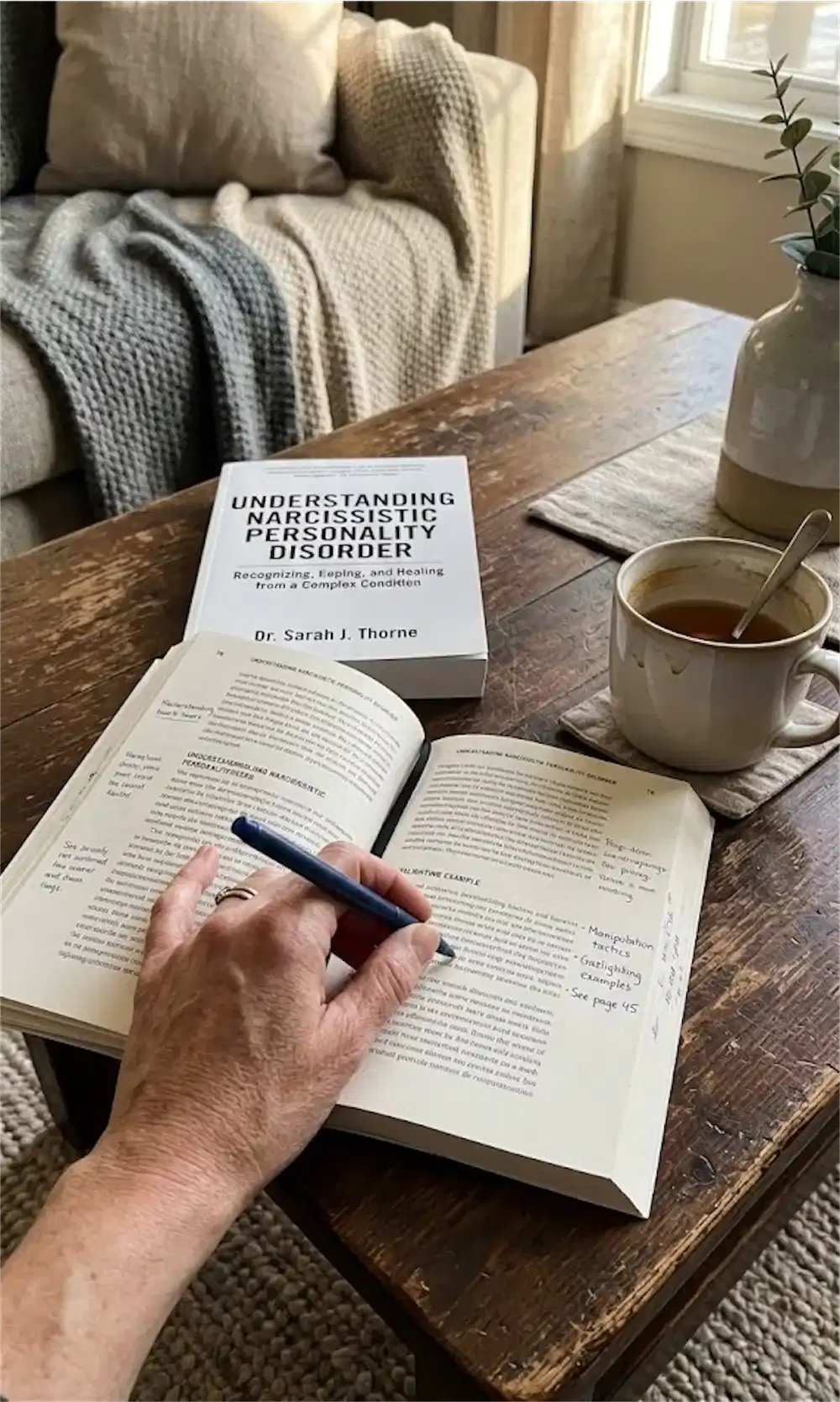
When we look at toxic parents, we rarely see them in isolation. They are almost always the products of their own unhealed, chaotic environments. In my own life, I spent twelve long, agonizing years in a toxic relationship with a partner who displayed severe NPD and BPD traits. I was isolated, my hobbies were completely gone, and my sense of self was shattered. When I finally escaped, I spent months in therapy asking myself one simple question: How did I let this happen?
The truth was both liberating and painful. My 12-year nightmare was not an accident. I was primed for it because I grew up in a household where love was conditional, volatile, and highly transactional. My parent used emotional manipulation and the silent treatment as primary tools of control. When you are conditioned from childhood to believe that your feelings are an inconvenience, you naturally gravitate toward partners who treat you the exact same way.
How the Narcissistic Family Dynamic Breeds Codependency
A narcissistic household functions like a theater where the parent is the only star, and the children are cast as supporting actors. You might have been the golden child, forced to carry the family’s pride, or the scapegoat, forced to carry all the blame. This rigid structure creates a heavy trauma bond between the child and the parent, which is an addictive psychological attachment formed through cycles of abuse and brief moments of warmth.
To cope with this environment, many of us develop a strong fawning response. We learn to suppress our anger, anticipate every mood shift, and lose our identity to keep the peace. In psychology, this is known as a survival mechanism where we abandon ourselves to stay safe. Research published on how narcissistic parenting damages children shows that these childhood survival tactics often morph into severe adult codependency.
We carry these survival habits straight into our romantic lives, treating toxic partners like the parents we could never please. If you want to explore deeper into healing these deep childhood patterns, practicing a structured generational trauma healing guide is a great way to start identifying where your parent’s pain ends and your own begins.
If you grew up as the family scapegoat, constantly carrying the blame for things you did not do, it is time to release that heavy burden. You do not have to carry their shame anymore. The guide below is designed to help you break free from these painful family roles, rebuild your self-worth, and reclaim your life.
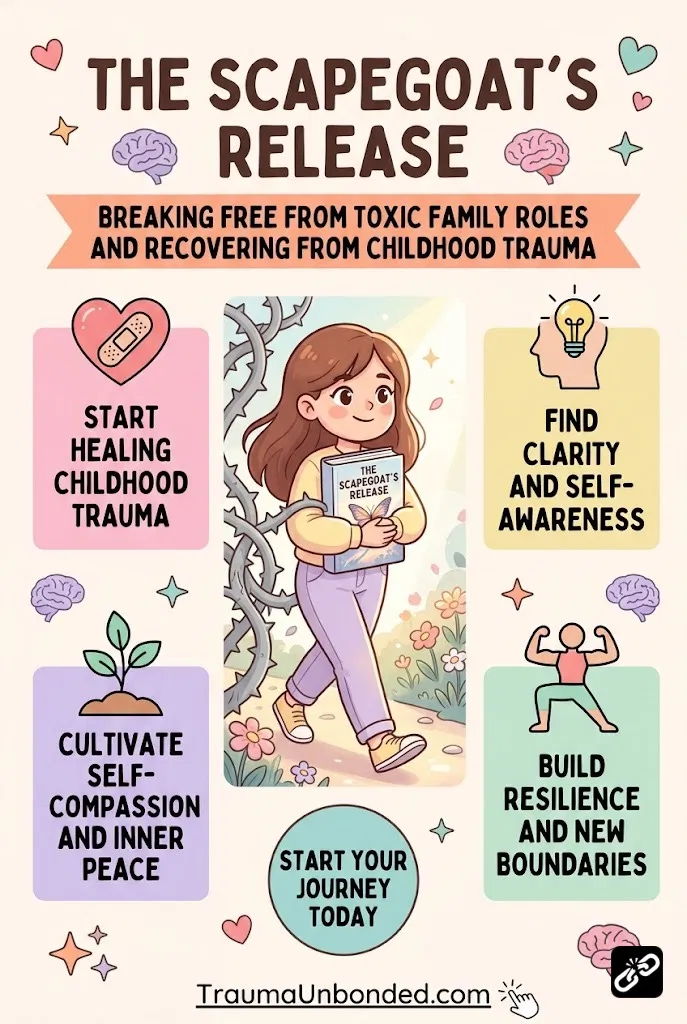
The Symptoms of Inherited Narcissistic Abuse in Adulthood
How do you know if you are carrying the unresolved wounds of your childhood? The symptoms are often quiet, insidious, and woven directly into your daily routines. They show up in the way you second-guess your decisions, your fear of abandonment, and your constant need to over-explain yourself.
Here are the most common signs that your upbringing is still dictating your adult relationships:
- Chronic Self-Doubt: You constantly feel like you are walking on eggshells, waiting for the other shoe to drop, even in completely safe environments.
- A Habit of Over-Functioning: You feel an intense need to fix, save, or heal everyone around you, often at the expense of your own mental health.
- Difficulty Setting Boundaries: Saying no feels like an act of betrayal, triggering waves of intense guilt and anxiety.
- Accepting Breadcrumbs: You tolerate neglect, silent treatments, or outright gaslighting because it feels familiar and comfortable.
These behaviors are not personal failures. They are the leftovers of a nervous system that was trained to survive a chaotic household. To begin rewiring these deeply ingrained reactions, utilizing a shadow work for codependency guide can help you uncover and heal the younger parts of yourself that still believe they must earn the right to exist.
How to Break the Intergenerational Cycle of Narcissism
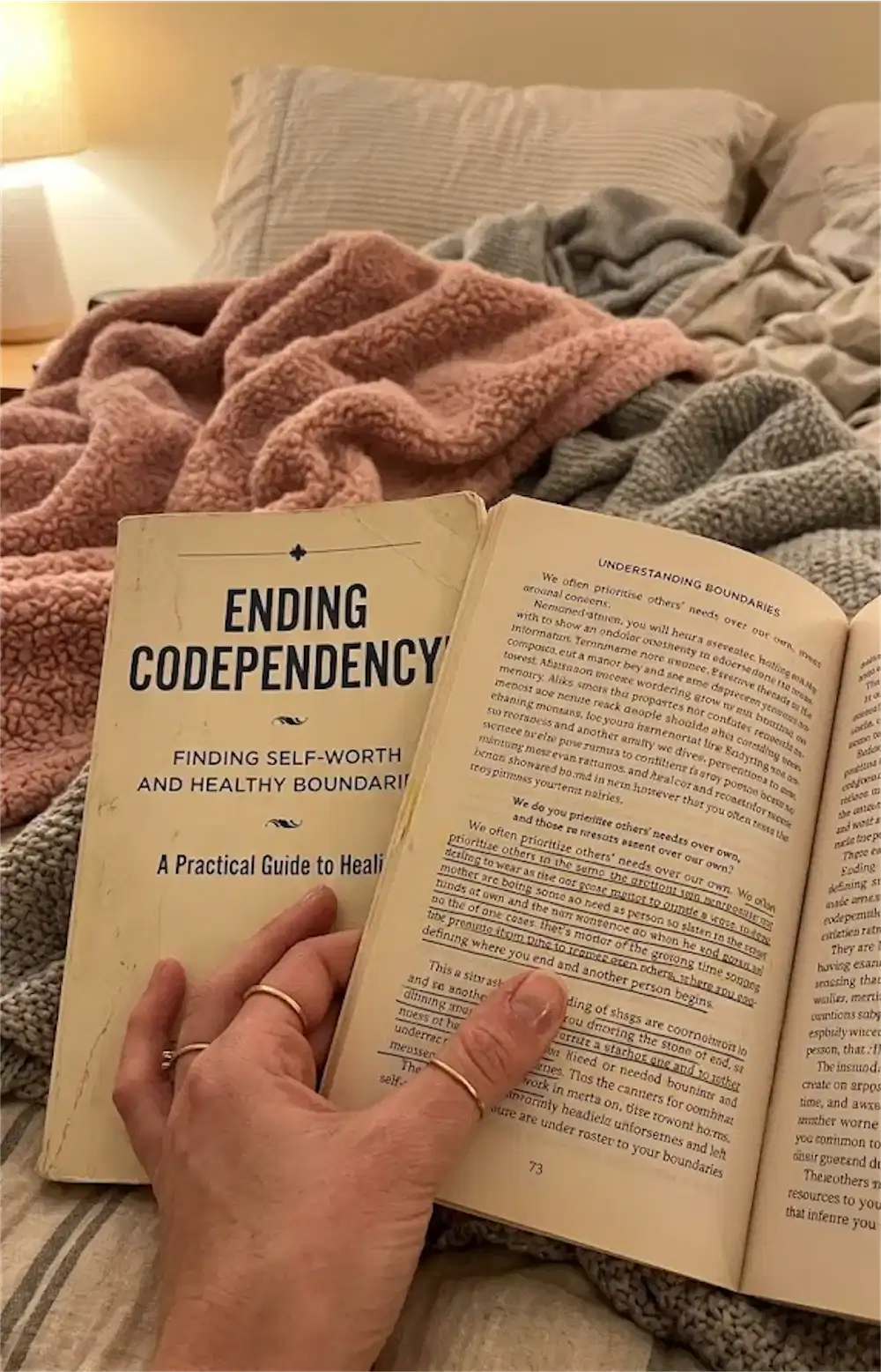
Breaking a cycle that has been running for generations is not easy, but it is entirely possible. It starts with a choice to stop looking at your toxic family dynamic through a lens of hope and start seeing it with radical acceptance. You cannot change your narcissistic parent, and you cannot force them to acknowledge the pain they caused.
What you can do is protect your peace. This often requires establishing strict narcissistic parent family boundaries, or in some cases, choosing to go completely no-contact. When I walked away from my 12-year toxic relationship, I had to apply the same hard lessons to my family. I had to realize that loyalty to my own healing outweighed my loyalty to a system that was slowly draining my life.
Here are practical steps you can take today to begin your recovery:
- Acknowledge the Pain: Stop minimizing what happened to you. Your childhood was confusing, and it is okay to grieve the parents you deserved but never had.
- Name the Dynamics: Educate yourself on manipulation tactics. Recognizing that their behavior was about their own limitations, not your worth, shifts the blame off your shoulders.
- Practice Nervous System Regulation: Traumatic memories are stored in the body. Grounding yourself when anxiety strikes helps teach your brain that you are safe now.
- Find Professional Support: A trauma-informed therapist can help you navigate the complex grief and codependency that comes with this type of recovery.
Healing from the connection between intergenerational trauma and growing up with a narcissistic parent is a slow, non-linear journey. But on the other side of that pain is your original self—the cheerful, optimistic, and grounded person you were always meant to be. If you are ready to stop carrying the blame for a family system you did not create, taking the first step with The Scapegoat’s Release will help you break those invisible chains and reclaim your freedom once and for all.

Meet Your Guide
Helen Brooks
After surviving a 12-year NPD/BPD relationship, I dedicated over a decade to studying trauma bonding and nervous system recovery. My mission is to help you break free from the fog and reclaim your authentic self.
Ready to break the trauma bond and reclaim your life?