Managing Sensory Overload: Why Loud Noises and Crowds Trigger You After Long-Term Stress
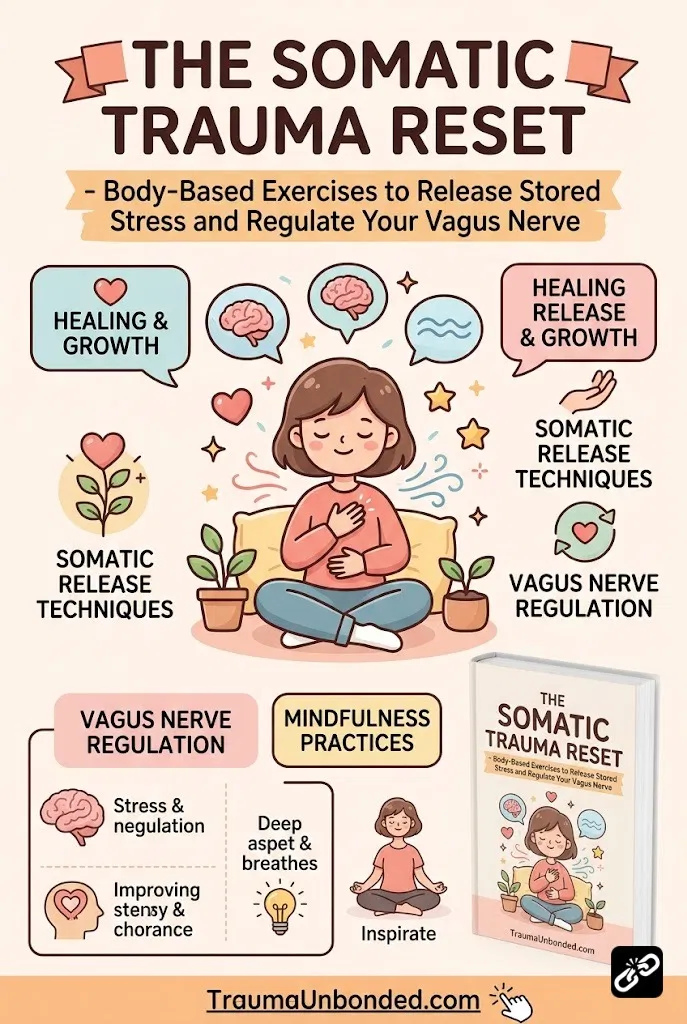
Do you feel a sudden wave of panic when a door slams, or find yourself wanting to escape the grocery store because of the bright lights and chatter? If you are struggling with managing sensory overload, it is easy to feel like you are losing your mind. Having lived through twelve years with a partner who displayed extreme narcissistic and borderline personality traits, I spent over a decade walking on eggshells. That persistent tension left my body in a constant state of high alert, making it difficult to function in busy environments. If you are experiencing this, you might benefit from The Somatic Trauma Reset, which teaches you how to release stored physical stress.
Why Do Loud Noises and Crowds Trigger You After Chronic Stress?
Sensory overload after chronic stress happens because your nervous system remains stuck in a high-alert survival state, treating normal environmental inputs like loud noises and crowded spaces as active physical threats. Years of trauma-induced hypervigilance make it difficult for your brain to filter out non-essential sensory data, leaving you feeling overwhelmed and exhausted.

During my toxic relationship, I had to monitor every shift in my ex-partner’s mood. A heavy footstep or a muttered word could mean a weekend-long silent treatment or a sudden explosive argument. Years of this survival mechanism taught my brain that sounds equal danger.
When you leave that environment, your cognitive mind knows you are safe, but your nervous system is still playing by the old rules. A crowded mall or a noisy restaurant is no longer just a busy place; to your body, it is a room full of potential hazards. Why does this happen? Let’s look at how long-term trauma rewrites your biological coding.
How Chronic Relationship Trauma Rewires Your Nervous System
Your body is equipped with an autonomic nervous system designed to handle short bursts of danger. However, when you live in a psychological war zone for years, your stress hormones never return to baseline levels. This leaves your body flooded with adrenaline and cortisol.
According to research on trauma and physical health published by Psychology Today, chronic psychological stress alters how your brain processes everyday sensory information [1]. Your amygdala, the brain’s alarm center, becomes enlarged and hyperactive, while your prefrontal cortex struggles to regulate your emotional responses [1].
This constant state of overdrive drains your energy and makes your sensory threshold incredibly low. If you want to understand how this impacts your body, learning how to regulate vagus nerve after emotional abuse is a major step in restoring balance.
If you find yourself constantly jumpy, irritable, or utterly drained by simple trips outside, your body is holding onto years of defensive energy. To help you gently release this physical tension and retrain your nervous system to feel safe again, I highly recommend using a structured, body-focused resource.
Identifying the Hidden Signs of Sensory Overload in Daily Life
Sensory overload does not always look like a sudden panic attack. Often, it creeps up on you slowly throughout the day until you feel completely depleted and unable to think.
When I was recovering from my twelve-year relationship, I used to get incredibly angry when my friends spoke too loudly or when multiple appliances were running at the same time. I did not realize that my nervous system was simply full; there was no room left to process any more stimuli.
Here are some common, subtle signs that your nervous system is reaching its limit:
- Sudden irritability or anger over minor background noises like a ticking clock, humming refrigerator, or tapping fingers.
- An intense urge to escape social situations, even when you are with people who love and support you.
- Inability to focus or hold a conversation because your brain is trying to monitor every single sound in the room.
- Physical fatigue and brain fog that makes simple decision-making feel like climbing a mountain.
Recognizing these signs early allows you to step away before a full meltdown occurs. If you struggle with chronic physical fatigue and mental exhaustion after a toxic relationship, you might find my hypervigilance recovery checklist guide incredibly validating.
Somatic Strategies to Quiet Your Hyperactive Nervous System
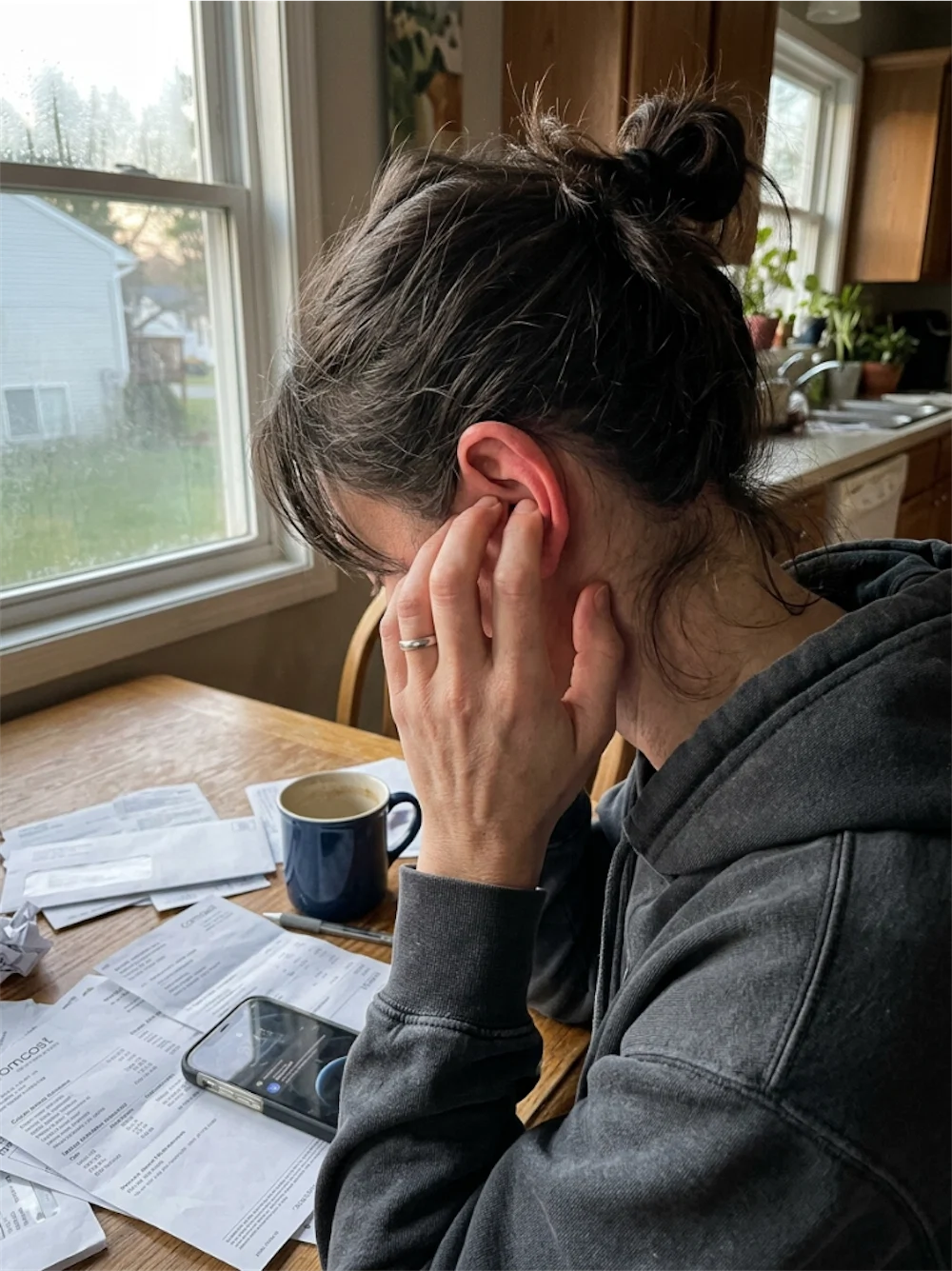
You cannot logic your way out of a physiological response. When you feel triggered by loud noises or crowds, trying to tell yourself “I am safe” rarely stops your heart from racing. Instead, you must communicate with your body through physical, somatic actions.
One of the most immediate ways to soothe your survival brain is through gentle, physical touch. For instance, a simple ear massage can stimulate the auricular branch of your vagus nerve, sending safety signals directly to your heart and lungs.
Try these simple, daily habits to build resilience against overstimulation:
- Use ear protection in public. Wearing high-quality, high-fidelity earplugs in loud spaces filters out harsh high frequencies without blocking out human voices. This gives your ears a buffer.
- Practice physiological sighs. Take two quick inhales through your nose, followed by one long, slow exhale through your mouth. This simple pattern rapidly lowers your heart rate.
- Create a daily quiet transition. When you return home from work or errands, spend ten minutes sitting in silence before turning on the television or checking your phone. Give your senses a chance to settle.
- Incorporate grounding exercises. Press your feet firmly into the floor, feel the support of the chair beneath you, and slowly name three things you can see in your immediate surroundings. This pulls your mind out of survival mode and back into the present moment.
These physical tools act as a circuit breaker, preventing your brain from cascading into a full-blown panic response. Over time, these practices help lower your baseline anxiety, allowing you to navigate the world without feeling constantly threatened.
Healing your nervous system takes time, especially if you spent years adjusting to the volatile atmosphere of an abusive relationship. Be patient with your progress. If you are ready to take a deeper step into somatic healing and release the deep physical tension that keeps you trapped in a high-alert state, consider picking up a copy of The Somatic Trauma Reset today. You deserve to move through the world with peace, ease, and a quiet mind.

Meet Your Guide
Helen Brooks
After surviving a 12-year NPD/BPD relationship, I dedicated over a decade to studying trauma bonding and nervous system recovery. My mission is to help you break free from the fog and reclaim your authentic self.
Ready to break the trauma bond and reclaim your life?