BPD Splitting Cycles: How to Protect Your Sanity When You Become the Villain
Navigating the turbulent storm of BPD splitting cycles can make you feel like your entire world has been turned upside down, leaving you desperately searching for ways to protect your sanity when you become the villain. When a partner with Borderline Personality Disorder shifts from viewing you as perfect to seeing you as the enemy, the sudden change is dizzying. If you are struggling through this exhausting shift, reading a dedicated BPD breakup recovery guide can offer immediate clarity and relief.
During my own twelve year relationship with a partner who struggled with both narcissistic and BPD traits, I experienced this cycle countless times. One day I was their absolute savior, and the next, I was accused of destroying their life. I remember sitting on the kitchen floor, isolated from friends, wondering how the person who loved me so intensely suddenly looked at me with such cold hatred.
It took years of professional therapy and studying codependency to understand that this behavior was not a reflection of my actual worth. You are not the monster they are painting you to be. Let us unpack how these emotional cycles work and how you can shield your mental health from the fallout.
What Are BPD Splitting Cycles and Why Do You Suddenly Become the Villain?
BPD splitting is an unconscious defense mechanism where a person with Borderline Personality Disorder views others in extremes, either completely good or completely bad. When you are split “black,” you suddenly become the ultimate villain in their eyes, erasing all past positive memories and emotional history.
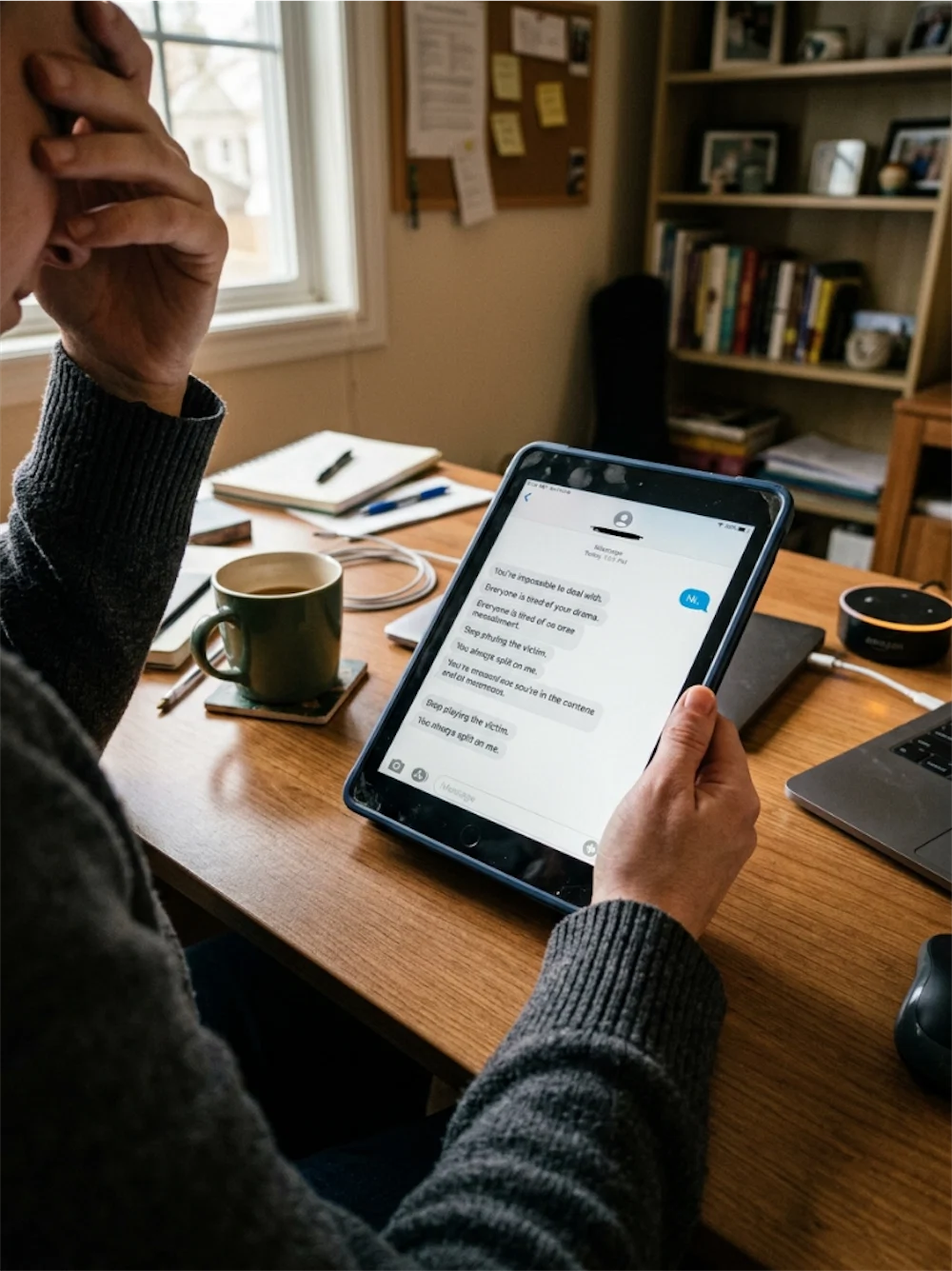
Splitting is a core feature of BPD that stems from a deep inability to tolerate mixed emotions. In their mind, people are either flawless saints or malicious enemies. There is no middle ground, no room for mistakes, and absolutely no gray area. When you trigger their deep-seated fear of abandonment, their defense system flips a switch.
Have you noticed how a simple disagreement can suddenly erase years of kindness? In my relationship, forgetting to pick up groceries or wanting a night to myself was treated like a malicious act of betrayal. Suddenly, I was the bad guy, and nothing I said could change their mind. This happens because their current intense emotion completely overwrites their historical memory of you.
The Psychological Impact of Being Cast as the Monster
Being constantly painted as a villain creates a deep sense of cognitive dissonance. You know you are a kind person who is trying their best, yet you are being treated like an abusive, uncaring tyrant. Over time, you may start to second-guess your own reality, wondering if you actually are the problem. This severe self-doubt is a natural response to prolonged emotional projection.
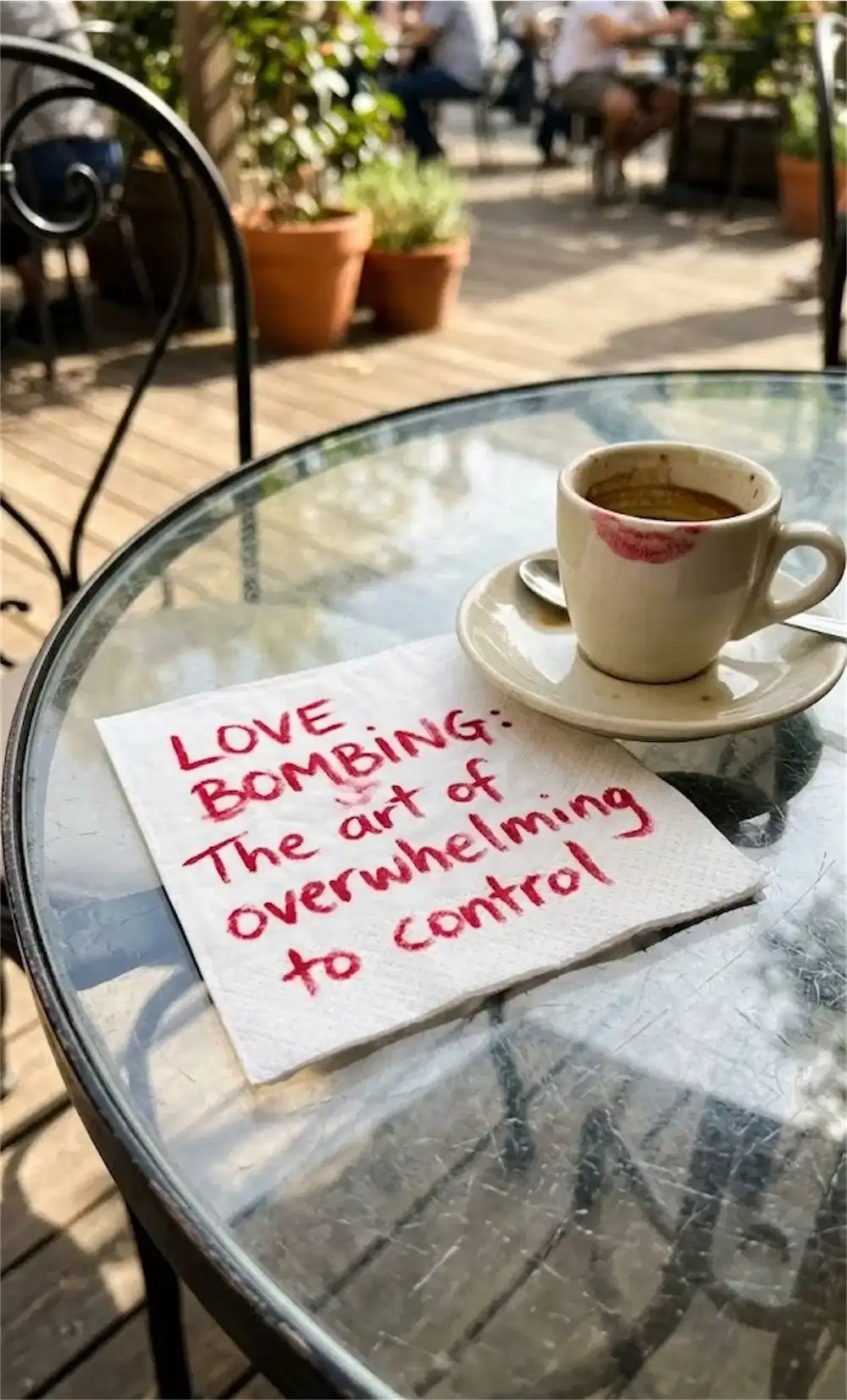
When you are in the thick of this confusion, it is easy to fall into the trap of over-explaining your intentions. I spent years writing long text messages, pleading with my partner to see that I loved them. This endless cycle of defending yourself against false accusations only deepens the trauma bond. When the relationship suddenly fractures, you might find yourself experiencing severe trauma bond withdrawal symptoms, making you feel desperately lonely.
Healing from this dynamic requires a dedicated focus on bpd relationship trauma recovery to rebuild your shattered sense of self. You cannot heal while you are still letting their projection define who you are. Reclaiming your narrative is the first major step toward breaking free from this emotional cage.
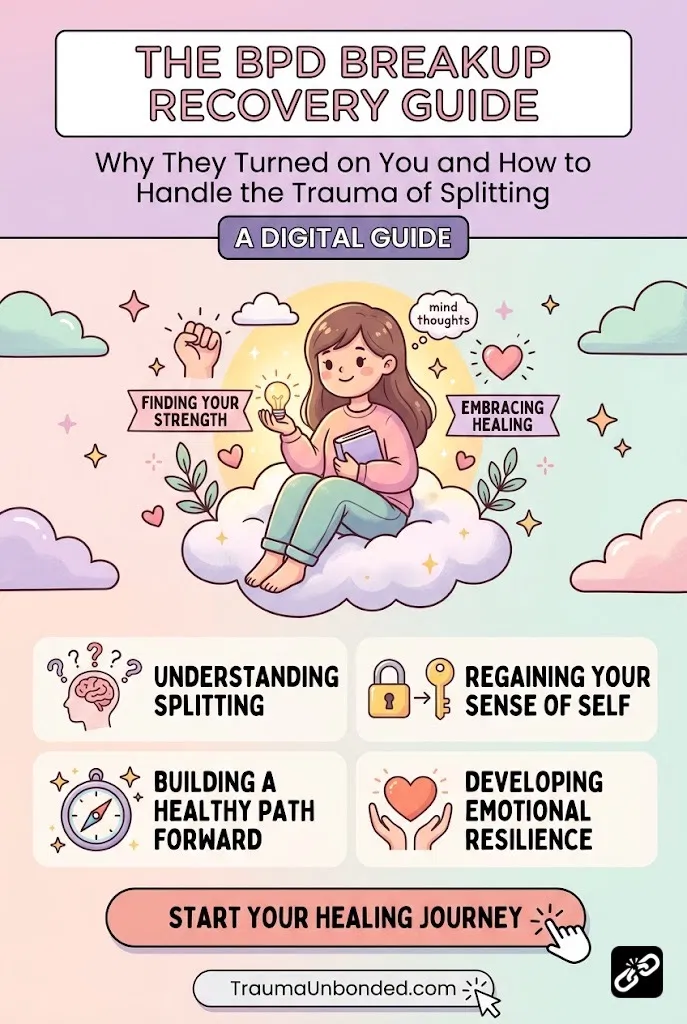
If you are tired of walking on eggshells and ready to stop absorbing their toxic projections, I highly recommend checking out a structured roadmap. The guide below offers clear, actionable strategies to help you rebuild your self-worth and break the traumatic cycle of splitting once and for all.
How to Protect Your Sanity During a BPD Splitting Episode
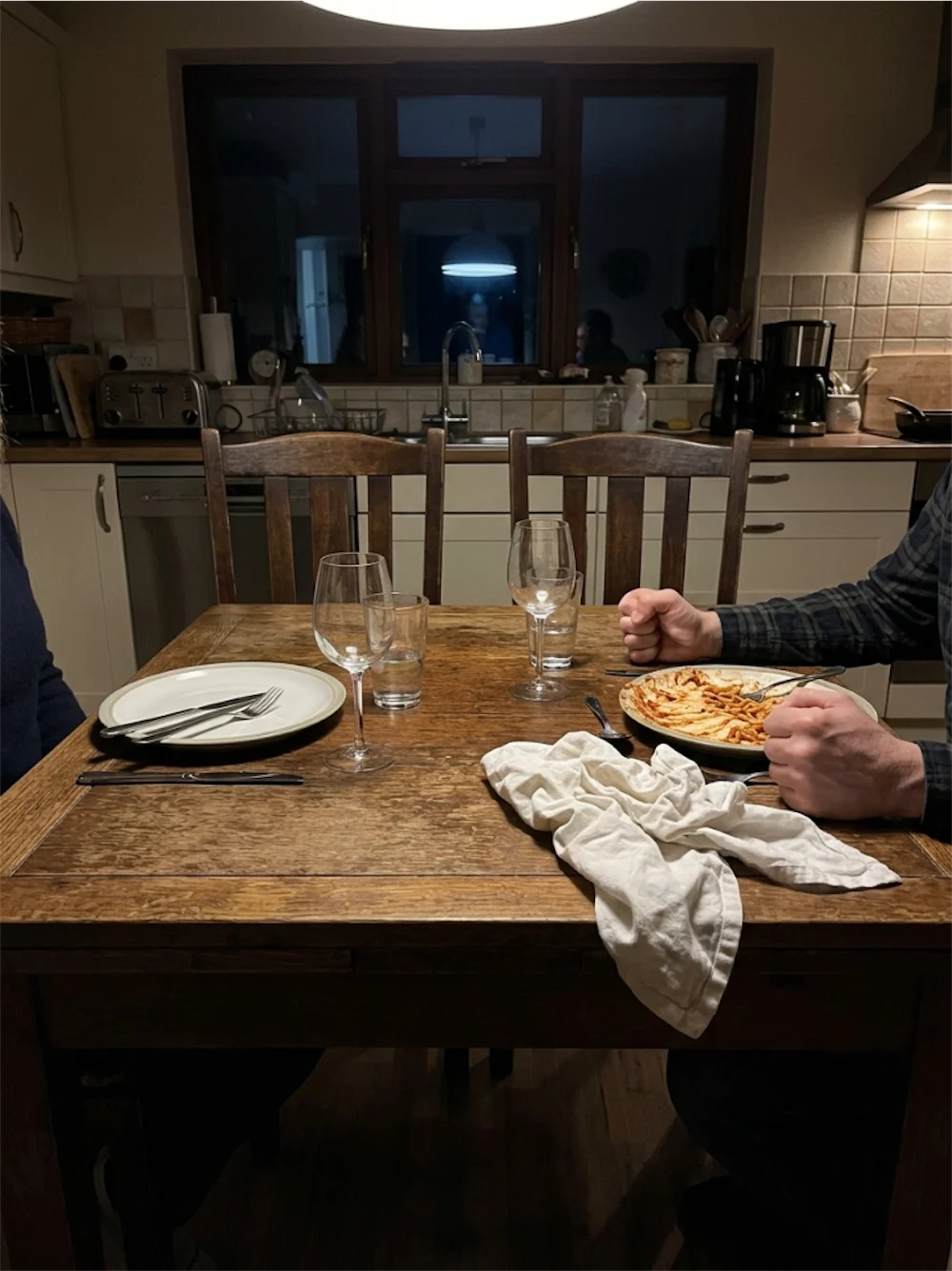
When the splitting cycle turns cold, you must shift your focus entirely away from changing their mind and toward protecting your own mental health. The urge to fix the situation is incredibly strong, especially if you have codependent tendencies. However, trying to logically argue with someone who is emotionally dysregulated is like trying to reason with a hurricane.
According to clinical research published by StatPearls on Borderline Personality Disorder, splitting prevents a person from integrating both positive and negative attributes of others, leading to severe relationship instability. Knowing this can help you realize that their anger is about their inner pain, not your failures. To stay grounded when the storm hits, focus on these immediate survival strategies:
- Stop defending your character: When they accuse you of being malicious, do not engage in the argument. Simply state your truth once, calmly, and refuse to participate in the circular debate.
- Physically disengage from the environment: If the accusations escalate, remove yourself from the room or the house. Say something like, “I am going to take some space to cool down, and we can talk later when we are both calm.”
- Practice reality testing: Keep a journal or talk to trusted friends who can help you stay anchored in what actually happened. Having an outside perspective is vital to prevent you from adopting the villain identity they try to force onto you.
- Refuse to accept the blame: You can apologize for genuine mistakes, but never apologize for false accusations just to keep the peace. Doing so only reinforces their distorted perception and slowly erodes your self-respect.
Reclaiming Your Narrative and Finding Healing
Living through a twelve year cycle of idealization and devaluation left me completely depleted. I had no hobbies, no social circle, and I felt like a shell of my former cheerful self. It was only when I walked away and focused on my own emotional recovery that my original optimistic self began to return. I had to learn that their version of me was not my responsibility to correct.
When you stop playing the role of the villain, you allow yourself to heal. It is normal to feel grief for the relationship, but do not let that grief drag you back into the cycle. You deserve a life filled with peace, stability, and mutual respect, rather than constant emotional whiplash.
If you are ready to reclaim your identity and find peace after the chaos, please take a look at the BPD breakup recovery guide. You do not have to walk this difficult road alone, and there is a beautiful, peaceful life waiting for you on the other side of this storm.

Meet Your Guide
Helen Brooks
After surviving a 12-year NPD/BPD relationship, I dedicated over a decade to studying trauma bonding and nervous system recovery. My mission is to help you break free from the fog and reclaim your authentic self.
Ready to break the trauma bond and reclaim your life?