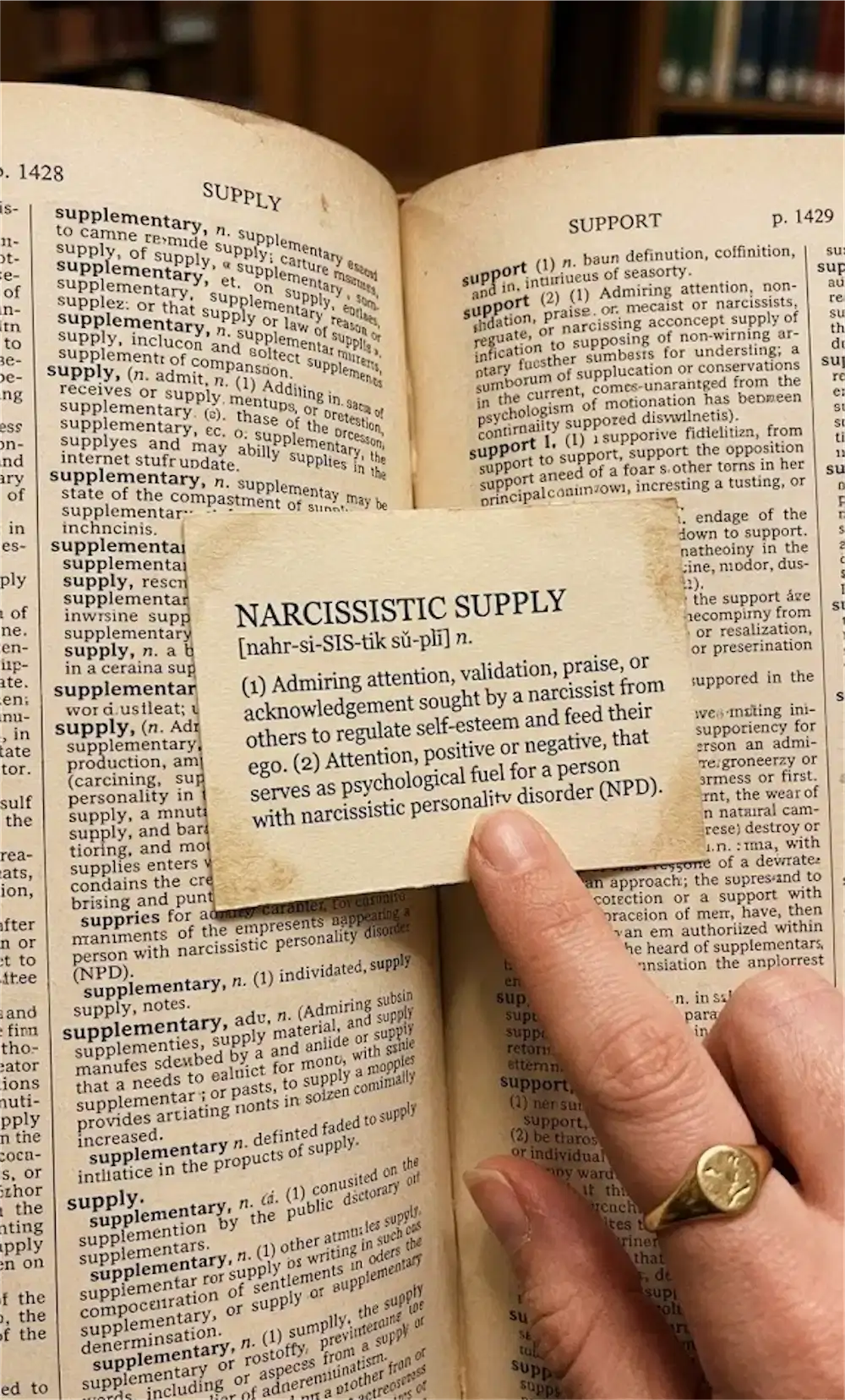
How to Spot a Communal Narcissist: Abusers Masked as Altruistic Do-Gooders
If you are trying to understand why your partner seems like a saint to the public but treats you with cold indifference behind closed doors, you might be dealing with a communal narcissist. Learning how to spot a communal narcissist is crucial because these individuals mask their manipulation behind a grand facade of charity, volunteerism, and social justice. During my own twelve-year relationship with a toxic partner who had both narcissistic and borderline traits, I lived in a constant state of confusion before realizing I needed a structured resource like The Boundary Blueprint to protect my sanity.
What Is a Communal Narcissist?
A communal narcissist is an individual who satisfies their core need for grandiosity, validation, and superiority by presenting themselves as exceptionally helpful, altruistic, and community-minded. While they appear to be selfless do-gooders, their prosocial behaviors are driven by a desire for praise and control rather than genuine empathy.
My ex partner was always the first to volunteer for neighborhood cleanups and the most active member of local charity groups. Everyone in our town saw them as an altruistic do-gooder who would give you the shirt off their back. Yet, once we were back home, that warmth vanished into a chilling silence that left me feeling completely isolated.
How can someone be so incredibly caring to strangers while treating their romantic partner like an inconvenient piece of furniture? This disconnect is the defining feature of communal narcissism. According to research on communal narcissism on Psychology Today, these individuals seek the exact same power and validation as traditional narcissists, but they use community-focused means to get it. They do not brag about their wealth or looks; they brag about their kindness and moral superiority.
Signs of a Communal Narcissist in a Relationship
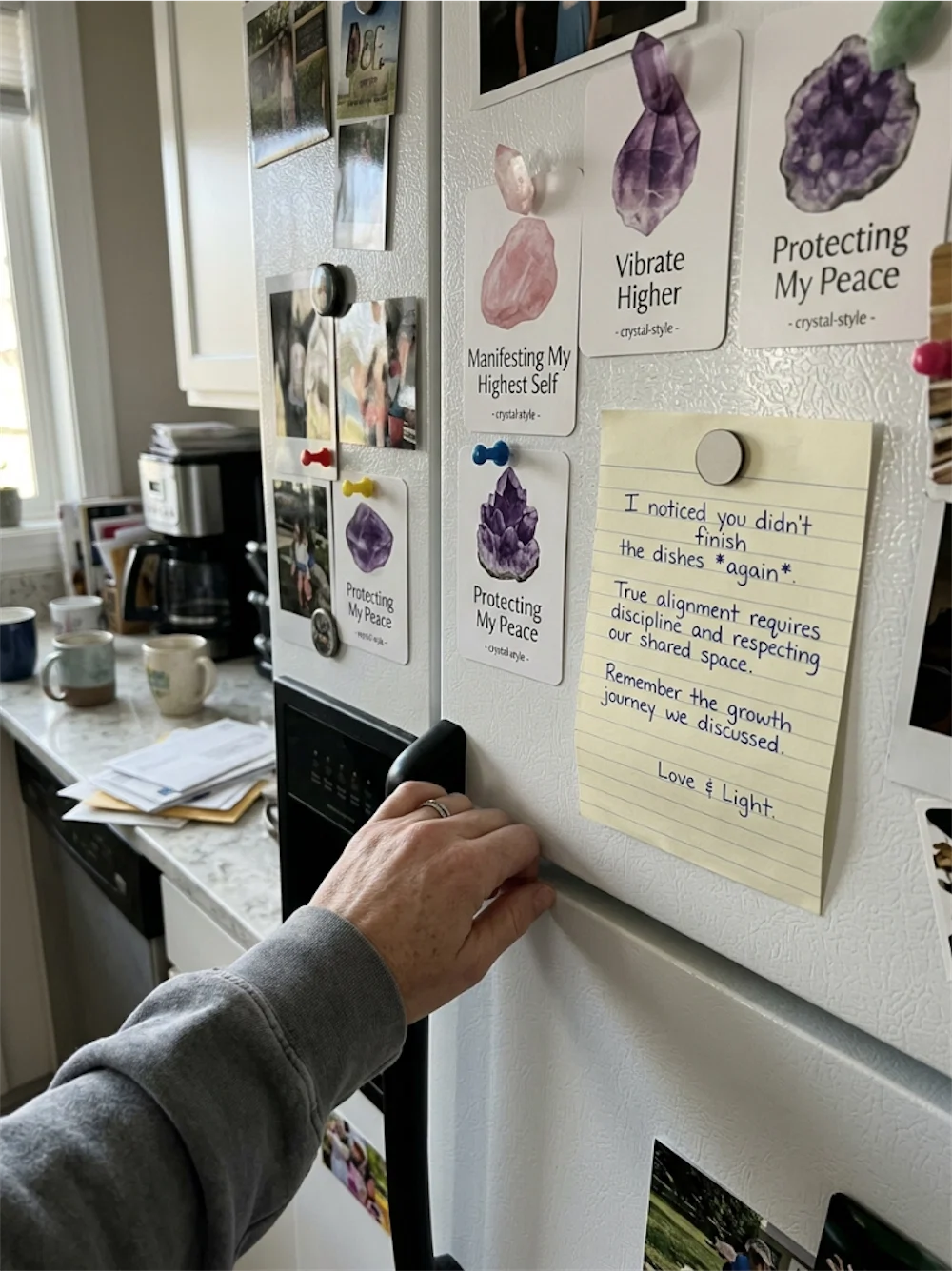
When you live with this type of person, the psychological abuse is incredibly subtle. You begin to doubt your own reality because the rest of the world constantly validates your abuser. If you complain to a mutual friend, they might say, “But they are so wonderful, they helped me paint my house last week!”
You feel forced to nod along while keeping the crushing weight of their private neglect to yourself. Behind closed doors, they show an absolute lack of interest in your emotional life. In my own home, my former partner would spend hours writing inspiring social media posts about compassion, but if I tried to talk about my day, they would stare at their phone or walk out of the room.
Here are the key signs that your partner’s altruism is actually a tool for control:
- Public warmth, private coldness: They perform acts of kindness only when there is an audience to witness and praise them.
- Weaponized charity: They will spend hours helping a neighbor but refuse to help you wash the dishes or care for a sick child.
- Extreme defensiveness: If you question their motives, they will accuse you of being unsupportive, selfish, or jealous of their good work.
In my twelve years in that toxic dynamic, I constantly felt like a terrible person for feeling unhappy. I learned the hard way that you must understand how to protect spiritual boundaries when dealing with someone who uses morality as a shield. They use their social status as a weapon to make you feel like you are the problem.
How to Spot a Communal Narcissist Early On

Spotting these traits early can save you years of emotional trauma. During the initial stage of dating, a communal narcissist will present themselves as your personal savior. They will listen to your past struggles and immediately offer to fix your life, buy you things, or introduce you to their influential circle.
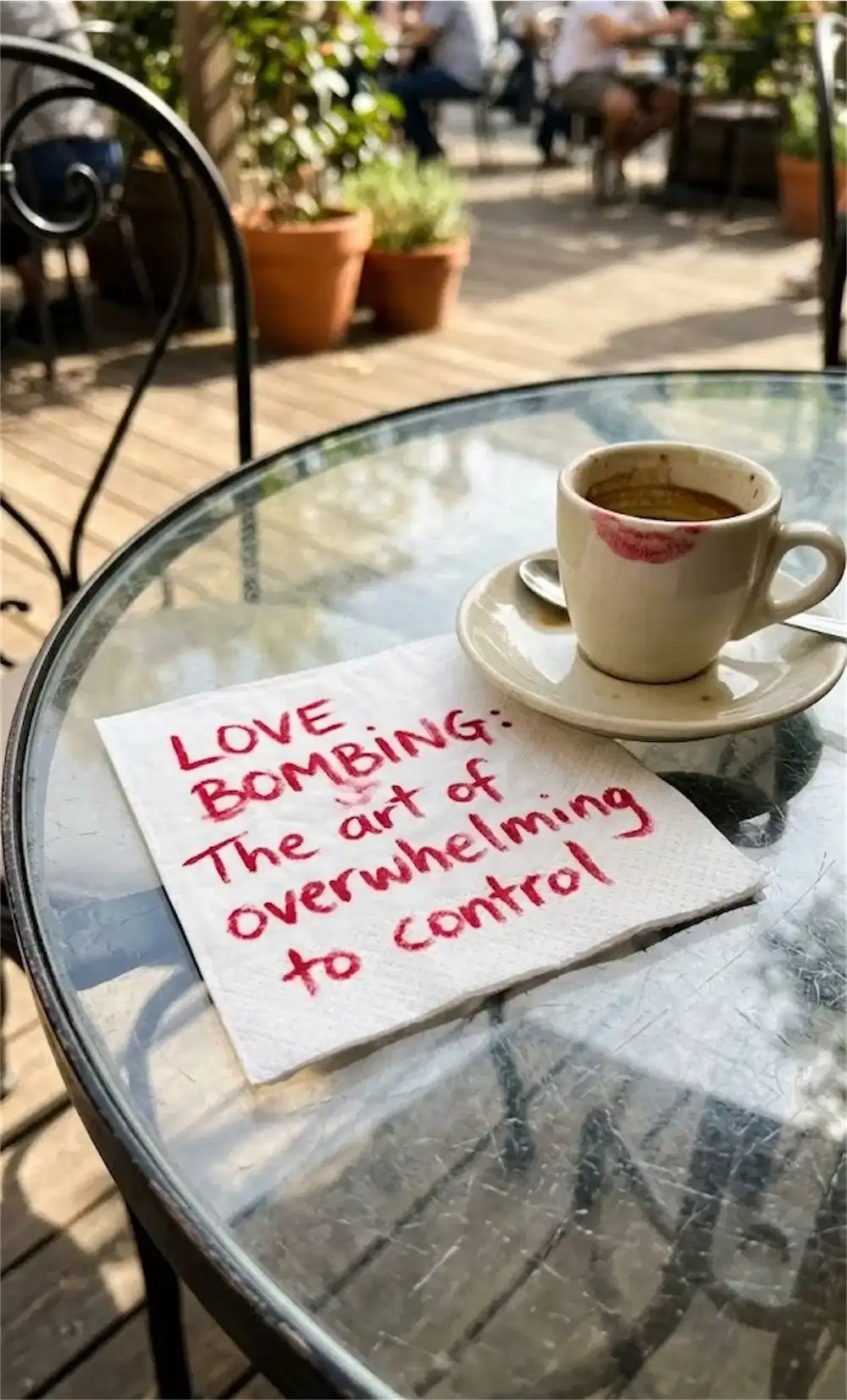
This is a subtle variation of classic love bombing, where the focus is on their outstanding kindness rather than your compatibility. Do they talk incessantly about how much they sacrifice for others? A genuine philanthropist does not need to constantly remind you of their selflessness.
Pay close attention to how they react when someone else receives praise for a good deed. If their face tightens or they immediately try to outdo the other person, their kindness is a competitive sport, not a virtue. They constantly position themselves as the most trustworthy, saintly person in the room.
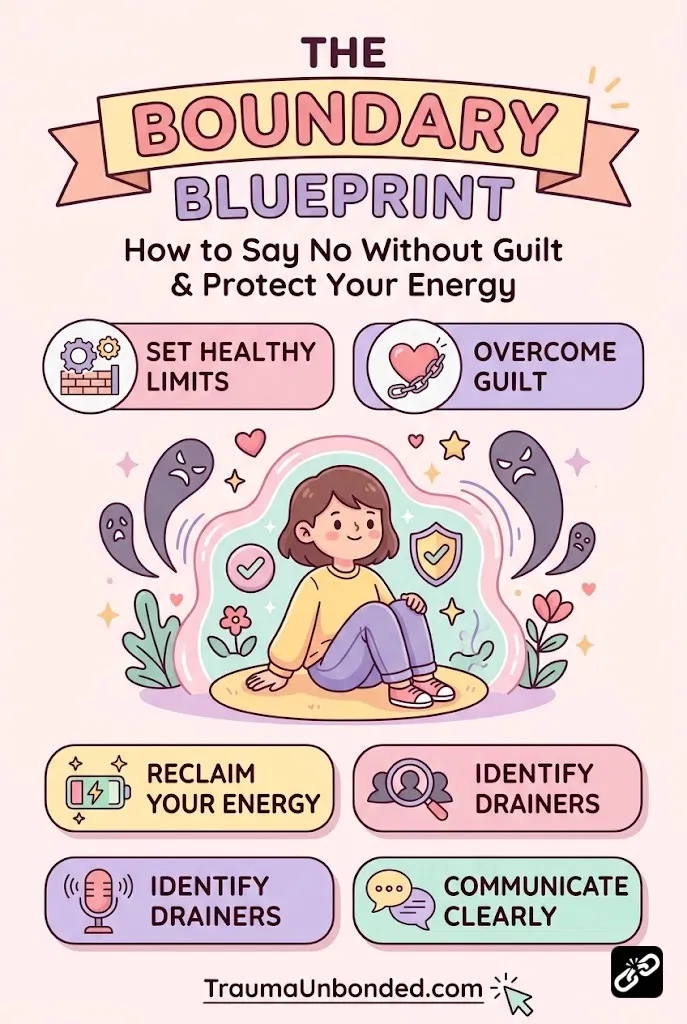
If you are currently struggling to set limits with a partner who uses guilt and public praise to control you, you need a clear step-by-step blueprint to reclaim your power. The guide below provides the exact strategies I used to stop the energy drain and start rebuilding my life.
The Invisible Cost to Your Sanity
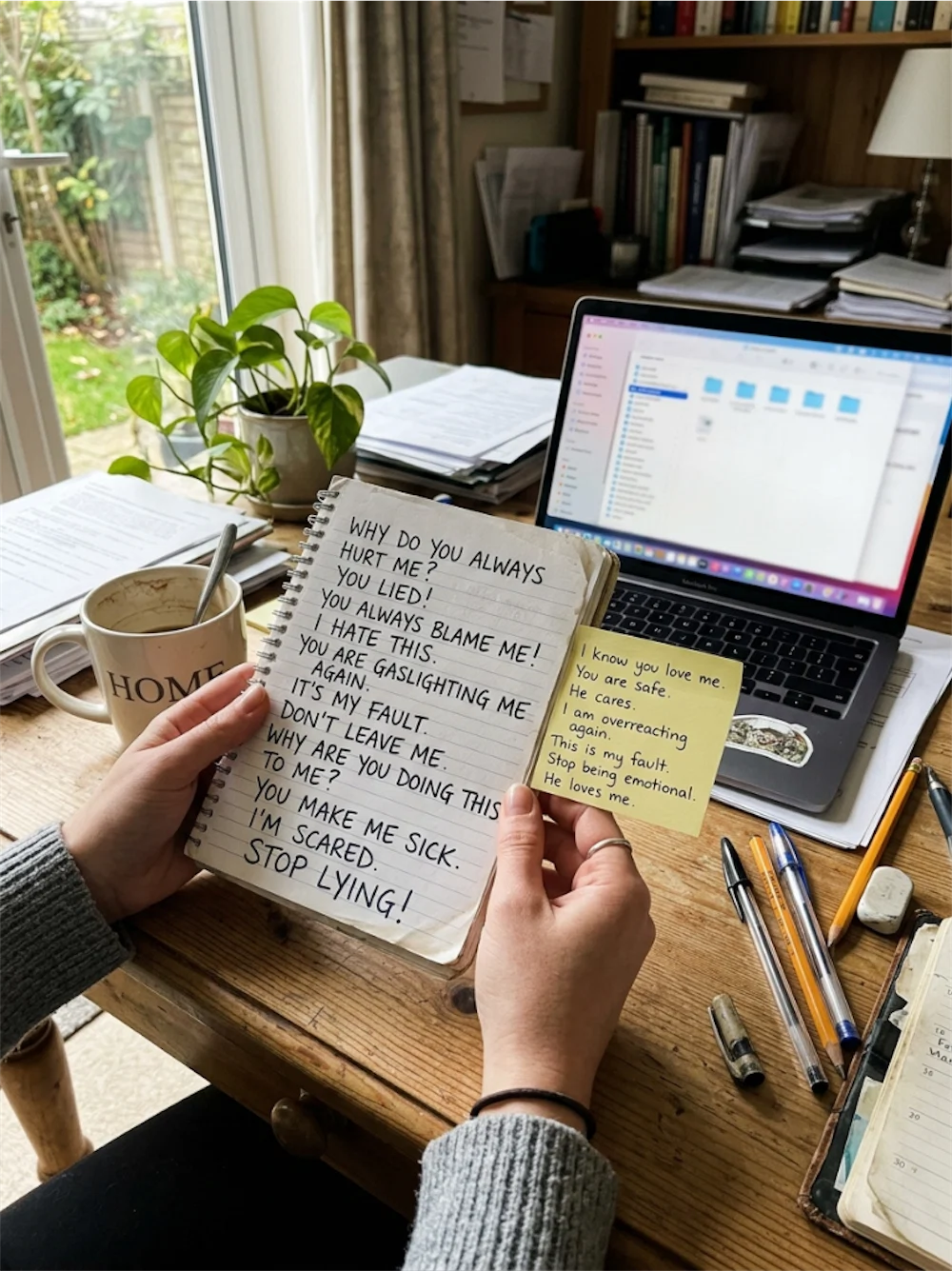
Living with an altruistic abuser takes a heavy toll on your mental health. Because they are so well-loved by the community, you slowly stop trusting your own eyes and ears. This leads to a severe form of cognitive dissonance, where you struggle to reconcile the saintly public figure with the cruel private partner.
Over time, this constant self-doubt erodes your identity. When I finally walked away after more than a decade, I had no hobbies, no friends, and no idea who I was. I spent months in professional therapy focusing on healing from gaslighting just to believe my own memory of what happened.
I had to learn that my experiences were valid even if no one else in our town ever saw their dark side. If you are constantly apologizing for things you did not do, or feeling guilty for having basic needs, you are experiencing the classic aftermath of this abuse. Recognizing these patterns is the first step in overcoming self-doubt after abuse and restoring your emotional health.
Why Traditional Advice Fails With Communal Abusers
Most advice about toxic relationships focuses on loud, angry, or obviously selfish behavior. But what do you do when your partner’s weapon of choice is a donation receipt or a sob story about a charity they support? Standard boundaries can feel impossible to enforce when they accuse you of blocking their humanitarian work.
You must learn to look past their words and focus entirely on their actions behind closed doors. Does their empathy extend to you when you are sick, or do they only show compassion when someone else is watching? If their love is conditional on how much you help them maintain their saintly reputation, it is not love.
Reclaiming Your Reality and Rebuilding Your Life
Breaking free from a communal narcissist requires you to accept that you may never get closure or validation from mutual friends. The community may continue to see them as a hero, and that is a painful reality you have to accept. Your healing cannot depend on other people realizing the truth about your ex partner.
Once I stopped trying to prove their toxicity to others, my real recovery began. I slowly reconnected with my old friends, found my favorite hobbies again, and returned to my cheerful, grounded self. It takes time, but you can build a peaceful life where your reality is never questioned.
If you are ready to stop walking on eggshells and protect your emotional energy, start your journey today with The Boundary Blueprint to safely reclaim your space and your peace.

Meet Your Guide
Helen Brooks
After surviving a 12-year NPD/BPD relationship, I dedicated over a decade to studying trauma bonding and nervous system recovery. My mission is to help you break free from the fog and reclaim your authentic self.
Ready to break the trauma bond and reclaim your life?