Why Trauma Causes Chronic Pelvic Floor Tension (And How to Heal It)
If you are struggling with chronic pelvic floor tension, you might not realize that your body is holding onto deeply buried emotional wounds. Many survivors of long-term emotional abuse find themselves wondering why trauma causes pelvic floor tension years after they have escaped a toxic environment. During my own 12-year relationship with a partner who exhibited severe NPD and BPD traits, my body was constantly in a state of high alert, tightening muscles I did not even know existed.
Living with a toxic partner traps your nervous system in a non-stop fight-or-flight response. Over time, this constant survival mode manifests as physical pain, particularly in the hips and lower pelvic region. I spent years trying to stretch my way out of this discomfort before I discovered that true healing requires The Somatic Trauma Reset to release stored stress and trauma.
It was only when I began addressing the root cause that I understood the deep connection between my mind and physical body. Learning about toxic relationship health symptoms was a massive turning point for me. My body was literally keeping the score, armoring itself against the daily unpredictable behavior and emotional storms.
Why Trauma Causes Chronic Pelvic Floor Tension
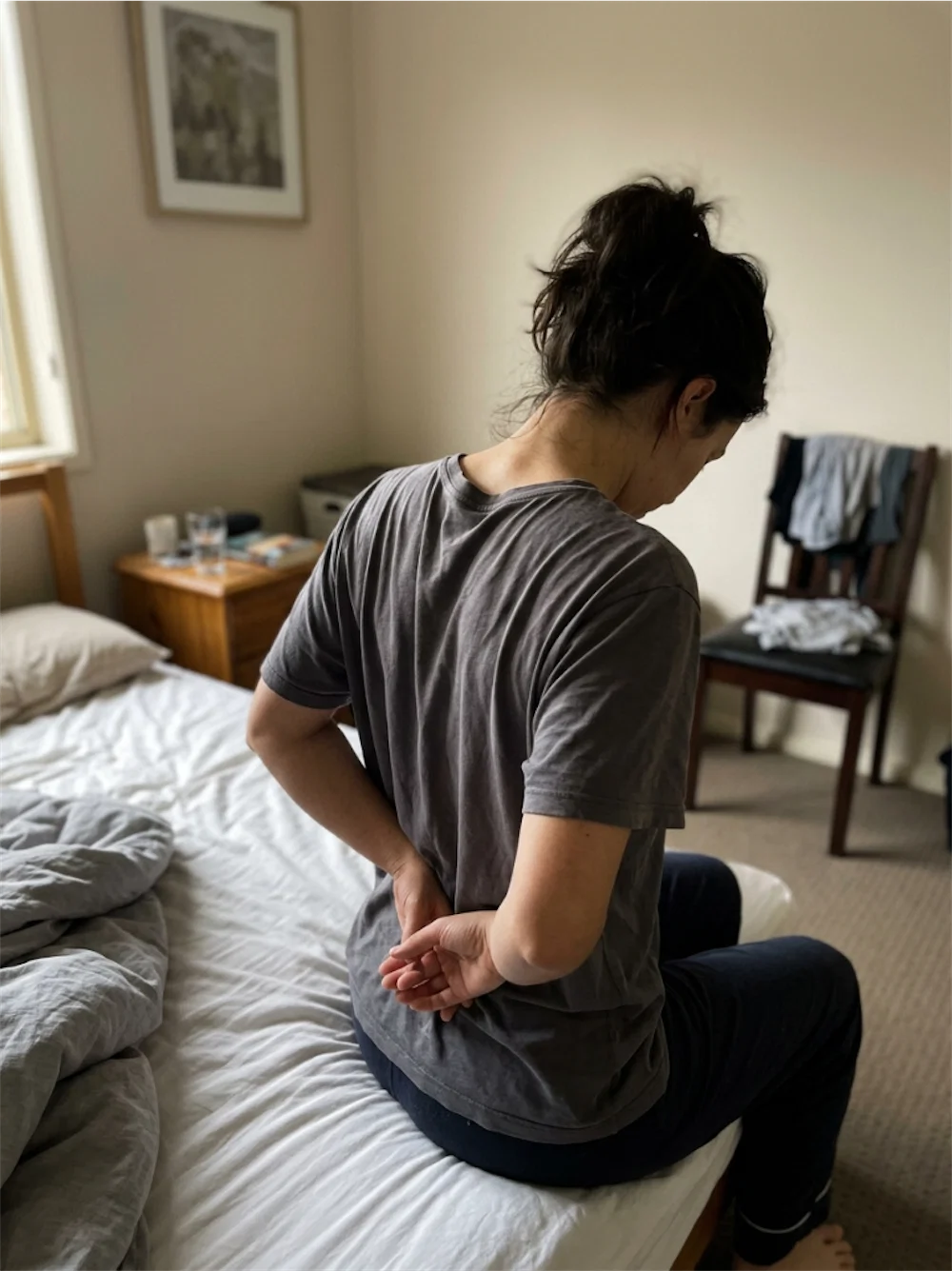
Trauma causes chronic pelvic floor tension because the pelvic muscles act as a central physical anchor for the body’s fight, flight, or freeze response. When the nervous system remains chronically dysregulated from emotional abuse, these muscles lock up to protect vital organs, creating persistent physical guarding.
Have you ever noticed how your body naturally clenches when you are startled? In a healthy dynamic, that clench is temporary, and your muscles soon return to normal. But in my decade-long toxic relationship, the startling never stopped, and my body forgot how to relax.
The pelvic floor is a highly sensitive muscular hammock that supports your bladder, bowel, and reproductive organs. When we experience emotional trauma or chronic stress, these muscles instinctively contract as a form of physical armor. This muscular guarding is an automatic survival mechanism, not a conscious choice.
This persistent physical contraction is well-documented in medical research. As outlined in the NCBI StatPearls literature on chronic pelvic pain, emotional stressors and psychological trauma can directly trigger pelvic floor tension myalgia. Your nervous system is simply trying to shield your most vulnerable areas from perceived threat.
The Biological Link: Fight, Flight, and the Pelvic Bowl
When you live under the constant threat of narcissistic rage or borderline splitting, your sympathetic nervous system is working overtime. This flood of stress hormones keeps your muscles primed for action. The body does not differentiate between a physical predator and an emotionally volatile partner.
How does this affect your lower body specifically? The pelvic floor is deeply wired into the autonomic nervous system. When your brain registers danger, it sends signals to tighten this core area to protect your center of gravity and vital organs. It is like driving a car with the emergency brake permanently engaged.
Over twelve years of walking on eggshells left me with a constant, dull ache in my pelvic region. I did not realize my body was stuck in a chronic freeze response. If you are experiencing similar symptoms, you might also find yourself dealing with trauma bond withdrawal symptoms as you try to heal.
To truly release this deep-seated physical tension, stretching alone is not enough. You need a systematic, daily approach to calm your overactive nervous system and teach your pelvic muscles that it is finally safe to let go. I highly recommend using the body-based exercises in the guide below to safely help your body return to a state of natural ease.
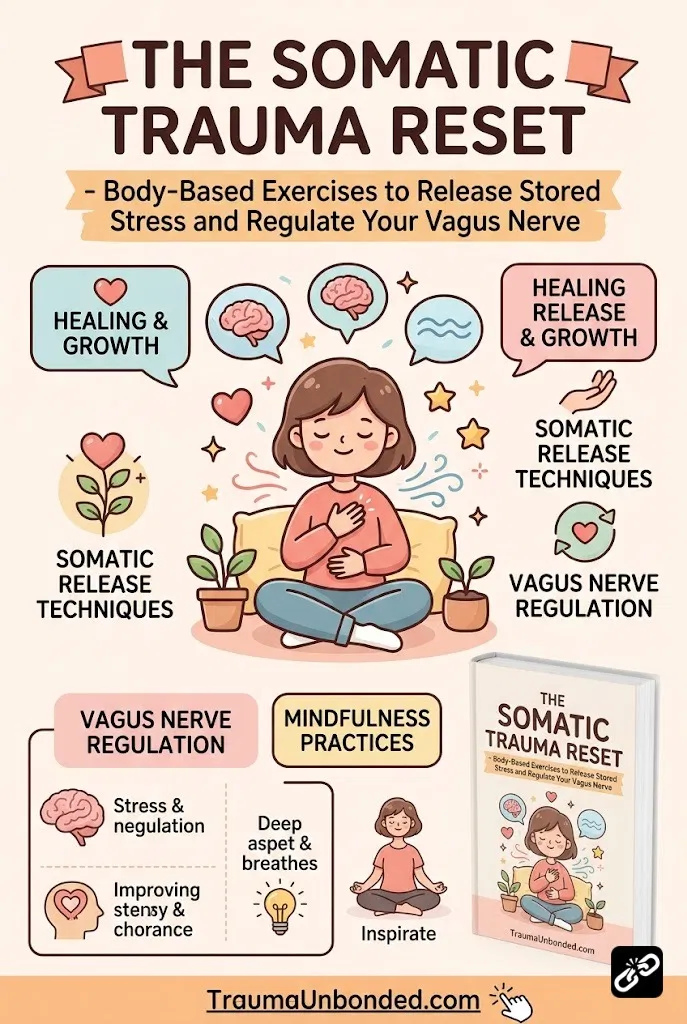
Somatic Exercises to Relieve Trauma-Induced Pelvic Tension

Healing your pelvic floor is not about pushing through the pain or doing intense workouts. In fact, aggressive exercises can sometimes trigger the nervous system to tighten even more. When the body feels forced, it naturally resists and tightens further to defend itself.
Instead, we must focus on gentle, nervous-system-first movements. These techniques communicate safety to your brain, allowing the pelvic bowl to naturally soften. When you treat your body with patience, the muscles finally feel safe enough to unlock.
Here are three highly effective somatic practices that helped me reclaim my physical freedom:
- Deep Diaphragmatic Breathing: When you inhale, your diaphragm moves down, and your pelvic floor should naturally expand and drop. Focus on slow, gentle belly breaths, letting go of any bracing in your stomach.
- Constructive Rest Position: Lie on your back with your knees bent and feet flat on the floor, about hip-width apart. Let your knees rest gently against each other and place your hands on your lower abdomen, focusing on the warmth of your palms.
- Gentle Hip Openers: Very slow movements, like a happy baby pose or supported butterfly stretch, can help release the fascia around the hips and pelvic area.
Reclaiming Your Body After Years of Emotional Abuse
It takes time for your body to realize that the threat is gone. After twelve years of survival, I did not wake up one day suddenly free of physical pain. The road to healing was a gradual unfolding, requiring immense patience and daily self-compassion.
It was a slow, deliberate process of rebuilding trust with my own body. Daily grounding and somatic check-ins helped me step out of the chronic freeze state. I had to learn how to feel my feelings without letting them lock up my muscles.
If you are still struggling with the mental loops alongside the physical tension, you might find it helpful to learn about nervous system regulation exercises to support your overall recovery journey. Your body is not broken; it has simply been trying very hard to keep you safe.
Your Path Forward to Physical and Emotional Freedom
You do not have to carry the weight of your past relationship in your pelvic floor forever. By shifting your focus from forceful stretching to gentle, nervous-system-first somatic healing, you can release the physical armor of trauma. Take your time, be incredibly gentle with yourself, and remember that your body knows how to heal when given the right space.
To begin your daily path to physical release, check out The Somatic Trauma Reset and start reclaiming your health today. You deserve to live in a body that feels safe, grounded, and entirely your own.

Meet Your Guide
Helen Brooks
After surviving a 12-year NPD/BPD relationship, I dedicated over a decade to studying trauma bonding and nervous system recovery. My mission is to help you break free from the fog and reclaim your authentic self.
Ready to break the trauma bond and reclaim your life?