Digital Safety After Abuse: How to Protect Your Location and Accounts from a Stalker Ex
Digital safety after abuse is one of the most critical steps to take when learning how to protect your location and accounts from a stalker ex. During my own twelve-year relationship with a partner who struggled with intense narcissistic and borderline personality traits, I did not realize how deeply my life was being monitored until I tried to leave. Suddenly, they knew about private conversations I had with my family, and they even knew exactly which grocery store I visited on a Tuesday afternoon. Reclaiming your privacy is not just about changing a password; it is about building a secure, digital boundary so you can finally breathe again without looking over your shoulder.
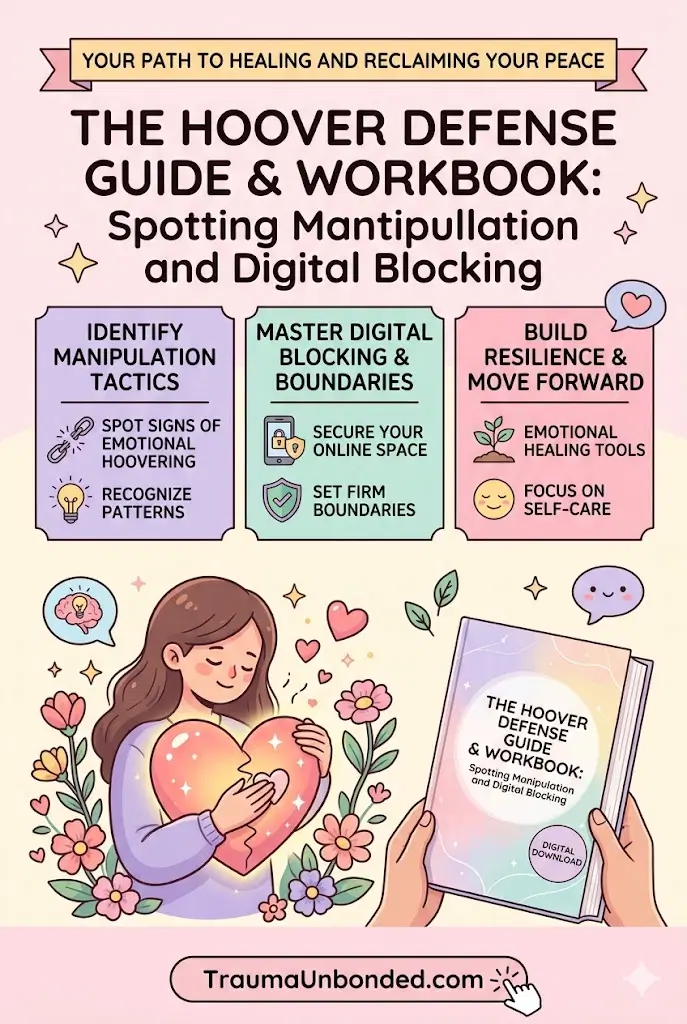
In those heavy first weeks after walking away, my world felt small, lonely, and incredibly frightening. I was completely isolated from my friends, had abandoned every hobby I used to love, and truly believed my life would always feel miserable. Through therapy, I slowly learned about trauma bonds and codependency, realizing that my phone was actually a digital link keeping me tethered to the constant chaos. To help you block these digital intrusions, I recommend using The Hoover Defense Guide & Workbook, which offers detailed, practical strategies for spotting manipulation and taking control of your online footprint.
What is Digital Stalking After an Abusive Relationship?
Digital stalking is the use of technology, such as location sharing, shared accounts, and spyware, to track, harass, or monitor an ex-partner’s activities after a breakup. Protecting yourself requires systematically auditing your devices and severing all digital links to the abuser.
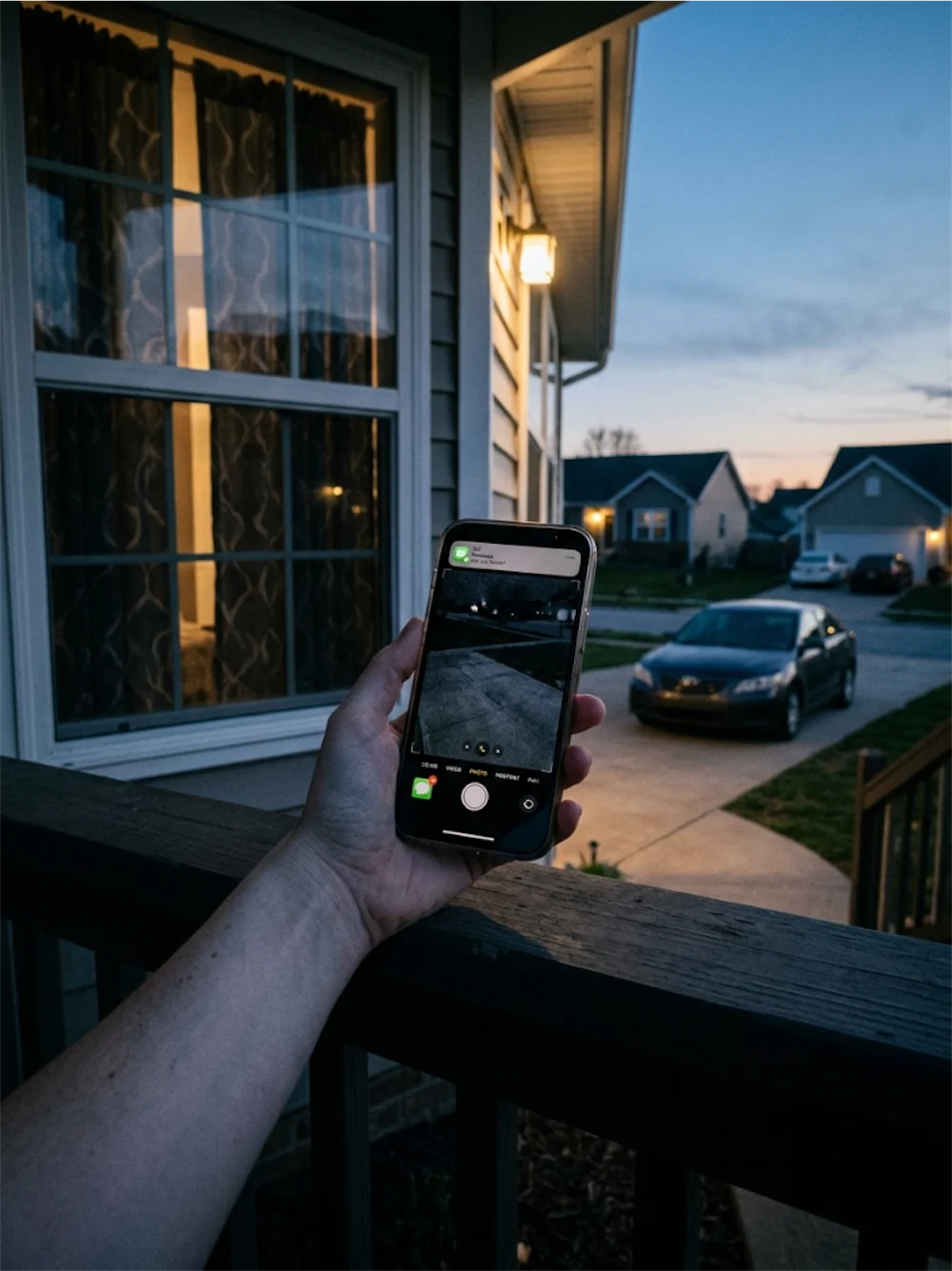
When you escape a toxic dynamic, you expect the physical distance to bring instant peace. But many survivors find that their stalker ex uses digital shadows to remain present in their daily lives. In my situation, the constant notifications and unexplained “coincidences” where my ex would show up in my neighborhood kept my nervous system in a permanent state of fight-or-flight.
Did you know that shared family plans, smart home devices, and even streaming services can be weaponized against you? They use these platforms because it gives them a sense of control, feeding their need for updates on your life. To break this dynamic, you must implement a strict, radical no-contact guide that covers both your physical and digital life.
Many survivors mistake this persistent monitoring as a sign that their ex simply misses them. In reality, it is a manipulation tactic meant to keep you destabilized and dependent. Knowing the signs of this behavior helps you detach emotionally and focus on your physical safety.
Step-by-Step Guide to Securing Your Personal Devices
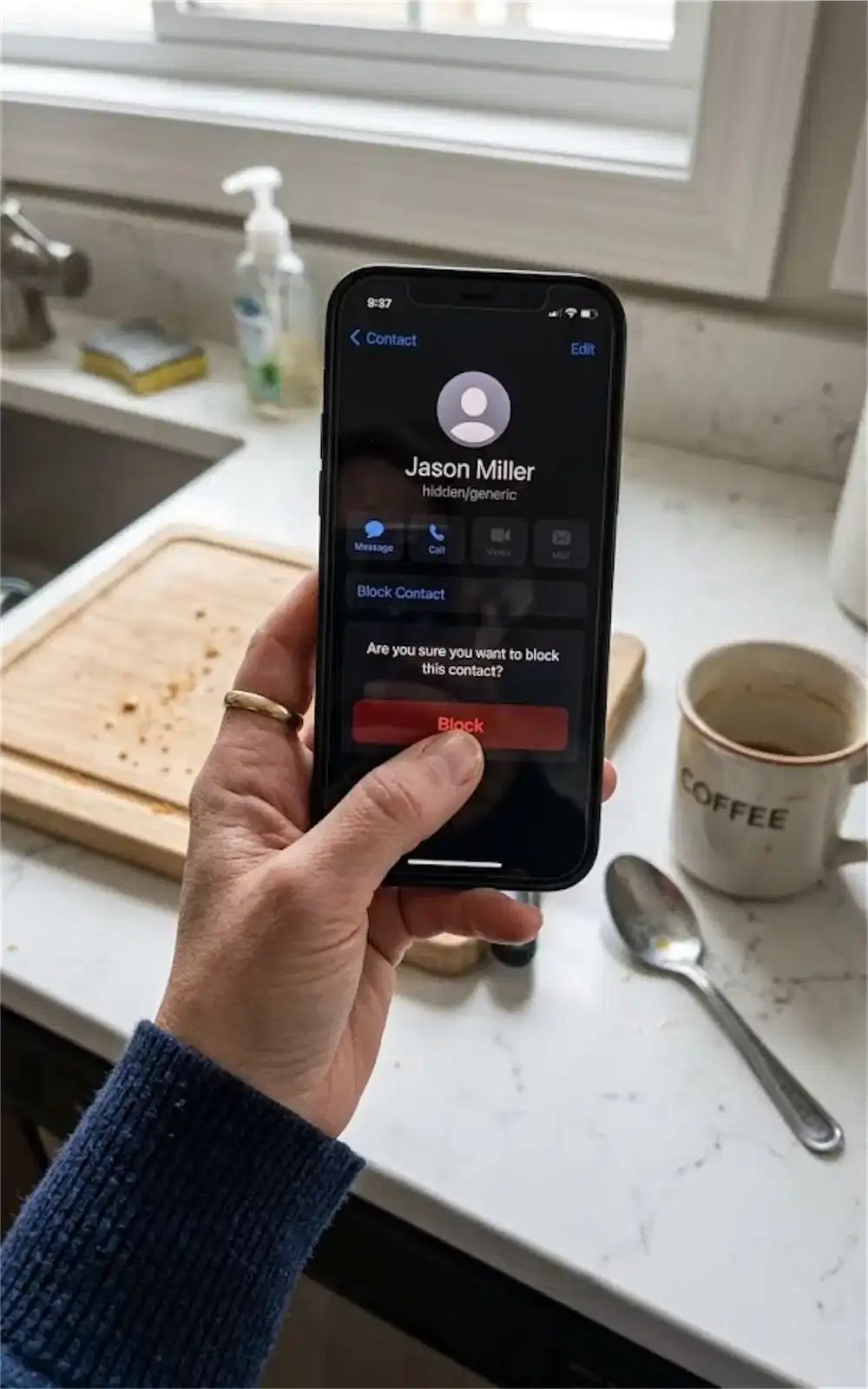
Your smartphone is the most vulnerable point of entry for a highly persistent ex-partner. During my recovery, I discovered my ex had access to my primary email account, which meant they could see every password reset request I sent. To prevent this, you need to systematically secure your hardware and primary accounts.
- Change your email passwords first: Your email is the master key to your entire digital life. If they have access to your inbox, they can bypass every other security measure you set up.
- Enable two-factor authentication (2FA): Never rely on passwords alone. Use an authenticator app rather than SMS-based codes, as SMS messages can sometimes be intercepted through SIM-swapping or shared tablets.
- Audit connected devices: Go to your Google, Apple, and social media account settings. Look for the list of “Logged In Devices” and manually log out of any computer, phone, or tablet you do not recognize or no longer own.
- Disable location-sharing services: Turn off “Find My” on Apple devices or Google Location Sharing. Check your individual apps, especially ride-sharing, food delivery, and social networking apps that run GPS in the background.
If you are feeling overwhelmed by all these technical settings, you do not have to figure it out alone. Taking back your privacy requires a structured plan so you do not miss hidden access points that your ex might still be exploiting. I put together a step-by-step roadmap designed specifically for survivors who need to sever these toxic digital ties quickly and securely.
How to Protect Your Location on Shared Services and Social Media
One of the hardest parts of my recovery was realizing how easily my ex could trace my physical location through mutual friends and social media posts. Even if you block your ex, they can still utilize third parties who share your updates with them, either maliciously or out of simple ignorance.
To establish true safety, you must strictly limit what you post and who has access to your profiles. Consider stopping all social media checks completely, and locking down your accounts to private. If you have to, make a completely new profile under a pseudonym and only add close, trusted family members who understand your situation.
Be extremely cautious about background details in your photos. A recognizable coffee shop logo, a street sign, or even the view from your new apartment window can give away your location to someone who is actively hunting for clues. This level of caution can feel exhausting, but it is a temporary shield while you rebuild your foundation.
Taking Back Your Online Freedom Safely
Recovering from the psychological toll of digital stalking requires time, patience, and a lot of self-compassion. For years, I felt like a prisoner to my phone, jumping every time it buzzed, terrified of what message or alert would appear next. The constant vigilance was a physical weight that disrupted my sleep, ruined my digestion, and left me feeling entirely depleted.
According to Psychology Today’s guidance on safety planning, managing this threat involves taking practical steps like changing all PINs, securing new email addresses, and systematically shutting down background GPS tracking on every connected device. When you take these physical actions, you are telling your brain that you are safe now, helping your nervous system step down from high alert.
As I went through therapy and worked on my codependency, I realized that my ex’s digital stalking was never about love or missing me. It was about possession. Once I locked down my accounts and cut off all digital pathways, the silence was deafening at first, but it eventually became the peaceful soil where my original, cheerful self could finally regrow.
Establishing digital boundaries is not a one-time event; it is a vital practice of self-love and protection. By systematically locking down your location settings, updating your primary email credentials, and cutting off shared access, you are closing the doors to the past. If you need a clear, actionable plan to protect yourself from digital manipulation, grab your copy of The Hoover Defense Guide & Workbook today and take back your peace of mind.

Meet Your Guide
Helen Brooks
After surviving a 12-year NPD/BPD relationship, I dedicated over a decade to studying trauma bonding and nervous system recovery. My mission is to help you break free from the fog and reclaim your authentic self.
Ready to break the trauma bond and reclaim your life?