Reclaiming Your Sexual Agency and Intimacy After Narcissistic Abuse
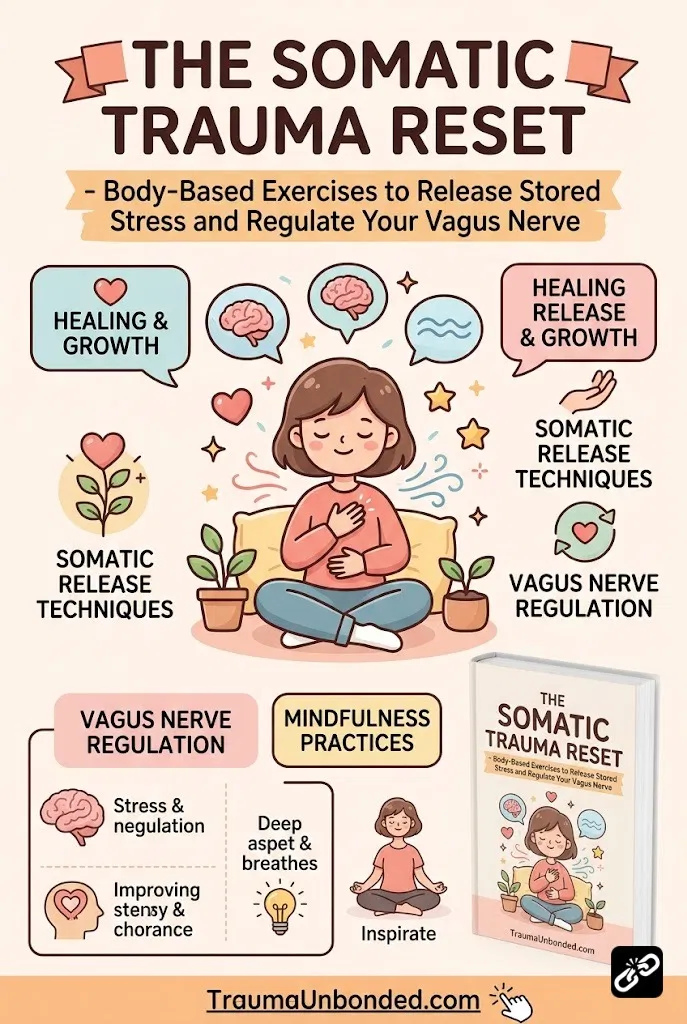
Reclaiming your sexual agency after narcissistic abuse is a silent, painful struggle for many survivors. Many of us spend years trying to rebuild our self-worth while ignoring the profound physical disconnection we feel. If you are struggling with intimacy, feeling numb, or experiencing intense anxiety during touch, this is a normal physical consequence of long-term survival mode. You can begin body-based healing today with The Somatic Trauma Reset, which teaches you how to release stored relational shock.
During my 12-year relationship with a partner who displayed severe NPD and BPD traits, my physical boundaries were systematically eroded. I went from a cheerful, optimistic person to someone who felt entirely hollow, completely shut off from my own desire. After the breakup, I was physically devastated, isolated from friends, and felt my life was completely miserable. Slowly healing through professional therapy and studying codependency showed me how deeply trauma bonds affect the body. Today, I am grateful to have returned to my grounded, cheerful self, but I will never forget how terrifying that physical numbness felt.
What Does It Mean to Reclaim Your Sexual Agency After Narcissistic Abuse?
Reclaiming your sexual agency after narcissistic abuse means restoring your personal boundaries, rediscovering physical pleasure on your own terms, and healing the deep nervous system disconnection caused by years of chronic manipulation and boundary violations.
With a toxic partner, physical closeness is often used for control, validation, or emotional release. You might agree to intimacy simply to keep the peace, a response known as fawning. Over years of this conditioning, your brain associates physical contact with performance and survival rather than connection. Have you noticed your body tensing up at the thought of being close to someone? That tension is your body protecting you, not a defect.
This pattern of physical boundary violations can trigger a deep sense of shame and confusion. During my recovery, I had to accept that my libido had not vanished forever; it had simply gone into hiding to keep me safe. Healing this wound requires untangling our physical responses from the old, toxic cycle and learning to own our bodies once again.
How Trauma Armor and Freeze Responses Sabotage Intimacy

Trauma armor is a physical phenomenon where your muscles remain chronically tense to shield you from emotional attacks. When you spend years walking on eggshells, your pelvic floor, jaw, and shoulders hold onto that stress. This muscular guarding prevents you from feeling relaxed, which is a prerequisite for arousal. In my own healing journey, I realized my chronic jaw tension and pelvic tightness were directly tied to the unresolved stress of my 12-year toxic relationship.
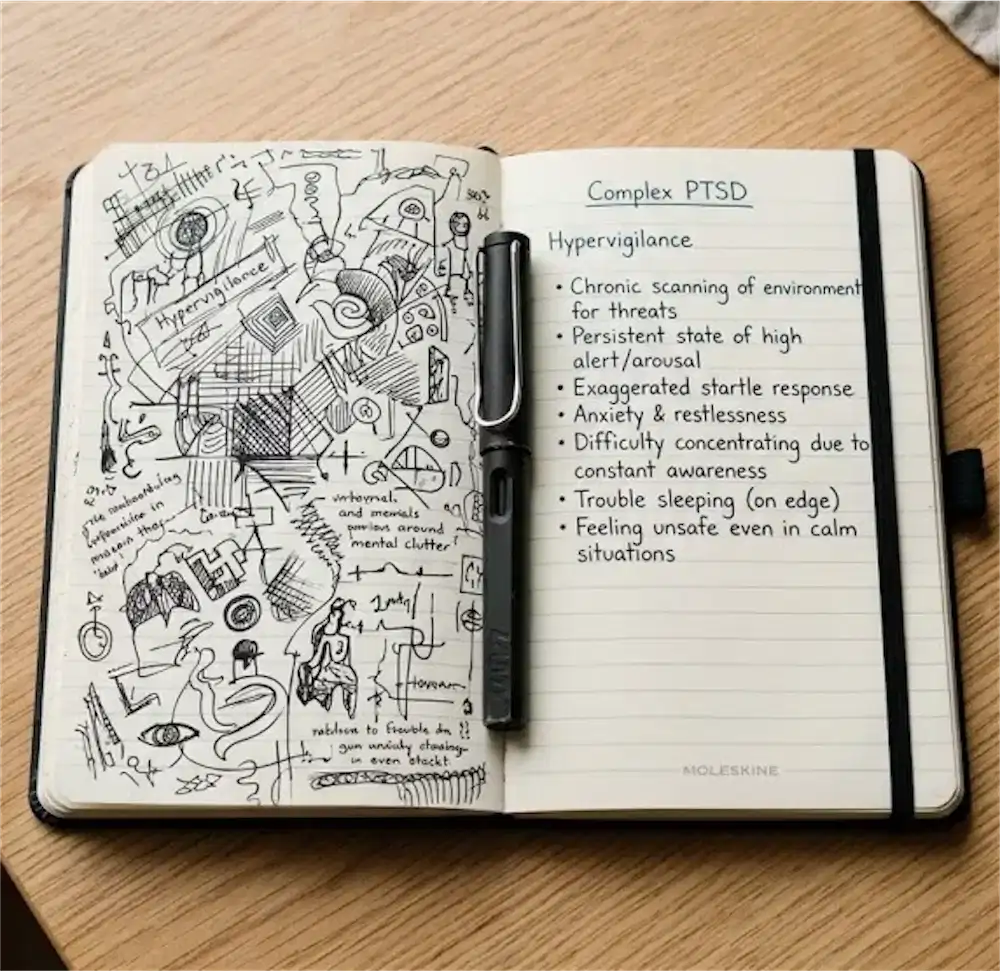
When an abusive partner alternates between intense love-bombing and cold rejection, your body stays trapped in a cycle of hyperarousal. Over time, this chronic stress wears down your nervous system. In many cases, when intimate contact occurs, survivors slip into a functional freeze response, dissociation, or physical numbness. This is your brain’s way of checking out when it feels trapped, protecting your mind from the distress of physical intimacy without true safety.
This physical shutdown is not something you can intellectually reason your way out of. To rebuild your physical autonomy, you must work directly with your body to release the stress stored in your tissues. By using targeted somatic techniques, you can show your brain that the danger has passed. To assist you on this path of physical and emotional recovery, we have created a specialized guide to help you release this tension at home.
Deconstructing the Trauma Bond and Rewriting Your Narrative
A crucial step in healing is untangling the trauma bond biochemical addiction that convinces your brain that high-intensity cycles equal passionate love. Narcissists and BPD partners often rely on intense cycles of validation and rejection to keep you hooked. This volatile dynamic mimics addiction, making healthy, calm intimacy feel boring or unsafe at first. If you are experiencing BPD relationship trauma recovery, you must actively reprogram your brain to associate peace with pleasure.
Clinical evidence connects psychological trauma to sexual dysfunction, showing that post-traumatic stress directly decreases sexual satisfaction and desire. When you are constantly anticipating threat, your body shifts its blood flow away from reproductive systems to prepare for fight or flight. Over ten years, this baseline level of fear alters how you view physical touch. Understanding that your lack of desire is a normal somatic response, rather than a personal failure, is highly freeing.
How do you rewrite this deep narrative? It starts with recognizing that you are the sole author of your physical boundaries now. You no longer have to perform, soothe someone else’s emotional storm, or sacrifice your comfort for their ego. Your body belongs entirely to you, and you get to decide when, how, and with whom you share it.
Step-by-Step Somatic Reconnection Exercises
To safely rebuild intimacy, you must first learn to feel safe alone inside your own physical frame. Here are a few practical, somatic steps to help you reconnect with your authentic self after abuse:
- Daily Body Scans: Lie down in a quiet room and bring awareness to each part of your body. Gently breathe into areas of tightness, such as your jaw, allowing them to soften.
- Self-Directed Safe Touch: Spend time rubbing lotion on your hands or shoulders, focusing on the sensory feelings. This separates touch from external demands.
- Establish Soft Boundaries: Practice saying no to minor things daily to rebuild your limit-setting muscles. Knowing you can stop any physical interaction at any second restores control.
- Vagus Nerve Regulation: Use slow, extended exhalations to trigger your nervous system’s brake pedal. Calming this path is essential to shift out of hyper-vigilant states.
In my recovery, I practiced these grounding techniques for months before my body stopped reacting to touch with panic. I learned to celebrate small victories, like sitting without clenching my jaw. Be incredibly patient as your body learns the emotional war is over.
Pacing New Intimate Connections Safely
Entering the dating world again can feel incredibly intimidating when your trust has been shattered. The key to pacing new intimate connections is radical transparency with yourself about what you are feeling. If you choose to share physical space with someone new, remember that you are in complete control of the speed of the relationship. A healthy partner will never rush you, guilt-trip you, or make you feel bad for needing to slow things down.
Watch out for partners who try to bypass your physical boundaries early on under the guise of intense chemistry. Real intimacy is built on mutual respect, slow consistency, and emotional safety. If your body screams “danger” even when your mind says “they seem nice,” listen to your physical intuition. Your gut has been finely tuned by what you survived, and its job is to keep you safe.
Your path to reclaiming physical autonomy is not a sprint, and your body is not broken; it is simply recovering from a long period of survival. Rebuilding your capacity for intimacy takes time, gentle practice, and massive doses of self-compassion. As you continue to untangle the physical impacts of past abuse, consider using The Somatic Trauma Reset to support your nervous system in letting go of stored tension. You deserve to feel safe, grounded, and fully present in your own skin once again.

Meet Your Guide
Helen Brooks
After surviving a 12-year NPD/BPD relationship, I dedicated over a decade to studying trauma bonding and nervous system recovery. My mission is to help you break free from the fog and reclaim your authentic self.
Ready to break the trauma bond and reclaim your life?