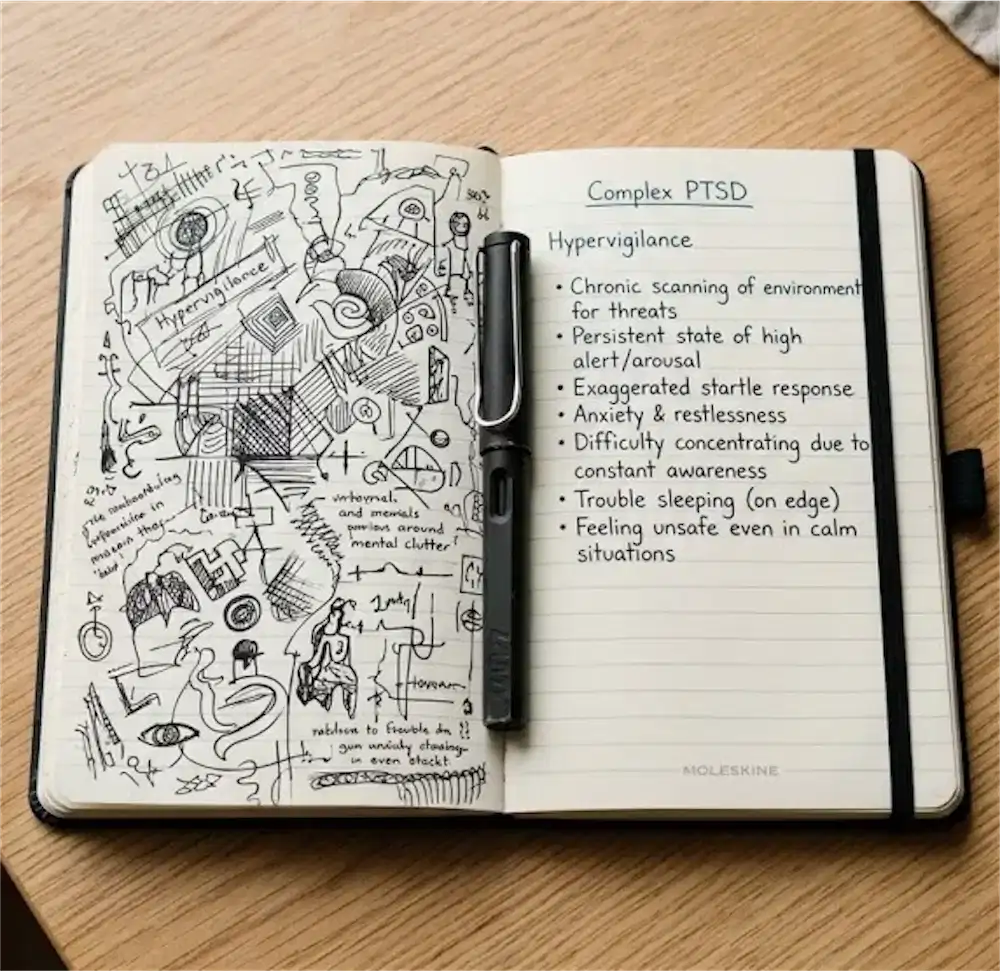
The Drama Addiction Detox: Reclaiming Peace When Calmness Feels Threatening
Starting a drama addiction detox is the hardest step in reclaiming peace when calmness feels threatening. If you are recovering from a long-term toxic relationship, you know how hard it is to let your guard down. When your body is used to constant chaos, a quiet afternoon feels like the buildup before another emotional storm.
I spent 12 years walking on eggshells with a partner who cycled through intense highs and extreme lows. That long-term exposure left me with a deep trauma bond biochemical addiction that made peaceful moments feel like a trap. When the relationship finally ended, I was devastated, isolated from friends, and had no hobbies left. I felt entirely hollow, yet my nervous system was still running at full speed.
Do you find yourself picking fights or checking your phone constantly when things are quiet? That is not a personal failure. It is your survival system screaming for the familiar spikes of stress hormones it lived on for years. Learning how to quiet this internal alarm is how we begin to heal.
What Is a Drama Addiction Detox?
A drama addiction detox is the intentional process of retraining a dysregulated nervous system to accept peace, stability, and quiet without perceiving them as immediate threats. It involves breaking the biochemical dependency on chronic stress hormones like cortisol and adrenaline built up during toxic relationships.

When you survive a toxic partner, your baseline for what is normal gets completely rewritten. Quiet is never just quiet; in a dysfunctional dynamic, silence usually means the silent treatment or the agonizing wait before a massive blowup. Your brain learns to associate peace with oncoming danger, which is why a stable environment feels so terrifying at first.
This detox is about slowly teaching your body that the danger has passed. It is not about forcing yourself to feel happy overnight. Instead, it is about learning to sit in a quiet room and realizing that no one is going to scream at you, blame you, or demand your energy.
During my recovery, I had to stop looking at peace as an empty, scary void. I had to see it as a clean slate. When we start this process, we are not just changing our daily habits, we are physically changing how our nerves respond to silence.
Why Your Brain Rejects Calmness After a Toxic Relationship

Living through a decade of emotional volatility physically alters your brain chemistry. The constant cycle of abuse, temporary makeups, and sudden abandonment creates a strong biochemical dependency. Your body relies on massive surges of adrenaline and cortisol to keep you alert and safe from harm.
When you finally escape, those hormone levels do not just drop to a normal state. Your nervous system remains on high alert, waiting for the next crisis to justify the chemical cocktail flowing through your veins. When nothing happens, your mind creates internal anxiety to match your physical agitation, which triggers severe trauma bond withdrawal symptoms.
Why does a nice, stable conversation feel boring or unsettling to you now? Because your brain is misinterpreting the lack of conflict as a lack of connection. In reality, it is simply the absence of the toxic cycle you were conditioned to survive for years. We must learn to recognize this mismatch between our physical sensations and our current reality.
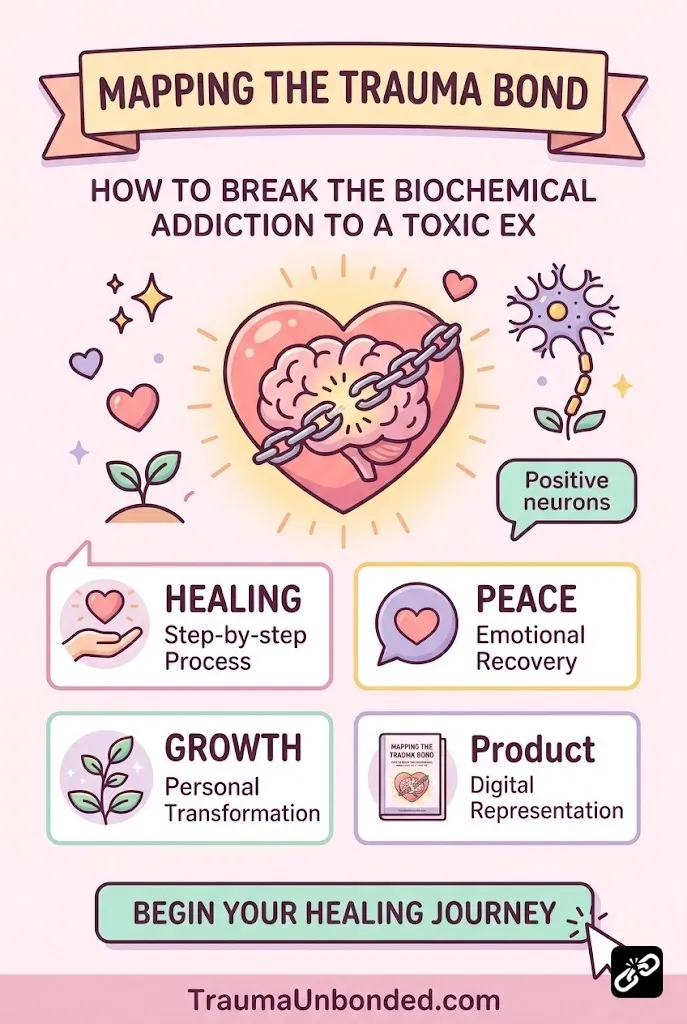
Breaking this chemical cycle requires a clear roadmap so you can stop running back to chaotic dynamics. If you want to understand how your body became dependent on this stress and learn how to break the cycle, our specialized workbook offers daily practical steps to reclaim your autonomy.
How to Navigate the Discomfort of Calmness
When you sit with stillness for the first time, you might experience a heavy, paralyzed feeling. This is a common survival response that happens when your nervous system is too exhausted to fight but too terrified to relax. It feels like wearing heavy armor with nowhere to go, leaving you drained yet completely unable to rest.
During my recovery, I absolutely hated weekends because they had no structure. Without a crisis to manage or a partner to placate, I felt completely lost. I would clean the kitchen three times or pace the floor, waiting for an imaginary emergency. I had to learn that my body was simply discharging years of accumulated tension.
Using gentle bodily movements is incredibly helpful during these moments. Instead of forcing your mind to be still, focus on physical grounding. Gentle practices like somatic breathwork for drama addiction allow your physical frame to release that excess charge safely, showing your brain that quiet is safe.
Steps to Detox From the Need for Chaos
Undoing years of conditioning is a slow process that requires patience. Your body needs consistent, predictable experiences to slowly lower its threat detection levels. Here are practical ways to start calming your system today:
- Acknowledge the discomfort: When peace feels boring or anxiety-inducing, label it. Say out loud, “I am safe, and my body is just missing the old adrenaline rush.”
- Create small, predictable routines: Establish simple morning or evening rituals. These predictable habits give your brain a sense of safety without needing external crises to focus on.
- Limit high-stimulation inputs: Avoid loud, chaotic media, fast-paced video games, or constant scrolling. Your nervous system cannot tell the difference between real-life threats and digital chaos.
- Rebuild your social circle carefully: Spend time with people who do not require you to perform or manage their emotions. True friendship should feel grounded, not like an emotional rollercoaster.
According to experts writing for Psychology Today, a history of relational trauma makes us highly sensitive to changes in our environment, causing us to mistake a lack of drama for abandonment or danger. To reverse this, we must build a toolkit of reliable nervous system regulation exercises to anchor ourselves back to the present moment.
Finding Your Way Back to Your True Self
For a long time, I believed my cheerful, optimistic nature was gone forever. I thought the toxic relationship had permanently broken my spirit. But through professional therapy, learning about codependency, and committing to daily healing, I slowly returned to my original self.
Your true self is still there, waiting under all that survival armor. Reclaiming that person takes time, but the quiet life you are building is worth every uncomfortable step. You deserve to live in a world where peace is not a threat, but a comforting home.
Healing your body after a toxic relationship is about learning to feel safe in the quiet moments. It is a slow, daily practice of reminding your nervous system that the storm is over and the sky is clear. If you are ready to take control of your recovery and break the physical pull of your past, download Mapping the Trauma Bond today to start your journey toward true peace.

Meet Your Guide
Helen Brooks
After surviving a 12-year NPD/BPD relationship, I dedicated over a decade to studying trauma bonding and nervous system recovery. My mission is to help you break free from the fog and reclaim your authentic self.
Ready to break the trauma bond and reclaim your life?