How to Untangle Your Finances and Credit After Leaving a Financial Abuser
If you are trying to untangle your finances and credit after leaving a financial abuser, you are likely dealing with a mixture of fear and confusion. Leaving a relationship where your money was used as a tool of control is exhausting. When I finally walked away from a twelve year toxic relationship with a partner who showed deep NPD and BPD traits, I had no hobbies, very few friends left, and a bank account that was completely drained.
It took years of therapy and practical rebuilding to realize that financial recovery is just as critical as emotional recovery. If you are currently feeling paralyzed by the damage done to your credit score or the debt left in your name, please know you are not alone. Reclaiming your financial independence is entirely possible once you break the trauma bond and implement a clear, step by step recovery strategy like the one outlined in our Radical No-Contact Guide & Workbook.
How do we begin to clean up a mess we did not create? The process of reclaiming your financial life requires patience, documentation, and strict boundaries. Let us look at how you can protect your cash, rebuild your damaged credit, and establish safety.
Understanding Financial Abuse and How It Ruins Your Credit
Financial abuse is a deliberate tactic where an abuser controls your access to economic resources, limits your ability to earn money, or ruins your credit score to make you completely dependent on them and unable to leave.
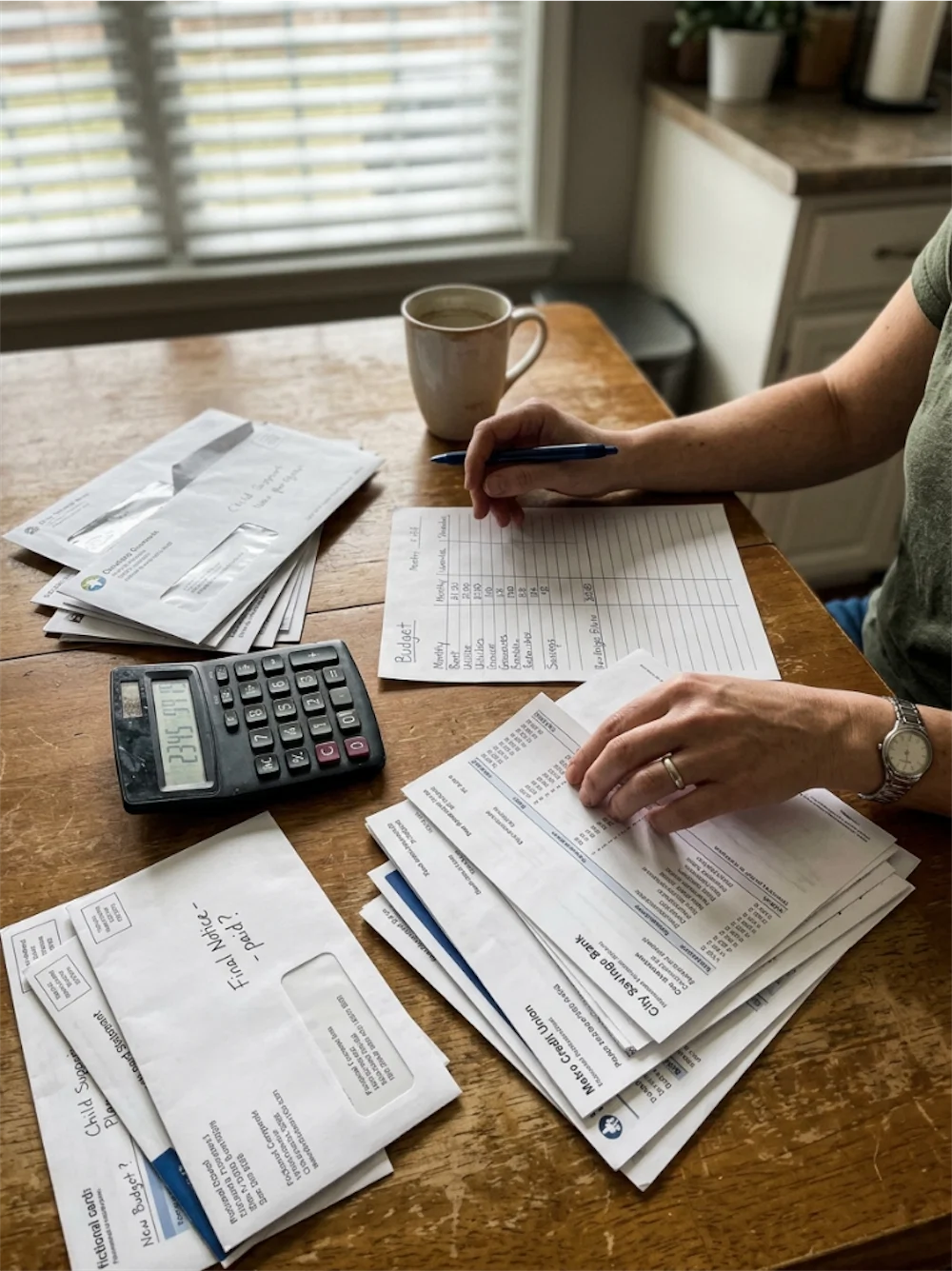
In my twelve year relationship, the financial manipulation started so slowly that I barely noticed. At first, my partner wanted to handle all the household bills because they claimed to be better with numbers. Over time, this shifted into a rule where I had to hand over my paychecks and ask for an allowance just to buy basic groceries.
This type of control is often recognized as economic abuse as an invisible form of interpersonal violence. The abuser might open credit cards in your name without your knowledge, run up massive debts, or refuse to pay joint bills to tank your credit score. They do this because they know a ruined credit score makes it incredibly difficult for you to sign a lease on an apartment or purchase a car to escape.
Have you been struggling with the aftermath of unauthorized accounts or hidden debts? This is a common post separation tactic designed to keep you tethered to the abuser. Understanding that this was a system of control, not just bad luck, is the first step in your journey toward financial abuse recovery and rebuilding your finances.
The Immediate Steps to Protect Your Money and Credit
When you first separate from a toxic partner, your immediate priority is containment. You need to stop the financial bleeding before you can begin to heal. This means cutting off their access to your current and future income immediately.
Start by opening a brand new bank account at a completely different financial institution. If you use the same bank you shared with your ex, tellers who are familiar with your old joint account might accidentally give them access or share information about your new balance. Make sure your direct deposits from work are routed to this new account immediately.
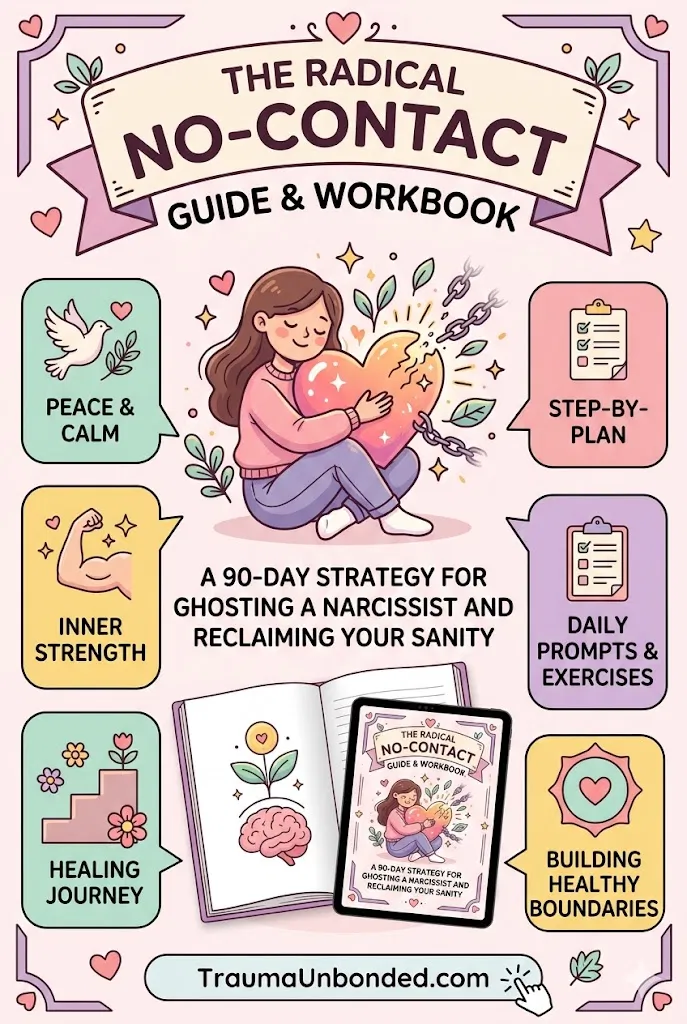
To safely navigate the daunting process of cutting ties and safeguarding your personal security, having a structured, step by step plan is absolutely essential. If you are ready to completely block out the chaos and build a rock solid boundary around your life, the workbook below is designed to guide you through every critical phase of your transition.
Freeze Your Credit and Pull Your Reports
One of the most powerful steps you can take is to freeze your credit with the three major credit bureaus: Equifax, Experian, and TransUnion. A credit freeze is free and prevents anyone from opening new accounts or taking out loans in your name. If your ex has your Social Security number, this is the only way to stop them from secretly running up more debt.
Once your credit is frozen, pull your official credit reports to see exactly what you are dealing with. Check for any credit cards, car loans, or personal loans that you do not recognize. If you find fraudulent accounts, you will need to file a police report for identity theft to begin disputing those charges.
Are you feeling overwhelmed by the sheer volume of paperwork and debt? When I sat at my kitchen table looking at the bills my ex left behind, my chest felt incredibly tight. Taking it one single account at a time is the only way to get through it without collapsing into panic.
Untangling Joint Accounts and Shared Liabilities
If you still have joint credit cards or bank accounts, you must contact the creditors immediately. Ask them to close the accounts or remove your name if possible, though joint debt can be complicated to separate without a legal agreement. If you are married, this is where a family law attorney can help you structure a legal separation or divorce decree that assigns the debt back to the abuser.
For those who are preparing to leave or have just left, having a detailed narcissist financial escape plan is vital. Keeping physical copies of all your statements, tax returns, and pay stubs hidden in a safe place or stored digitally on a secure cloud account is highly recommended. These documents will be your shield if your ex tries to lie about your joint assets in court.
Healing Your Trauma Bond and Reclaiming Your Relationship with Money
Financial abuse does not just ruin your credit score; it completely distorts your relationship with money and safety. When you spend over a decade walking on eggshells, money becomes associated with punishment, hypervigilance, and survival. You might find yourself hoarding cash out of fear, or conversely, feeling too anxious to even look at your bank balance.
Healing your relationship with money is deeply tied to somatic recovery and calming your nervous system. In my twelve years of survival mode, my body learned to treat financial tasks as a threat. Every time I had to pay a bill, my heart rate would spike and my mind would go blank.
To heal, you must separate your self worth from your bank account balance. Your credit score is just a number that can be rebuilt over time, not a reflection of your value as a human being. Be gentle with yourself as you work through self-doubt after abuse recovery and learn to build a safe, peaceful life on your own terms.
Reclaiming your life is a journey of small, quiet victories. Each frozen card, each closed account, and each dollar you save in your own name is a step toward freedom. If you need a detailed, daily roadmap to help you maintain strict boundaries and rebuild your life from scratch, consider working through the Radical No-Contact Guide & Workbook to find your peace once again.

Meet Your Guide
Helen Brooks
After surviving a 12-year NPD/BPD relationship, I dedicated over a decade to studying trauma bonding and nervous system recovery. My mission is to help you break free from the fog and reclaim your authentic self.
Ready to break the trauma bond and reclaim your life?