Chronic Fatigue Syndrome (ME/CFS) and Chronic Stress: The Physical Cost of Emotional Abuse
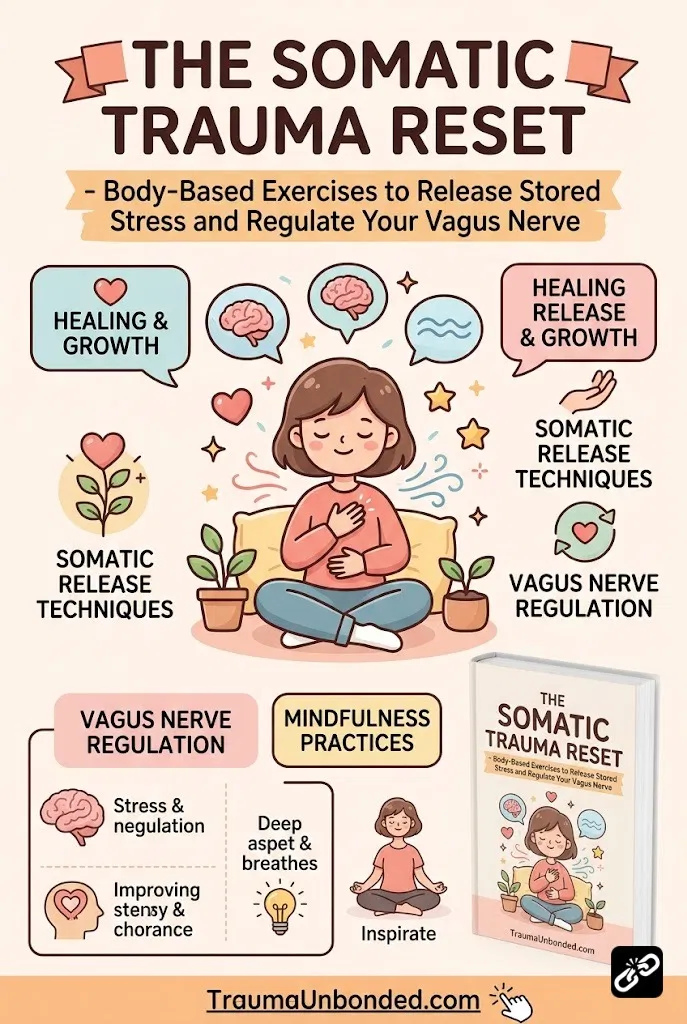
Chronic fatigue syndrome (ME/CFS) and chronic stress are often the heavy physical bill that comes due after years of enduring emotional abuse. When I finally escaped my 12-year toxic relationship with a partner who displayed severe narcissistic and borderline traits, my body simply collapsed. I was isolated, completely disconnected from my hobbies, and felt like a shell of a human. If you are struggling with debilitating exhaustion, muscle pain, and brain fog, you need to understand that your fatigue is not imaginary. You can begin restoring your physical energy with The Somatic Trauma Reset, which targets the precise physical toll that toxic dynamics take on your nervous system. Did you know that your body has been running on emergency survival fuel for so long that its power plants have literally shut down?
Living with a partner who swings from intense adoration to cold rejection puts your nervous system through constant whiplash. Your body does not know the difference between a physical threat and the emotional threat of a screaming argument or a week-long silent treatment. It responds to both by flooding your bloodstream with stress hormones. Over a decade of this biological overload will eventually break down your physical health.
How Chronic Stress from Emotional Abuse Triggers Chronic Fatigue Syndrome
Chronic fatigue syndrome (ME/CFS) and chronic stress triggered by emotional abuse occur when the nervous system remains in a perpetual fight-or-flight state, eventually causing the hypothalamic-pituitary-adrenal (HPA) axis to burn out and deplete the body of its physical energy reserves.

During my decade-long relationship, I thought my constant exhaustion was just a sign of getting older or working too hard. In reality, walking on eggshells every single day was keeping my stress hormones at toxic levels. Emotional abuse is not just a mental battle; it is a physical assault on your biology.
When you are constantly subjected to gaslighting, sudden rages, and unpredictable silent treatments, your brain registers this environment as a life-threatening danger zone. Your adrenals pump out massive amounts of cortisol and adrenaline. Over time, this constant flooding damages your immune system and disrupts your cellular energy production.
According to research published by the National Institutes of Health, prolonged psychological stress is directly correlated with system-wide inflammation and the onset of severe fatigue conditions. Your mitochondria, the tiny powerhouses in your cells, start failing to produce energy because they are stuck in a defense mode. You cannot think, sleep, or move because your body has forced a shutdown to save your life.
The Physical Cost of Staying in a Toxic Relationship
When we talk about the aftermath of toxic partners, we often focus on the mental scars. But the reality is that emotional abuse leaves behind deep somatic wounds that require targeted healing. You might experience chronic joint pain, persistent digestive issues, and a heavy, weighted feeling in your limbs that makes getting out of bed feel like climbing a mountain.
I remember days when my arms felt like lead weights. I could barely lift a coffee mug, and my doctors were baffled because my standard blood tests always came back normal. This is a classic symptom of the physical health symptoms toxic relationship dynamics inflict on survivors. The body holds the tension of every unexpressed boundary and every swallowed truth.
Living with a partner who swings from idealization to devaluation creates a brutal cycle of physiological whiplash. One minute your body is flooded with dopamine during a brief period of peace, and the next it is flooded with cortisol during a sudden accusation. This constant back-and-forth drains your physical reserves, eventually paving the way for chronic fatigue syndrome.
If you are ready to stop analyzing the mental abuse and start healing the physical toll it took on your cells, you need a structured, body-based approach to get your life back. I designed a practical framework to help you release this deeply stored tension and jumpstart your physical recovery.
Reclaiming Your Energy After the Trauma Bond Is Broken

Healing from severe, long-term exhaustion requires more than just sleeping ten hours a night or taking vitamins. When you are recovering from a trauma bond, your brain has to unlearn the expectation of constant danger. How do you teach a nervous system that has been hypervigilant for years that it is finally safe to rest?
The first step is establishing absolute safety and minimizing contact with your abuser. Every single interaction, even a simple text message, can trigger a massive surge of stress hormones that resets your physical recovery clock. If you are struggling with post-breakup exhaustion, practicing targeted nervous system regulation exercises is essential to help your body shift out of defensive freeze states.
Here are several gentle practices that helped me slowly rebuild my physical stamina:
- Gentle Somatic Tremoring: Allowing your body to naturally shake out the built-up tension from years of suppression.
- Strict Sensory Diets: Reducing loud noises, bright lights, and screens during times of deep exhaustion to give your brain a true break.
- Mindful Cold Exposure: Splashing cold water on your face to stimulate the vagus nerve and slow down a racing, anxious heart.
- Radical Boundary Setting: Saying no to social obligations that drain your limited energy reserves without feeling guilty.
You must realize that your fatigue is a protective mechanism. Your body is forcing you to slow down because it has been running a marathon with a broken leg for years. Give yourself permission to rest without the constant voice of your ex in your head telling you that you are being lazy.
Healing the Burnout of the Mind-Body Connection
We cannot separate our emotional reality from our physical health. For years, I tried to push through the exhaustion by drinking more caffeine, eating sugary foods, and trying to ignore the pain. This approach only made my crashes worse because my system was already completely out of balance.
When you are experiencing trauma fatigue no contact phases can feel incredibly heavy because the brain is undergoing a literal chemical withdrawal. The high-adrenaline environment you lived in is gone, and your system is finally feeling the true depth of the exhaustion it was masking. It is completely normal to feel like you want to sleep for weeks once the relationship ends.
Accepting that your body needs time to repair is the foundation of genuine recovery. You did not get this sick overnight, and you will not heal overnight. It took me years of steady, quiet work to reclaim my cheerful, grounded nature, but I promise you that your energy will return when your body finally feels safe.
Your exhaustion is a real, physical consequence of enduring severe psychological stress. By honoring your body’s need for deep rest, practicing somatic releasing, and maintaining strict boundaries, you can slowly guide your nervous system back to a state of balance. If you are ready to take the next practical step in releasing the physical trauma stored in your body, consider downloading The Somatic Trauma Reset to start your physical healing today.

Meet Your Guide
Helen Brooks
After surviving a 12-year NPD/BPD relationship, I dedicated over a decade to studying trauma bonding and nervous system recovery. My mission is to help you break free from the fog and reclaim your authentic self.
Ready to break the trauma bond and reclaim your life?