Setting Physical Boundaries: How to Stop Letting People Touch or Hug You When You Aren’t Ready
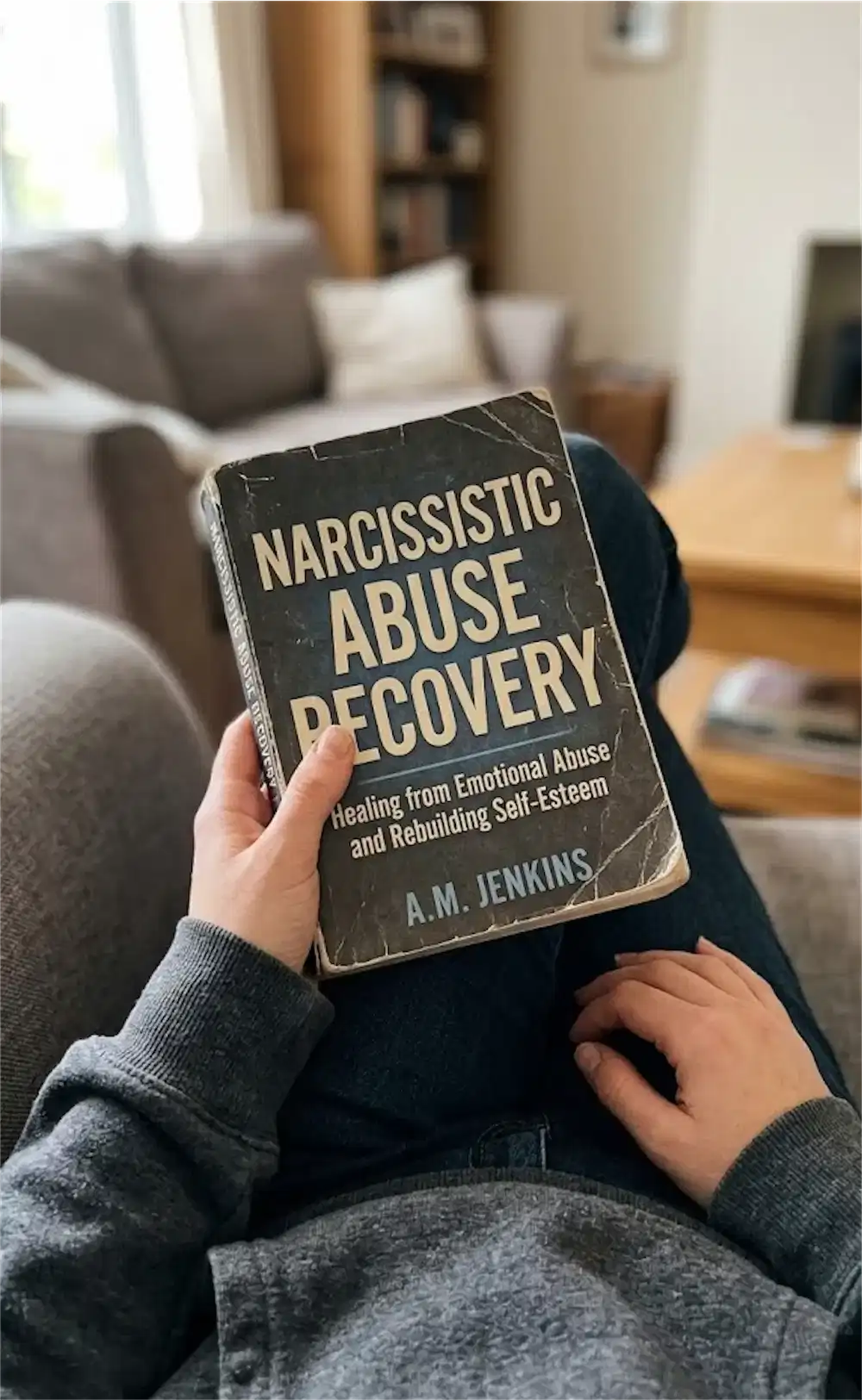
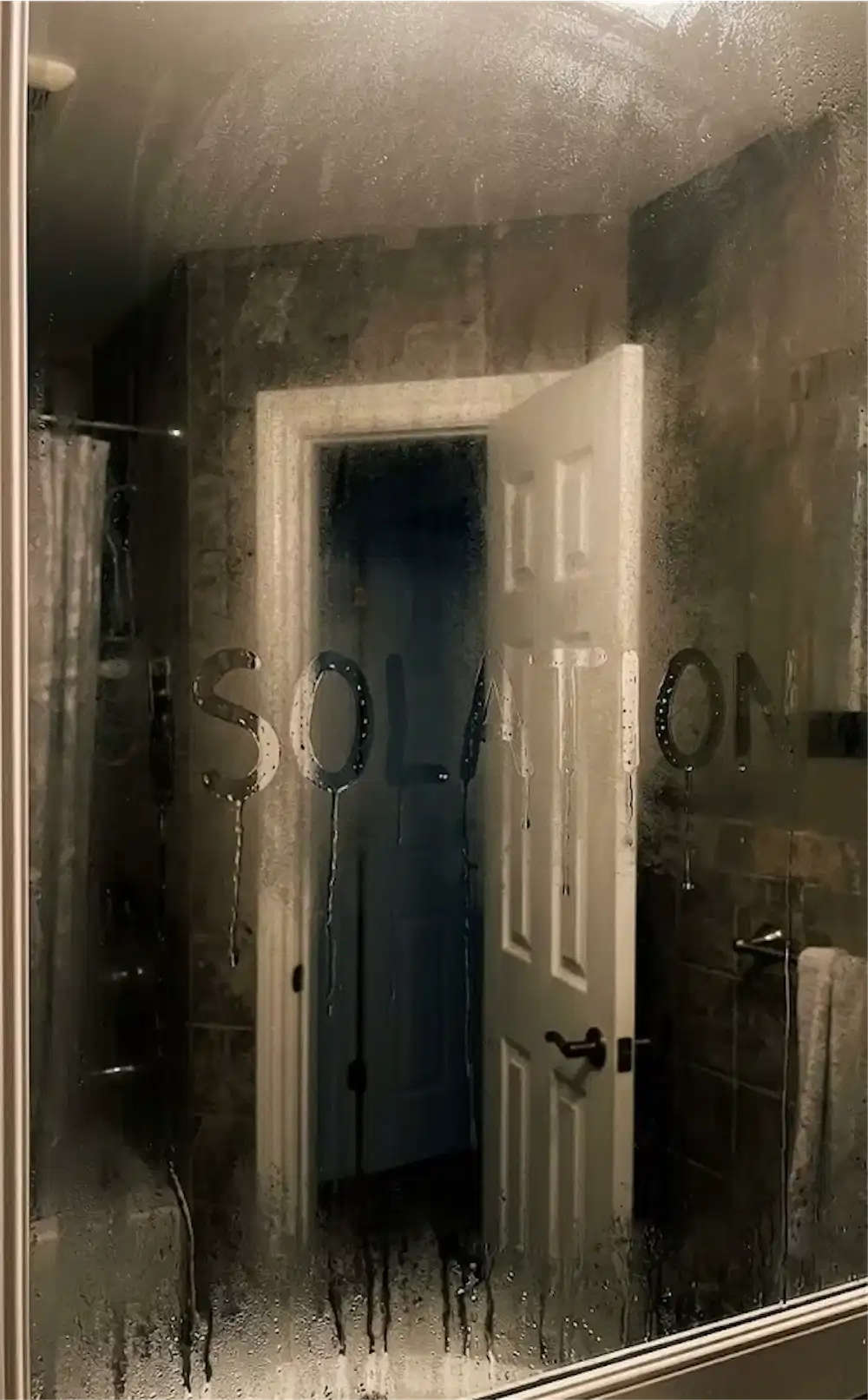
Learning the art of setting physical boundaries is a vital step in reclaiming your personal space, especially if you are searching for how to stop letting people touch you when you aren’t ready. For twelve long years, I lived with a partner who regularly overrode my body autonomy, leaving me feeling completely disconnected from my own physical limits. When that toxic relationship finally ended, I was left isolated, without hobbies, and feeling like a shell of my former cheerful self.
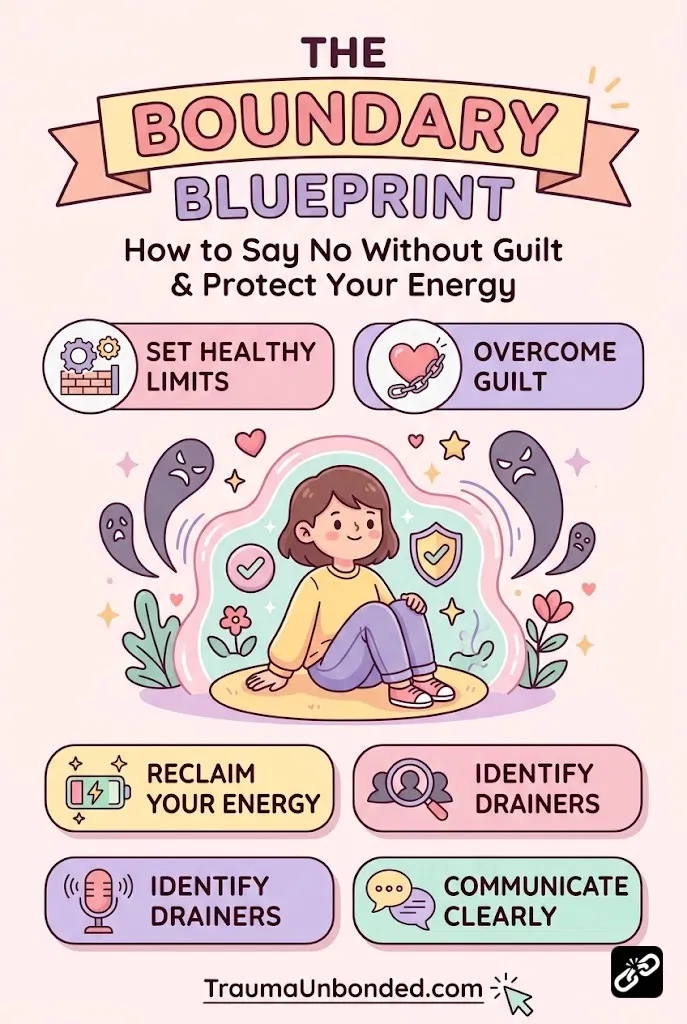
In the early stages of my healing journey, I had to read The Boundary Blueprint to understand that my body belongs to me, and me alone. Have you ever stood frozen as someone lunged in for an unwanted hug, wishing you could melt into the floor? That freeze response is highly common among survivors of chronic emotional abuse, but you can train yourself to regain control of your personal space.
Rebuilding your life after trauma takes time, but learning to say no to physical touch is a practical skill you can master today. Let us look at why we freeze and how to break that pattern without feeling consumed by guilt.
Why is setting physical boundaries so difficult after trauma?
Setting physical boundaries involves clearly defining your personal space and deciding who can touch you and when. It is often incredibly difficult after trauma because toxic relationships systematically erode your body autonomy, conditioning you to value other people’s comfort over your own physical safety.
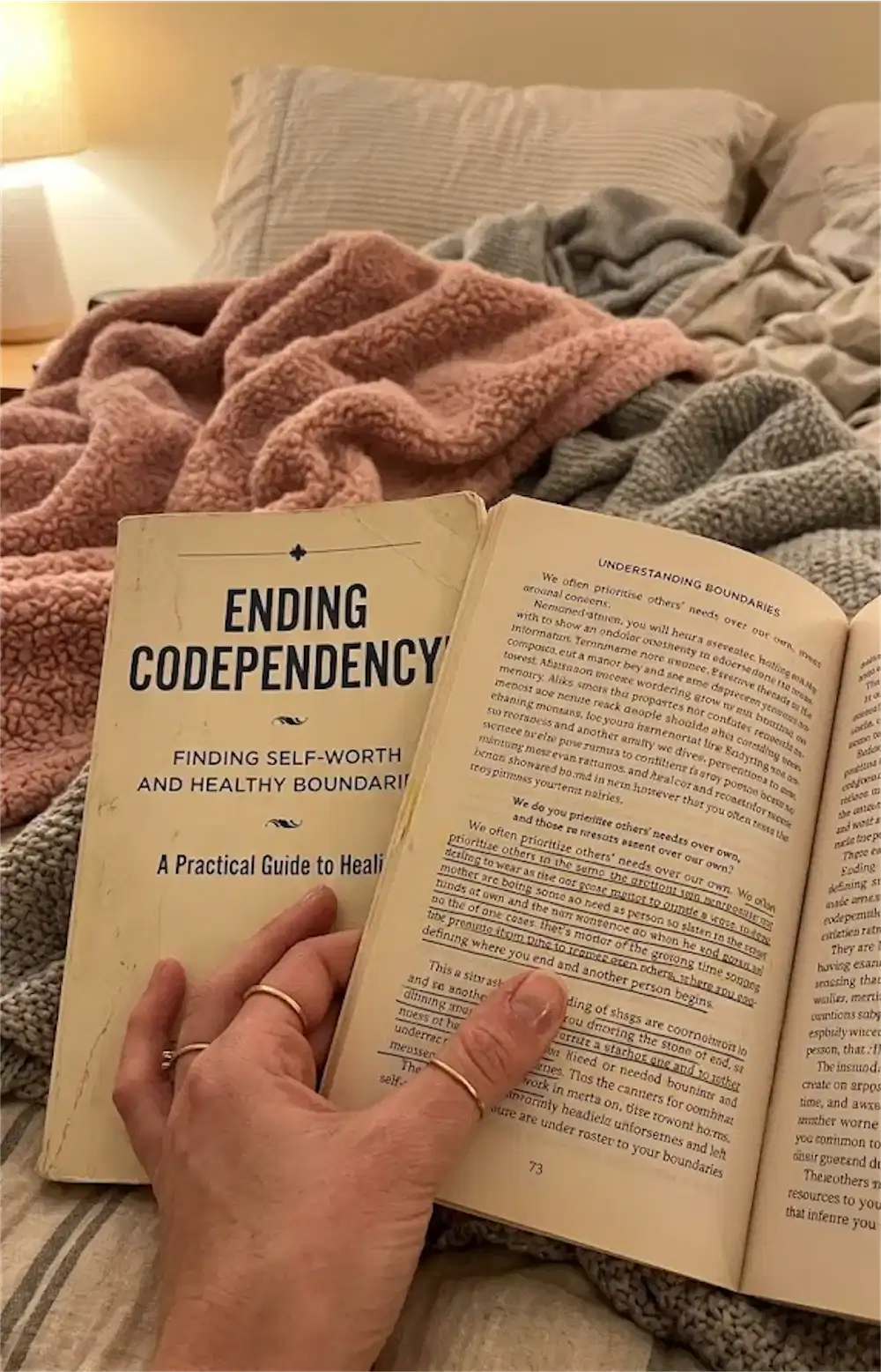
During my twelve years in a toxic dynamic, my ex-partner treated my body as their own property, demanding affection on cue. This systematic erosion of my limits created a strong link between codependency and fawn response, where keeping the peace meant sacrificing my physical comfort. When someone approached me for a sudden embrace, my nervous system defaulted to compliance to prevent potential conflict.
Does this sound familiar to you? You might find yourself smiling and hugging a relative or coworker even as your stomach ties itself in knots. This reaction is not a sign of weakness; it is a survival pattern that kept you safe during periods of unpredictable emotional volatility.
To break this automatic reaction, we must first recognize that our bodies are storing years of survival tension. When you are conditioned to ignore your own signals, your brain stops sending them clearly, leaving you feeling numb or confused during close contact.
When you spend years walking on eggshells, your nervous system remains in a constant state of hyperarousal. This constant survival mode makes it hard to distinguish between a safe, friendly gesture and a threatening intrusion of your personal space. It was only through trauma-informed therapy that I began to understand how my body was still reacting to past threats long after the relationship had ended.
Reclaiming your body autonomy and personal space
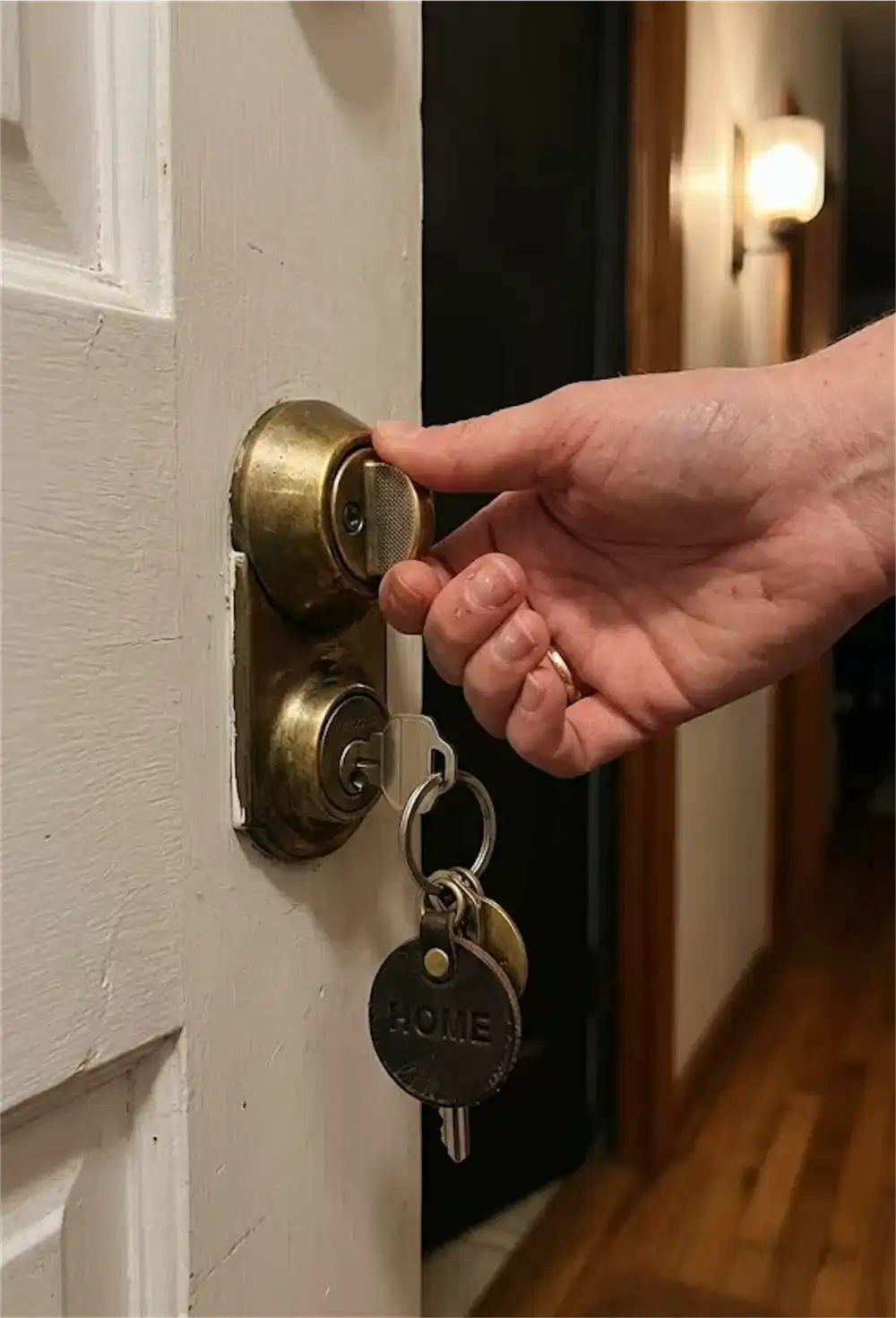
To truly heal, you must learn how to reconnect with authentic self after abuse by paying close attention to your immediate physical responses. When someone steps too close, do your shoulders tense up? Does your breath become shallow? These are your natural warning signals trying to protect you after years of being silenced.
I remember the first time I managed to step back from an acquaintance who tried to hug me without asking. My heart was pounding, and my hands were shaking, but that small step backward felt like taking back a piece of my stolen identity. Healing is not about suddenly becoming fearless; it is about choosing your own comfort even when your hands are shaking.
Reclaiming your space is not a selfish act, even though your codependency might whisper otherwise. It is a necessary boundary that allows your nervous system to finally settle into a state of true safety. For years, I felt like a guest in my own home, constantly adjusting my posture and physical presence to match my ex-partner’s volatile moods.
To successfully stop unwanted physical touch without feeling overwhelmed by anxiety, you need a structured plan that teaches you how to claim your personal space clearly and confidently. If you want a step-by-step method to say no without guilt, protect your daily energy, and establish unshakeable personal limits, I highly recommend downloading this step-by-step workbook.
Practical scripts to stop unwanted touch or hugs
You do not need to explain yourself or apologize when keeping your physical distance. Having clear, ready-to-use verbal scripts helps bypass the freeze response in the moment, allowing you to use the power of no guide asserting boundaries after abuse to protect your peace. Here are some simple, low-pressure scripts you can practice at home:
- The Handshake Pivot: Extend your hand firmly before they get close, saying, “It is so good to see you!” with a warm smile. This creates a physical barrier while keeping the greeting polite.
- The Wave and Step Back: Take a clear step backward, raise your hand in a gentle wave, and say, “I am keeping my personal space today, but I am so happy to chat.”
- The Direct Limit: If someone asks or starts leaning in, you can say calmly, “I am not a big hugger, but a high-five or wave works great!”
- The Clean Refusal: When dealing with persistent boundary pushers, a simple “No thank you, I am not comfortable with physical touch right now” is all you need to say.
Which of these scripts feels the most natural to your voice? Practice them in front of a mirror or with a trusted friend until they feel automatic, allowing your vocal chords to find their strength again.
You might find that your voice cracks the first few times you try to say these words out loud. That is completely normal after years of having your boundaries ignored or punished. With time and consistent practice, your voice will find its grounding, and saying no will feel less like a battle and more like a quiet truth.
Managing the guilt of rejecting touch
When you start setting physical boundaries, you might experience an intense wave of guilt or panic. This emotional hangover is a natural byproduct of leaving a toxic relationship where your needs were secondary. Remember that your discomfort is not proof that you did something wrong; it is simply your old conditioning reacting to your new strength.
According to the core concepts of physical boundaries defined by Psychology Today, your personal comfort with physical touch is entirely your choice, and you do not owe anyone access to your body. If someone gets offended by your gentle refusal, that reaction is a reflection of their lack of respect, not your lack of kindness.
In my own recovery, I had to accept that some people would find my new boundaries cold or distant. But I realized that I would rather risk someone else’s temporary disappointment than continue abandoning my own comfort. Over time, that heavy guilt slowly transformed into a deep, grounding sense of self-respect.
We often worry that setting a physical limit will ruin our friendships or make family gatherings incredibly awkward. But I found that those who truly cared about my well-being adjusted without a second thought, while only the controlling individuals took offense. This boundary acting as a natural filter for unhealthy relationships was an unexpected benefit of my recovery.
You have every right to decide who enters your physical space, and you do not need to apologize for protecting your peace. Reclaiming your personal boundaries is a quiet, daily act of self-love that signals to your nervous system that you are finally safe. For a complete, guided strategy on how to handle difficult situations and protect your space, consider reading The Boundary Blueprint to support your ongoing healing journey.

Meet Your Guide
Helen Brooks
After surviving a 12-year NPD/BPD relationship, I dedicated over a decade to studying trauma bonding and nervous system recovery. My mission is to help you break free from the fog and reclaim your authentic self.
Ready to break the trauma bond and reclaim your life?