Toxic Parent Texts: How to Respond to Guilt-Tripping Messages
Toxic parent texts often arrive at the worst possible moments, turning a peaceful afternoon into a spiral of anxiety. If you are struggling with how to respond to guilt-tripping messages, you are not alone in this digital minefield. I spent twelve years navigating a relationship with a partner who displayed heavy narcissistic and BPD traits, and I quickly learned that the patterns of emotional manipulation are the same whether they come from a spouse or a parent. During those years, my phone was a source of constant dread because I never knew which version of “family love” was about to hit my screen. If you feel stuck, this Narcissistic Parents Recovery Guide can help you start untangling those emotional knots today.
When you receive a message designed to make you feel like a “bad child,” your body reacts before your brain even processes the words. You might feel a tightness in your chest or a sudden urge to over-explain yourself. This is the trauma bond in action, a survival mechanism that keeps you tethered to people who hurt you. In my decade-plus of toxic dynamics, I realized that these texts are not about communication but about control. Does it feel like you are always defending your character against someone who should know you best?
Identifying Manipulation in Toxic Parent Texts
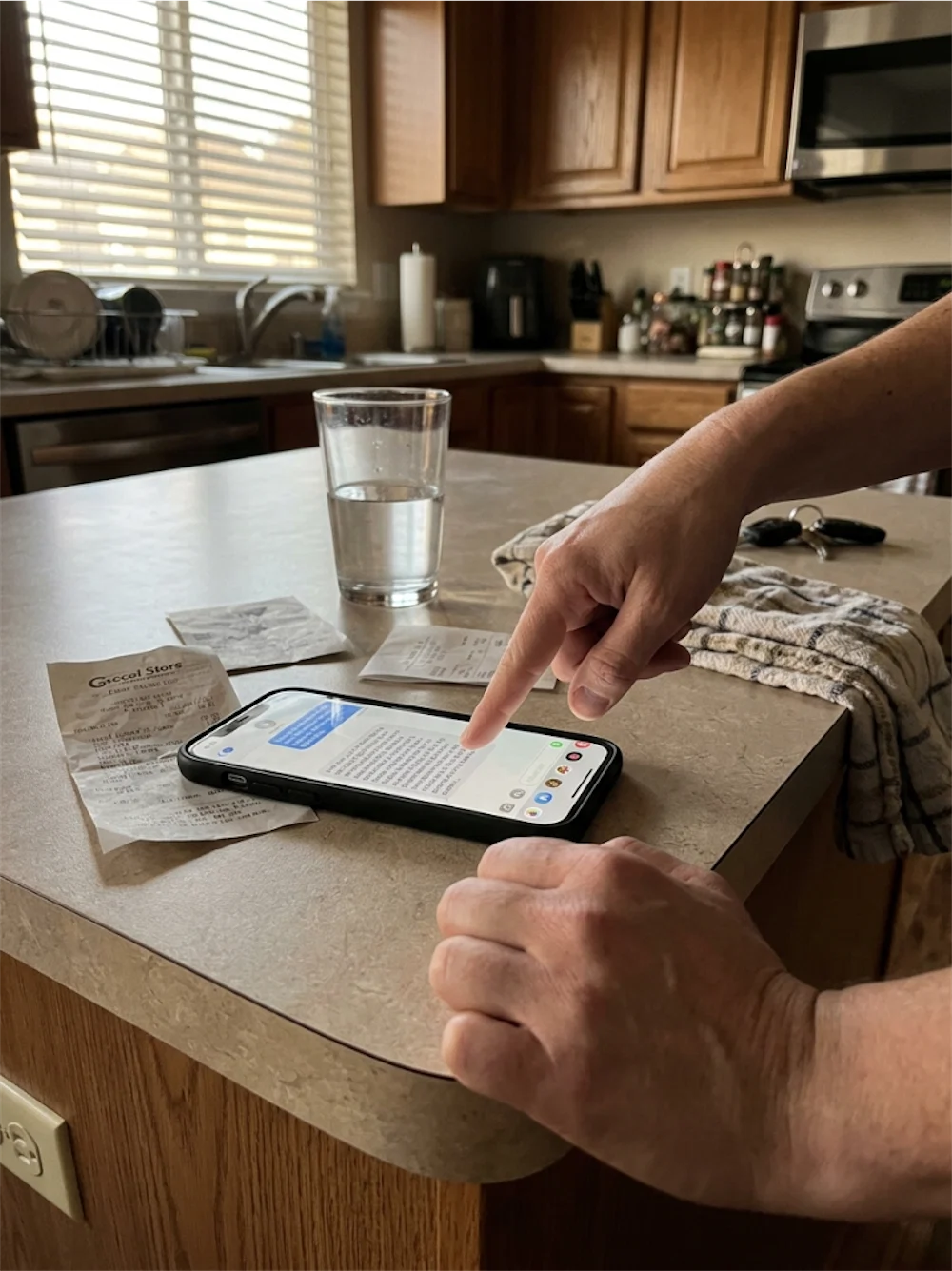
The first step to regaining your sanity is recognizing the anatomy of a guilt-trip text. These messages usually fall into a few specific categories. One of the most common is the “victim play,” where the parent describes their suffering or loneliness to imply that you are the cause of it. For example, a text saying, “I guess I’ll just eat dinner alone again, don’t worry about me,” is a calculated move to trigger your fawn response.
In my experience, toxic people use these messages to test your boundaries. They want to see if you will drop everything to soothe their emotions. When I was in the thick of my recovery, I had to learn that emotional blackmail relies on three things: fear, obligation, and guilt. If a message makes you feel like you owe them your peace of mind, it is a manipulation tactic. Understanding this helps you see the text for what it is—a hook—rather than a genuine request for connection.
The Projection Text
Have you ever received a message where your parent accuses you of being cold or selfish, right after you tried to set a simple boundary? This is projection. They are taking their own inability to respect others and placing it on you. In a twelve-year toxic cycle, I saw this constantly. It feels like gaslighting, where they try to rewrite the reality of the situation to make you the villain. When they text something like, “You only care about yourself,” they are often projecting their own self-centeredness onto you to make you feel defensive.
Practical Scripts for Responding to Guilt-Trips
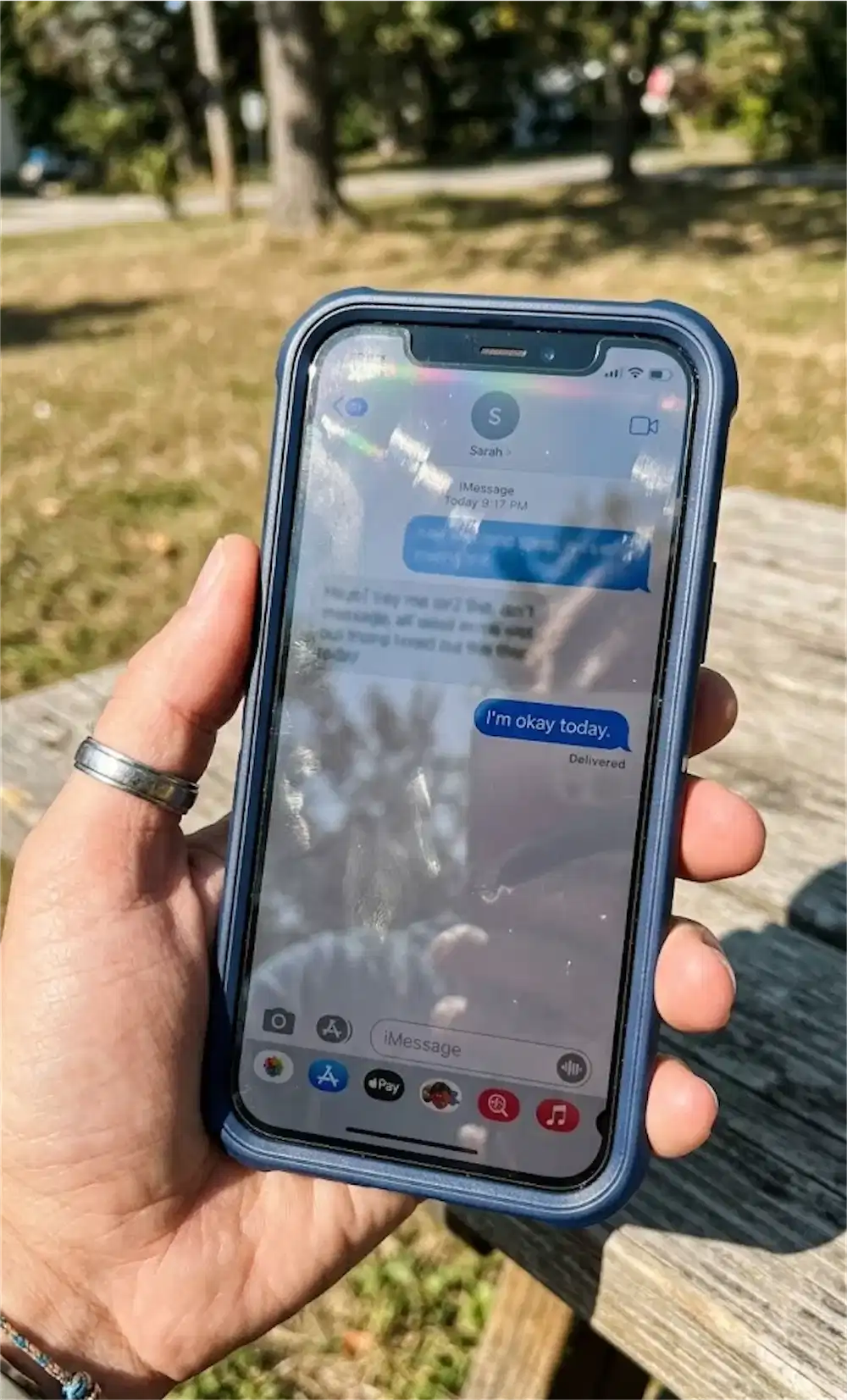
When you decide to reply, the goal is to be “boring.” This is often called the Grey Rock method. You want to provide as little emotional “fuel” as possible. If they send a message meant to start a fight, your response should be short, factual, and neutral. Instead of saying, “That’s not fair, I visited you last week,” try saying, “I understand you feel that way. I’m not available to talk until Sunday.” You are acknowledging their statement without agreeing with the guilt behind it.
Another helpful strategy is the BIFF response: Brief, Informative, Friendly (but firm), and Firm. If a toxic parent sends a wall of text about how much you’ve changed, a BIFF response might look like: “I’ve received your message. I am focused on my work right now and will check in later this month. Hope you have a good week.” It stops the back-and-forth cold. Are you tired of the endless “typing…” bubbles that lead to hours of mental exhaustion?
If you find yourself constantly ruminating on these digital attacks, it is vital to have a structured plan for your mental health. Taking control of your environment is the only way to find peace again after years of chaos. Before you reply to that next notification, consider using a professional tool to help you stay grounded and firm in your decisions.
Getting your life back after decades of family manipulation requires more than just willpower. It requires a blueprint for change. This workbook provides the exact steps you need to stop the cycle of people-pleasing and start living for yourself.
Setting Digital Boundaries for Peace
Recovery means realizing that you are not an extension of your parent. You are an adult with a right to privacy and peace. One of the hardest parts of my journey was learning that I didn’t have to answer the phone just because it rang. If you are dealing with a narcissistic parent and family boundaries, you might need to set specific “contact hours.” Tell them you only check messages between 5 PM and 6 PM. If they text outside that window, do not reply.
Muting notifications is another powerful tool. You can keep the thread open but disable the “ping” that spikes your cortisol. This allows you to look at the message when you are emotionally prepared, rather than while you are at work or trying to relax. Remember, their “emergency” is often just a bid for attention. By slowing down your response time, you teach them that their guilt-trips no longer have an immediate effect on your behavior.
Navigating the Low Contact Strategy
Sometimes, total “No Contact” feels too extreme or impossible due to family circumstances. In these cases, a low contact strategy guide can be a lifesaver. This approach is about quality over quantity. You decide what topics are off-limits and you end the conversation as soon as those lines are crossed. If a text shifts from “How was your day?” to “Why don’t you love me enough to visit?” you simply stop responding. You don’t need to explain why you are stopping. Silence is a boundary in itself.
When I finally broke free from my 12-year toxic relationship, I realized that I had been trained to fear silence. I thought silence was a weapon, but in recovery, I learned it is a shield. You do not owe anyone an audience for their abuse. If the texts become threatening or overwhelming, it is okay to block the number temporarily. Your mental health is more important than their desire to vent their frustrations onto you. It takes practice, but eventually, the sight of their name on your screen will lose its power to ruin your day.
Reclaiming Your Original Self
After a decade of being told who I was by a toxic partner, I felt like a shell of a person. I had no hobbies and no joy. Healing from parental manipulation is very similar. You have to rediscover who you are outside of the “good child” or “scapegoat” role they assigned to you. Today, I am back to being the cheerful, optimistic person I was before the trauma took over. This didn’t happen overnight; it happened through consistent therapy and by learning to say “no” without a paragraph of apologies.
You might feel like you are being mean or disrespectful when you ignore a guilt-trip, but that is the old programming talking. True respect is a two-way street. If a parent uses their words to hurt you, they are not respecting the relationship. You are simply protecting the version of yourself that deserves to be happy. Can you imagine a life where your phone sits on the table and you don’t feel a pit in your stomach when a message arrives?
Take it one text at a time. You don’t have to fix the whole relationship today; you just have to protect your peace in this moment. If you need more support in navigating these difficult family dynamics, I highly recommend looking into the Narcissistic Parents Recovery Guide to help you build a stronger foundation for your future. You deserve a life free from digital manipulation and emotional weight.

Meet Your Guide
Helen Brooks
After surviving a 12-year NPD/BPD relationship, I dedicated over a decade to studying trauma bonding and nervous system recovery. My mission is to help you break free from the fog and reclaim your authentic self.
Ready to break the trauma bond and reclaim your life?