Narcissistic Relationship Closure: Why You Shouldn’t Seek It
I spent 12 years waiting for a conversation that was never going to happen. A real one. The kind where someone looks you in the eye and says, “I understand what I did. I’m sorry.” After my relationship ended, I was consumed by one single need: closure. I thought if I could just get that final talk, that honest explanation, I could finally move on. What I didn’t know yet was that seeking closure from a narcissist is one of the most painful traps you can fall into. If you’re in that place right now, please read The Narcissistic Discard Roadmap before you do anything else.
Here’s what nobody tells you upfront: narcissistic relationship closure as most people imagine it simply does not exist. And the sooner you accept that, the sooner your healing can actually begin.
This isn’t about giving up or being weak. It’s about understanding who you were really dealing with, and why that person is fundamentally unable to give you what you’re looking for. If you’ve been spinning in confusion since the breakup, learning about cognitive dissonance in narcissistic abuse might explain exactly why your mind keeps replaying the relationship trying to make sense of it.
What Closure Actually Means (And Why It Feels So Urgent)

Closure is the feeling of resolution. It’s the mental full stop at the end of a painful chapter. For most breakups, closure comes naturally over time, sometimes through a final conversation, sometimes just through distance and reflection.
But when you leave a narcissistic relationship, your nervous system is in a completely different state. You’ve likely been through years of gaslighting, which is when someone repeatedly makes you question your own memory, feelings, and perception of events. After 12 years of that, I genuinely couldn’t trust my own mind. I needed them to confirm reality for me. That’s why the urge for closure felt so desperate.
The urgency isn’t weakness. It’s a trauma response. Your brain is trying to process something that was deliberately made impossible to process.
Why a Narcissist Cannot Give You Closure
Let’s be direct about this. A person with narcissistic personality disorder lacks the emotional architecture for genuine accountability. That’s not me being bitter. That’s what years of therapy, research, and painful lived experience taught me.
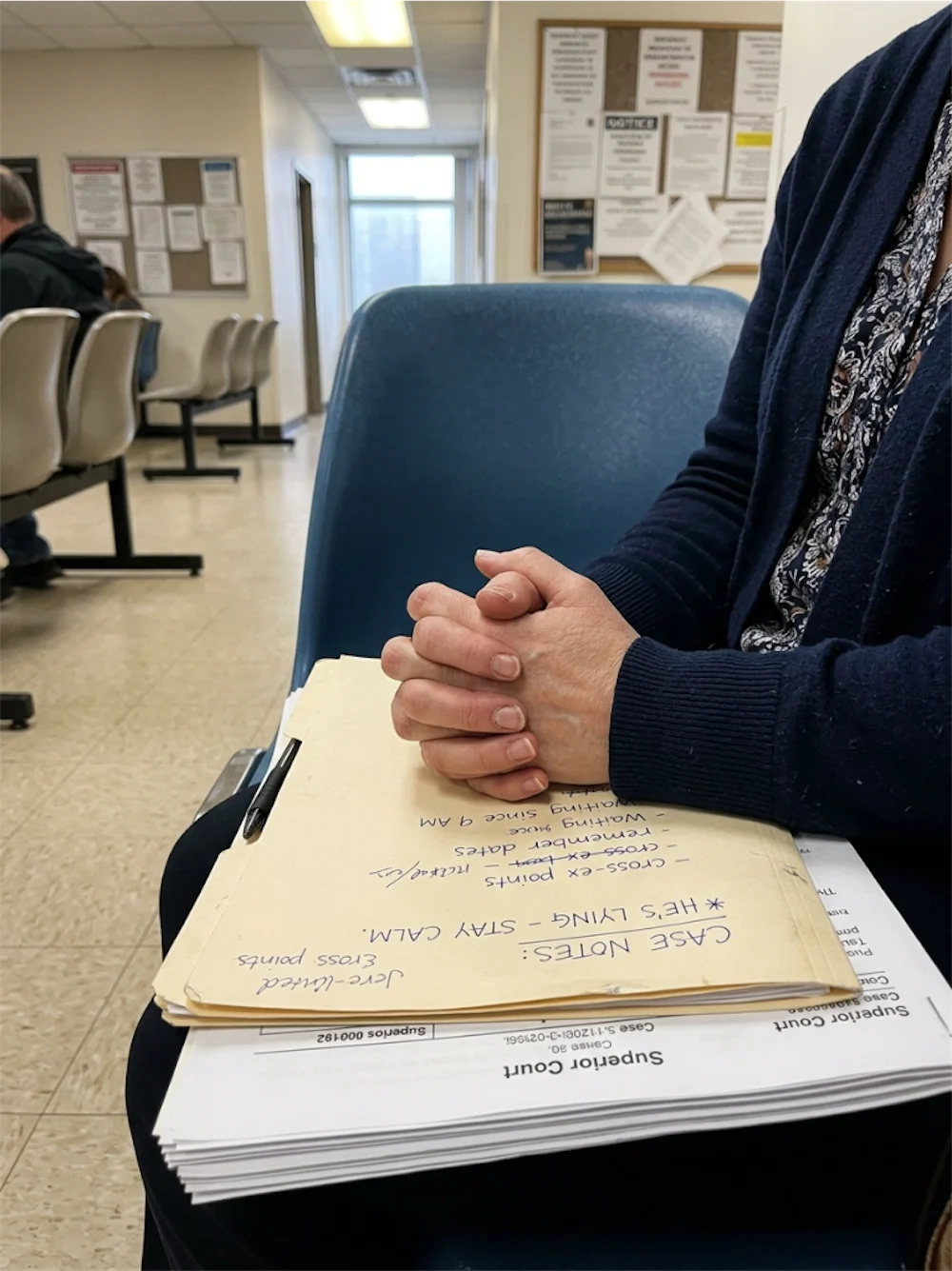
When I finally attempted “the final conversation” with my ex, what I got wasn’t closure. It was a masterclass in deflection. Every concern I raised got twisted back onto me. Every example of harm I named got minimized or denied. And somehow, I walked away feeling like maybe I really was the problem.
That’s how it works. The final conversation with a narcissist rarely gives you answers. It gives you more confusion, more self-doubt, and sometimes pulls you right back in. What looks like closure is often just another entry point for manipulation.
And if they sense you’re vulnerable? That’s when hoovering starts. Hoovering is when a narcissist sucks you back in right when you’re trying to leave, usually with sudden affection, promises, or even manufactured crises. Understanding how hoovering tactics work helped me stop falling for it every single time.
The Trauma Bond Is What Makes Closure Feel Impossible

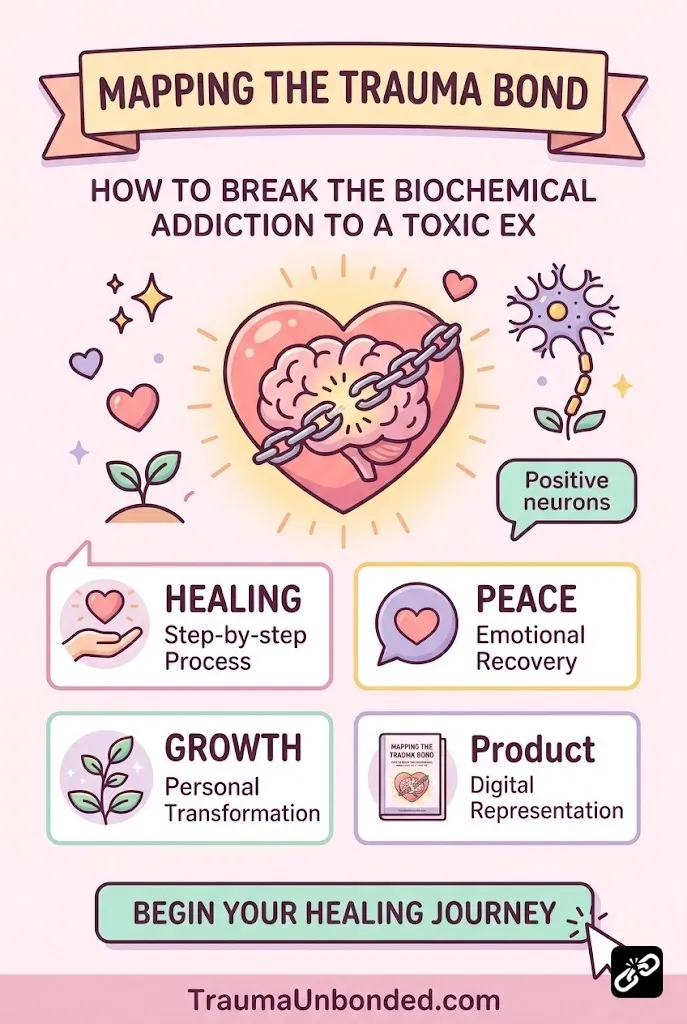
Here’s something I wish someone had explained to me on day one: what you’re feeling isn’t just heartbreak. It’s trauma bond withdrawal. A trauma bond forms when cycles of pain and reward get repeated over and over, often for years. Your brain literally becomes chemically attached to that cycle.
Think about it. One week there’s rage and criticism. The next week there’s warmth, apology, and connection. Your brain learns to crave the good moments even more intensely because they’re so unpredictable. This is called intermittent reinforcement, and it’s more addictive than consistent love ever could be.
Seeking closure is, in a very real way, seeking one more hit of that cycle. You want to go back one more time hoping this time it’ll be different. It won’t be. The relationship dynamic doesn’t change in a final conversation. It just restarts.
If you’re serious about breaking free, this guide was genuinely one of the most practical tools in my recovery. It goes deep into exactly how that biochemical addiction forms and how to interrupt it step by step.
What Happens When You Go Looking for Closure
Let’s walk through what actually happens when survivors go back for “one last conversation.” Because I lived this, more than once.
Scenario one: They’re cold and dismissive. You leave feeling worthless, replaying the conversation for weeks trying to decode what they meant.
Scenario two: They’re suddenly warm, apologetic, and pull you back in. You feel hopeful. Then the cycle starts again within weeks.
Scenario three: They attack your character, rewrite history, and leave you questioning your own sanity all over again.
None of these scenarios give you peace. Every single one resets your healing clock back to zero. I learned this the hard way after attempt number three of “just one more conversation.”
The False Promise of “Explaining Yourself”
A lot of survivors also go back wanting to make the narcissist understand how much they were hurt. Maybe if he really understood, he’d finally feel remorse. Maybe if she saw the full picture, she’d apologize.
This is hope talking. And it’s hope based on who you wished they were, not who they actually are. A person who lacks genuine empathy cannot be made to feel empathy through a better explanation. That’s not how it works. And trying only prolongs your suffering.
Where Real Closure Actually Comes From
After everything I’ve been through, I can tell you this with certainty: real closure is an inside job. Nobody else can give it to you, especially not the person who caused the wound.
Real closure came for me when I stopped needing an explanation from him and started understanding the patterns myself. Reading about narcissistic abuse, going to therapy, learning what a trauma bond actually is, all of that gave me more closure than any conversation with him ever did.
Closure also came from grief. Actual, ugly, sit-on-the-bathroom-floor grief. Not grief for him specifically, but grief for the relationship I thought I had, the future I thought was coming, and the years I spent rebuilding myself around someone who didn’t deserve that work.
Practical Steps Toward Self-Generated Closure
Write the letter you’ll never send. Get every unsaid thing out of your head and onto paper. Say everything. Then don’t send it. Burn it, delete it, whatever feels right. The point is to release it from your body, not to communicate with them.
Name the patterns out loud. When you can actually say, “This was gaslighting. This was love bombing. This was deliberate isolation,” something shifts. Naming the abuse removes some of its power over you.
Commit to no contact. Every time you break no contact looking for closure, you restart the grief cycle. Protecting that boundary isn’t punishing them. It’s protecting yourself.
Get support that actually understands this. A therapist who knows trauma-informed healing is not optional. It’s essential. The isolation that comes after a narcissistic relationship is severe, and you cannot think your way out of a trauma response alone.
You Don’t Need Their Permission to Move On
This is the part I want you to really sit with. You do not need them to admit what they did in order for it to have been real. You do not need them to say sorry in order to be allowed to heal. You do not need their version of events to make sense of your own experience.
Your pain is valid without their acknowledgment. Your experience is real without their confirmation. And your healing can absolutely happen without their participation.
The moment I stopped waiting for him to hand me closure was the moment I started actually building my life back. Slowly, then all at once. I found my laugh again. I found my friendships again. I found myself again, the optimistic, grounded person I was before that relationship hollowed me out.
If you’re still in the early days of this and everything feels impossible, start with what’s in front of you. One boundary. One day of no contact. One honest conversation with a therapist. That’s how it begins. And if you want a structured path through exactly this process, Mapping the Trauma Bond is where I’d point you first.
The closure you’re looking for is already inside you. You just have to stop going back to the person who took it from you in order to find it.

Meet Your Guide
Helen Brooks
After surviving a 12-year NPD/BPD relationship, I dedicated over a decade to studying trauma bonding and nervous system recovery. My mission is to help you break free from the fog and reclaim your authentic self.
Ready to break the trauma bond and reclaim your life?