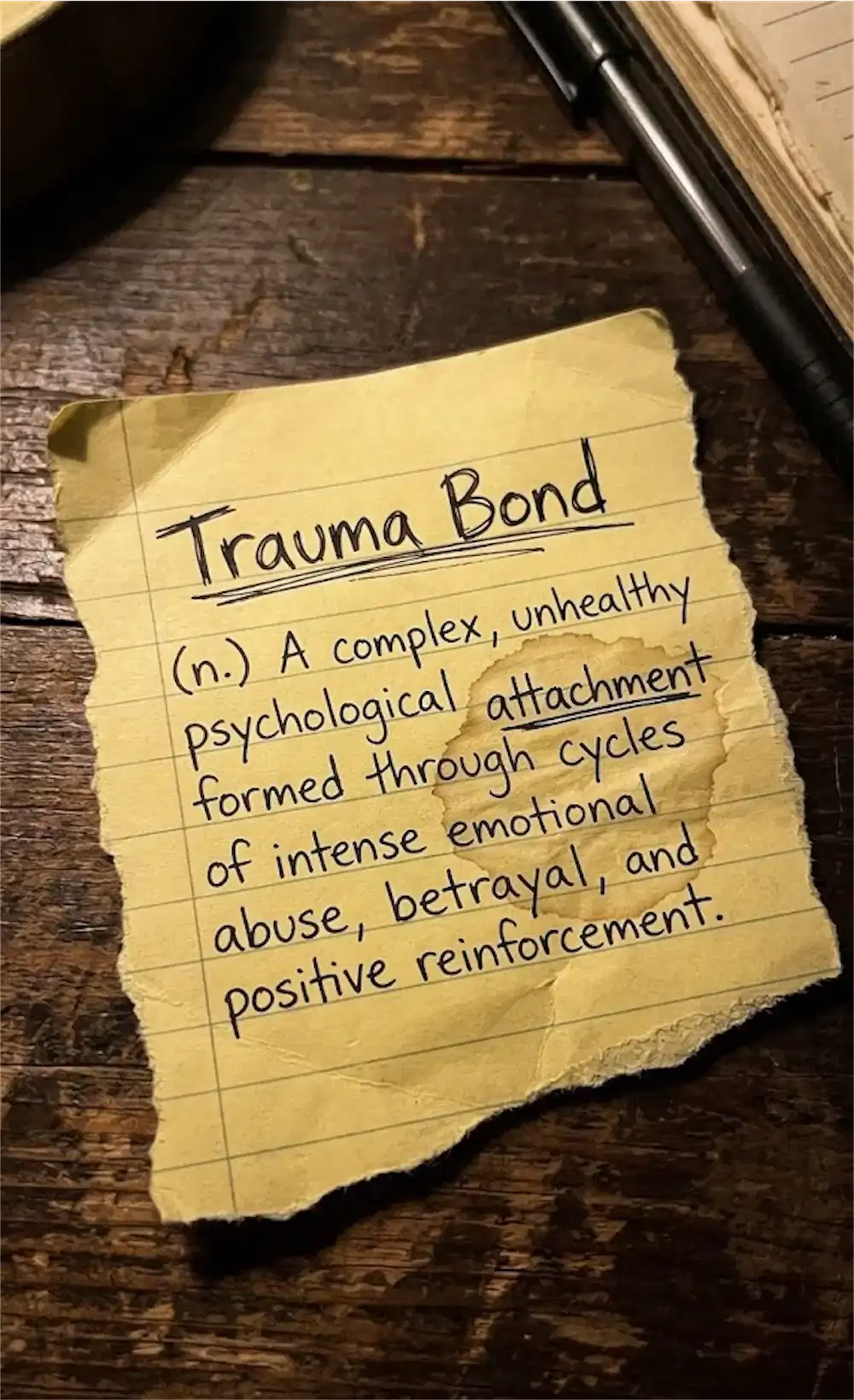
10 Clear Signs of a Narcissistic Collapse After You Leave
I spent 12 years of my life trying to keep a sinking ship afloat. During that decade-long relationship with a partner who had both NPD and BPD traits, I became a shell of myself. I stopped seeing friends, lost my hobbies, and felt like my only purpose was to manage their explosive moods. When I finally found the strength to walk away, I expected them to simply move on to the next person, but what happened instead was a complete **narcissistic collapse**.
If you are currently planning your exit or have recently left, you might be seeing behaviors that feel terrifying or confusing. You are likely searching for a radical no-contact guide to help you navigate this chaos. It is important to understand that a collapse happens when the narcissist loses their primary source of validation and can no longer maintain their “perfect” false self. It is a psychological breakdown that occurs when their ego is stripped bare.
In my own recovery journey, through professional therapy and learning about my own codependency, I realized that their collapse was not my fault. It was the result of a fragile ego finally meeting reality. Have you noticed your ex acting in ways that seem completely unhinged compared to the person they used to pretend to be? Here are the 10 clear signs that they are experiencing a total collapse after you left.
1. Uncontrollable Rage and Aggression

When you leave, you take away their sense of control. This often triggers a **narcissistic rage** that is far more intense than the usual arguments you had during the relationship. In my experience, this felt like a cornered animal lashing out. They might send hundreds of hateful texts or show up at your door demanding to be heard. This is more than just anger; it is a desperate attempt to regain power by making you feel small again.
2. Manic Hoovering Attempts
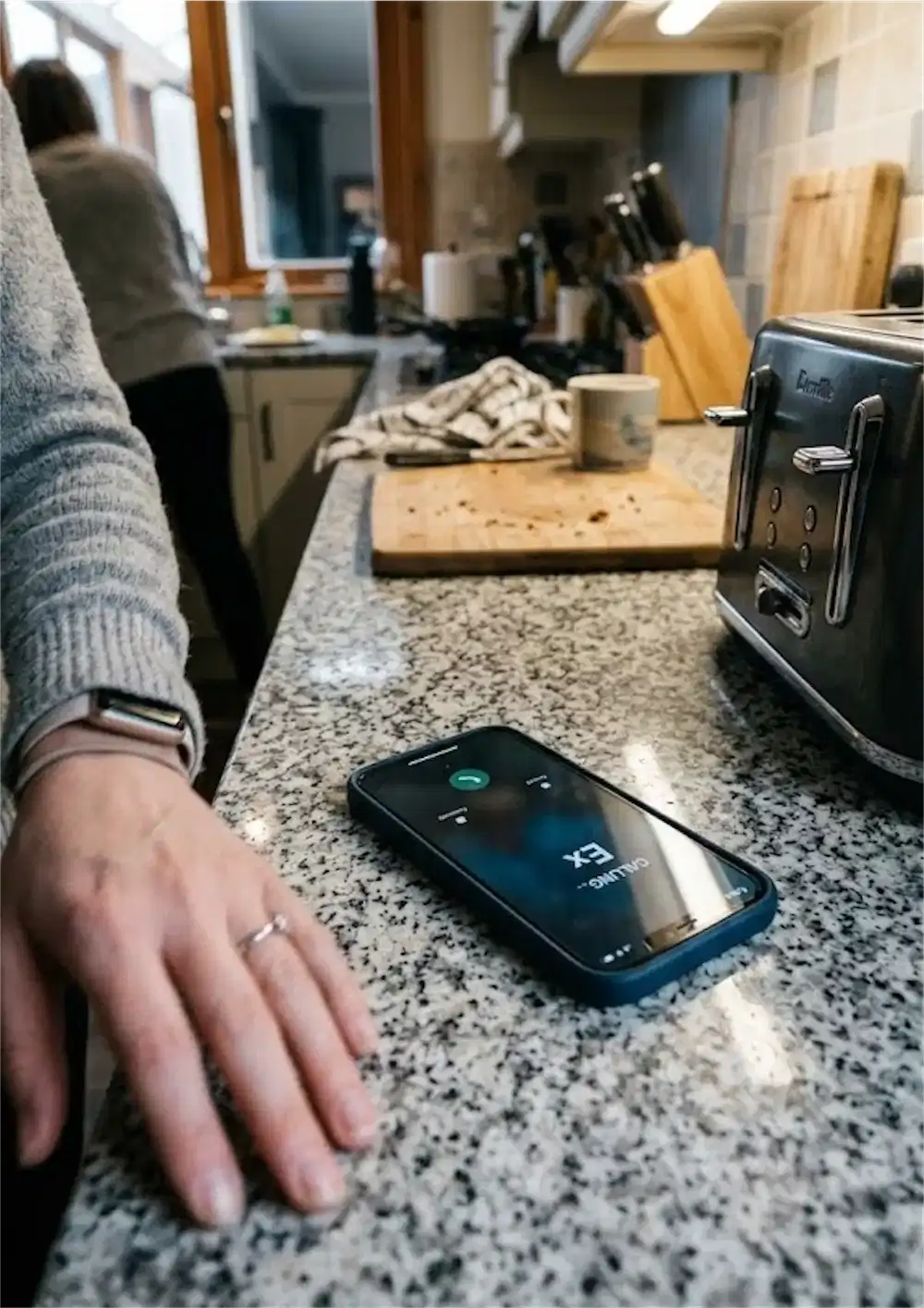
A narcissist in collapse cannot handle the silence. They might start “hoovering,” which is a term for trying to suck you back into the relationship. During my 12 years, I saw this cycle many times, but the post-breakup hoovering was frantic. You might get calls from unknown numbers or see them using **mutual friends** to check on you. If you are dealing with this, you need to know how to handle hoovering tactics without breaking your peace.
3. A Vicious Smear Campaign
To protect their ego, they must make you the villain. If they are collapsing, they will tell anyone who listens that you were the abusive one. They might post vague, “sad” status updates on social media or tell your family lies about your mental health. This is their way of externalizing the shame they feel. By making you look “crazy,” they convince themselves that they are the victim of your abandonment.
4. Playing the Ultimate Victim
Have you ever seen someone act like their world is ending over a situation they created? During a collapse, the narcissist will lean heavily into a **victimhood identity**. They might claim they are having a medical crisis or that they have lost everything because of you. This is a manipulative tactic designed to trigger your empathy and guilt. Since you are likely a kind person, they know that seeing them “suffer” is the easiest way to break your boundaries.
5. Sudden and Deep Depression
When the mask fails, the narcissist is left with a void. This often looks like a clinical depression, but it is actually the result of losing their **narcissistic supply**. They might stop going to work, stop showering, or stay in bed for days. While it looks like genuine grief, it is usually a reaction to the loss of the “mirror” you provided. Without you there to reflect their greatness, they feel like they do not exist.
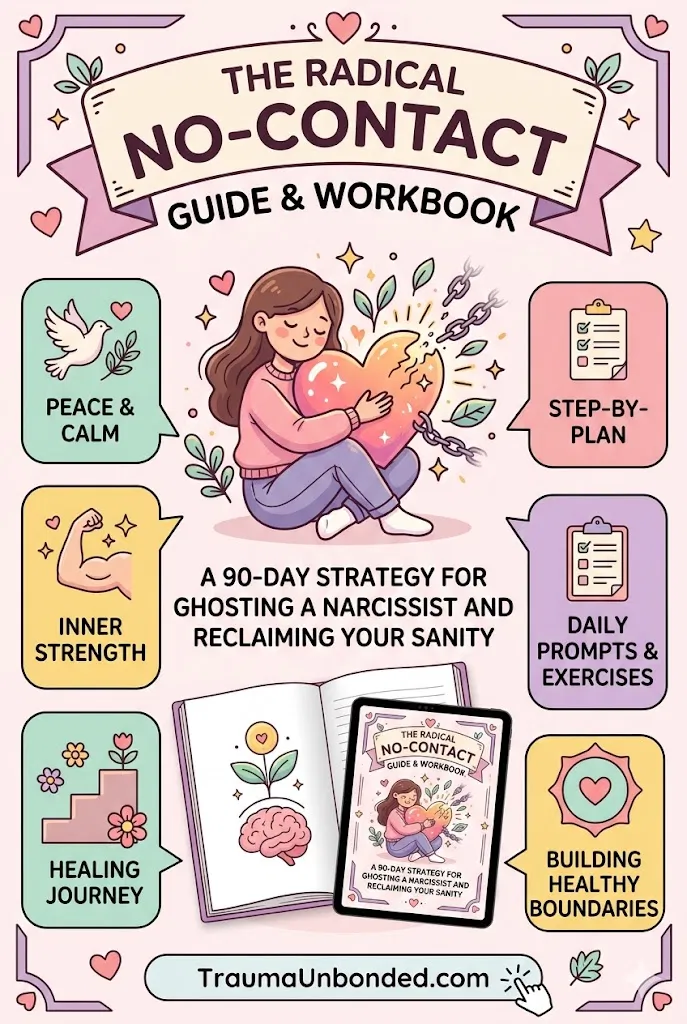
If you are struggling with the guilt of leaving while they are in this state, you need a structured plan to stay strong. Reclaiming your life requires more than just willpower; it requires a roadmap to handle the emotional fallout and the urge to “save” them one last time.
6. Rapid and Reckless Replacement
To stop the pain of the collapse, they might jump into a new relationship within days. This is not because they have moved on or because they love the new person. It is because they are desperate for a “bandage” to cover their wounded ego. They need someone new to tell them they are amazing so they can ignore the reality of what happened with you. This can be incredibly painful to watch, but remember: they are just repeating the same cycle with a new victim.
7. Erratic and Obsessive Social Media Behavior
During a collapse, their digital presence often becomes strange. They might post constant “happy” photos to prove they are fine, or they might post dark, cryptic quotes about betrayal. I remember checking my ex’s profile and seeing a bizarre mix of partying photos and quotes about “fakes friends.” This instability is a hallmark of the narcissistic collapse signs you should look out for. It is best to block them entirely to avoid this digital noise.
8. Self-Destructive Habits
When the internal pressure becomes too much, many narcissists turn to self-destruction. This could mean excessive drinking, reckless spending, or staying out all night. They are trying to numb the feeling of worthlessness that comes with the collapse. While it is tempting to want to help them, you must remember that you cannot fix a hole that they refuse to acknowledge exists. Your only job now is your own healing.
9. Loss of Basic Functioning
I noticed that after I left, my ex seemingly forgot how to be an adult. They couldn’t keep their house clean or manage their finances. This is because, in many toxic relationships, the survivor takes on the role of the “manager.” Without you there to keep the logistics of their life running, the narcissist collapses under the weight of basic responsibilities. It is a stark reminder of how much of their “success” was actually built on your hard work.
10. The False “Epiphany” or Fake Healing
The final sign of a collapse is often a sudden “breakthrough.” They might call you crying, saying they finally understand everything they did wrong. They might even claim they have started therapy or found religion. In a 12-year cycle, I heard these promises dozens of times. Usually, this is just another way to get you to lower your guard. A true change takes years of work, not a sudden realization triggered by you leaving.
Leaving a relationship like this is the hardest thing I ever did. I was isolated, I had no hobbies left, and I felt like a ghost. But by focusing on therapy and understanding the mechanics of narcissistic abuse, I found my way back. Today, I am that cheerful, optimistic person again. You can get there too, but it starts with recognizing that their collapse is their journey to walk, not yours to solve. If you need a clear path forward, I highly recommend starting with the Radical No-Contact Guide & Workbook to protect your sanity and begin your real life.

Meet Your Guide
Helen Brooks
After surviving a 12-year NPD/BPD relationship, I dedicated over a decade to studying trauma bonding and nervous system recovery. My mission is to help you break free from the fog and reclaim your authentic self.
Ready to break the trauma bond and reclaim your life?