Toxic Ex Anxiety: How to Handle the Fear of Running Into Them
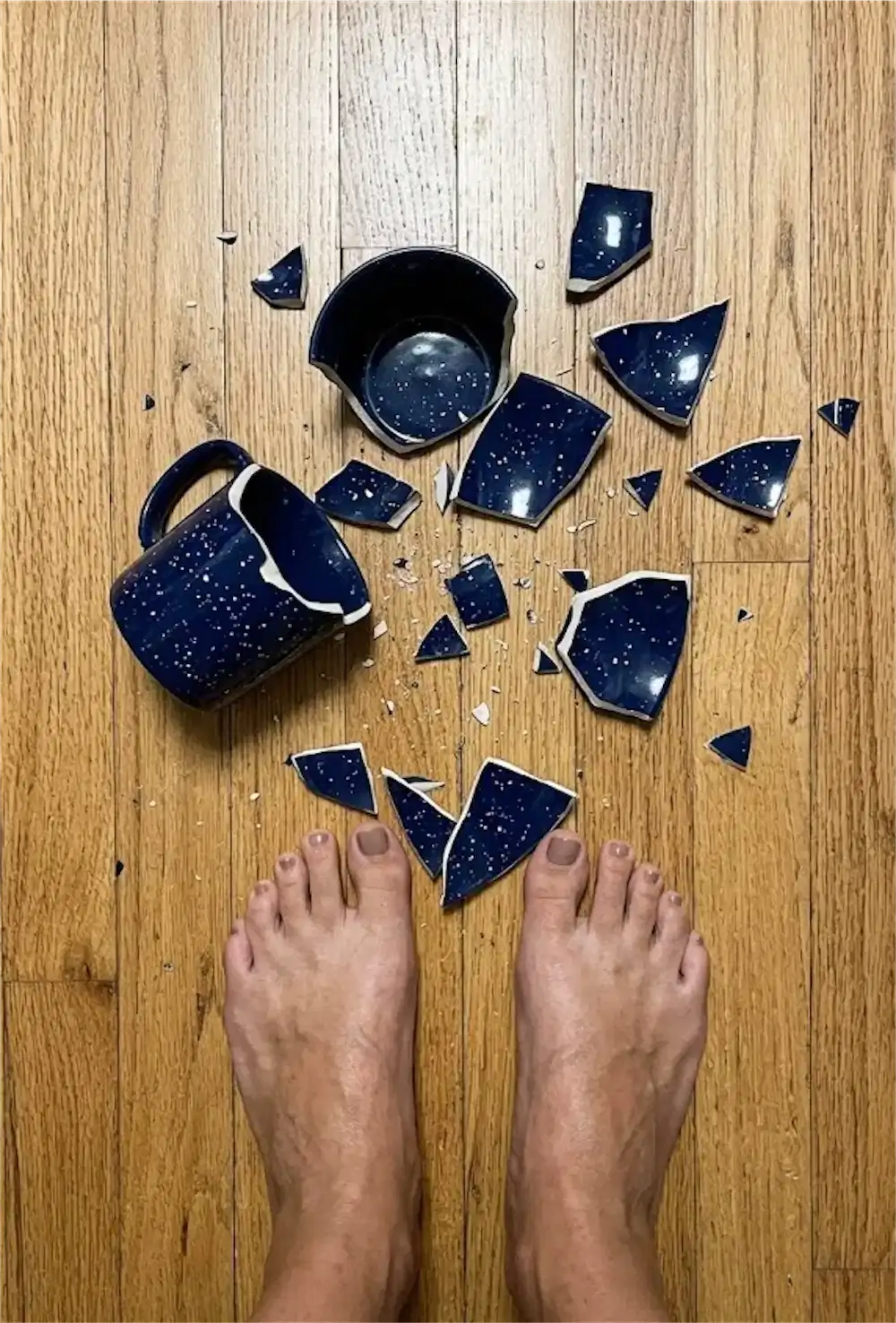
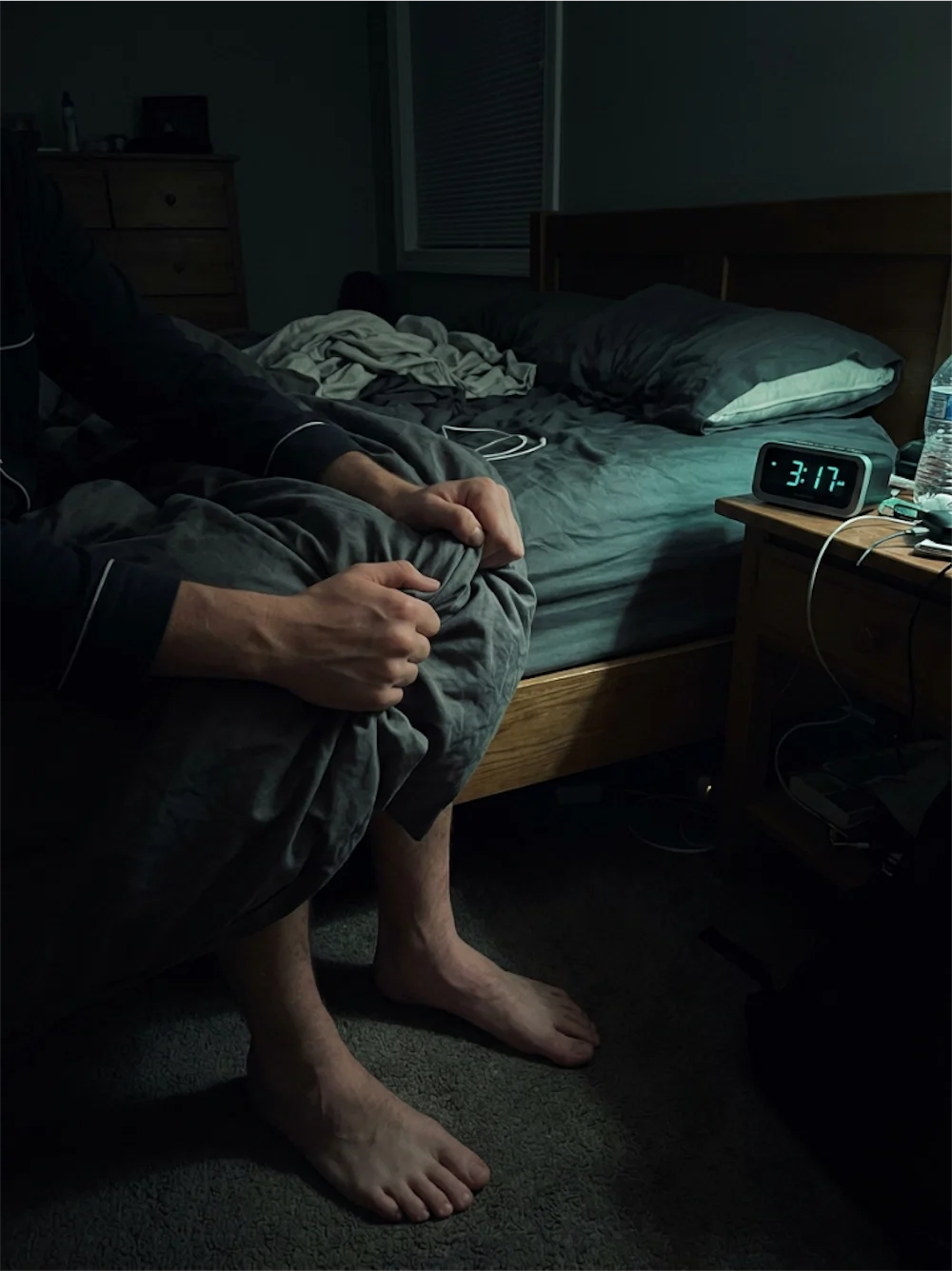
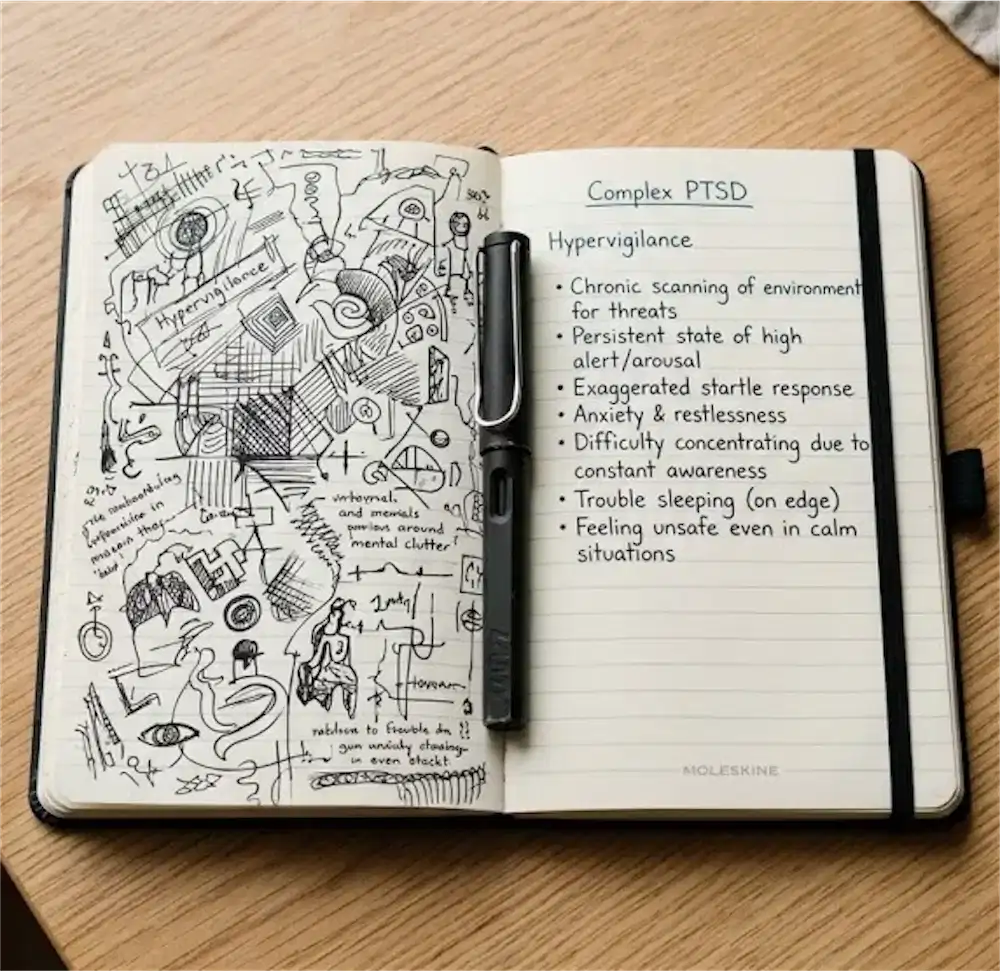
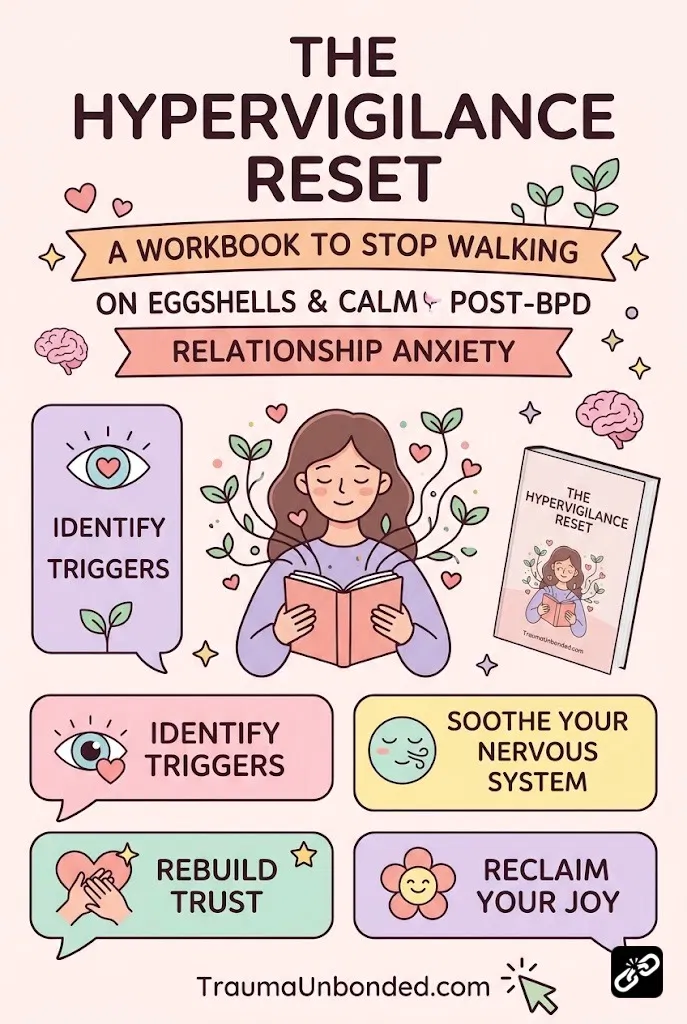
Toxic ex anxiety is that cold pit in your stomach when you think about seeing your former partner at the store or in traffic. If you are dealing with the fear of running into them, your body is likely still in survival mode from years of emotional chaos. In my 12 year relationship with a partner exhibiting NPD and BPD traits, I lived in a constant state of hypervigilance. I lost my friends and my hobbies, and I felt like a shell of a person for a very long time. It took professional therapy and a deep look at codependency to finally find my way back to my cheerful, optimistic self. To help quiet those racing thoughts, I recommend using the Hypervigilance Reset to calm your nervous system before you even leave the house.
Running into an ex who was manipulative or volatile is not the same as a normal breakup. When you have spent a decade walking on eggshells, your brain registers their face as a predator. This fear is not “dramatic” or “petty.” It is a physiological response to narcissistic abuse and the unpredictable nature of BPD relationship cycles. You are not just afraid of a conversation; you are afraid of the emotional reset that happens when you see them.
Have you ever felt your heart race just because you saw a car that looked like theirs? That is your trauma bond acting as a smoke alarm. After 12 years of being told I was the problem, I had to learn that my anxiety was actually my body trying to protect me. I had to realize that the person I was afraid of was no longer the center of my universe, even if my nervous system had not received the memo yet. Recovery is about teaching your body that the war is over.
Why Running Into a Toxic Ex Feels Like a Threat to Your Life
- The Startle Response: Your brain is wired to detect their presence because, for years, noticing their mood early was your only way to stay safe.
- Cognitive Dissonance: Seeing them triggers the internal conflict between the person you loved and the person who hurt you.
- The Fear of Hoovering: You might worry they will try to suck you back in with a fake apology or a dramatic scene in public.
During my decade of isolation, I forgot what it was like to walk through a grocery store without scanning the aisles. I was constantly looking for her, wondering if she would pop out and start a fight or give me the silent treatment for being “late.” When you leave a relationship involving NPD and BPD traits, that scanning habit does not just disappear. It stays in your muscles. This is a common part of a hypervigilance recovery checklist that most survivors have to work through.
This anxiety is often tied to the intermittent reinforcement you received. One day they were your best friend, and the next they were your worst enemy. Because of that inconsistency, you never know which version of them you might run into at a cafe. Will they be charming? Will they be cruel? Will they pretend you don’t exist? The uncertainty is what keeps the toxic ex anxiety alive and well in your mind.
I remember feeling like a fugitive in my own town. I stopped going to the park I loved because it was near her office. I stopped going to the gym because we used to go there together. I was letting her ghost dictate my movements even after I was physically free. Breaking this cycle requires a mix of somatic healing and very practical, boring safety plans. You have to prove to your brain that you are the one in control now.
Managing the Physical Response to Toxic Ex Anxiety
When you see them, or even think you see them, your body floods with cortisol. This is the stress response that kept you alive during the relationship. To handle this, you need to learn how to regulate your vagus nerve. In my recovery, I discovered that I could actually lower my heart rate by using simple vagus nerve exercises. It sounds small, but having a tool to use in the moment makes you feel less like a victim and more like a person with a plan.
The first step is grounding. If you spot them, look for five things you can see, four things you can touch, and three things you can hear. This pulls your brain out of the past and into the present. Remind yourself: “I am in my body, I am safe, and I have the right to be here.” You are not that same person you were five years ago who had to apologize for things they didn’t do. You are a person who survived a 12 year storm.
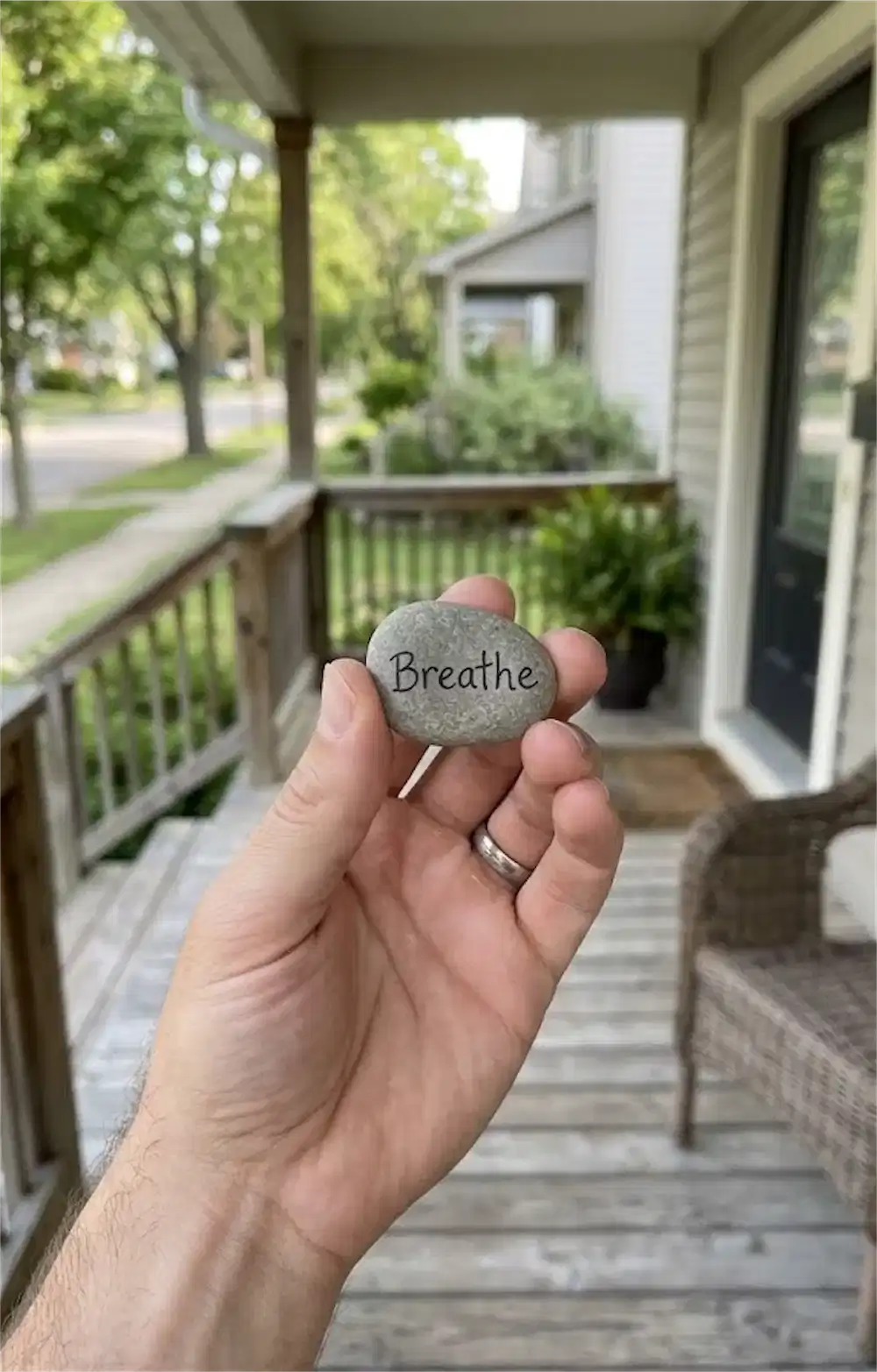
It is also helpful to have a physical “anchor.” I used to carry a specific stone in my pocket. Whenever I felt the fear of running into them peaking, I would squeeze that stone. It reminded me that my life was now solid. I wasn’t floating in their drama anymore. My life was no longer miserable; it was mine. These small shifts in focus help break the trauma bond brain chemistry that keeps you tethered to their potential presence.
If you are tired of living in fear and want a step-by-step method to stop the constant scanning and hyper-focus on your ex, this resource was designed for exactly that struggle.
Practical Strategies for When You Spot Them in Public
If the moment actually happens and you see them across a room, what do you do? First, do not feel obligated to speak. No contact means no contact, even in a random encounter. If they see you, you don’t have to smile, nod, or acknowledge them. You have the right to turn around and walk the other way. In my own recovery from BPD abuse, I had to realize that “politeness” was a trap they used to get close to me. You owe them nothing, not even a “hello.”
If they approach you, have a “exit script” ready. Use a boring, neutral tone. This is often called the grey rock method. If they ask how you are, you can say, “I’m busy, have a nice day,” and keep walking. Do not answer questions about your life, your new hobbies, or your work. They are looking for narcissistic supply or a way to trigger an emotional reaction. If you remain as boring as a grey rock, they will eventually lose interest because they can’t get a “hit” of energy from you.
What if they make a scene? This is a huge fear for many survivors. Remember that their behavior is a reflection of them, not you. If they start shouting or crying, stay calm. Your silence is your power. People in the public will see a person who is regulated and a person who is out of control. By staying grounded, you break the gaslighting narrative they likely spread about you being the “crazy” one.
Rebuilding Your Life So They No Longer Hold Power
The ultimate cure for toxic ex anxiety is building a life that is so full of your “original self” that they become a footnote. When I first left my 12 year relationship, I had no interests. I had spent so long managing their emotions that I didn’t know what I liked to eat or what music I enjoyed. I had to consciously choose to reclaim my space. I started small by visiting the places I used to avoid. I brought a friend for support the first few times, which made a huge difference.
Healing is not about forgetting what happened; it is about remembering who you are. As you reconnect with old friends and find new passions, the fear of running into them naturally begins to shrink. They start to look smaller. You realize they aren’t a monster; they are just a deeply broken person who can no longer hurt you because you have firm boundaries in place. You are no longer the person who can be manipulated by a look or a text.
Is it possible to feel happy and cheerful again? Yes. I am living proof. After a decade of misery, I am now more grounded and optimistic than I was in my twenties. The anxiety still pops up occasionally, but it no longer controls my schedule. I don’t check their social media, and I don’t ask mutual friends about them. I have committed to my own peace, and that is a wall they cannot climb over. You will get there too, one grocery trip at a time.
Takeaway: Your fear is a memory of past danger, not a prediction of your future. You are equipped with tools and boundaries that didn’t exist during the relationship. To start reclaiming your sense of security today, check out the Hypervigilance Reset and start training your body to feel safe again.

Meet Your Guide
Helen Brooks
After surviving a 12-year NPD/BPD relationship, I dedicated over a decade to studying trauma bonding and nervous system recovery. My mission is to help you break free from the fog and reclaim your authentic self.
Ready to break the trauma bond and reclaim your life?