Estranged Holiday Anxiety: Managing Painful Family Boundaries
Estranged holiday anxiety often hits like a freight train the moment the first string of lights appears in a store window. If you are navigating family boundaries after narcissistic abuse recovery, that festive cheer can feel like a direct threat to your peace. I spent twelve years in a toxic relationship where my partner had both NPD and BPD traits, and holidays were always used as a tool for isolation. I remember the paralyzing fear of doing the wrong thing, the estrangement guilt, and the crushing weight of trying to survive the season without losing my mind.
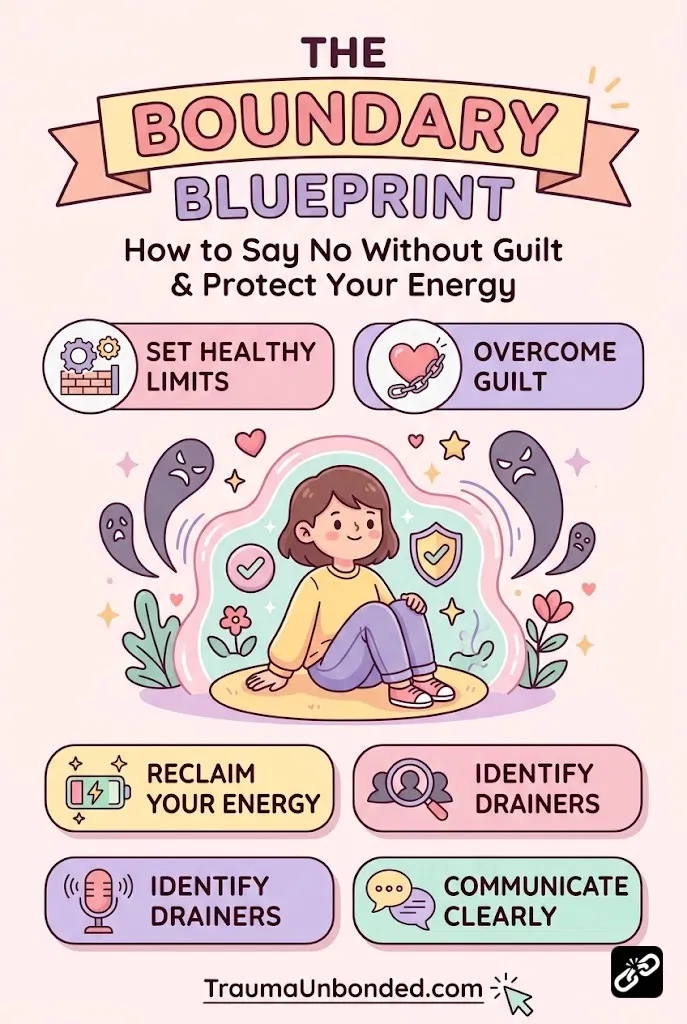
Healing from this kind of trauma takes time, and the holidays tend to reopen wounds we thought were closed. You might be wondering how to handle the pressure from flying monkeys or how to stay firm when the hoovering starts through a “Merry Christmas” text. Learning to prioritize your mental health is not selfish; it is a necessity for your survival. If you feel like your energy is being drained by family demands, you might find The Boundary Blueprint helpful for staying grounded during these high pressure months.
During my recovery, I realized that the holiday anxiety I felt was actually a trauma response. My body was remembering years of walking on eggshells and being gaslighted into thinking I was the problem. Have you ever felt that physical tightness in your chest just thinking about a family dinner? That is your nervous system trying to protect you from people who have historically caused you pain. Understanding these signals was the first step in my journey back to my original self, the cheerful and optimistic person I used to be before the abuse took over.
Why Holiday Estrangement Anxiety Feels So Heavy
Societal expectations create a massive amount of pressure to “forgive and forget” for the sake of the season. This toxic positivity ignores the reality of emotional abuse and the need for protective estrangement. When you are the one who walked away, you are often labeled as the “difficult” one or the family scapegoat. This role is a common tactic in dysfunctional families to avoid looking at their own behaviors. They want you back at the table not because they miss you, but because they miss the role you played in their drama.
In my twelve years of chaos, I learned that hoovering, or the way a toxic person tries to suck you back in, often intensifies during November and December. They use the “spirit of giving” to guilt trip you into breaking no contact. It felt like a trap every single time, a lure meant to bring me back into a cycle of intermittent reinforcement where I was treated well for a day just to be punished for the next month. Does the thought of responding to their messages make you feel like you are losing your progress?
Managing this anxiety requires radical acceptance of the fact that your family may never change. You are not responsible for their holiday experience, and you do not owe them your presence at the cost of your mental health. It is helpful to study the narcissistic family roles guide to see exactly which part they are trying to force you to play. Once you see the script, it becomes much easier to refuse to act in their play.
Setting Firm Boundaries with Toxic Family Members
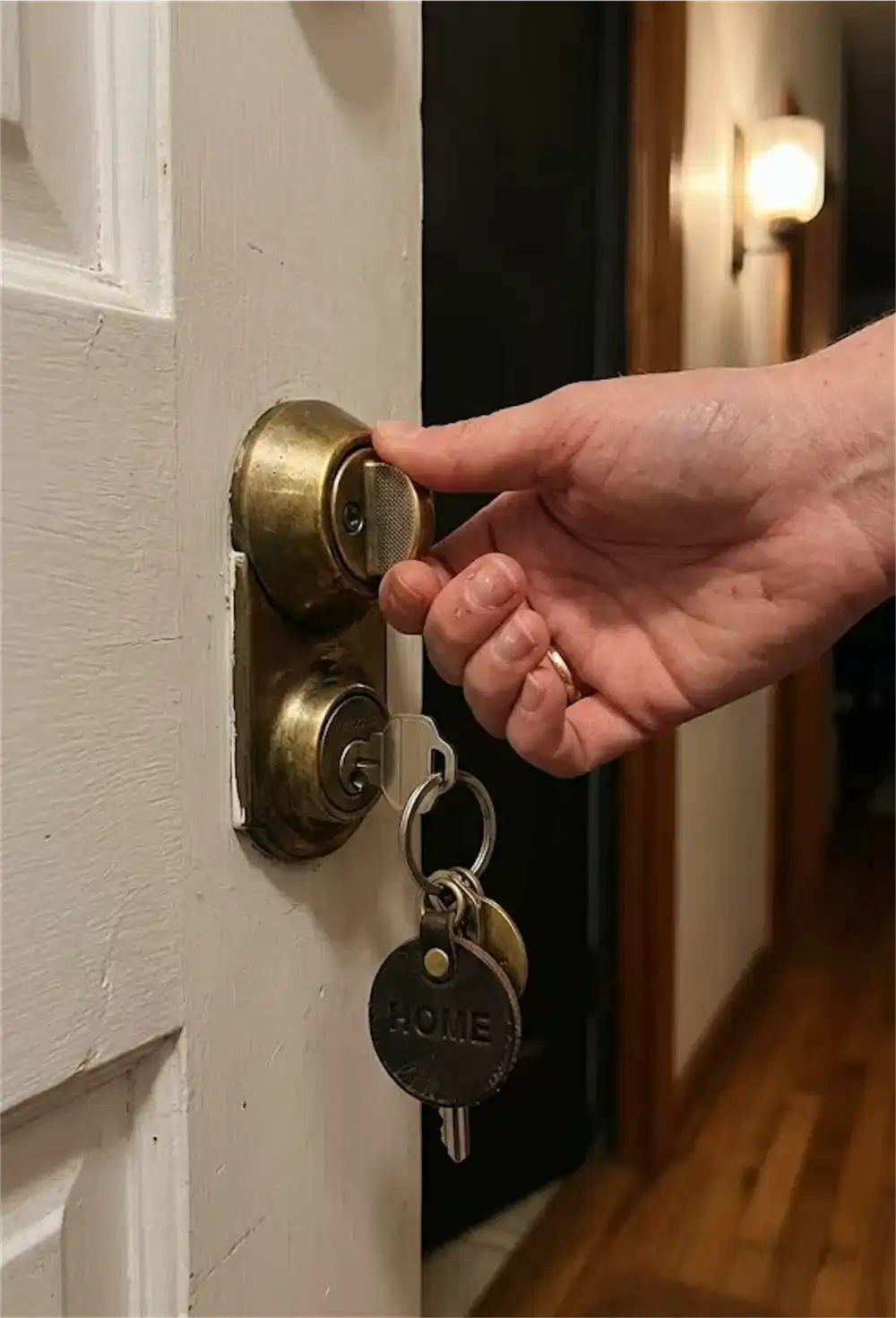
Setting family boundaries is not about changing them; it is about protecting your space. For years, I thought if I just explained my feelings clearly enough, they would finally understand. That is the codependency talking. In reality, a boundary is for you. It is a decision about what you will and will not tolerate. If they call, you don’t have to answer. If they show up at your door, you don’t have to let them in.
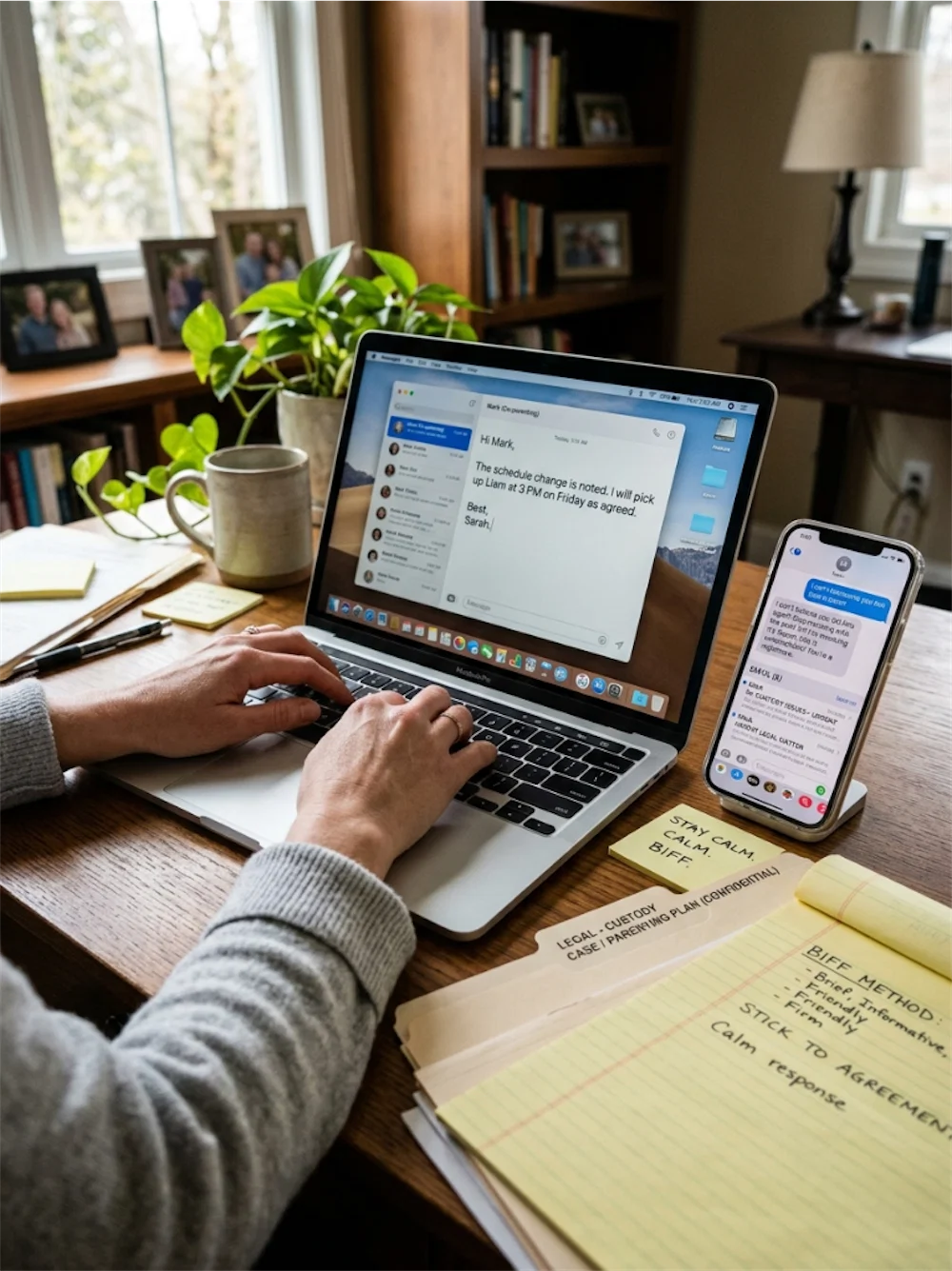
If you are still in low contact, you might decide to attend a gathering but set a strict “time out” limit. Maybe you only stay for one hour, or you keep your own car keys in your pocket the entire time. This gives you an exit strategy and a sense of control. I found that having a pre-written response for nosy questions was a lifesaver. When someone asks why you aren’t talking to your parents, you can simply say, “I am focusing on my health right now,” and change the subject.
The fawn response is another hurdle many of us face. This is when we try to appease the abuser to avoid conflict. During my relationship, I was a master at fawning. I would apologize for things I didn’t do just to keep the peace during Christmas dinner. Breaking this habit involves a lot of therapy and learning to sit with the discomfort of someone being mad at you. If you are struggling with this, the scapegoat no contact guide offers practical ways to handle the fallout of choosing yourself.
If you feel overwhelmed by the thought of asserting yourself this year, you need a plan that keeps you safe and focused on your recovery. The holidays should be a time of peace, not a time spent defending your right to exist. Strengthening your resolve and learning how to say no without the crushing guilt is the best gift you can give yourself this season.
Coping with Estrangement Guilt and Grief
One of the hardest parts of estranged holiday anxiety is the grief for a family you never actually had. We see commercials of happy families and we feel a deep sense of loss. This is disenfranchised grief, because people often don’t understand why you are mourning someone who is still alive. During my 12 years in that toxic cycle, I grieved for the partner I thought I had, only to realize I was in love with a mask. The same applies to family members who are incapable of healthy love.
When the estrangement guilt creeps in, remind yourself why you left. I used to keep a list of the most painful moments in my phone. When I felt like I was being “too mean” by staying away, I would read that list. It sounds harsh, but it broke the cognitive dissonance that tried to paint the past in a better light. You are not “ruining” the holidays; you are finally respecting your own boundaries. Is it worth sacrificing your progress just to make them feel comfortable for a few hours?
Grief is not linear, and it is okay to be sad on Christmas morning. You can miss the idea of a family without wanting the reality of yours. I found that journaling and professional therapy were the only ways I could untangle the mess of emotions I felt. It took years to stop feeling like a “bad child” and start feeling like a healthy adult who chose peace over drama. If you find yourself ruminating on old arguments, try to engage in some nervous system regulation exercises like deep breathing or a cold shower.
Creating New Holiday Traditions After Trauma
The beauty of trauma informed healing is that you get to rebuild your life from the ground up. After my breakup, I had no hobbies and few friends left. I had to rediscover what I actually liked. Holidays became a blank canvas. Instead of a stressful dinner, I started going to the movies or ordering my favorite takeout. These small wins were the building blocks of my original self returning. What would you do if there were no expectations from anyone else?
You can create “chosen family” traditions with friends who truly support you. Surround yourself with people who don’t require you to perform or hide your feelings. For me, this meant hosting a small “orphan’s Thanksgiving” for other survivors of narcissistic abuse. We didn’t have to explain our anxiety because we all understood the weight of the day. This sense of community replaced the isolation that my toxic relationship had forced upon me.
Remember that you have the power to redefine what “holiday” means to you. It can be a day of silence, a day of volunteering, or a day spent entirely in bed with a good book. There is no right way to do this as long as it keeps you safe and grounded. You have survived the worst of the trauma bonds and the manipulation; you can survive a calendar date. The fear will eventually fade, replaced by a quiet confidence that you are exactly where you need to be.
If you find that your estrangement anxiety is getting the best of you, take a moment to breathe. You are no longer that person who was trapped in a 12 year cycle of pain. You are a survivor who is learning to protect their heart. Standing your ground this season is the ultimate act of self love. If you need more support in holding those lines, look into The Boundary Blueprint to help you navigate the tricky waters of toxic family dynamics with strength and clarity.

Meet Your Guide
Helen Brooks
After surviving a 12-year NPD/BPD relationship, I dedicated over a decade to studying trauma bonding and nervous system recovery. My mission is to help you break free from the fog and reclaim your authentic self.
Ready to break the trauma bond and reclaim your life?