Missing a Toxic Ex: Why You Long for the Person They Pretended to Be
Missing a toxic ex is one of the most confusing parts of the healing journey because your brain is often at war with your reality. You feel a deep longing for a toxic partner who caused you immense pain, yet your heart aches for the person they were in the beginning. In my 12 year relationship with a partner who displayed both NPD and BPD traits, I spent a decade waiting for the “good version” of him to come back. If you are struggling with missing the person they pretended to be, please know that you are not losing your mind, you are experiencing the aftermath of a sophisticated psychological bond.
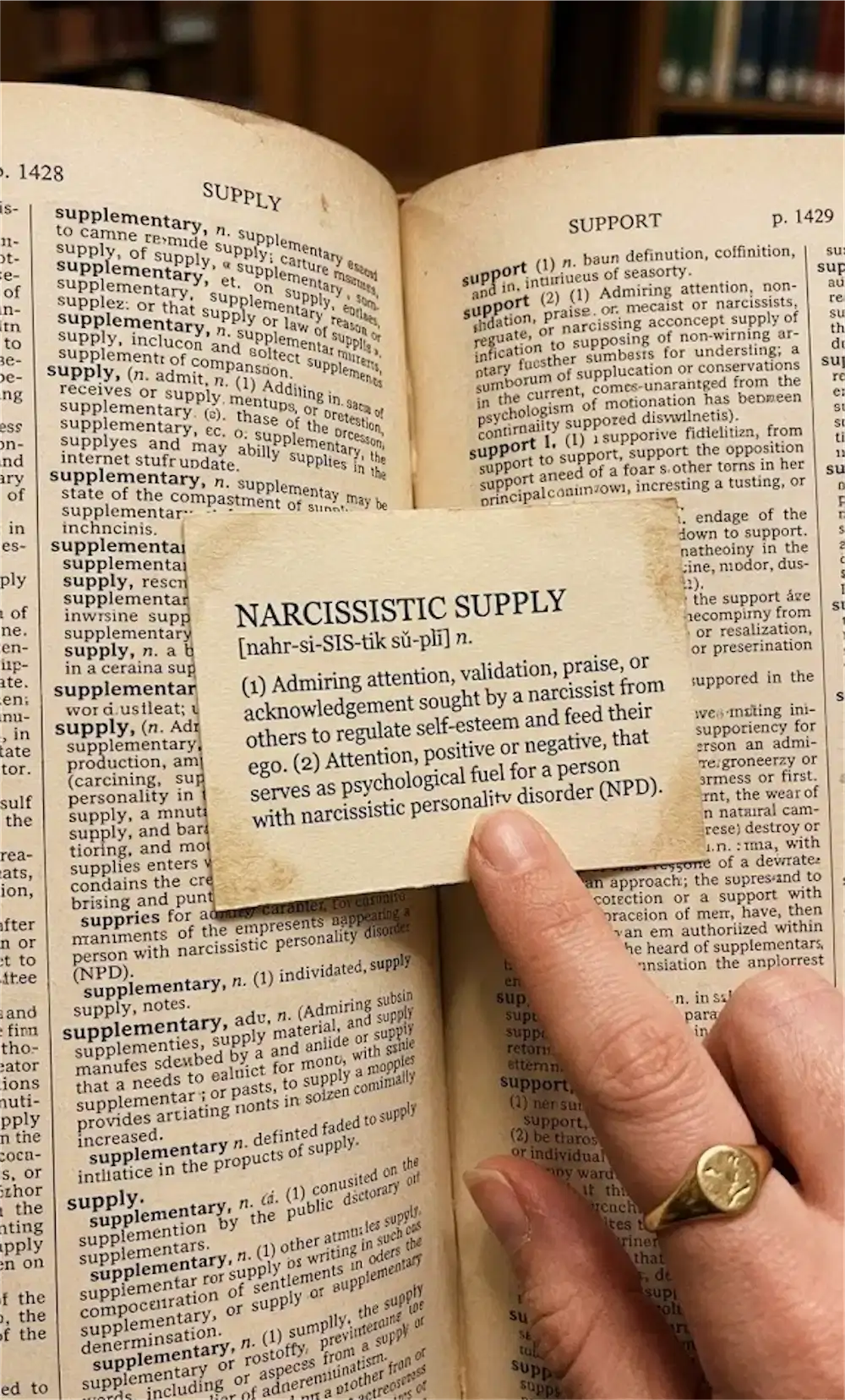
When I finally escaped that cycle, I was a shell of a person. I had no hobbies left, my friends were long gone, and my life felt miserable and empty. I didn’t just miss him; I missed the man who promised me the world in those first few months of love bombing. This is the stage where a toxic partner mirrors your every hope and dream to create a perfect, but temporary, persona. You aren’t actually missing a real person, you are mourning a character designed specifically to hook you into a trauma bond biochemical addiction that is harder to break than most physical dependencies.
Why does it feel so physical? Why does your chest tighten when you think about them? It is because your nervous system was conditioned through intermittent reinforcement. This is a pattern of hot and cold behavior where the “good” moments are just enough to keep you hooked through the months of neglect and gaslighting. Gaslighting is that slow, quiet way they made you doubt your own memory and sanity, leaving you dependent on their version of reality just to feel stable.
Why Missing a Toxic Ex is Actually Mourning a Phantom

The person you miss does not exist in the way you think they do. In my experience, I had to realize that the man who brought me flowers and listened to my stories was just a mask. The real person was the one who gave me the silent treatment for days or made me feel small for having basic needs. This gap between the “perfect” version and the “abusive” version creates cognitive dissonance. This is a mental state where you hold two opposing beliefs at once: “He is the love of my life” and “He is destroying my soul.”
When you are longing for a toxic partner, your brain is usually filtering out the bad memories to protect you from the pain of the truth. Do you find yourself only remembering the vacations and the laughs? This is a survival mechanism. Your mind wants to return to the safety of the love bombing phase because the reality of the abuse is too heavy to carry all at once. I spent years in therapy learning how to stop the romanticizing of a toxic ex by writing down the cold, hard facts of what actually happened during those twelve years.
Mourning this phantom is a slow process. It requires you to accept that the person you loved was a projection. They studied you. They knew exactly what you needed to hear to feel seen, and then they used that information to bind you to them. It feels like a death, but it is the death of a lie. You are grieving a future that was never going to happen with a person who was never truly there.
The Role of Intermittent Reinforcement in Your Longing
Have you ever wondered why it was so hard to leave even when things were terrible? That is the power of the “variable reward” system. In my relationship, I would endure weeks of coldness just for one afternoon of warmth. That one afternoon felt like winning the lottery. This is intermittent reinforcement, and it creates a literal addiction in your brain. You start missing a toxic ex because your brain is craving that next “hit” of validation that they used to provide.
This cycle is what keeps you stuck in trauma bonding. You become like a gambler at a slot machine. You keep putting in your time, your love, and your energy, hoping that the next “spin” will bring back the person from the beginning. In my 12 year struggle, I realized I was just feeding a black hole. No matter how much I gave, the “good” version only appeared when I was about to leave. This is a tactic called hoovering, where they suck you back in just as you find your strength.
Understanding this biological hook is vital for narcissistic abuse recovery. Your heart isn’t just broken; your chemistry is unbalanced. When the relationship ends, you go through a period of trauma bond withdrawal that feels like coming off a drug. The anxiety, the obsession, and the constant checking of their social media are all symptoms of this withdrawal. It isn’t love; it is the frantic search for a chemical fix.
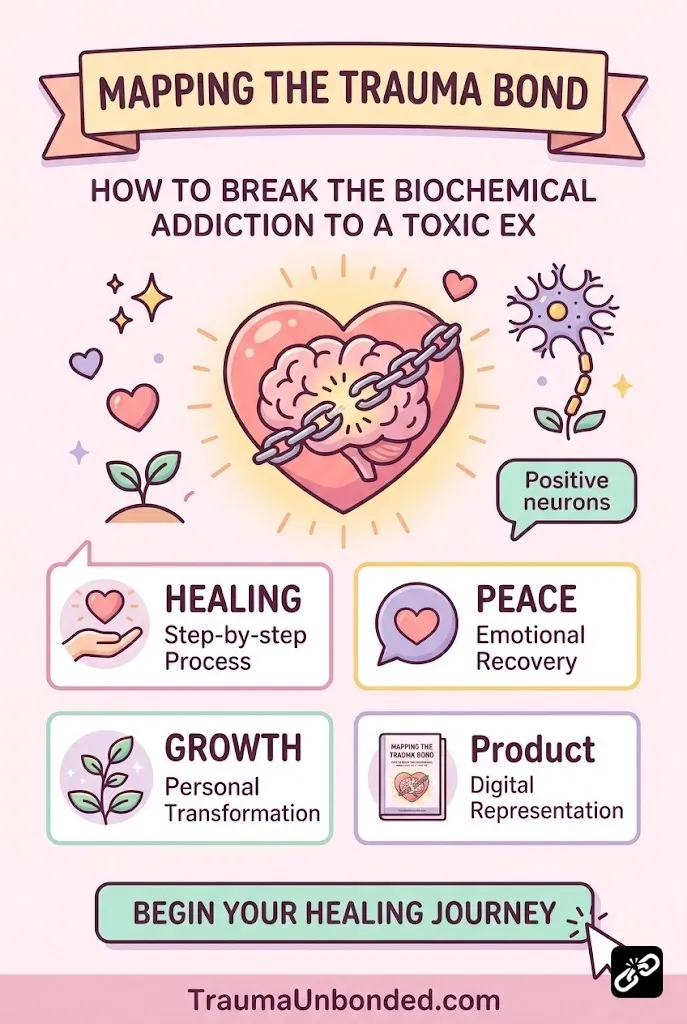
If you find yourself constantly replaying the “what ifs” and the good memories, you need a structured plan to break the mental loops. Breaking free from this addiction requires more than just willpower; it requires understanding the map of your own brain’s reward center and how it was hijacked by a toxic person.
How to Stop Longing for the Persona and See the Reality

The only way out of the fog is to anchor yourself in the truth. When I was deep in my recovery, I had to stop the fawn response, which is the habit of trying to please the abuser to stay safe. I started a “Reality Log” where I wrote down every time he lied, every time he insulted me, and every time he made me cry. Whenever I felt that familiar longing for a toxic partner, I forced myself to read that list. It was painful, but it was the only thing that broke the spell.
Recovery from a 12 year toxic relationship meant I had to rebuild my entire identity. I had to find my “original self” again the cheerful, optimistic person who existed before the trauma. This meant returning to old hobbies like gardening and reading, which I had abandoned because my ex didn’t approve of them. Taking back your time and your interests is a powerful act of trauma informed healing. It tells your brain that you are safe and that you are in control now.
Are you still checking their Instagram? Are you asking mutual friends how they are? This is how the trauma bond stays alive. To truly move on, you have to implement no contact. This isn’t about being mean or playing games; it is about protecting your peace. Every time you see their face or hear their voice, it resets your healing clock. You need total silence to let your nervous system regulate and to finally hear your own voice again.
Healing Your Nervous System After Narcissistic and BPD Abuse
The damage from a toxic relationship isn’t just emotional; it is physical. Years of “walking on eggshells” can lead to hypervigilance and high cortisol levels. You might find yourself startling easily or having trouble sleeping. This is why somatic trauma release is so important. Your body is still holding onto the stress of the 12 year relationship. I found that simple things like deep breathing and long walks helped me ground myself when the waves of grief felt too big to handle.
In therapy, I learned about codependency and why I was so susceptible to this kind of partner. Many of us who end up with toxic people have a deep desire to fix others or a fear of being alone. Healing means looking at those old wounds and learning to give yourself the love you were trying to get from someone who was incapable of giving it. It is a long road, but the freedom on the other side is worth every difficult step.
Today, I am grounded and happy. I no longer wake up with a knot of anxiety in my stomach wondering what mood he will be in. I have my hobbies back, my friends have returned, and I am finally living for myself. You can get here too. Missing a toxic ex is just a temporary state of mind, a glitch in your recovery that will fade as you continue to feed your soul with truth and self care. You deserve a love that is consistent, safe, and real, not a costume worn by someone who only wanted to use your light.
The most important thing you can do right now is to stop waiting for them to change and start focusing on your own growth. If you are ready to stop the obsessive thoughts and finally see the person for who they truly are, you might find the answers you need in the Mapping the Trauma Bond Guide. Your recovery is possible, and the version of yourself you lost is still in there, waiting for you to come home.

Meet Your Guide
Helen Brooks
After surviving a 12-year NPD/BPD relationship, I dedicated over a decade to studying trauma bonding and nervous system recovery. My mission is to help you break free from the fog and reclaim your authentic self.
Ready to break the trauma bond and reclaim your life?