The Unseen Wounds of Emotional Abuse: Recognizing and Healing Secondary Trauma
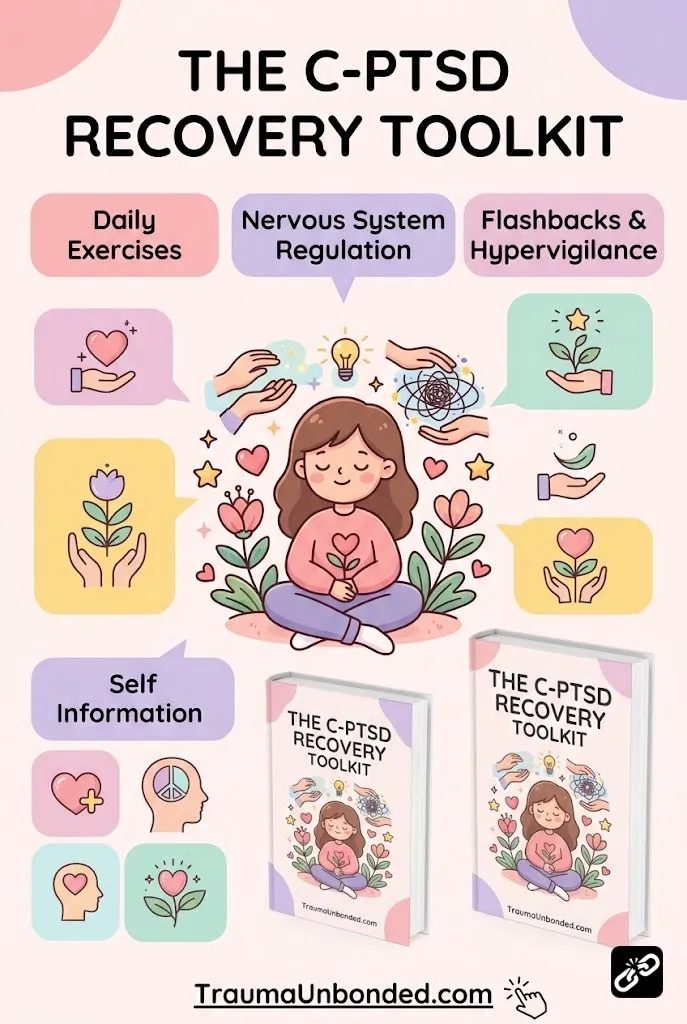
The unseen wounds of emotional abuse run incredibly deep, and recognizing secondary trauma is often the first step toward reclaiming your life. When you spend years attached to a partner who exhibits severe narcissistic or borderline traits, your mind and body absorb the constant chaos of their emotional storms. If you are struggling with chronic anxiety, memory issues, or overwhelming physical exhaustion, downloading The C-PTSD Recovery Toolkit can help you begin regulating your nervous system today.
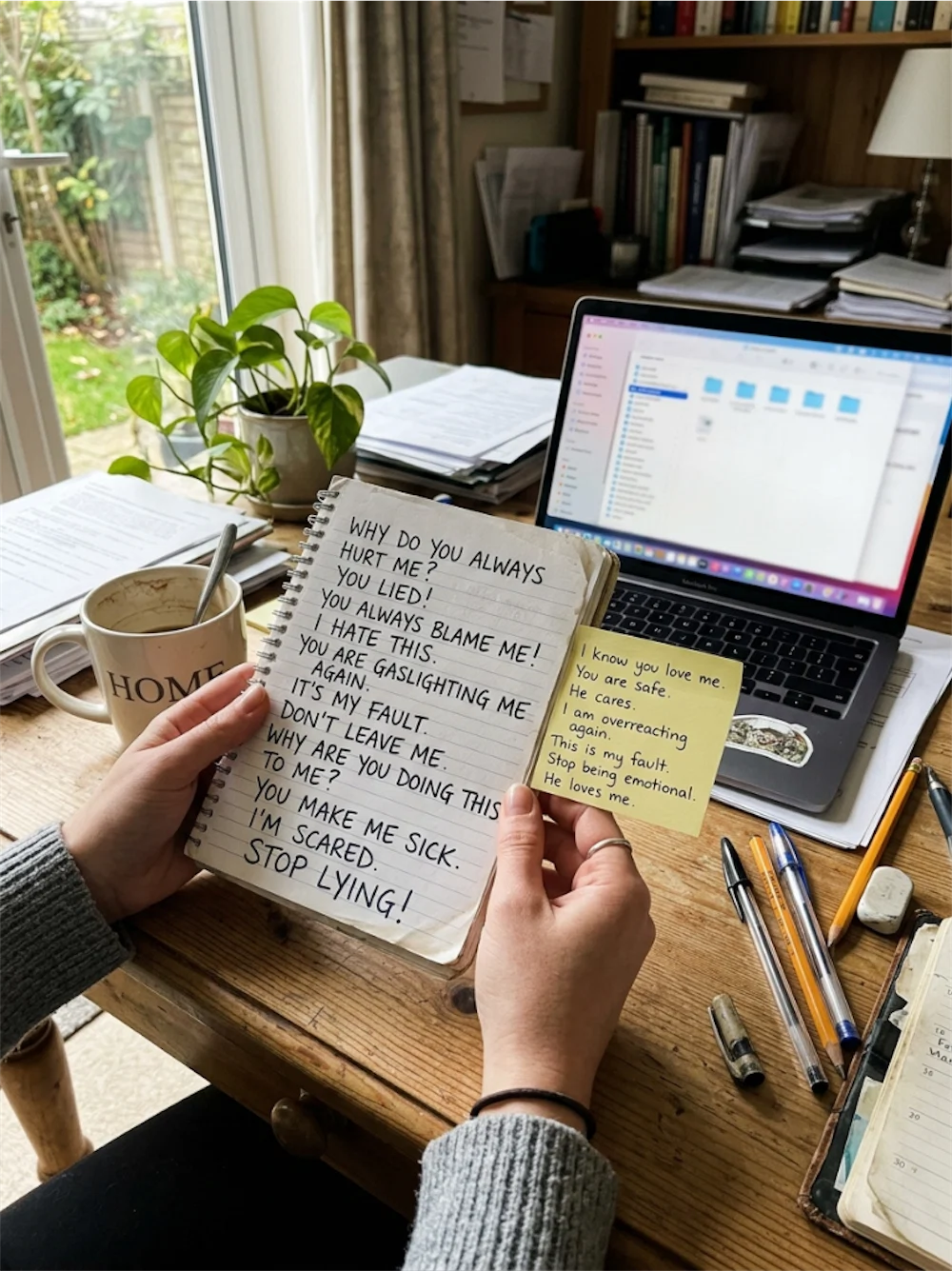
I know this pain because I lived it for 12 years. I survived a toxic relationship with a partner who had both NPD and BPD traits, and by the end, I was completely hollowed out. I had lost my friends, my hobbies, and my sense of self-worth. I felt isolated, constantly on edge, and deeply miserable, wondering how my once-cheerful, optimistic self had vanished into this shadow of a person.
What I did not realize back then was that I was suffering from severe secondary trauma, a condition that happens when you absorb the psychological and physiological damage of someone else’s dysfunction. This is not just standard sadness; it is a profound wound to your nervous system that keeps you trapped in a state of survival long after the relationship ends.
What is Secondary Trauma in Toxic Relationships?
Secondary trauma refers to the deep psychological and somatic distress that arises from living with or supporting a severely traumatized, emotionally volatile partner. It mirrors the primary trauma symptoms, leaving the survivor with chronic anxiety, hypervigilance, and emotional exhaustion even after escaping the relationship.
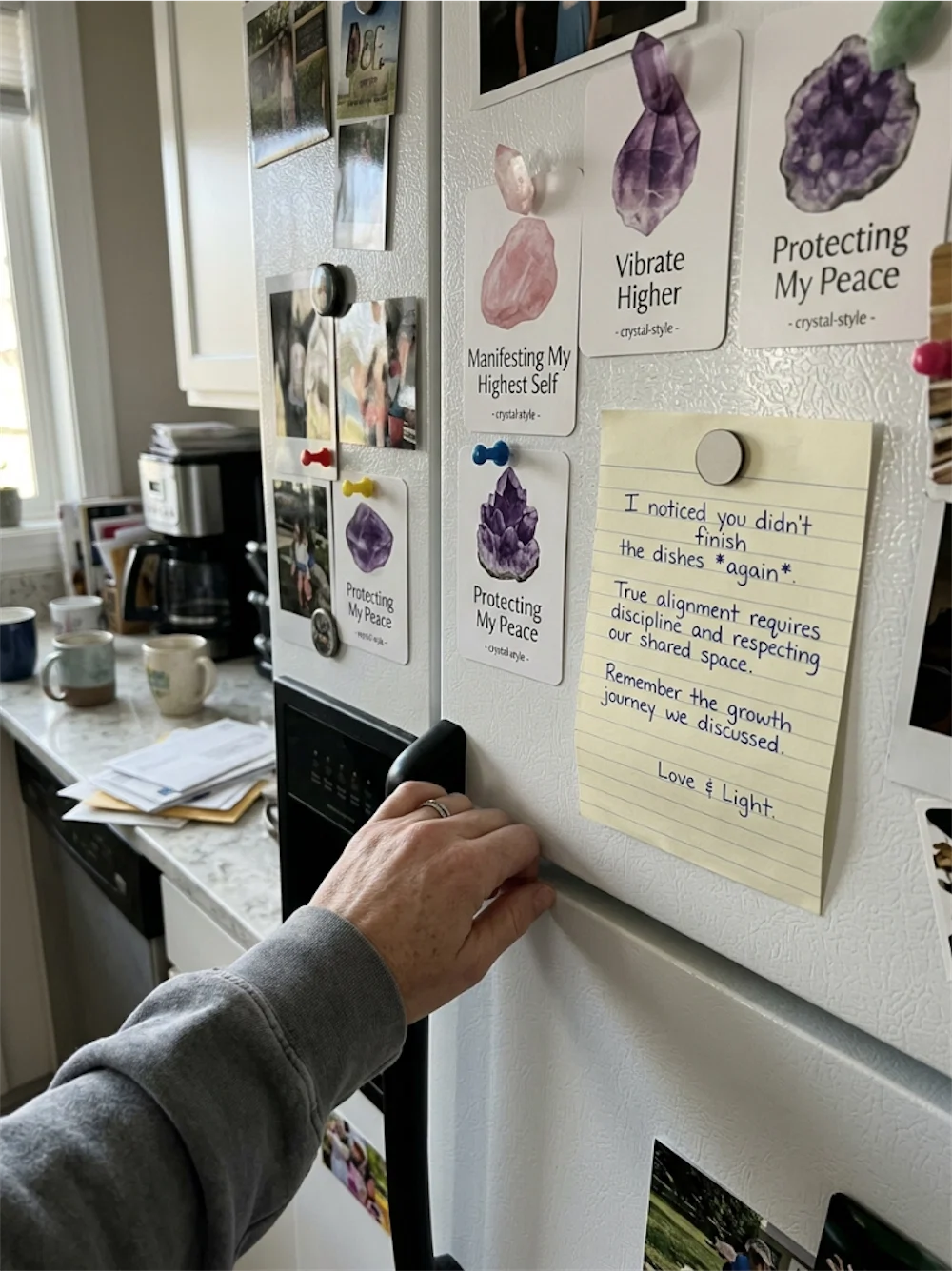
In a long-term toxic relationship, you do not just witness your partner’s suffering or rage; you actually ingest it. When they go through intense cycles of idealization and devaluation, your brain is forced to process these unpredictable swings. Have you ever noticed yourself holding your breath when your partner walks into the room, waiting to see which version of them you will get? That is your body reacting to their trauma.
This vicarious distress is highly documented in clinical settings. Research shows that partners of trauma survivors often develop secondary traumatic stress, which mirrors post-traumatic stress disorder in almost every way. In my 12-year relationship, this felt like living on a literal minefield where any word or gesture could trigger an explosion of accusations or terrifying silence.
When you are exposed to this day in and day out, your brain actually rewires itself to protect you. You stop thinking about your own dreams, needs, or boundaries, and instead focus entirely on keeping your partner stable. This constant state of vigilance slowly erodes your emotional and physical health.
The Health Symptoms of Absorbing Toxic Stress
Living under this kind of pressure produces real physical consequences that survivors often fail to connect to their relationships. When you absorb chronic stress, your adrenal glands pump out cortisol and adrenaline constantly, which eventually leads to physical collapse. If you are experiencing unexplained muscle tension, digestive issues, or chronic insomnia, you are likely experiencing toxic relationship health symptoms that require somatic attention.
During my recovery, I discovered that my constant fatigue and brain fog were not just signs of laziness; they were the direct result of my nervous system being stuck in a permanent fight-or-flight response. Your body cannot heal when it is constantly scanning the environment for threats. Recognizing these physical signs is essential because the body often keeps the score when the mind is too numb to process the abuse.
These symptoms are your body’s desperate way of telling you that you are no longer safe. When we ignore these physical warning signs, we end up deeply codependent, trying to fix our partner’s chaos while our own physical health completely deteriorates. True recovery means shifting the focus back to your own body and its need for safety.
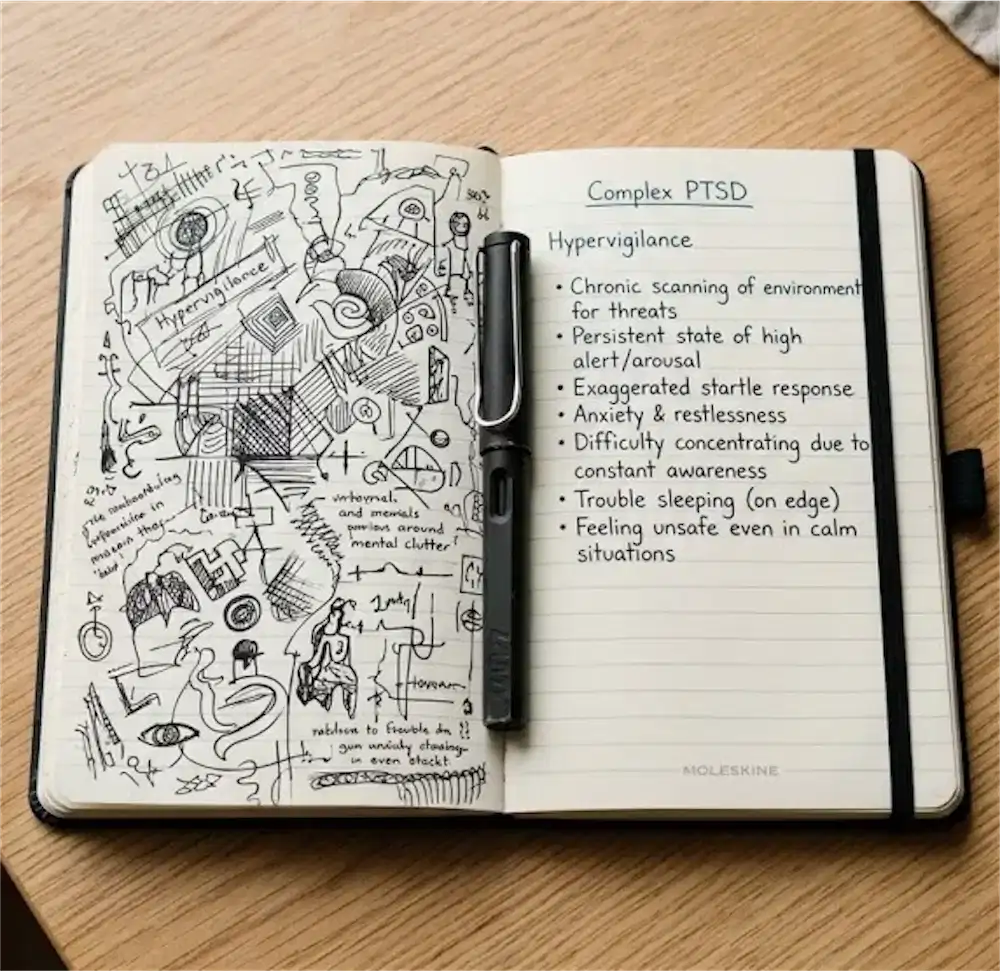
If you find yourself constantly scanning rooms, struggling to breathe deeply, or jumping at sudden noises, your body is still holding onto the trauma of that toxic bond. Rebuilding your life requires more than just reading about abuse; it requires active, daily exercises to calm your overactive nervous system. I highly recommend using a structured guide designed specifically for this purpose to help you step out of survival mode and reclaim your sanity.
Healing the Body: Somatic Release and Nervous System Recovery
To heal secondary trauma, you must move beyond intellectual understanding. For years, I read books on narcissism and borderline personality disorder, thinking that if I just understood the psychology of my ex, I would miraculously feel better. But the anxiety remained, trapped in my tight shoulders and shallow breathing. I had to learn that true recovery lives in the body, not just in the mind.
This is where somatic practices and nervous system regulation become your greatest tools. When your system is stuck in hypervigilance, simple mental shifts are not enough. Utilizing proven cptsd grounding flashback techniques can help you anchor yourself back into the present moment when memories or emotional triggers threaten to overwhelm you.
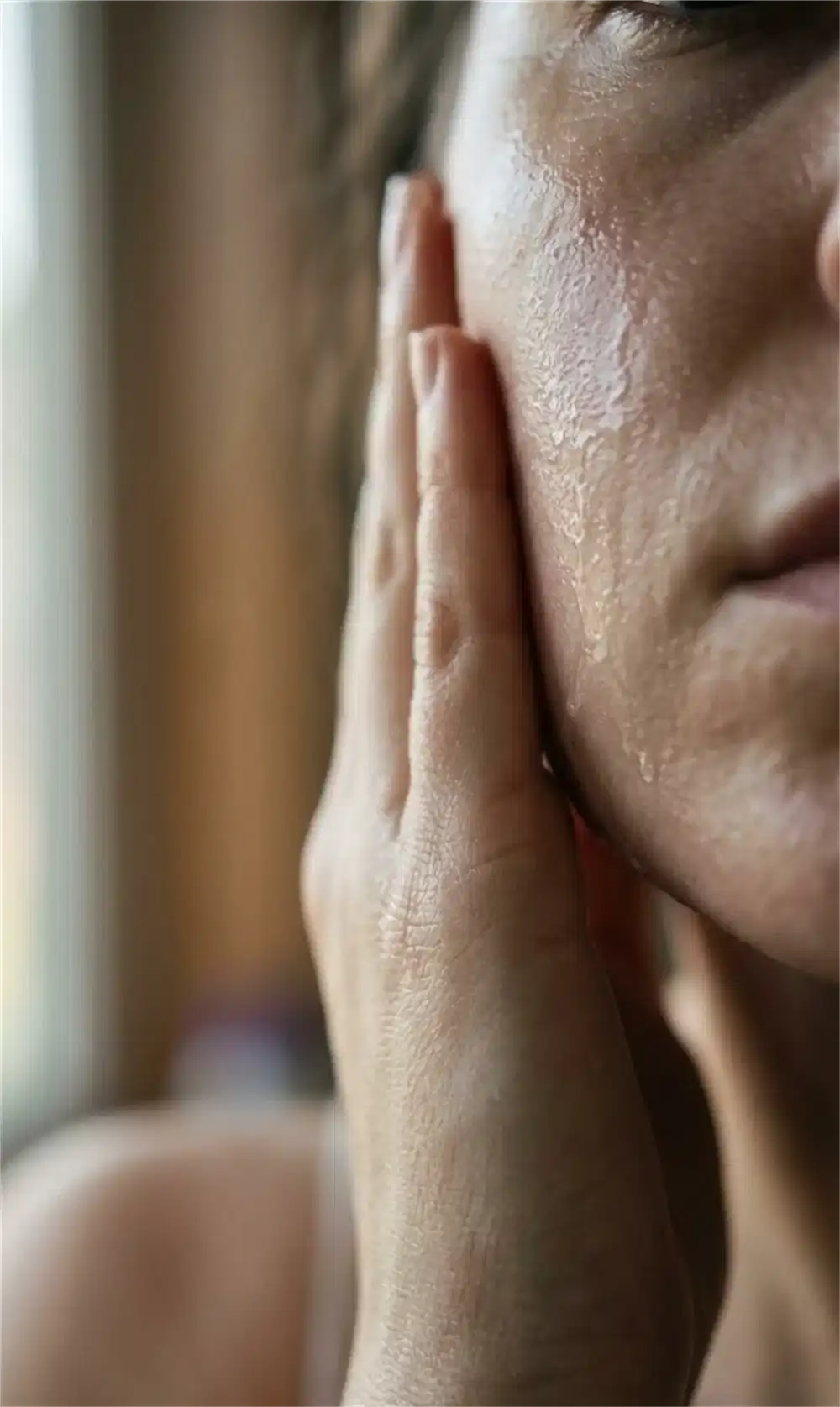
Allowing yourself to feel and release stored grief is also a vital part of this process. I remember the first time I cried during therapy without trying to hold back or rationalize my tears; it felt like a massive physical weight was lifted from my chest. That crying was not a sign of weakness, but a profound emotional release that allowed my body to finally realize that the danger had passed.
How to Begin Reclaiming Your Original Self
Returning to the cheerful, optimistic person you used to be is entirely possible, even if it feels distant right now. When I finally walked away after 12 years of survival, my world was completely empty, but that emptiness eventually became a blank canvas. Here are the core steps to begin rebuilding your life from the ground up:
- Establish absolute no-contact boundaries: You cannot heal from secondary trauma while you are still actively absorbing new toxic behaviors. Block their number, delete their social media profiles, and give your nervous system the quiet space it needs to settle.
- Focus on body-based grounding: Spend time outdoors, practice deep diaphragmatic breathing, or use cold water therapy to trigger your vagus nerve and bring your body back to a state of safety.
- Rebuild your social circle: Reach out to old friends you lost during the relationship, join local interest groups, or simply spend time around people who do not demand your emotional energy.
- Allow yourself to grieve: You are not just grieving the loss of a relationship; you are grieving the years you lost and the version of yourself that suffered. Let those tears flow without judgment.
As you take these steps, be incredibly gentle with yourself. Healing from a decade of abuse is not a linear journey; some days you will feel strong and grounded, and other days you might feel the familiar tug of self-doubt. Trust that every small effort you make to care for your body and protect your peace is bringing you closer to your original self.
The journey of recognizing the unseen wounds of emotional abuse is deeply challenging, but you do not have to walk this path alone. By focusing on somatic healing and committing to daily nervous system regulation through resources like The C-PTSD Recovery Toolkit, you can slowly but surely untangle your life from the painful web of secondary trauma and step into a peaceful, bright future.

Meet Your Guide
Helen Brooks
After surviving a 12-year NPD/BPD relationship, I dedicated over a decade to studying trauma bonding and nervous system recovery. My mission is to help you break free from the fog and reclaim your authentic self.
Ready to break the trauma bond and reclaim your life?