
The Impact of Stress Hormones on Weight After a Narcissistic Relationship: How to Balance
Did you notice sudden weight changes after escaping your toxic partner? The connection between stress hormones and weight after a narcissistic relationship is a real physical obstacle that many survivors face. During my 12-year toxic relationship with an ex who had both NPD and BPD traits, my body changed completely.
I struggled with unexplained weight gain and intense bloating that would not go away, no matter how little I ate. If you are going through this, you are not alone, and your body is not failing you. I spent years feeling completely defeated by my own reflection, wondering why my effort to stay healthy yielded no results.
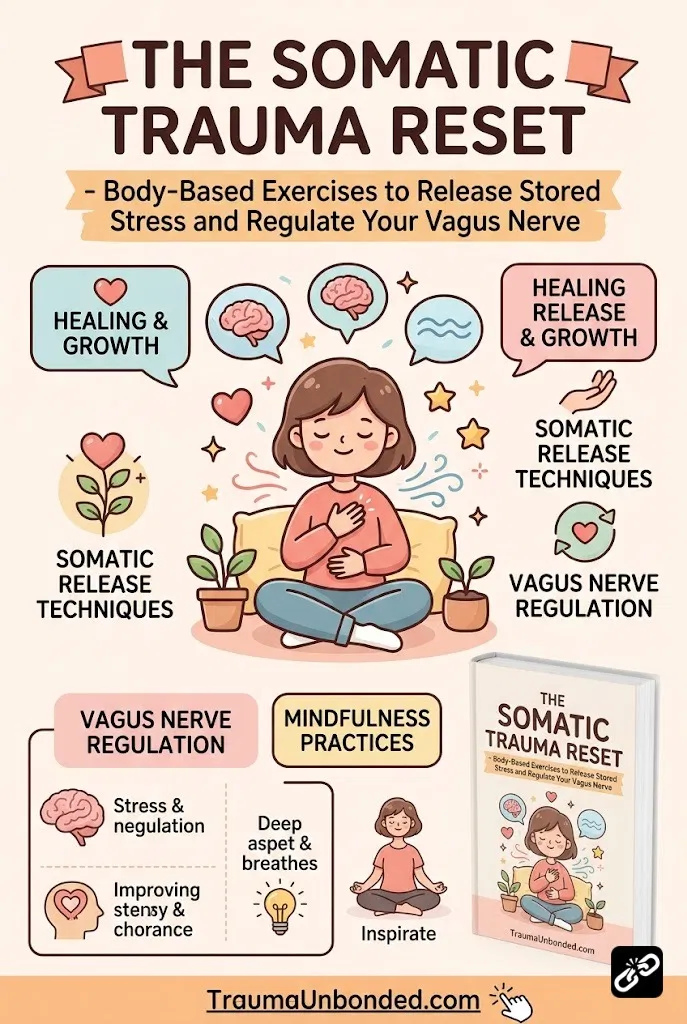
Your nervous system is simply trapped in survival mode, keeping you locked in a state of high alert. This chronic tension is why utilizing body-based tools like The Somatic Trauma Reset can help you finally release the physical weight of trauma [1180]. Healing does not come from restriction, but from teaching your body that it is safe to let go.
When you are constantly walking on eggshells, your body produces a flood of chemicals designed to keep you alive. Over a decade of this constant threat altered my own physiology to the point where I felt completely disconnected from my own physical form. My cheerful, optimistic self was buried under layers of physical and mental exhaustion.
After the breakup, I was devastated, isolated from friends, and had abandoned all my hobbies. I felt utterly miserable, wondering why my body was holding onto fat even though the immediate danger had passed. I did not realize that my biological threat response was still running in the background, consuming all my energy.
To heal, I had to understand how trauma bonds and codependency affect our biology [1161, 1200]. Your body does not know the difference between a physical predator and the emotional chaos of a toxic partner. It simply reacts to the constant threat by holding onto energy in the form of fat.
Why Narcissistic Abuse Causes Unexplained Weight Gain
Chronic stress from emotional abuse triggers a constant release of cortisol, which signals your body to store fat, particularly around the abdomen, while slowing down your metabolism. Rebalancing your body requires calming your nervous system rather than relying on extreme diets.

For years, I blamed myself for my physical changes, thinking I just lacked willpower. But emotional trauma is not just in your head; it is deeply embedded in your tissues. When you live with a manipulative partner, your brain’s alarm system is constantly active.
Have you noticed that your body shape changed specifically around your midsection? This is a very common physical manifestation of chronic emotional trauma. When my ex would shift from intense love-bombing to sudden, cold splitting, my body was flooded with adrenaline [1196].
Over time, this constant fluctuation damages your metabolic health and creates distinct toxic relationship health symptoms that cannot be cured by a simple calorie deficit. Your cellular health is closely tied to your emotional landscape, making a holistic approach necessary for recovery. When the mind is under siege, the physical body reflects that struggle.
The Biological Link Between Cortisol and Trauma Weight
Cortisol is often called the stress hormone, and its primary job is to keep you alive during an emergency. In a healthy scenario, cortisol spikes to help you escape danger and then returns to normal. In a toxic relationship, however, the danger never actually ends.
According to research from Harvard Health Publishing, constant stress keeps cortisol elevated, which increases appetite and directs fat storage to the visceral abdominal area. This survival mechanism is why many survivors struggle with what is commonly known as trauma belly and bloating. Your body is trying to protect your vital organs by storing fat nearby because it anticipates a famine or physical crisis.
Additionally, high cortisol levels can suppress your thyroid function, which slows down your metabolic rate. When my 12-year relationship ended, my metabolism was practically asleep. Identifying these high cortisol symptoms in women was the first step toward getting my health back.
To truly release this weight, you must convince your nervous system that the threat is gone [1180, 1181]. Traditional diets and intense workouts often make the problem worse because they add more physical stress to an already exhausted body. Instead, you need a specialized, body-based approach to release stored trauma and turn off the survival alarm.
How to Balance Your Hormones and Release the Weight

Healing your body after years of chronic stress is a slow, gentle process [1180, 1181]. When I first started my recovery journey, I wanted quick results, but my body resisted every aggressive diet I tried. I had to learn to treat my physical self with deep compassion and patience.
Here are the practical, daily steps that helped me lower my cortisol levels and finally lose the trauma weight:
- Begin with gentle movement: Swap high-intensity interval training for restorative activities like walking in nature or gentle yoga. Intense exercise can elevate cortisol further, while calm movement helps burn off excess stress hormones without triggering a panic response in your cells.
- Focus on nervous system regulation: Practice daily deep breathing or vagus nerve stimulation exercises to signal safety to your brain [1180, 1181]. This helps shift your body out of the sympathetic fight-or-flight state and into the parasympathetic rest-and-digest mode where healing can occur.
- Support your body with nourishing foods: Avoid strict starvation diets, which your body interprets as another threat. Instead, focus on eating regular, nutrient-dense meals with adequate protein and healthy fats to stabilize your blood sugar and prevent sugar spikes.
- Establish a soothing bedtime routine: Sleep is when your body repairs and regulates hormones. Creating a calm, tech-free evening routine can improve your sleep quality and lower your morning cortisol spikes, allowing your metabolism to recover.
As I practiced these steps and worked through my codependency in therapy, something incredible happened. The constant inflammation began to subside, and my waistline naturally started to shrink. More importantly, I started to feel like my original self again, rediscovering my cheerful and optimistic nature.
If you are still struggling with your weight after your breakup, please be gentle with yourself. Your body did not gain weight because you failed; it gained weight to protect you from a deeply toxic environment. If you are ready to take the next step in your healing journey, consider using The Somatic Trauma Reset to release the physical toll of narcissistic abuse and reclaim your physical well-being [1180].

Meet Your Guide
Helen Brooks
After surviving a 12-year NPD/BPD relationship, I dedicated over a decade to studying trauma bonding and nervous system recovery. My mission is to help you break free from the fog and reclaim your authentic self.
Ready to break the trauma bond and reclaim your life?