Learning to Trust Again: How to Discern Who is Safe After a Narcissistic Discard
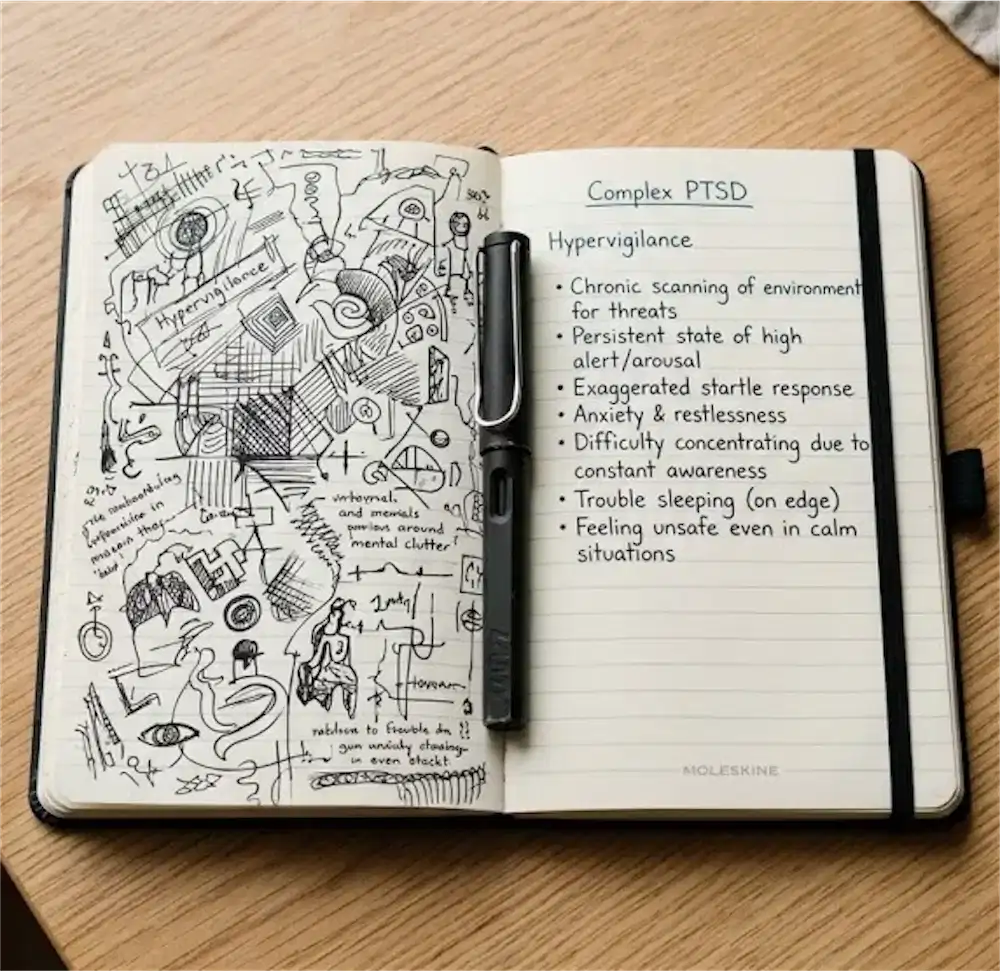
Learning to trust again after surviving a brutal narcissistic discard can feel like trying to navigate a minefield in the dark. If you are struggling with how to discern who is safe after a narcissistic discard, please know that your hypervigilance is a natural response to extreme psychological distress. You might feel completely empty, wondering if your internal radar is permanently broken after experiencing such profound betrayal.
During my own recovery after a twelve-year relationship with a partner exhibiting severe NPD and BPD traits, I lived in constant fear of making another mistake. I was isolated, without any hobbies, and genuinely believed my life was over. It was only through deep therapeutic work and working through a roadmap to rebuild self-worth that I slowly understood how to piece my reality back together.
This process is not about magically throwing your doors open to everyone you meet. Instead, it is about building a secure, internal checkpoint system that helps you evaluate people slowly and safely.
How do you learn to trust again after a narcissistic discard?
Learning to trust again requires shifting your focus from trying to read other people’s minds to rebuilding your own self-trust. By establishing slow pacing, observing behavioral consistency over time, and honoring your gut feelings, you can safely identify healthy connections without staying entirely isolated.
When the discard happens, the sudden shock leaves your nervous system in a constant state of fight-or-flight. You begin to question your own memory, your sanity, and your judgment. How could someone who claimed to love you turn into a cold stranger overnight?
This agonizing confusion makes trust after a narcissistic breakdown feel like an impossible mountain to climb. The truth is, your protective walls are working exactly as they should to keep you safe right now. You do not need to lower them immediately; you simply need to build a gate with a lock that you control.
The Core Anatomy of the Narcissistic Discard
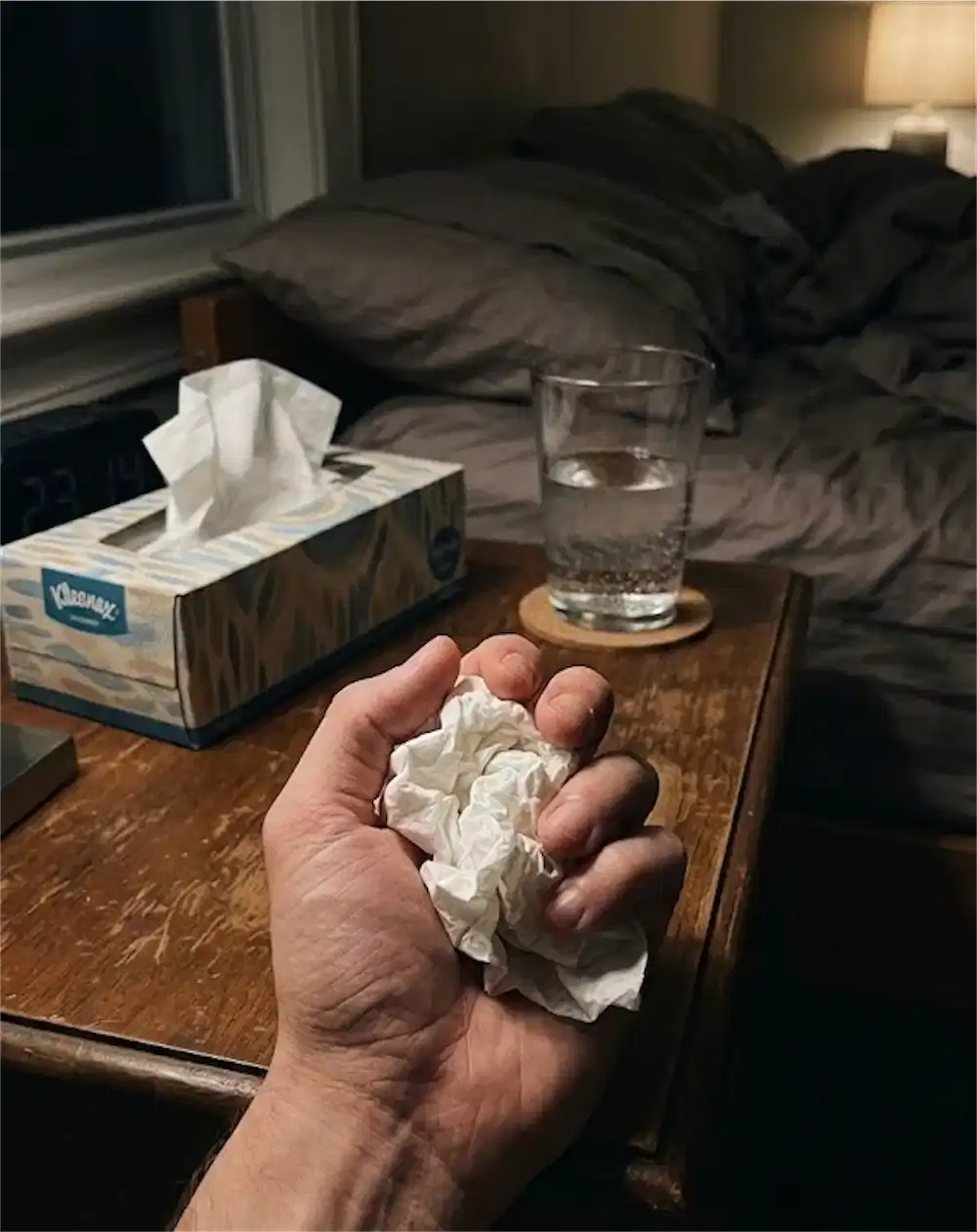
In a toxic relationship, the discard is never just a simple breakup. It is a systematic rejection designed to leave you destabilized and doubting your value as a human being. During my twelve years in that cycle, the constant threat of abandonment made me walk on eggshells every single day.
To begin the journey of healing, we have to look closely at what happened to our perception of safety. According to experts on psychological safety and trust, healthy human bonds are built on mutual respect and emotional predictability. When a manipulative partner destroys that predictability, your brain starts treating every new person like a potential threat.
This survival response is why you might find yourself overanalyzing tiny facial expressions or text messages from new acquaintances. You are not crazy; your mind is just trying to protect you from repeating the past. To counter this, you must learn to rebuild self-worth after a discard by taking small, deliberate steps toward connection.
Spotting Safe People Through Behavioral Consistency
So, how do you actually separate the safe people from those who might harm you again? Safe people do not demand your instant vulnerability or try to sweep you off your feet with excessive praise. They show up quietly, steadily, and without drama.
Here are several key indicators of a safe individual that you can look for as you start expanding your social circle:
- Respect for boundaries: When you say “no” to a plan or express a different opinion, they accept it calmly without guilt-tripping you.
- Consistent actions: Their words match their behavior over several weeks and months, not just during the first few days of meeting.
- No rush for intimacy: They do not pressure you to share your deepest secrets or force a fast connection.
- Emotional accountability: If they make a mistake, they apologize sincerely and change their behavior instead of turning it back on you.
During my recovery, I had to learn that silence and predictability were not signs of boredom. They were actually the foundation of genuine safety. In a toxic relationship, we get addicted to the intense highs and lows, which makes healthy consistency feel unfamiliar at first.
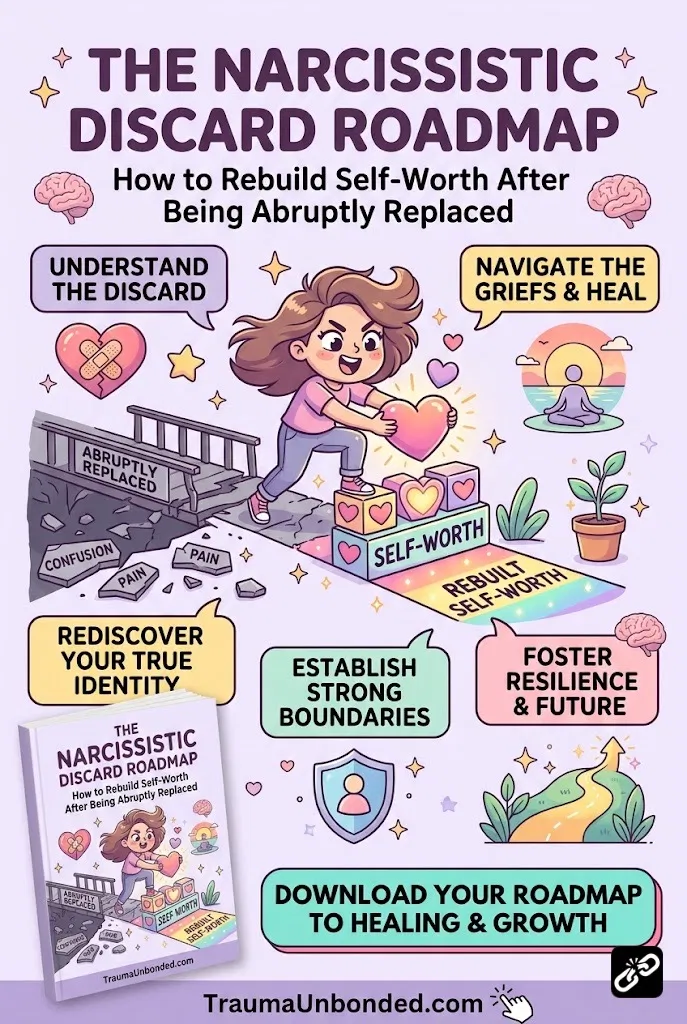
If you are finding it hard to quiet the racing thoughts and constant fear of being replaced or discarded again, having a structured, step-by-step recovery plan is incredibly helpful. This guided digital workbook provides the exact exercises needed to heal from the trauma of being abandoned and restore your trust in yourself.
Reclaiming Your Intuition and Rebuilding Self-Trust

A major roadblock to healing is the belief that your intuition is broken because you didn’t see the red flags in your toxic relationship. But let me ask you: did you really not see them, or did you learn to ignore them to keep the peace? In my twelve-year struggle, I felt the warning whispers early on but repeatedly talked myself out of my own reality.
Reclaiming your intuition is not about instantly knowing who is good or bad. It is about vowing to never abandon yourself again when something feels off. If a new person makes you feel anxious, confused, or exhausted, you are allowed to step away without needing a court-admissible list of reasons.
Start small by practicing decision-making in low-stakes situations. Choose what you want to eat, what hobbies you want to try, and how you want to spend your weekends. Reconnecting with these simple desires helps rebuild the confidence needed to make bigger choices about the people you let into your life.
Navigating New Social Connections Slowly
Do you find yourself wanting to isolate completely to avoid getting hurt again? While isolation feels safe in the short term, it can prolong the feeling of being stuck in the aftermath of the abuse. The goal is not to stay hidden forever, but to learn how to interact with the world on your own terms.
When you start interacting with coworkers, neighbors, or potential friends, remind yourself that you do not owe them your entire story. Keep conversations light and centered on shared interests or tasks. This slow pacing gives you time to observe how they treat you and others over a period of several months.
Pay close attention to how you feel after spending time with someone. Do you feel energized, or do you feel a familiar sense of dread or exhaustion? Your body holds the memory of the trauma, and it will often tell you when someone is unsafe long before your analytical mind figures it out.
Moving Forward with Healthy Discernment
As you take these slow steps, remember that a safe relationship—whether a friendship or a romantic connection—feels peaceful rather than exciting or chaotic. You do not have to prove your worth to safe people, nor do you have to perform to keep their attention.
By focusing on consistency, honoring your boundaries, and practicing patience, you will gradually find yourself returning to a grounded, cheerful state. Healing is a quiet path, and you have all the time in the world to decide who gets a seat at your table. For a structured, compassionate guide to reclaiming your identity and healing from this painful transition, explore the Narcissistic Discard Roadmap today.

Meet Your Guide
Helen Brooks
After surviving a 12-year NPD/BPD relationship, I dedicated over a decade to studying trauma bonding and nervous system recovery. My mission is to help you break free from the fog and reclaim your authentic self.
Ready to break the trauma bond and reclaim your life?