Trauma Armor: How to Release Chronic Muscle Guarding After Narcissistic Abuse
If you are struggling with a stiff neck, a locked jaw, or shoulders that feel like blocks of concrete, you are likely carrying trauma armor. When you need to release chronic muscle guarding after narcissistic abuse, you cannot simply think your way out of the physical constriction. Your body has memorized the threat of a highly toxic relationship and continues to protect itself long after the abuser is gone.
During my own twelve-year relationship with a partner who displayed severe narcissistic and borderline traits, my body was constantly braced for the next emotional storm. I lived in a persistent state of hypervigilance, my shoulders practically glued to my ears. To fully heal, I had to look past mental recovery and use body-based practices like the step-by-step methods in The Somatic Trauma Reset to teach my nervous system that the danger had passed.
The constant physical stress of trying to manage someone else’s volatile emotions can leave lasting physical health symptoms toxic relationship dynamics leave behind. You might find yourself waking up with a clenched jaw, tight hips, or a shallow breathing pattern that makes you feel perpetually exhausted. Understanding how this physiological defense is formed is the first step to letting it go.
What is Trauma Armor and Muscle Guarding?
Trauma armor refers to the chronic, involuntary tensing of muscles (muscle guarding) that occurs when your body stays trapped in a survival state after prolonged emotional abuse. It acts as a physical shield to protect your vital organs and prepare you for fight, flight, or freeze responses.
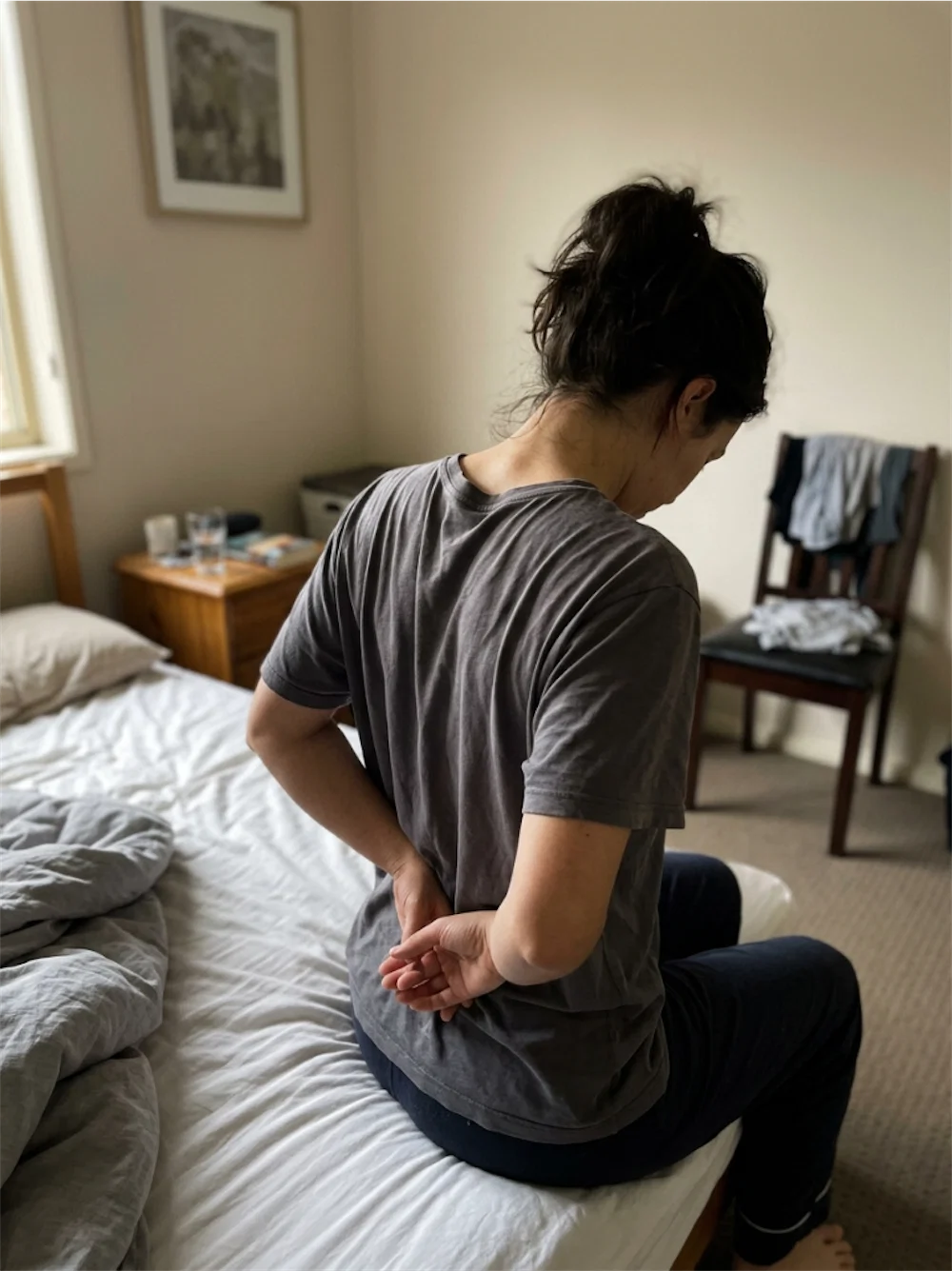
In a toxic relationship, you are walking on eggshells daily. This means your brain perceives a constant threat, signaling your musculoskeletal system to tighten up. Over a decade, this continuous micro-tension becomes your body’s baseline, a defense mechanism called neuromuscular guarding.
When my ex would split or go into a narcissistic rage, I would freeze. My abdomen would tighten, and my breathing would stop. Years after escaping that environment, I realized my body was still holding that rigid posture because it did not know we were finally safe.
Why Your Body Remains Trapped in a State of Constant Defense
When you experience chronic stress, your adrenal glands flood your bloodstream with cortisol and adrenaline. According to research on somatic psychology published by Psychology Today, muscle guarding acts as a physical wall to keep emotional pain from overwhelming your system. This structural protection blocks your awareness of deep-seated terror and grief.
To break this pattern, you must find a way to exit survival mode trauma response loops. If you only focus on cognitive processing, your muscles will continue to hold the memory of the abuse. The body remembers what the mind tries to forget, which is why analyzing your past is never enough to heal the physical tension.
Have you noticed how you instinctively pull your shoulders up when you hear a loud noise or when someone speaks in a harsh tone? That is your nervous system reacting to a trigger. It is a protective reflex that has been conditioned over years of psychological survival.
If you are tired of living in a body that feels like a prison, you need structured physical techniques to reset your nervous system. I used these exact body-based protocols to reclaim my physical comfort and calm my anxious mind.
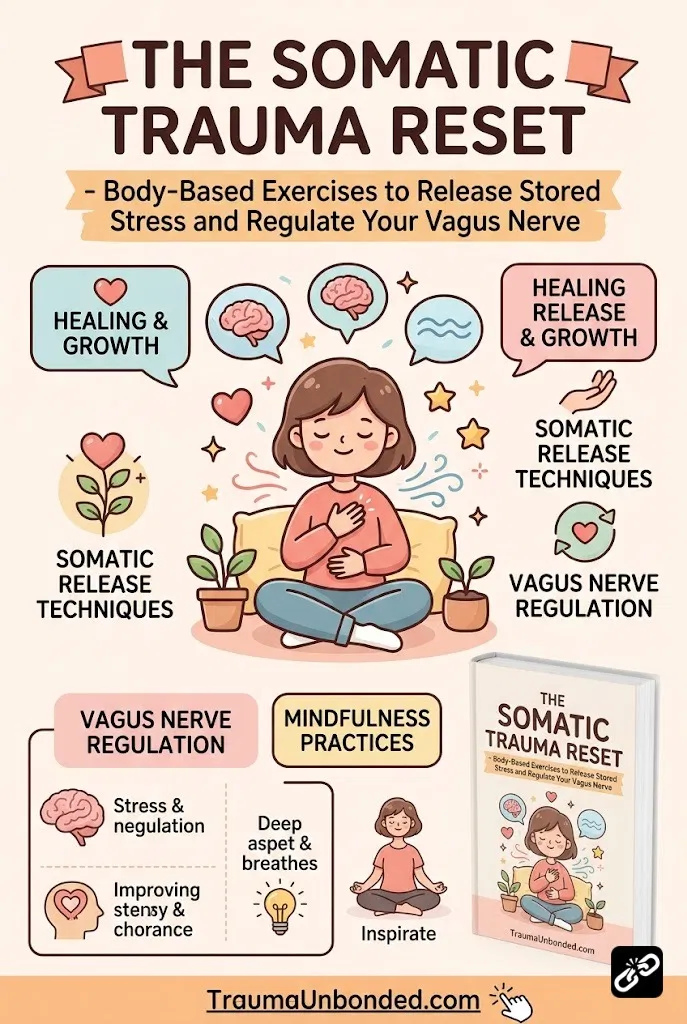
Somatic Exercises for Trauma Release

Releasing muscle tightness requires gentle, consistent physical messages of safety. When you engage in deliberate somatic practices, you communicate directly with the brainstem, bypassing the rational mind. This is where your body stores the freeze and fawn defenses.
You can start reclaiming your physical comfort today by using targeted nervous system regulation exercises to discharge built-up energy. These physical exercises work by utilizing the body’s natural release reflexes to melt away chronic muscular armor. Here are three simple techniques that helped me reclaim my physical freedom:
- Therapeutic Tremoring (Neurogenic Tremors): Lie flat on your back with your knees bent and feet flat on the floor. Slowly open your knees outward like a butterfly and hold this position until your thighs begin to shake slightly. Let this gentle vibration spread through your pelvis and abdomen to discharge deep stress.
- The Jaw-Release Swallow: Gently open your mouth wide as if yawning, then slowly close it while sliding your lower jaw side to side. Place your fingers on your masseter muscles and apply light pressure, then swallow deeply to release tension in the throat.
- Shoulder Shrug-Drop Protocol: Inhale deeply while squeezing your shoulders all the way up to your ears as hard as you can. Hold the tension for five seconds, then exhale sharply through your mouth while dropping your shoulders completely. Repeat this three times to remind your body of what relaxation actually feels like.
Common Areas of Body Tension After Narcissistic Abuse
Trauma does not settle randomly in the body; it targets specific muscle groups that correspond with your defense instincts. If you had to swallow your truth for years to survive, your neck and throat might feel constantly restricted. If you had to run away from danger or constantly walk on eggshells, your psoas and hip flexors will remain locked in a running pattern.
Let’s look at the most common areas where survivors hold their trauma armor:
- The Jaw and Masseter Muscles: Tightness here often stems from holding back your voice, suppressing tears, or clenching in anger. It is the physical manifestation of silence forced upon you during toxic arguments.
- The Shoulders and Upper Back: Known as the burden-bearing region, this area tightens when you carry the heavy weight of someone else’s emotional volatility and projection.
- The Psoas (The Fight-or-Flight Muscle): This deep muscle connects your spine to your legs. It contracts during moments of panic to prepare you to flee, leading to chronic lower back and hip stiffness when left unresolved.
- The Diaphragm: Constantly anticipating criticism causes shallow breathing, which keeps the diaphragm muscle in a tight, elevated state that starves your tissues of oxygen.
Practical Ways to Calm a Highly Sensitized Nervous System
Releasing trauma armor is not a one-time event; it is a daily commitment to your physical well-being. When I first left my abusive relationship, I felt completely disconnected from my own physical sensations. My body was a hostile territory that I preferred to ignore because of the intense anxiety and numbness stored within it.
By incorporating small, low-demand physical practices into your routine, you can slowly coax your nervous system out of high alert. Try lying on the floor with your legs up on a wall for ten minutes, listening to calming sounds, or simply resting your hands on your chest and stomach while taking slow, deep belly breaths. These micro-moments of safety accumulate over time, allowing your tight muscles to soften and let go of their protective grip.
Remember that your body developed this trauma armor to keep you alive during a period of immense psychological threat. Be gentle with yourself as you work to undo these deep physical patterns. It took years of survival to build this shield, and it will take patience, self-compassion, and consistent somatic support to finally put it down.
Your physical body has kept the score of the emotional abuse you survived, but it does not have to remain a monument to your past pain. By choosing physical safety and gentle somatic release, you can gradually shed your trauma armor and return to a life of physical ease, cheerfulness, and deep inner peace. To begin reclaiming your physical freedom and releasing stored nervous system tension today, explore the detailed somatic practices in The Somatic Trauma Reset and start your journey back to yourself.

Meet Your Guide
Helen Brooks
After surviving a 12-year NPD/BPD relationship, I dedicated over a decade to studying trauma bonding and nervous system recovery. My mission is to help you break free from the fog and reclaim your authentic self.
Ready to break the trauma bond and reclaim your life?