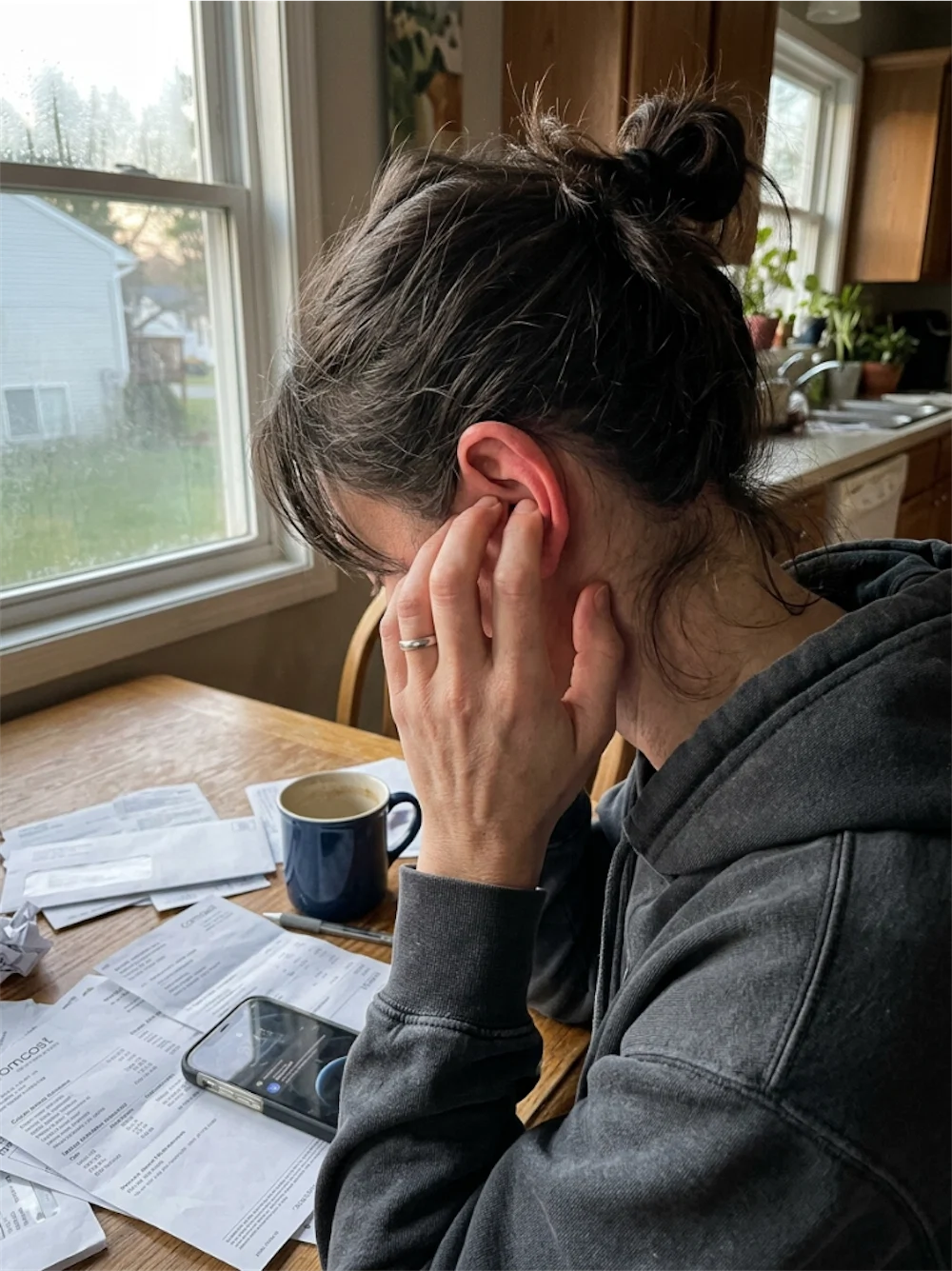
Therapeutic Tremoring (TRE): How Shaking Your Body Can Release Deeply Stored Stress
When learning how to release trauma stored in the body, you might find that talk therapy alone is not enough to quiet a hyperactive nervous system. After spending 12 years walking on eggshells in a relationship with a partner who displayed severe NPD and BPD traits, my body felt like a coiled spring. I tried talking, journaling, and analyzing my choices, but my muscles remained completely locked until I discovered how therapeutic tremoring exercises for stress could physically shake loose years of pent-up fear.
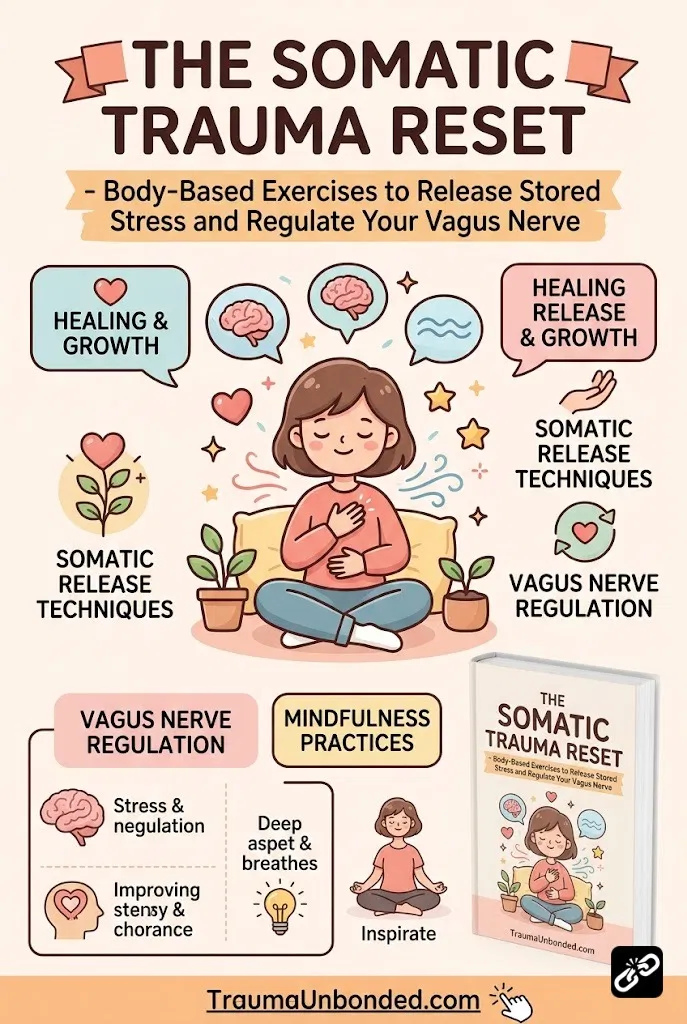
My physical health had deteriorated after the breakup, leaving me isolated, exhausted, and feeling like a stranger in my own skin. That was when I realized the trauma was physically trapped in my tissues. Utilizing a structured resource like The Somatic Trauma Reset Guide helped me understand that cognitive awareness is only half the battle when trying to heal.
Do you notice that you constantly clench your jaw, or that your shoulders are glued to your ears? This chronic physical holding is the body’s way of guarding against danger. Let’s look at how inducing gentle, natural tremors can bypass your analytical mind to release this deep stress.
What is Therapeutic Tremoring (TRE) and how does it release trauma?
Therapeutic Tremoring (TRE) is a somatic practice that uses simple exercises to activate the body’s natural neurogenic shaking mechanism, which safely discharges trapped survival energy and resets the nervous system. By shaking out deep muscle tension, the body transitions out of a chronic fight-or-flight state without needing to mentally process the trauma.

In my 12-year toxic relationship, I became a master at holding my breath and tightening my pelvic floor. I did not realize my body was stuck in an incomplete stress cycle. When a wild animal escapes a predator, it naturally shakes its entire body to release the massive surge of adrenaline. As humans, we often suppress this natural reflex because we think shaking is a sign of weakness.
Because we suppress this reflex, the chemical stress markers remain trapped inside our muscle fibers. Over time, this leads to chronic physical pain, anxiety, and profound fatigue. By intentionally allowing these tremors to occur, we can teach our bodies that the threat has passed.
What does it feel like to finally let go of that grip? For me, it started with a fluttering sensation in my legs that eventually spread to my abdomen, releasing tension I did not even know I was holding.
The Science Behind Shaking Therapy for Trauma Recovery
The core of this practice lies in accessing the psoas muscles, which are the main physical connectors between your spine and your legs. These deep muscles are the primary engines of our fight-or-flight response. When we face chronic emotional abuse, these muscles contract constantly to prepare us to run or fight.
When these muscles remain chronically contracted, they signal to the brain that we are still in danger. Clinical research shows that initiating neurogenic tremors can interrupt this feedback loop. For instance, studies on the benefits of neurogenic shaking demonstrate how tremoring calms the autonomic nervous system, as outlined in clinical literature on therapeutic tremoring benefits published in PubMed.
If you are struggling with trauma bond withdrawal symptoms after leaving a toxic partner, your body is likely cycling through intense chemical cravings and panic. Shaking acts as a physical circuit breaker. It tells the lower brain centers that the environment is safe, lowering cortisol levels without requiring any mental effort.
For those of us recovering from a decade or more of constant emotional distress, rebuilding our physical wellness requires a structured, step-by-step approach. Learning to quiet the survival brain is much easier when you have clear, body-based exercises to follow daily. If you are ready to begin releasing this stored tension systematically, the following resource provides the exact structure you need to regulate your nervous system.
How to Practice Somatic Shaking for Anxiety Relief at Home
When you are ready to try somatic shaking for anxiety relief, it is best to set aside 15 minutes in a quiet, private space where you will not be interrupted. You do not need any special equipment, just a comfortable yoga mat or a carpeted floor. Here is a simple, gentle sequence to help you safely activate your body’s shaking response.
- Fatigue the lower muscles: Stand with your feet shoulder-width apart and do a few gentle heel raises, or lean your back against a wall in a mild wall-sit. The goal is to create a tiny bit of physical fatigue in your calf and thigh muscles.
- Adopt the butterfly position: Lie down on your back on your mat. Bring the soles of your feet together and let your knees fall open to the sides, resting in a comfortable stretch.
- Lift your pelvis gently: Lift your hips slightly off the floor for about one minute while keeping your feet together. You will begin to feel a mild warmth or slight vibration building in your inner thighs.
- Lower your hips and find the sweet spot: Slowly lower your hips back to the floor. Slowly, over the course of a few minutes, close your knees together by mere inches at a time until they begin to tremble on their own.
Once the tremoring begins, let it happen naturally. Do not force the movement, and do not try to stop it unless you feel uncomfortable. If the shaking becomes too intense, simply straighten your legs out flat on the floor, take a deep breath, and the tremors will stop immediately.
How to Release Deep Muscle Tension After a Toxic Relationship
For a long time, I lived in a state of constant somatic guarding, which felt like wearing a heavy coat of armor. If you have been through similar relational trauma, you might find that you have forgotten how to relax your abdomen or breathe deeply. Incorporating nervous system regulation exercises like tremoring is a way to teach your muscles that they no longer need to shield you from harm.
During my first few sessions of somatic shaking, I experienced sudden waves of crying that did not seem to have any specific mental trigger. My therapist helped me understand that this was a normal somatic release. When we shake out deep physical tension, we are also releasing the emotional memories that were anchored to those physical patterns.
How did it feel when I finally let myself shake? It felt like putting down a heavy suitcase I had been carrying for over a decade. After each session, the heavy fog in my head began to clear, and my sleep gradually returned to normal. My cheerful, optimistic original self did not return overnight, but step by step, the physical release paved the way for my mental recovery.
Reclaiming your life after long-term emotional abuse is not just about changing how you think; it is about changing how your body feels. By letting your body shake off the survival energy it has held for so long, you are taking back control of your physical state. If you are ready to expand your somatic healing practices and restore your physical health, you can find further structured guidance in The Somatic Trauma Reset Guide to support your ongoing recovery.

Meet Your Guide
Helen Brooks
After surviving a 12-year NPD/BPD relationship, I dedicated over a decade to studying trauma bonding and nervous system recovery. My mission is to help you break free from the fog and reclaim your authentic self.
Ready to break the trauma bond and reclaim your life?