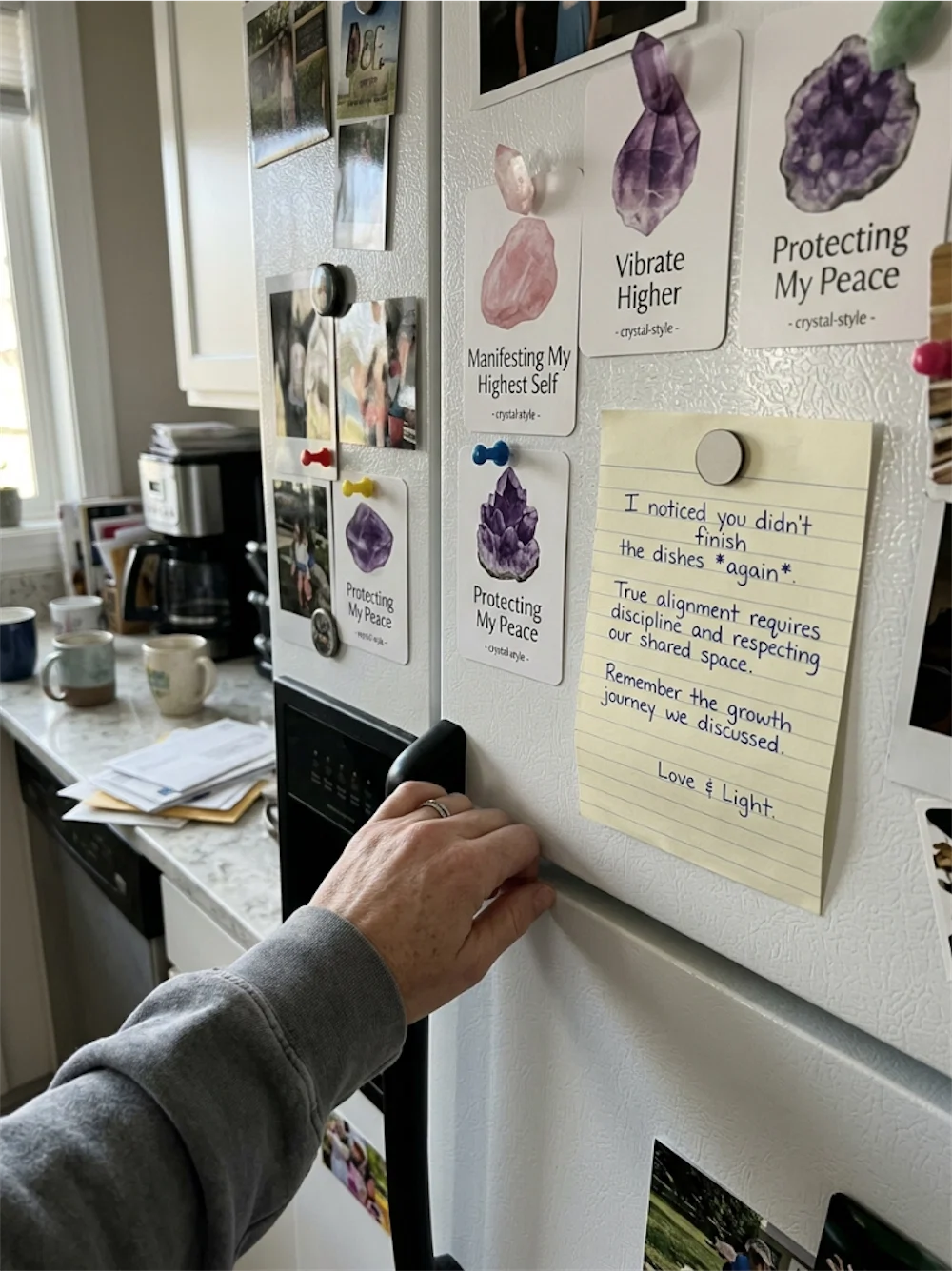
How to Tell if Your Narcissistic Ex is Secretly Monitoring Your Life Post-Breakup
If you suspect your narcissistic ex is secretly monitoring your life post-breakup, you are not alone in this unsettling experience. During my own 12-year struggle with a partner who showed severe narcissistic and borderline traits, I lived in constant fear that my every move was being watched. If this heavy anxiety is wearing you down, utilizing resources like The Hoovering Protection Plan can help you rebuild your defenses and reclaim your peace of mind.
When the relationship finally ended, I felt utterly devastated, isolated from my support group, and stripped of the hobbies that once brought me joy. I quickly discovered that a toxic partner does not simply walk away; they often engage in post-breakup surveillance to keep a tight grip on your emotional state. Have you ever noticed your phone buzzing with strange notifications, or felt a sudden chill when walking into a local coffee shop?
This persistent tracking is a classic control tactic designed to keep you trapped in a state of hypervigilance. Through therapy and dedicating time to understand codependency, I eventually returned to my original self, finding my cheerfulness and stability once again. Let us explore the quiet indicators that your former partner is keeping tabs on you and how you can put a swift stop to it.
Signs Your Narcissistic Ex is Tracking You Post-Breakup
You can tell if your narcissistic ex is secretly monitoring your life if they possess highly specific knowledge about your new routine, show up unexpectedly at your favorite locations, or use mutual friends to gather intelligence. Digital warning signs include unrecognized login alerts on your accounts, strange social media activity from throwaway profiles, and a sudden spike in local gossip about your private matters.
The Eerie Coincidence of Unexpected Encounters
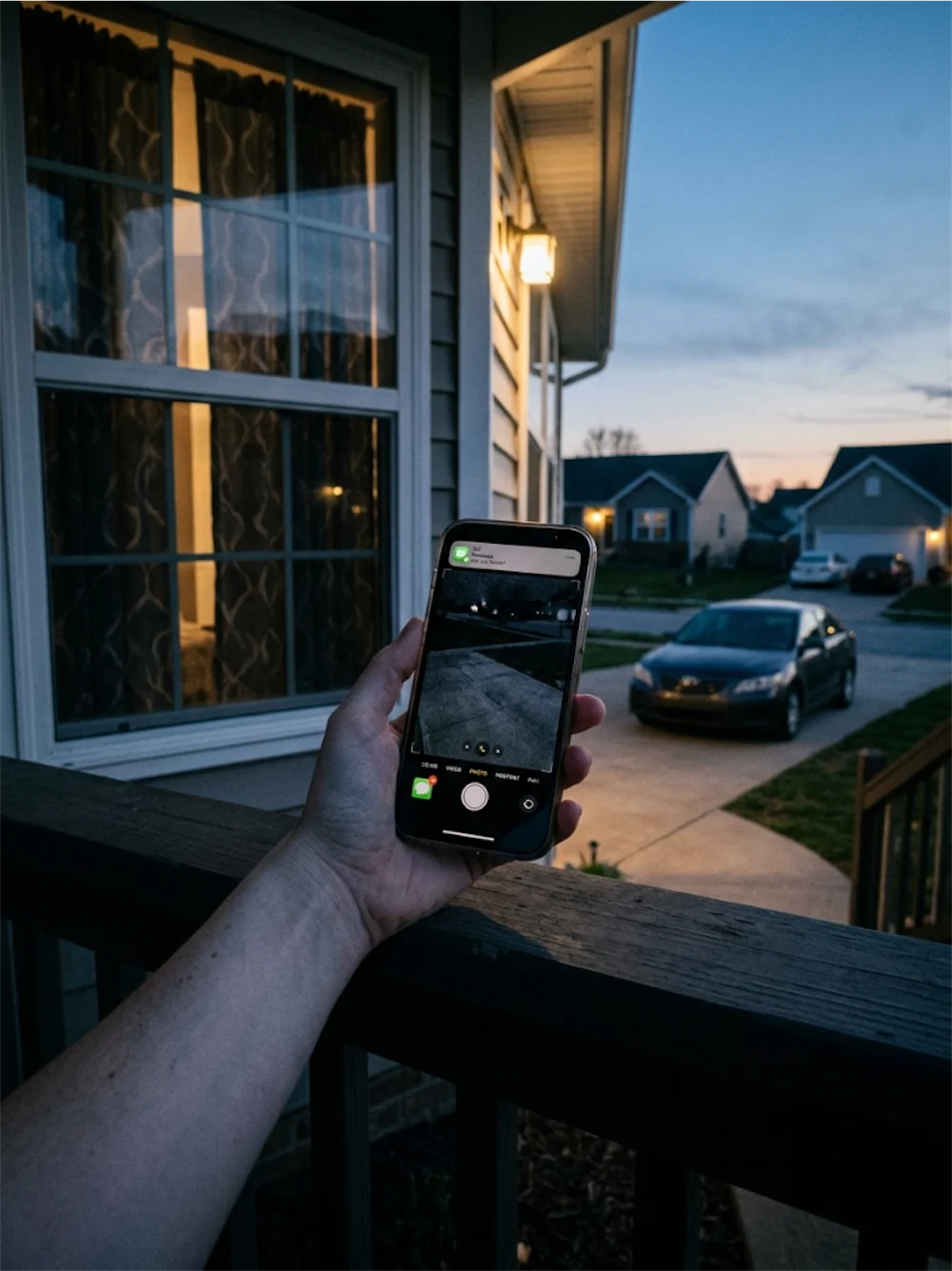
One of the most common signs of covert narcissist tracking is running into your former partner in places they have no logical reason to visit. During my recovery, I would frequently spot my ex’s car parked near my new gym or see them casually walking down a street I had only recently started using. Do these sudden meetings feel too frequent to be random luck?
They do this deliberately to let you know they still have access to you, keeping you in a state of chronic worry. This constant stress can trigger a severe emotional regression, making you feel as if you are still walking on eggshells inside the toxic dynamic. For those struggling with this persistent dread, consulting a toxic ex anxiety guide can provide immediate somatic tools to settle your overactive nervous system.
Third-Party Information Sourcing
A narcissist rarely acts entirely alone when trying to gather intelligence on your daily activities. They will often employ “flying monkeys,” who are mutual friends or family members used as pawns to ask prying questions about your progress. Have you had a friend casually bring up your dating life or ask about your new job out of nowhere?
These enablers might not even realize they are being manipulated into reporting back to your ex. The toxic individual uses this gathered information to find weak spots they can exploit later. It is highly unsettling when private details you only shared with a select few suddenly become common knowledge within your old social circle.
Digital Interference and Account Anomalies
Technology has made it incredibly easy for a toxic ex to engage in cyberstalking post-breakup without ever leaving their home. You might notice unrecognized login attempts on your email accounts, or see that your social media stories are being viewed by highly suspicious, blank profiles. When I was healing, I discovered my ex had retained access to an old shared cloud account, allowing them to view my updated contact lists.
They might also use spyware or simple location-sharing features that were left active on your devices during the relationship. If your phone battery is draining unusually fast or your location settings keep turning on automatically, it is time to investigate. These digital footprints are loud indicators that your boundaries are being breached.
If you are tired of feeling watched and want to put an absolute end to these intrusive behaviors, you need a systematic defense plan. Taking back your privacy requires structured, step-by-step boundaries that leave no room for digital or physical stalking. I highly recommend checking out this specialized handbook to block their access and rebuild your everyday peace:

How to Reclaim Your Privacy and Stop Post-Breakup Surveillance
Secure Your Digital Workspace
Your first line of defense is securing your online accounts. Start by changing passwords on every platform you use, especially those that were active during the relationship. According to research on post-breakup stalking behavior, individuals with an obsessive fear of abandonment often resort to intrusive tracking to regain a sense of worth and control.
Enable two-factor authentication on your email, banking, and social media profiles. Additionally, review all devices connected to your accounts and force a log out on any unrecognized phones or tablets. Taking these basic security measures immediately cuts off their digital window into your life.
Enforce a Complete Communication Ban
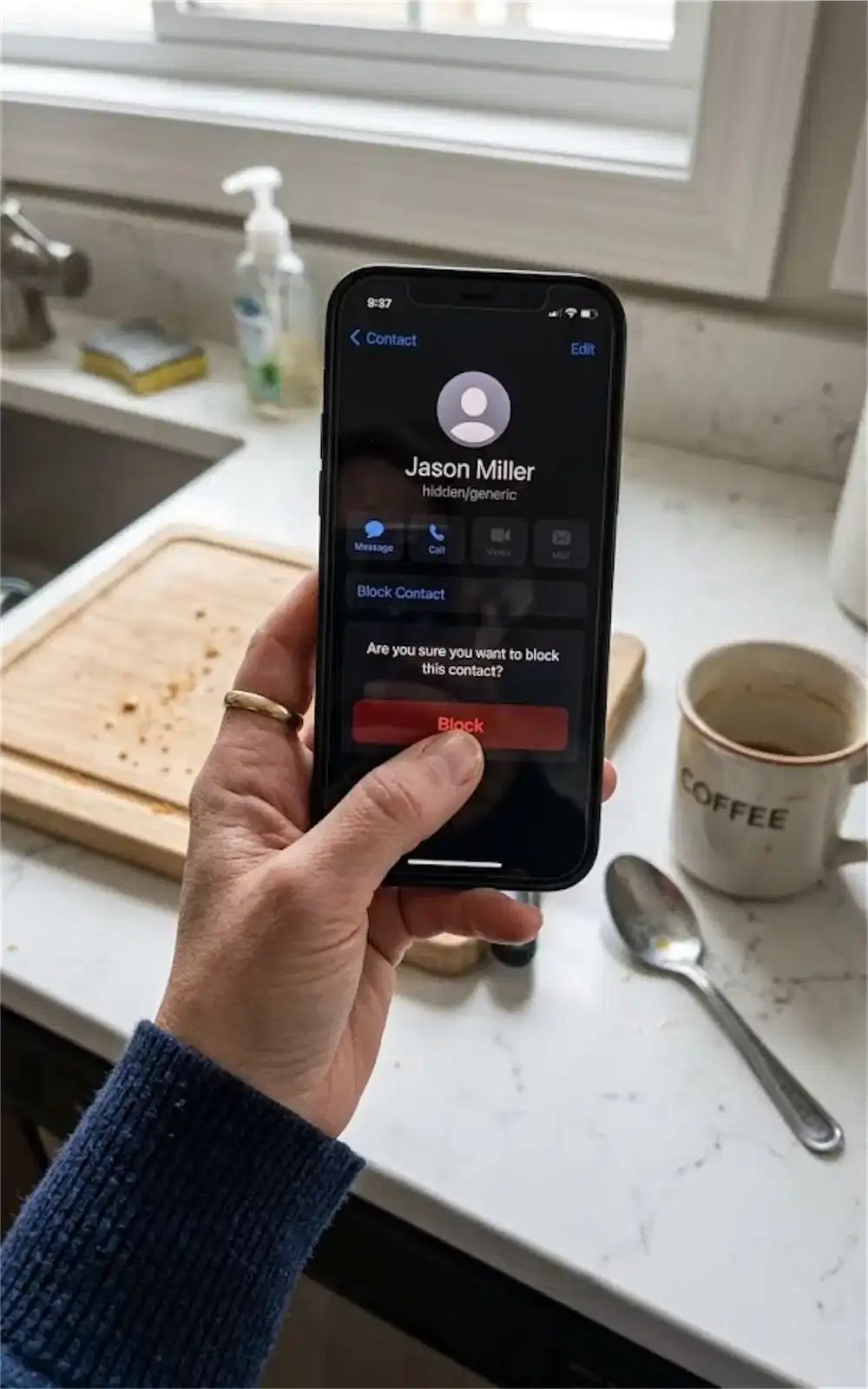
To truly stop the tracking, you must commit to a strict boundary of no contact. This means blocking their phone number, email addresses, and all social media accounts. If you find yourself tempted to peer back into their world, reading a practical radical no contact guide can help you stay disciplined through the hardest days.
Every time you check up on them, or allow them to reach you, it feeds the trauma bond. Breaking this addiction is incredibly hard, but it is necessary for your recovery. By closing all communication channels, you deny them the narcissistic supply they crave from watching you struggle.
Neutralize Information Pipelines
You also need to manage the flow of information through mutual friends. Clearly communicate to your close circle that you do not want to hear updates about your ex, nor do you want your details shared with them. If certain people refuse to respect this boundary, you may need to temporarily distance yourself from them.
It is helpful to practice strategies on how to stop checking ex social media accounts to keep your own curiosity in check. Minimizing the data available to them forces them to eventually look elsewhere. When there is absolutely no information leaving your circle, their tracking efforts will stall out from a lack of fuel.
Regaining your safety after a toxic relationship is a gradual process that requires firm, unbreakable boundaries. Recognizing that your ex might be tracking you is not a sign of paranoia; it is a healthy response to a highly manipulative individual. By securing your digital accounts and cutting off information pipelines, you protect your peace and allow your original, cheerful self to return.
For structured support in protecting your digital and physical space, consider utilizing The Hoovering Protection Plan to build a life free from constant surveillance.

Meet Your Guide
Helen Brooks
After surviving a 12-year NPD/BPD relationship, I dedicated over a decade to studying trauma bonding and nervous system recovery. My mission is to help you break free from the fog and reclaim your authentic self.
Ready to break the trauma bond and reclaim your life?