How BPD Hoovering Differs from NPD Hoovering: Recognizing the Emotional Pleas
When BPD hoovering differs from NPD hoovering, it often catches survivors off guard because the emotional bait feels completely different. If you have spent years navigating the confusing waves of toxic relationships, you know how hard it is to maintain your sanity when an ex suddenly reappears in your inbox. Recognizing these hoovering tactics is the first step to protecting your mental health and stopping the painful cycle of emotional abuse. Having survived a 12-year relationship with a partner who displayed traits of both Borderline Personality Disorder (BPD) and Narcissistic Personality Disorder (NPD), I know exactly how exhausting these patterns are. Understanding how to protect yourself is vital, and reading a dedicated resource like The Hoovering Protection Plan can help you rebuild your defenses.
After my breakup, I was devastated, isolated from friends, and felt my life was empty. Through professional therapy and learning about codependency, I slowly returned to my cheerful, optimistic original self. If you are stuck in the fog, healing is possible. By learning to distinguish between the frantic emotional pleas of BPD and the strategic tactics of NPD, you can stop reacting in panic and start responding with grounded self-care.
What Is the Main Difference Between BPD and NPD Hoovering?
The primary difference between BPD hoovering and NPD hoovering is the underlying motivation: BPD hoovering is driven by an intense, frantic fear of abandonment and a desperate need for emotional connection, whereas NPD hoovering is a calculated attempt to reclaim power, control, and validation from a source of narcissistic supply.

When you are making sense of the chaos, it helps to look at the emotional temperature. BPD hoovering is incredibly loud, emotional, and raw. NPD hoovering, by contrast, is quiet, strategic, and often highly transactional. One seeks to pull you back because they cannot tolerate the pain of being alone, while the other seeks to pull you back because they cannot tolerate losing control over you.
Decoding the Desperate Pleas of BPD Hoovering
What does borderline hoovering look like in reality? During my twelve years in the toxic cycle, the BPD hoovering phases were characterized by extreme emotional swings and intense declarations of love. They usually followed a phase of BPD splitting, where my partner would paint me as entirely evil, only to suddenly pivot into intense terror of being left behind. When the fear of abandonment kicked in, the texts would flood my phone at three in the morning.
These messages are designed to pull on your empathy. They might use threats of self-harm or sudden medical crises to force you back into the caretaker role. It feels incredibly heavy because they are genuinely feeling that panic in the moment. However, it is still a form of emotional manipulation. If you are currently trying to heal from this chaotic push-pull dynamic, exploring a comprehensive bpd breakup recovery guide can offer deep clarity on why they split and hoover.
Recognizing the Calculated Control in NPD Hoovering
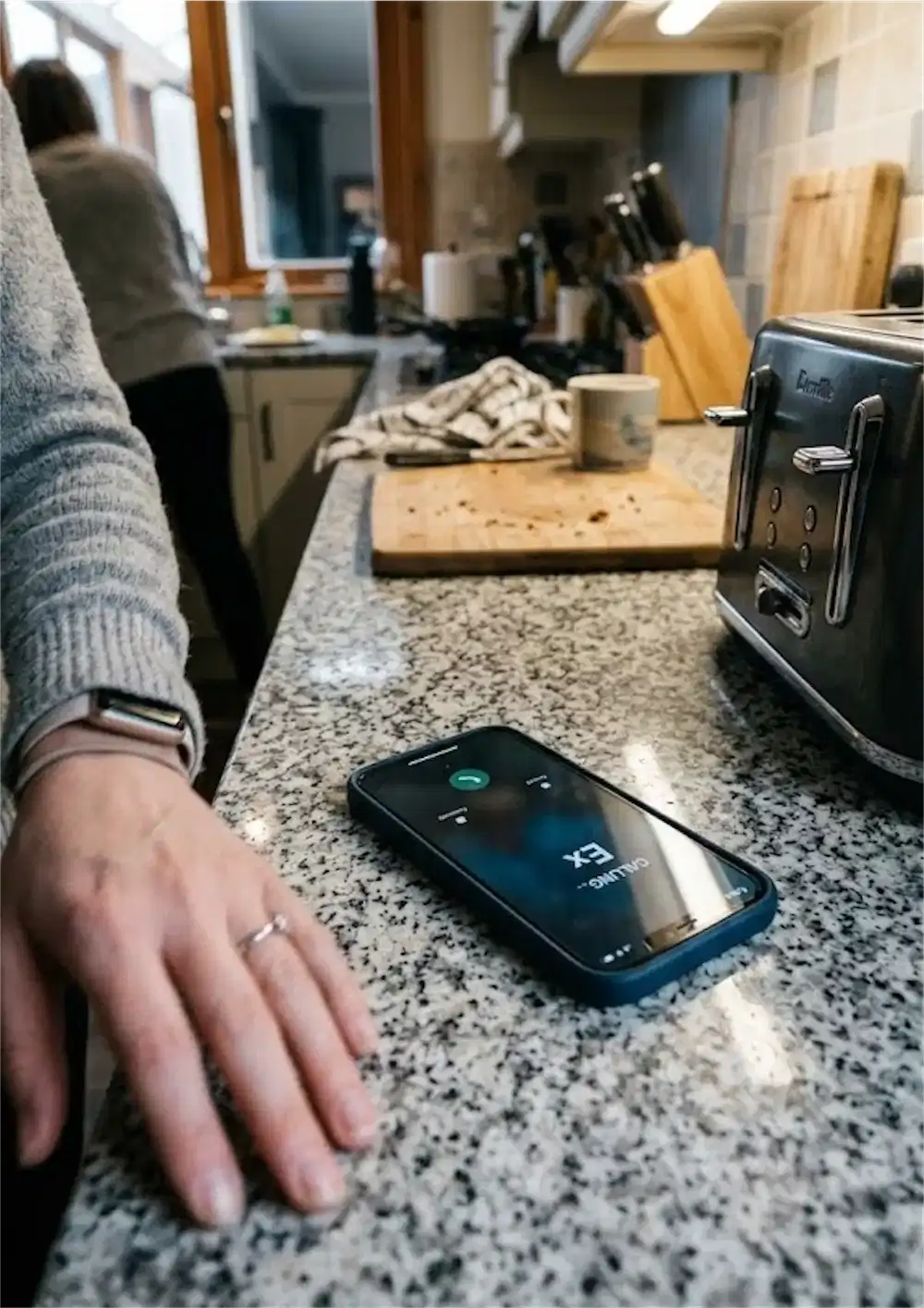
In contrast to the panic of borderline tactics, narcissistic hoovering is far more strategic and emotionally vacant. When a narcissist hoovers, they are not mourning the loss of your unique soul; they are looking for narcissistic supply. Their approach is often cool, casual, or disguised as a low-effort check-in to see if you will still answer.
They might send a text asking if you left a specific item at their house, or send a random link with no context. How does it feel? It feels manipulative, like they are fishing for a reaction. There is rarely a genuine apology or a recognition of the pain they caused. Instead, they might act as if nothing happened, bypassing accountability altogether. Learning how to handle narcissist hoovering tactics is essential so you do not fall back into their trap.
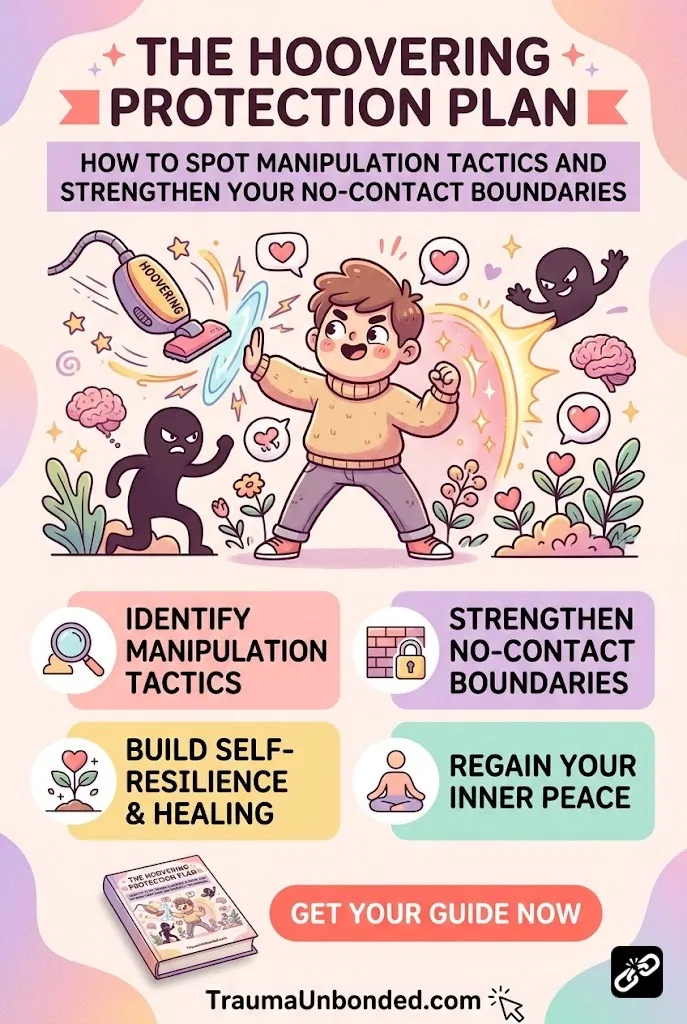
To truly protect yourself from these invasive tactics, you need a step-by-step strategy to block the noise and heal your mind. I recommend utilizing a practical blueprint specifically designed to neutralize these hoovering attempts so you can stay strong in your no-contact journey.
Key Contrasts in Borderline and Narcissistic Hoovering
To help you scan these behaviors quickly, let us break down the exact contrasts in how these two personality styles attempt to pull you back. Knowing these signs will save you years of confusion and self-doubt.
- The Emotional Temperature: BPD hoovering is hot, frantic, and emotionally overflowing. NPD hoovering is cold, business-like, and highly calculated.
- The Perceived Victimhood: A borderline partner hoovers by painting themselves as the helpless victim who needs you to save them. A narcissist hoovers by rewriting history or pretending the breakup never happened.
- The Reaction to Rejection: If you ignore a BPD hoover, the panic may escalate into intense anger or self-pity. If you ignore an NPD hoover, it triggers a narcissistic injury, leading to a quiet discard or a vicious smear campaign.
The Neurobiology of the Pull: Trauma Bonding
Why are these hoovering attempts so difficult to ignore? The answer lies in how our brains adapt to chronic toxicity. When you spend years walking on eggshells, your nervous system becomes habituated to a cycle of intense pain followed by sudden relief.
As explained in Psychology Today, abusers use these cycles to manipulate your emotional vulnerability, keeping you trapped via trauma-bonding. This chronic physical hook creates a powerful trauma bond biochemical addiction that makes a simple text message feel like a hit of a drug. Your brain craves the relief of the ‘fix,’ even when you know the person offering it is unsafe.
How to Protect Your Sanity and Maintain No Contact
How do you break free when the emotional pleas start arriving? During my recovery, I had to learn that replying to even one ‘innocent’ text restarted my entire healing clock. Here is a practical checklist to help you stay grounded when you are being pulled:
- Implement Radical No Contact: This means blocking their phone number, email addresses, and all social media profiles. Do not leave a single window open.
- Recognize the Bait: If the message evokes deep pity, it is BPD hoovering. If it triggers guilt or curiosity, it is NPD hoovering. Do not bite.
- Do Not Seek Closure: You will never get a satisfying apology. True closure is something you grant to yourself by walking away.
For a detailed step-by-step roadmap on how to execute this process without slipping, consult a radical no contact guide. Staying strong in the early days is the hardest part, but it gets easier as your nervous system begins to calm down.
Choosing Your Peace Over Their Pattern
Healing from a decade of mixed BPD and NPD abuse was the hardest thing I have ever done. I lost my hobbies, my friends, and my sense of self. But by learning to see these hoovering tactics for what they truly are, I slowly reclaimed my cheerful, optimistic original self. You are not responsible for fixing their pain or managing their fear of abandonment. Your only job right now is to heal your own nervous system and build a life of quiet stability. If you are ready to stop the emotional whiplash and protect your boundaries once and for all, consider picking up The Hoovering Protection Plan to help you secure your peace today.

Meet Your Guide
Helen Brooks
After surviving a 12-year NPD/BPD relationship, I dedicated over a decade to studying trauma bonding and nervous system recovery. My mission is to help you break free from the fog and reclaim your authentic self.
Ready to break the trauma bond and reclaim your life?