Epistemic Injustice: Why Gaslighting Makes You Doubt Your Own Sanity and Senses
Epistemic injustice is the quiet, devastating phenomenon that explains why gaslighting makes you doubt your own sanity and senses. When you are trapped in a toxic relationship, you are not merely dealing with simple arguments; you are facing a systematic dismantling of your ability to perceive what is real. If you have ever asked yourself how to trust your reality after emotional abuse, you are dealing with the psychological fallout of being stripped of your status as a reliable witness to your own life.
During my own 12-year toxic relationship with a partner who had severe narcissistic and borderline traits, I spent a decade convinced that my memory was fundamentally broken. I was constantly told that conversations never happened, that my feelings were completely fabricated, and that I was simply crazy. To rebuild your life, you need to recognize that this confusion was not an accident; it was a targeted strategy that you can learn to dismantle using a step-by-step roadmap like The Healing from Gaslighting Guide.
How does someone get to the point where they believe their own eyes and ears are lying to them? To heal, we have to look closely at how emotional abuse rewires your relationship with truth itself.
What Is Epistemic Injustice and How Does Gaslighting Cause It?
Epistemic injustice is the systematic discrediting of a person’s ability to know, perceive, and share their own truth, a phenomenon central to gaslighting which forces you to doubt your own sanity and senses.
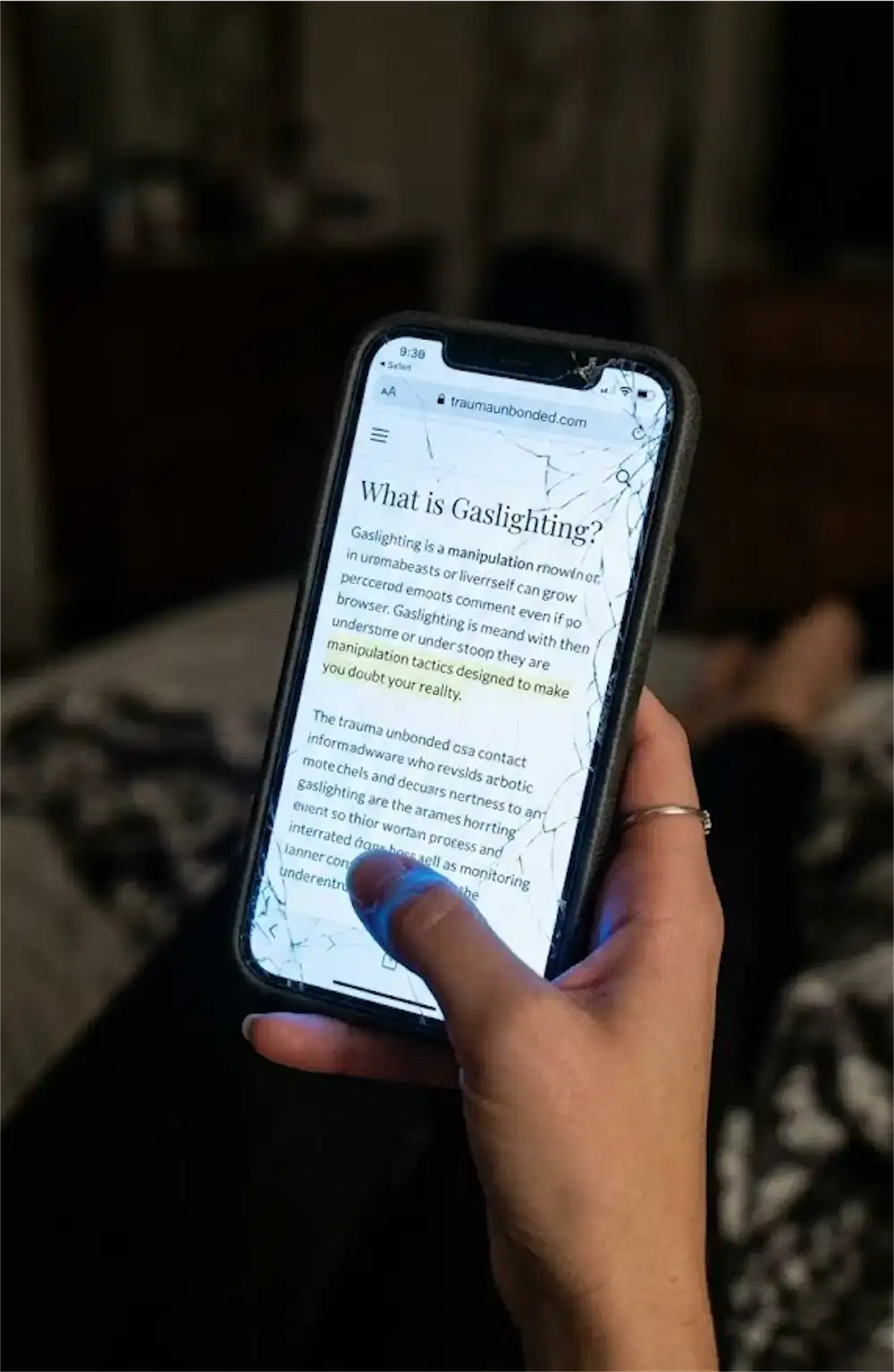
The concept of epistemic injustice comes from philosophy, but it is highly practical when describing emotional trauma. In a healthy dynamic, when you say “you hurt my feelings” or “you said this yesterday,” your partner accepts your statement as a valid perspective. In an abusive relationship, however, your partner rejects your capacity to know anything at all.
They use tactics like outright denial, revisionist history, and projecting their own behavior onto you. Over time, you begin to experience a deep, exhausting cognitive dissonance as your lived reality conflicts with their constant denials. You are forced to choose between believing your own senses and keeping the peace with the person you love.
The Slow Erosion of Your Senses in a Toxic Relationship
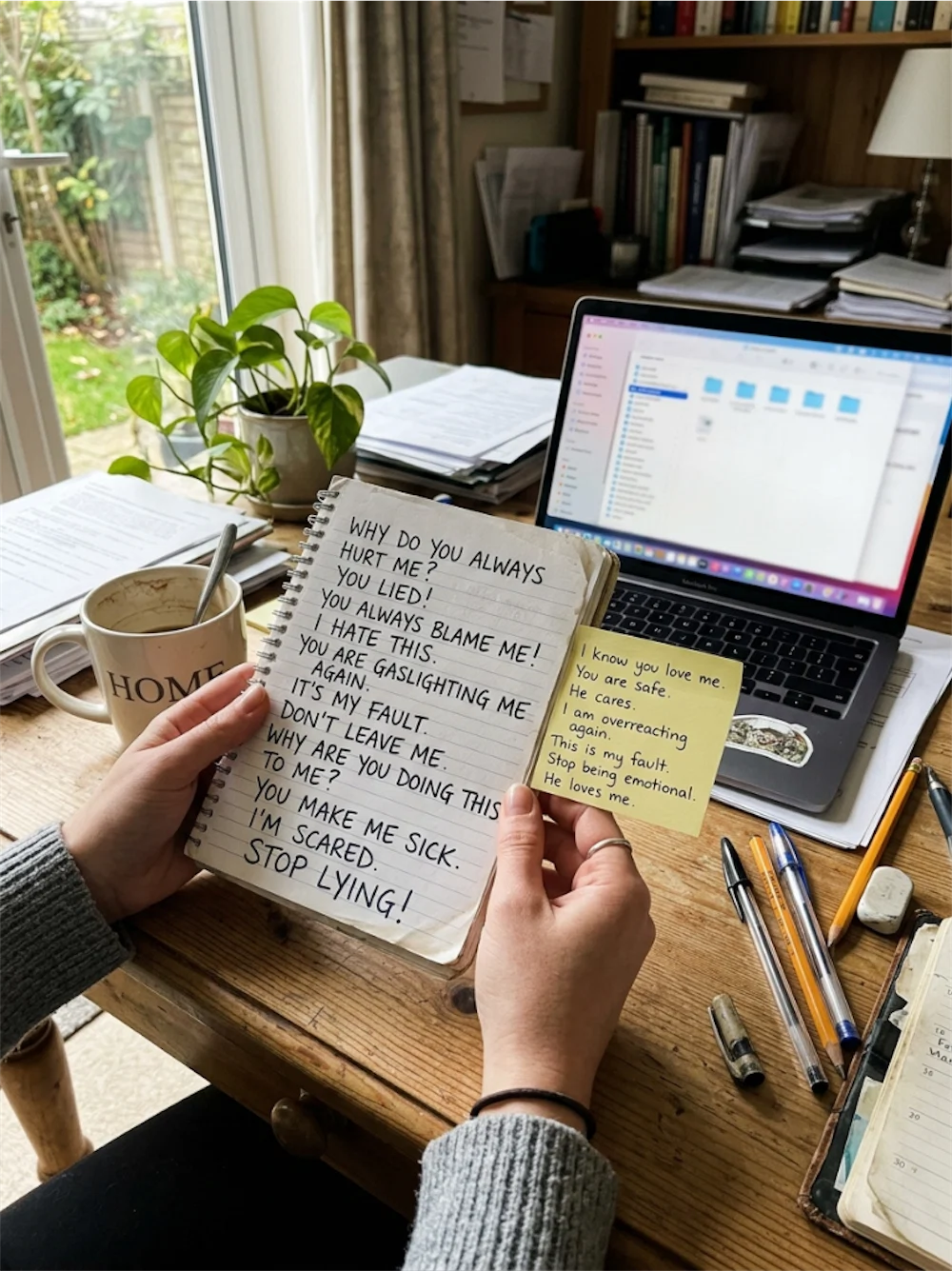
When I finally escaped my 12-year relationship, I was a shell of myself, isolated from everyone I cared about and lacking any personal interests. I had spent years walking on eggshells, constantly checking my phone to see if I had misread messages, and keeping secret notes just to prove to myself that I was not losing my mind. This extreme self-doubt after abuse is a natural reaction to having your reality denied daily.
Abusers with narcissistic or borderline traits often exploit your empathy to make you feel like the unstable one. According to research on psychiatric power imbalances and patient credibility published on PubMed Central, prolonged emotional manipulation fundamentally alters a victim’s cognitive processing and self-trust. The abuser acts as the sole authority on what is real, leaving you entirely dependent on their version of events.
Have you found yourself apologizing for things you did not do, just to end a circular argument? That is the exact moment epistemic injustice succeeds, as it forces you to trade your truth for temporary safety.
How Toxic Partners Discredit Your Voice
A toxic partner will use specific phrases to make you feel completely incompetent. They might say, “You are too sensitive,” “That never happened,” or “Your memory has always been terrible.” These phrases are not random; they are designed to make you stop questioning their behavior altogether.
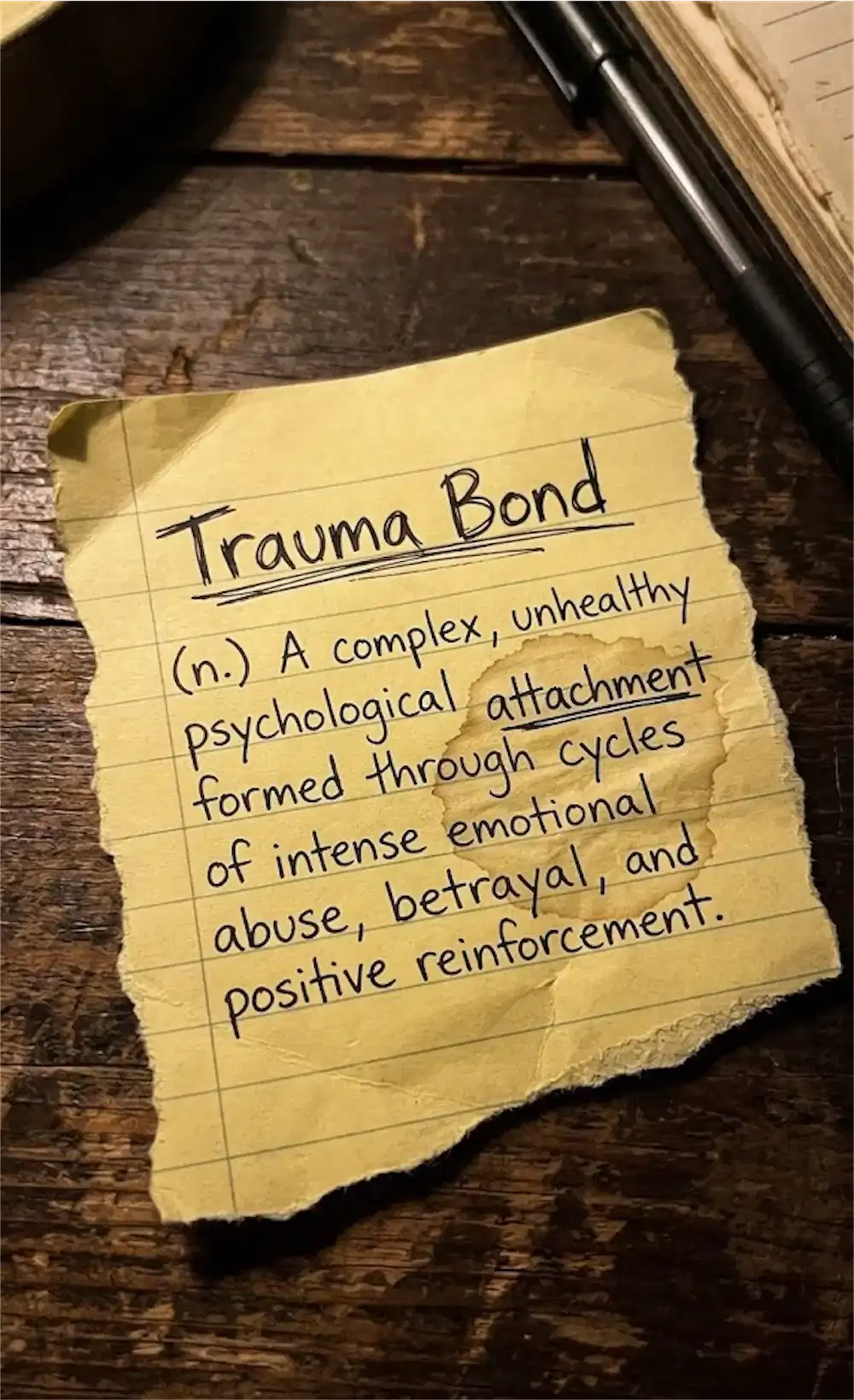
In my experience, this constant wear-and-tear leads to severe mental fatigue and isolation. You stop sharing your experiences with friends because you are too exhausted to explain the complicated web of lies. You suffer in silence, believing that you are the problem, which keeps you securely locked inside the trauma bond.
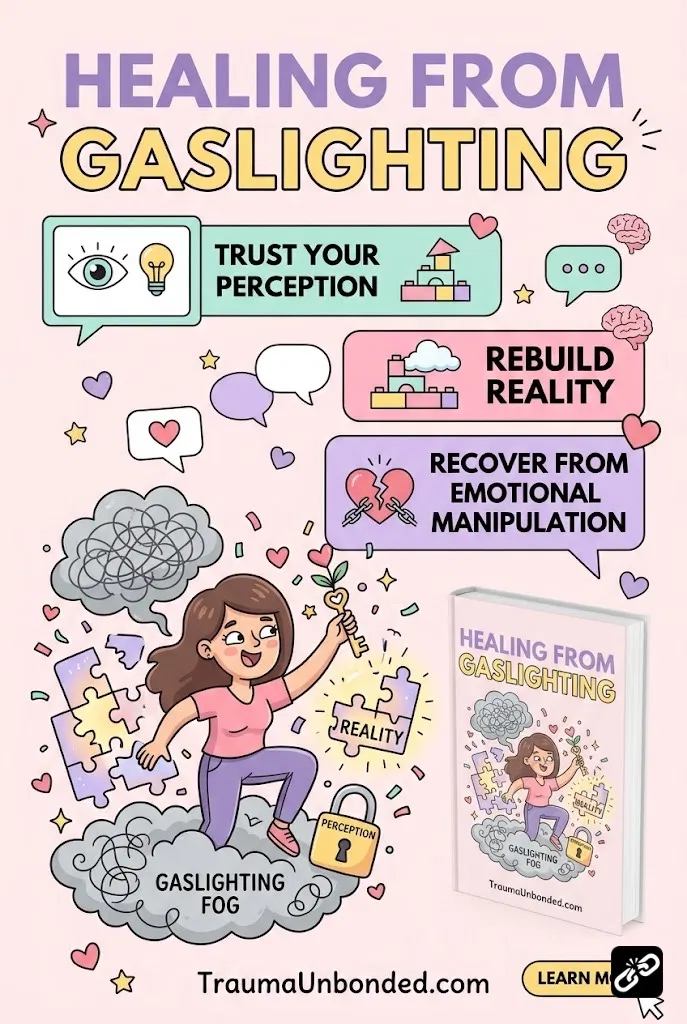
To break this paralyzing cycle, you need to actively rebuild your internal grounding. If you are struggling to separate reality from the lies and want a step-by-step roadmap to reclaim your clarity, I highly recommend using a specialized recovery tool. This structured workbook provides practical exercises to help you stop second-guessing your memory, quiet the constant mental noise, and firmly rebuild your self-trust after years of systematic manipulation.
Reclaiming Your Reality and Rebuilding Your Truth

Recovering from epistemic injustice requires a deliberate shift in how you process your daily experiences. You cannot argue a toxic person into agreeing with your reality, so you must stop trying to convince them. Instead, focus entirely on validating your own perspective without needing their permission to do so.
Here are several practical strategies to help you rebuild your self-trust:
- Keep an external record: Write down key events, dates, and conversations in a private journal immediately after they happen to stop the mental revisionism.
- Limit contact with the abuser: Restricting communication prevents them from constant attempts to destabilize your mind.
- Practice somatic grounding: Reconnect with your physical body through deep breathing or stretching to pull yourself out of the panic-induced freeze state.
- Seek outside validation: Talk to a trusted therapist or close friends who can provide a neutral, healthy perspective on your experiences.
- Stop explaining yourself: Recognize that “no” is a complete sentence and that you do not owe anyone an elaborate defense of your feelings.
- Learn to heal from gaslighting: Actively study the mechanics of manipulation so you can recognize them in real-time.
Through professional therapy and hard work, I slowly began to untangle the web of lies. I realized that my memory was not the problem; the problem was the toxic environment that required me to doubt myself to survive. Today, I have returned to my cheerful, optimistic, and grounded self, but that only happened once I stopped seeking closure from the person who broke me.
Your healing journey begins with a single, quiet realization: your senses are correct, your feelings are real, and you do not need an abuser’s permission to believe your own eyes. If you are ready to take your life back and rebuild your confidence, consider exploring the step-by-step strategies in The Healing from Gaslighting Guide to restore your mental clarity and finally trust your own mind again.

Meet Your Guide
Helen Brooks
After surviving a 12-year NPD/BPD relationship, I dedicated over a decade to studying trauma bonding and nervous system recovery. My mission is to help you break free from the fog and reclaim your authentic self.
Ready to break the trauma bond and reclaim your life?