Emotional Hangover: Why You Feel Physically Sick After an Argument with a Narcissist
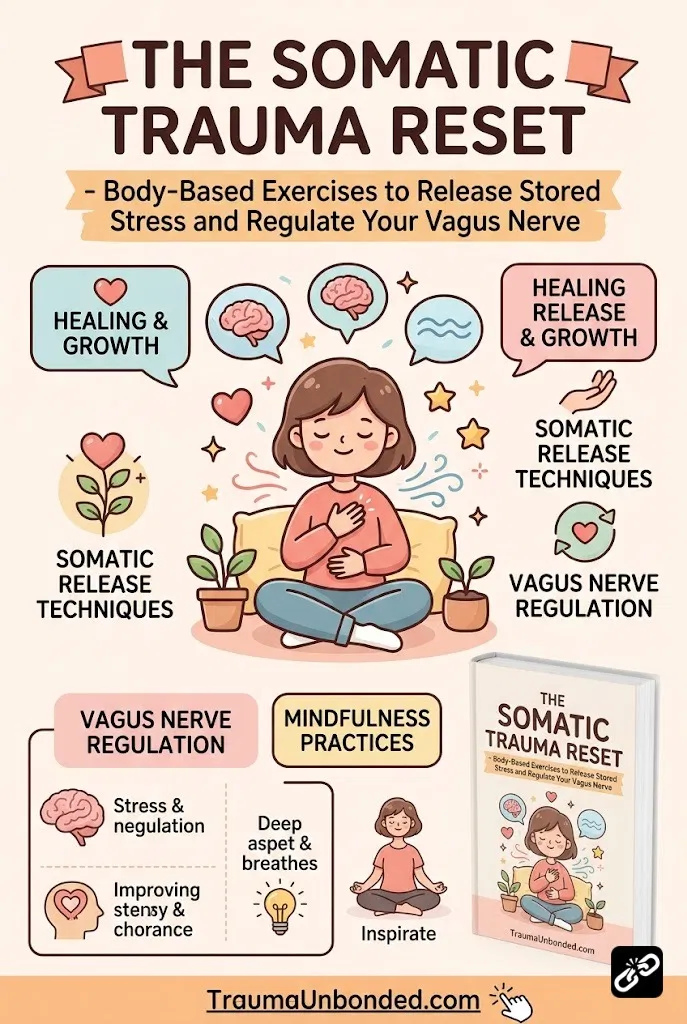
An emotional hangover is that crushing, bone-deep exhaustion you feel after trying to defend your sanity during a circular argument with a toxic partner. If you frequently find yourself feeling physically sick after an argument with a narcissist, your body is not failing you; it is reacting to a massive, biochemical overload. During my twelve years in a highly chaotic relationship, I woke up almost daily feeling as though I had been run over by a truck, even when no alcohol was involved. It took me years to realize my body was stuck in survival mode, and learning how to release that tension was the first step toward my recovery, using resources like The Somatic Trauma Reset to calm my shattered nervous system.
Have you ever noticed how your muscles lock up the second their tone of voice shifts? That immediate physical tightening is not an overreaction. It is your nervous system anticipating the psychological battle ahead, preparing your body to fight, flee, or freeze.
When you are constantly forced to defend your basic reality against someone who refuses to cooperate, your body bears the brunt of that emotional warfare. Let us examine exactly why this conflict leaves you feeling physically poisoned, and how you can begin to heal your nervous system.
Why Do You Feel Physically Sick After an Argument with a Narcissist?
You feel physically sick after an argument with a narcissist because the intense psychological stress triggers a massive release of cortisol and adrenaline, forcing your body into a prolonged fight-or-flight response that leads to nausea, muscle tension, and extreme fatigue.

Unlike normal disagreements where both parties seek resolution, an argument with a highly manipulative partner has no finish line. They shift the goalposts, use projection, and twist your words to ensure you never reach a peaceful conclusion. This lack of closure keeps your brain in a state of high alarm, preventing your body from returning to a resting state.
This endless cycle is a core component of a trauma bond biochemical addiction, where your body becomes dependent on the unpredictable highs and lows of conflict. When the argument ends, your system crashes, leaving you with a profound physical and mental depletion.
The Biology of the Toxic Argument: Cortisol and Adrenaline
When you are subjected to emotional manipulation, your brain perceives this threat as a physical danger. Your amygdala sends an immediate distress signal to your hypothalamus, initiating a flood of stress hormones. Harvard Health Publishing explains how the chronic activation of this stress response can leave a lasting physical impact on your organs and tissues.
During my decade-long relationship, I lived with a constant tightness in my chest that never seemed to go away. I did not realize that my adrenal glands were working overtime, pumping out chemicals designed to help me survive a predator. When the fight finally stops, the sudden drop in these hormone levels is what causes the classic symptoms of an emotional hangover.
This hormonal crash can disrupt your digestion, cause your blood pressure to fluctuate, and leave you feeling completely hollowed out. Your body has spent all its energy reserves on a battle that had no physical exit. This chronic strain is what causes the deep toxic relationship health symptoms that manifest after years of walking on eggshells.
If you are tired of waking up with a sore jaw, a racing heart, and a body that feels completely poisoned by stress, you need a structured way to release this trapped survival energy. Our body-based recovery toolkit is specifically designed to help you discharge this trauma from your nervous system and restore your physical peace.
The Fight or Flight Hangover: Physical Symptoms of Emotional Exhaustion

The physical symptoms of this emotional depletion can mimic a severe flu or an actual alcohol hangover. When your body is forced to process these massive biochemical shifts, it manifests through clear physical signs that you should not ignore.
If you are living in an environment of chronic stress, you might experience these common physical warning signs:
- Chronic Fatigue: Feeling completely drained, even after sleeping for eight or nine hours, because your body did not enter deep, restorative sleep.
- Tension Headaches and Jaw Pain: Unconsciously clenching your teeth during the argument, leading to TMJ pain and migraines the following morning.
- Nausea and Digestive Distress: Your nervous system diverting blood flow away from your digestive organs to prepare your muscles for battle, causing stomach cramps and nausea.
- Brain Fog: Difficulty concentrating or recalling simple words, a direct result of stress hormones temporarily impairing your prefrontal cortex.
Shifting from Panic to Peace: How to Relieve an Emotional Hangover
When you are in the thick of a physical crash, talking yourself out of it rarely works. Your nervous system is speaking in the language of sensation, not logic, so you must use body-based strategies to signal safety to your brain. Utilizing targeted vagus nerve anxiety exercises is one of the fastest ways to interrupt this feedback loop of panic.
To help your body process the lingering stress hormones, try these immediate recovery practices:
- The Cold Temperature Shock: Splash ice-cold water on your face or hold an ice pack to your chest to activate the mammalian reflex, which instantly lowers your heart rate.
- Somatic Shaking: Stand up and gently shake your hands, arms, and legs for two minutes to discharge the trapped survival energy that your muscles stored during the argument.
- Elongated Exhalations: Breathe in for a count of four, and exhale slowly for a count of eight, signaling your parasympathetic nervous system that the threat has passed.
Recovering your physical health after a toxic relationship is a gradual process of teaching your body that it is finally safe. During my long healing path, I had to stop analyzing the arguments in my head and focus entirely on calming my physical shell. By treating your physical sickness with gentle somatic care, you can step out of the chronic survival cycle and gradually return to your original, cheerful, and grounded self. To fast-track your nervous system recovery, consider working through The Somatic Trauma Reset to safely release the physical memory of chronic conflict.

Meet Your Guide
Helen Brooks
After surviving a 12-year NPD/BPD relationship, I dedicated over a decade to studying trauma bonding and nervous system recovery. My mission is to help you break free from the fog and reclaim your authentic self.
Ready to break the trauma bond and reclaim your life?