The Fear of Being Seen: Overcoming Social Anxiety After Years of Narcissistic Control
Social anxiety after narcissistic abuse is a heavy, quiet burden that many survivors carry long after the toxic relationship ends. If you struggle with a paralyzing fear of being seen or find yourself constantly hiding from the world, please know that this is a completely normal reaction to years of emotional terror.
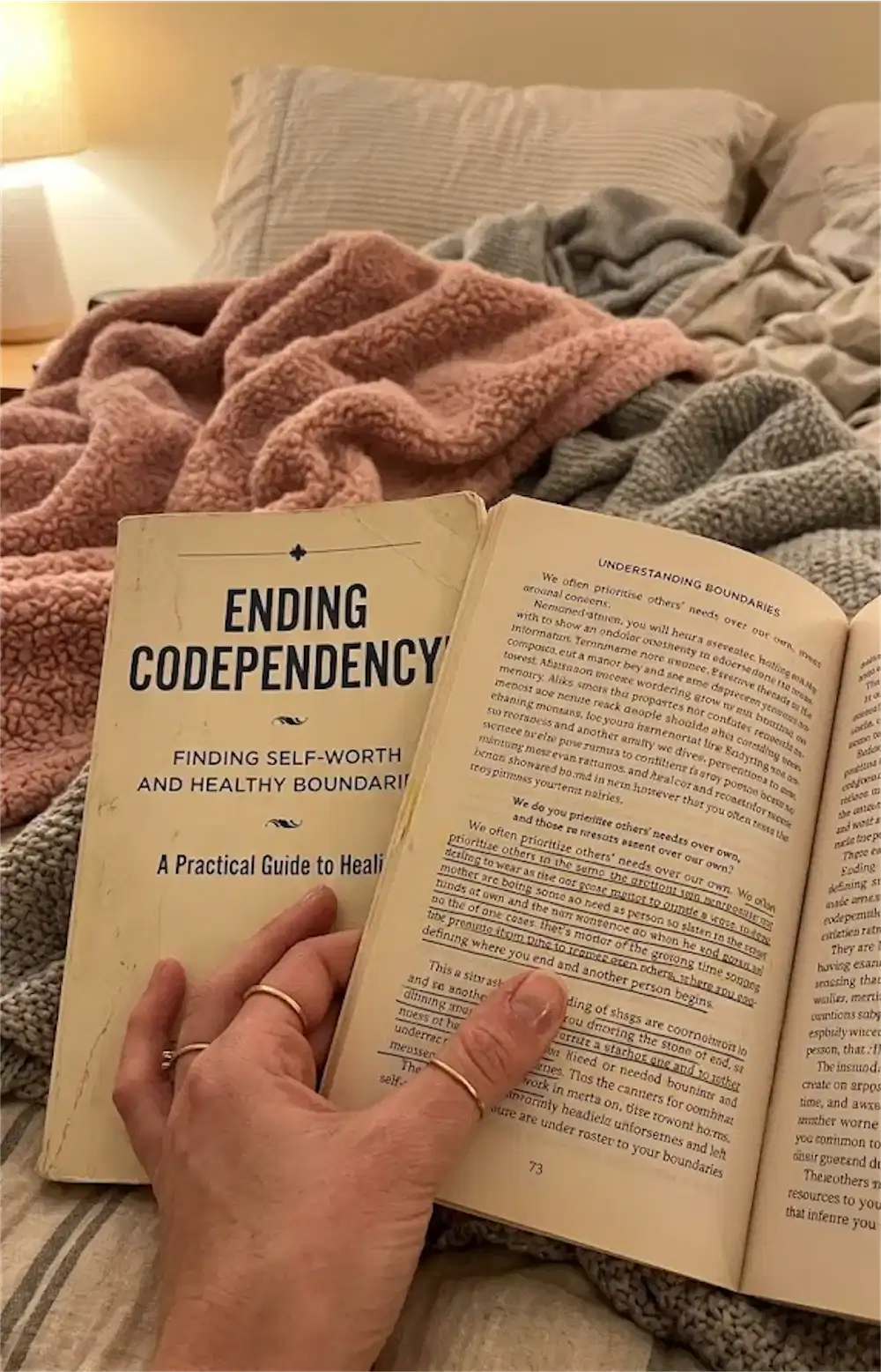
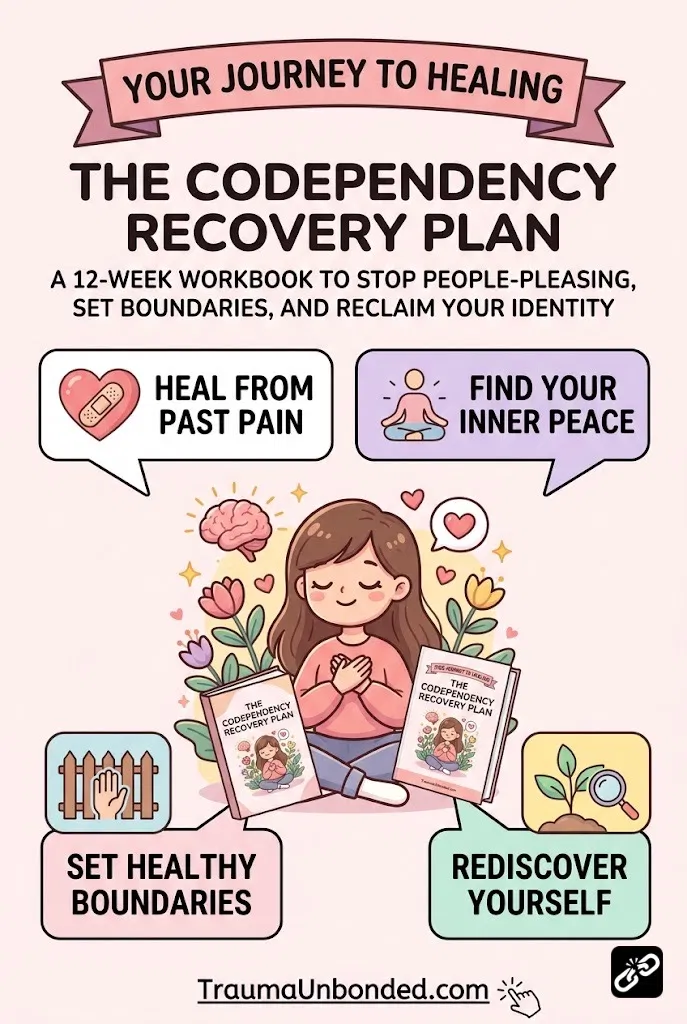
During my twelve long years walking on eggshells with a partner who showed both narcissistic and borderline traits, I learned to shrink myself just to stay safe. To help guide you through this process, you can use a structured resource like The Codependency Recovery Plan to rebuild your identity step by step and regain your inner confidence.
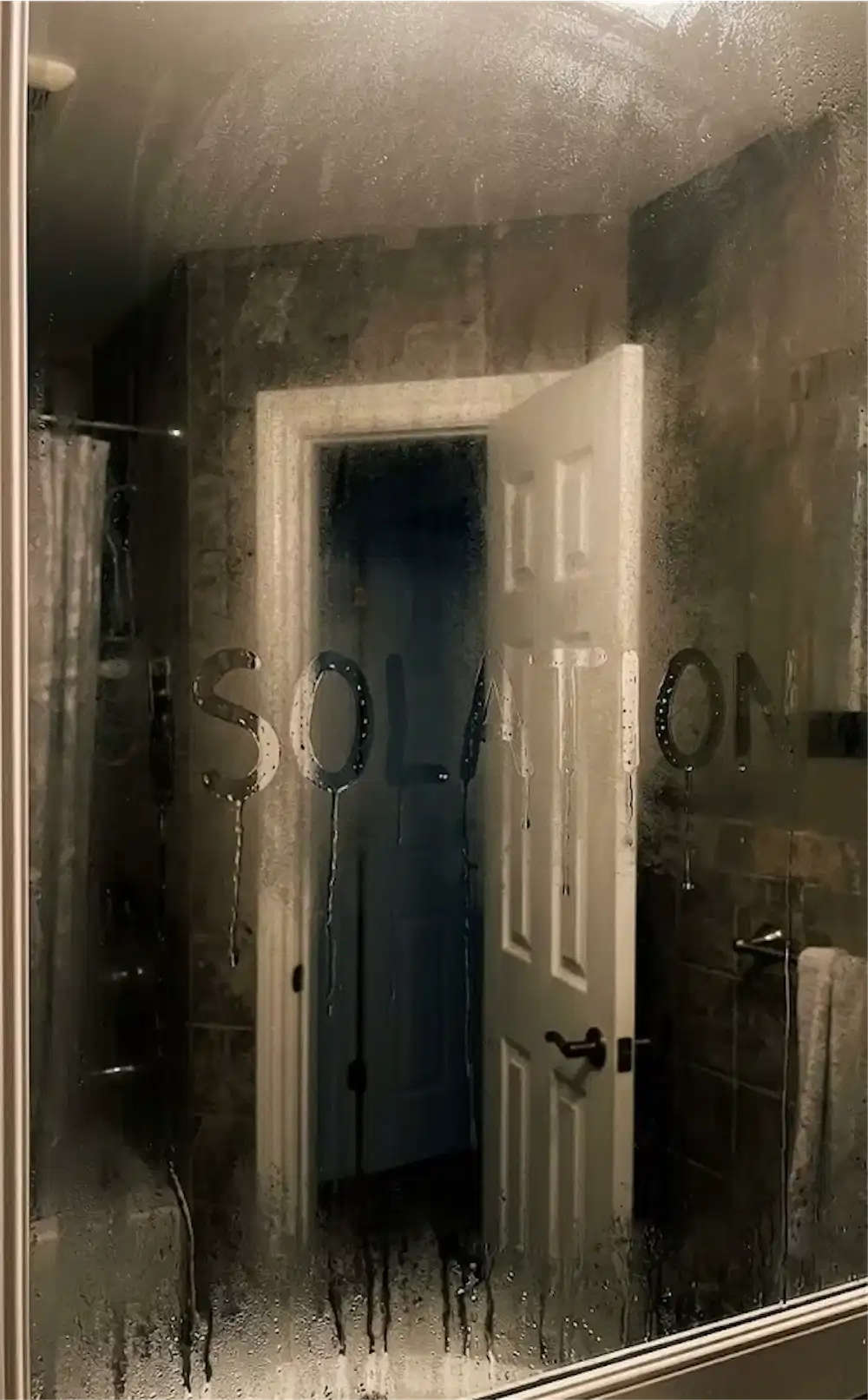
When my relationship finally collapsed, I was completely devastated. I had no hobbies left, I was entirely isolated from my old friends, and my daily existence felt incredibly miserable. I was terrified of simple social interactions because my ex had spent a decade telling me that everything I said was foolish, dramatic, or wrong.
This constant criticism shapes how your nervous system perceives other people, transforming safe social environments into perceived battlefields. Through deep professional therapy, I finally began to understand my codependency and the trauma bonds that kept me locked in that prison. Slowly, I found my way back to my original self, a person who is cheerful, optimistic, and grounded.
Why Does Narcissistic Control Cause a Paralyzing Fear of Being Seen?
The fear of being seen after narcissistic control stems from a nervous system that has been trained to associate visibility with emotional danger, criticism, and attack. When a toxic partner spends years punishing your authenticity, your brain adapts by viewing social exposure as an active threat to your survival.
In a toxic relationship, visibility is dangerous. If you shine too brightly, your partner becomes jealous or competitive. If you show vulnerability, they use it as ammunition later. When you spend years under this kind of surveillance, your brain builds a survival strategy centered around staying invisible.
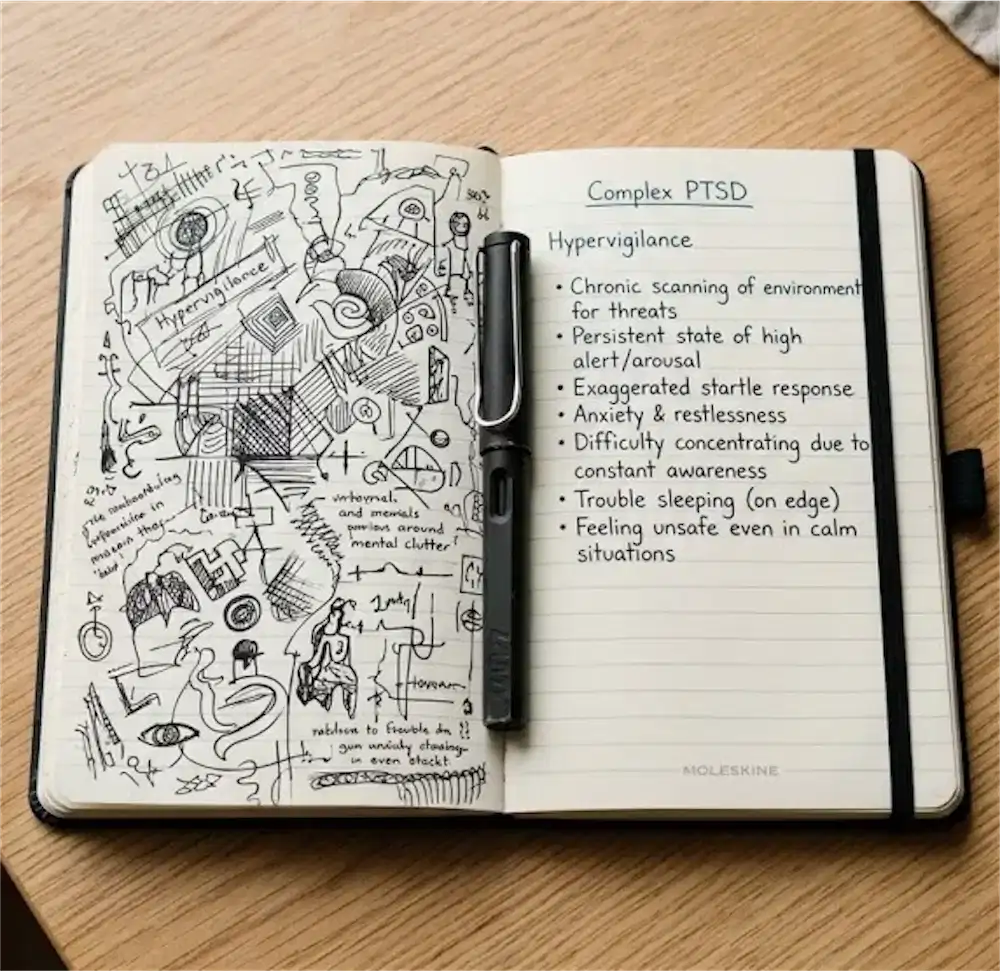
During those twelve years, I was constantly told that my presence was too loud, too emotional, or too embarrassing. My ex-partner would suddenly shift from loving me to seeing me as the enemy over the tiniest misunderstandings. To survive that constant emotional whiplash, I developed a quiet hypervigilance. I monitored my tone of voice, my body language, and my expressions, always trying to anticipate their next reaction.
This hypervigilance does not just disappear when the relationship ends. It follows you into your workplace, your friendships, and your daily life, morphing into a severe form of social anxiety. After years of having your reality systematically denied, experiencing self-doubt after abuse recovery is a natural side effect that keeps you feeling small and hyper-vigilant.
When you are controlled by someone else, you lose your sense of agency. You stop trusting your own voice. You start to believe that if you show your true self, you will be rejected or punished. This isn’t just an emotional wound, it is a physical rewiring of your nervous system that keeps you in a constant state of fight, flight, or freeze.
Recognizing the Signs of Post-Abuse Social Anxiety
How do you know if your social anxiety is a direct result of past relationship trauma? It is often different from general shyness because it is rooted in deep hypervigilance. You are not just nervous around people, you are actively scanning them for signs of threat, disapproval, or sudden mood shifts.
Here are some of the most common signs of social anxiety after narcissistic abuse that survivors notice:
- Mind-reading: You constantly try to guess what others are thinking about you, usually assuming they have a negative opinion or are plotting to humiliate you.
- The fawn response: You immediately agree with everyone around you, nod frantically, and apologize constantly just to keep the peace and avoid conflict.
- Physical tension: Your shoulders are perpetually raised toward your ears, your jaw is clenched, and your stomach is in knots whenever you are in public spaces.
- Severe post-event rumination: After a simple conversation, you spend hours or days analyzing everything you said, convinced that you made a fool of yourself.
- Deep isolation: You find yourself staying home, declining invitations, and avoiding old friends because the energy required to interact feels entirely overwhelming.
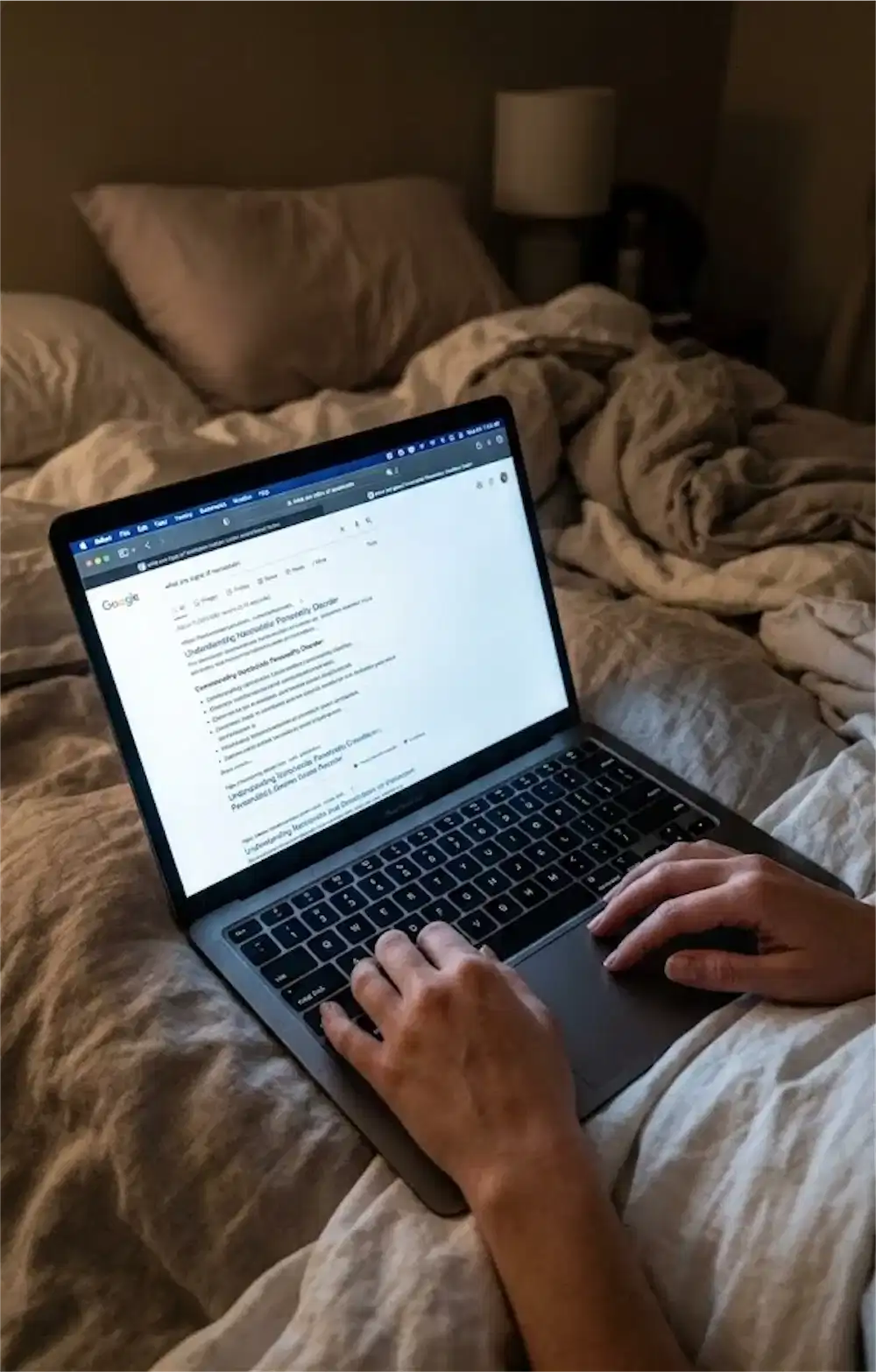
Do you recognize these habits in your daily life? I used to spend days agonizing over a simple five-minute conversation with a neighbor. I was convinced they could see through my cheerful mask and realize how broken I actually was. Learning how to navigate this isolation is a major part of navigating the loneliness of recovery.
If you want to break these patterns and systematically rebuild your life, a guided workbook can give you the exact steps you need. Reclaiming your identity requires a focused, daily approach that teaches your mind and body that it is safe to be visible again.
Reclaiming your life after abuse starts with a clear plan to heal your boundaries and rediscover who you are. This dedicated recovery tool is designed to walk you through that exact process:
Somatic and Mindful Tools for Overcoming Social Anxiety After Abuse
To overcome this fear of being seen, you must teach your body that the danger has passed. Talking about trauma in therapy is incredibly helpful, but your nervous system holds onto the survival responses long after your mind understands what happened. According to a study on early relationship trauma and mental health by Psychology Today, interpersonal abuse creates deep unconscious templates that train us to anticipate hostility from others, which directly fuels chronic social anxiety.
Here are some practical, trauma-informed strategies to help you gently ease back into the world:
- Use micro-steps: Do not force yourself to attend a crowded party right away. Start with small, low-stakes exposures. Sit in a quiet cafe for fifteen minutes, or walk through a park during quiet hours.
- Anchor yourself in your body: When you feel the familiar wave of panic rising in public, find physical things to touch. Feel the texture of your keys, the solid ground beneath your shoes, or the cool air on your face to bring your brain back to the safe present moment.
- Release the need to perform: In your toxic relationship, you had to perform to keep the peace. In the real world, you do not owe anyone a perfect performance. You are allowed to be quiet, reserved, or tired.
- Practice saying “no” to low-value interactions: Protect your limited social battery. Choose environments and people that feel neutral or safe before expanding your circle.
As you take these small steps, you will gradually learn how to rebuild your support system after isolation. In my own recovery, I had to accept that I could not jump straight back into being a social butterfly. I had to treat myself with the same gentleness you would show a frightened animal. I started by taking walks alone, then progressed to coffee with one trusted person, and slowly built up from there.
The voices of your abuser will try to echo in your head, warning you that people are judging you. When those thoughts arise, pause and take a slow, deep breath. Remind yourself that those critical voices do not belong to you, they are just the leftover echoes of a controlled environment that you have successfully escaped.
You survived the storm, and you deserve to occupy space in this world. By using resources like The Codependency Recovery Plan, you can slowly shed the protective armor of invisibility and step back into the light of your authentic self.

Meet Your Guide
Helen Brooks
After surviving a 12-year NPD/BPD relationship, I dedicated over a decade to studying trauma bonding and nervous system recovery. My mission is to help you break free from the fog and reclaim your authentic self.
Ready to break the trauma bond and reclaim your life?