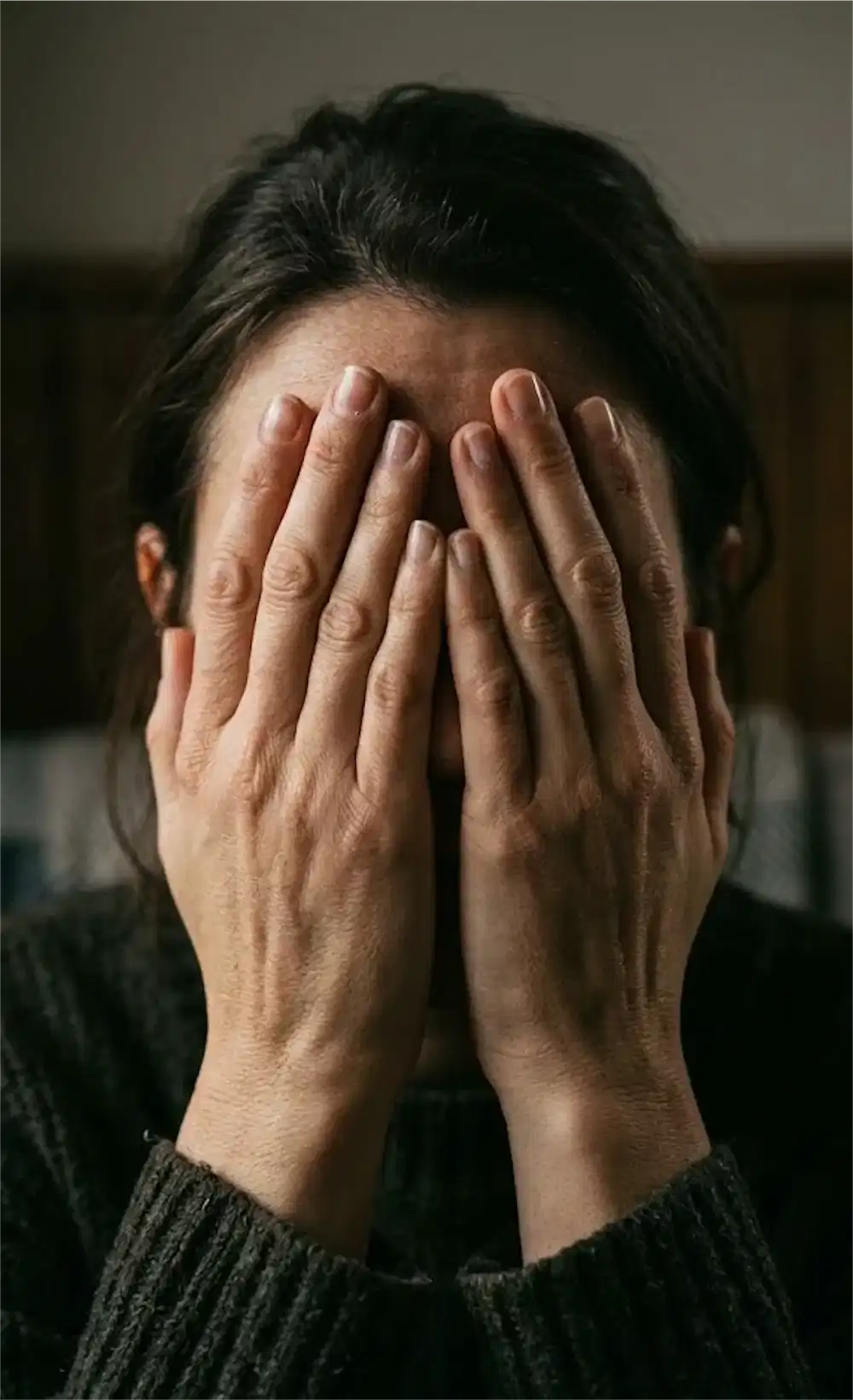
The First Christmas Alone After Estrangement: A Survival Guide for Solitary Holidays
Facing your first Christmas alone after estrangement can feel like standing in an empty room while the rest of the world celebrates in vivid color. When you are handling solitary holidays after cutting off toxic family or walking away from a toxic partner, the silence is often heavier than any argument you ever had. During my own 12-year toxic relationship with a partner who displayed both NPD and BPD traits, the holidays were an exhausting exercise in walking on eggshells, constantly trying to manage emotional volatile storms. When the final separation happened, my first solo December felt terrifyingly blank, but that blank space is exactly where real recovery begins. If you are struggling with the heavy silence of this transition, using resources like the Emotional Withdrawal Survival Guide can give you a clear map to steady your nervous system when the world feels overwhelmingly loud.
Many of us spend decades believing we must endure abuse just to keep the family portrait intact. We swallow our truth, tolerate cruel comments at dinner tables, and ignore the physical knots in our stomachs just to survive the season. When you finally choose your own peace, the immediate aftermath is not always a wave of relief. Often, it is a complicated mix of guilt, sadness, and deep confusion. How do we build a quiet holiday for ourselves without drowning in the shame of being the one who walked away?
Why the First Christmas Alone After Estrangement Feels So Heavy
The first Christmas alone after estrangement is uniquely painful because it triggers ambiguous loss, meaning you are mourning family members who are still alive but too toxic to have in your life. This silent grief lacks societal validation, making compassionate self-care your primary tool for emotional survival.
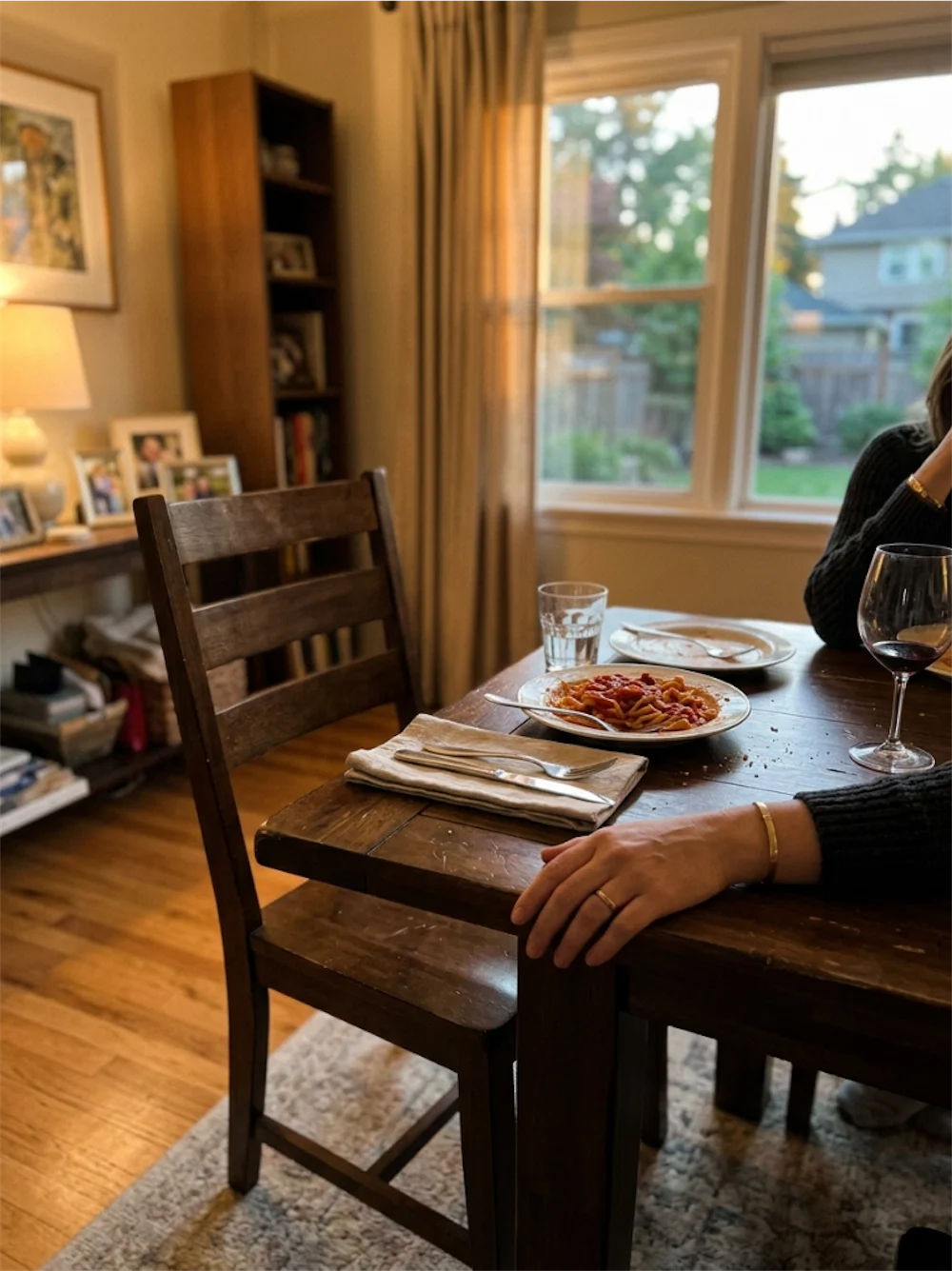
When someone passes away, society offers a clear script: funerals, sympathy cards, and collective mourning. When you walk away from a toxic system to save your sanity, there is no public script. You are left alone with your memories, questioning if you made the right choice, and wrestling with estranged holiday anxiety as December 25th approaches. During my twelve years of managing chaotic cycles, the constant stress was exhausting, yet the quiet of that first independent holiday felt almost physical, like a weighted blanket of grief.
This is because our bodies are still wired for the trauma bond, expecting the next crisis. When the crisis does not come, the nervous system remains on high alert, waiting for the other shoe to drop. We are not just missing the people; we are grieving the family we deserved to have but never did. It is a profound, aching realization that the fantasy of a warm, loving family gathering was never our reality.
Navigating the Silent Triggers of the Holiday Season
The cultural noise during this season is relentless. Every commercial showcases perfect families laughing around a fireplace, and social media feeds are flooded with carefully curated photos. For survivors of family abuse or BPD/NPD discards, these images act as salt in an open wound. They trigger old codependent habits, whispering that if we had only tried harder, we could have fixed everything. Have you found yourself drafted into imaginary arguments in your head, defending your choice to people who never cared to understand?
This mental loop is a common symptom of the trauma bond trying to pull you back into the familiar chaos. Breaking this cycle requires learning radical acceptance exercises to stop fighting reality. You cannot force toxic people to see your value, and you cannot heal a system that is committed to remaining broken. Your only job during these solitary holidays is to protect your peace and care for your own wounded inner child.
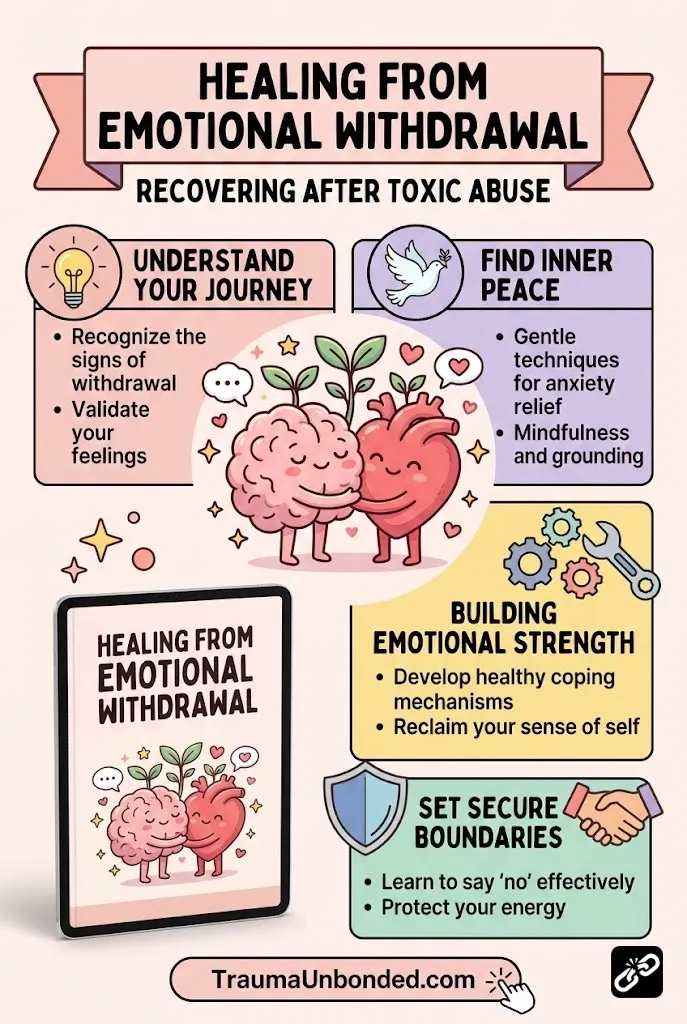
Getting through these holiday triggers requires more than just distraction; it demands a structured approach to healing the emotional crash that follows estrangement. If you are struggling with the physical exhaustion, anxiety, and grief of this season, this targeted workbook offers the exact step-by-step tools you need to stabilize your nervous system and reclaim your life.
Somatic Grounding and Self-Soothing for Solitary Holidays
When the holidays arrive and the loneliness feels overwhelming, your body’s stress response can take over. This is not just a mental challenge; it is a physiological event. Your nervous system is reacting to the absence of the familiar chaos, mistake-proofing itself against anticipated danger. To soothe this hyperarousal, we have to bypass the thinking brain and speak directly to the body through physical actions.
Instead of pressuring yourself to feel joyful, aim for safety and comfort. Here are a few physical grounding steps you can practice when the grief peaks:
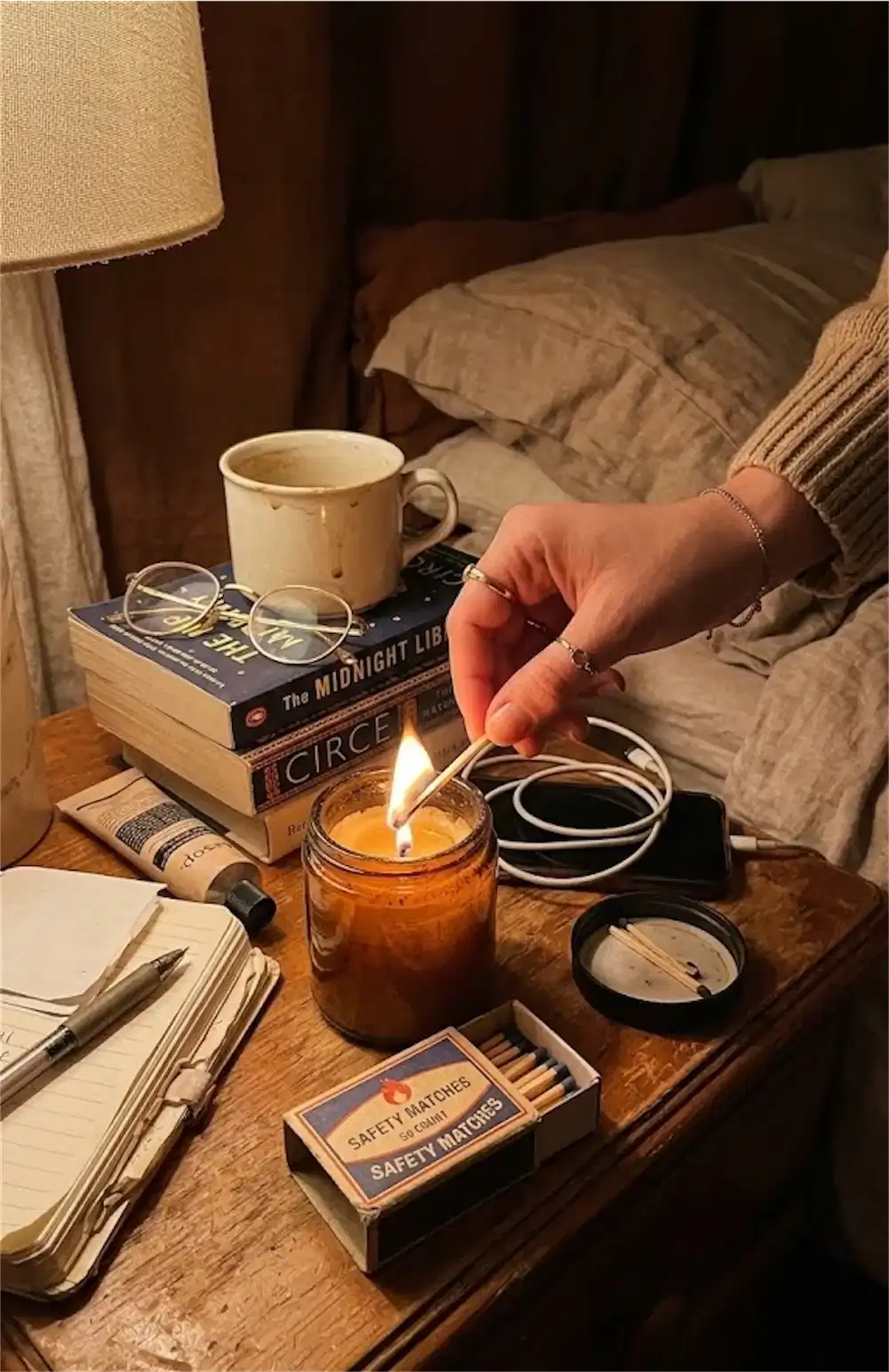
- Create a sensory sanctuary: Wrap yourself in a heavy blanket, light a candle with a calming scent, and play soft, neutral instrumental music to quiet your environment.
- Utilize temperature shifts: Take a long, hot bath or hold a warm mug of tea close to your chest to soothe the physical chill that often accompanies isolation.
- Practice slow exhalations: Breathe in for a count of four, and exhale slowly for a count of eight, signaling to your vagus nerve that you are safe in this moment.
Creating New, Quiet Rituals That Support Your Recovery
After my toxic relationship ended, I had to completely reinvent what December looked like. For twelve years, my winter holidays were defined by shouting matches, cold shoulders, and frantic attempts to appease someone who could not be satisfied. When I finally spent my first Christmas alone, I realized I did not have to put up a tree, cook a massive feast, or buy gifts out of obligation. I was free to make my own rules, which was both terrifying and incredibly liberating.
According to research published in Psychology Today, familial estrangement activates an ambiguous grief that is deeply challenging because it lacks typical societal rituals for closure. This means we must build our own rituals of closure and self-preservation. When you are healing loneliness after abuse, a holiday ritual does not need to be grand; it just needs to be yours.
Try spending the day exactly as you please without explaining yourself to anyone. Order your favorite takeout, watch a movie marathon, go for a long walk in nature, or sleep in until noon. By doing what feels genuinely comforting to you, you are slowly teaching your brain that peace is safe. You are rebuilding your original, cheerful, and grounded self, one quiet hour at a time.
If you wake up on Christmas morning and feel the tears starting to fall, let them. Crying is a natural physical release for the stress hormones that have been trapped in your body for years. Your first solo holiday is not about achieving perfect happiness; it is about surviving with your dignity and peace intact. You are doing the brave, hard work of breaking a generational cycle of trauma. Be incredibly gentle with yourself today, and remember that resources like the Emotional Withdrawal Survival Guide are always here to support you as you rebuild your life from the ground up.

Meet Your Guide
Helen Brooks
After surviving a 12-year NPD/BPD relationship, I dedicated over a decade to studying trauma bonding and nervous system recovery. My mission is to help you break free from the fog and reclaim your authentic self.
Ready to break the trauma bond and reclaim your life?