The Scapegoat’s Grief: Why Cutting Off Toxic Family Feels Like Mourning a Death
The scapegoat’s grief when cutting off toxic family is a heavy, confusing burden that often feels exactly like mourning a death. When you finally choose family estrangement healing and walk away from recovering from toxic family dynamics, the pain is incredibly physical and real. Why does the grief of cutting off parents or siblings hurt so deeply when they were the ones who hurt you?
Having spent 12 years in a toxic relationship with a partner who had both narcissistic and borderline traits, I was left devastated, isolated, and completely hollow. During my recovery, my therapist helped me realize that my tolerance for abuse started in my childhood home. I was always the family scapegoat, the one who carried the blame for everyone else’s dysfunction. Walking away from them was the hardest thing I ever did, which is why I eventually wrote down these steps in The Scapegoat’s Release.
Have you found yourself crying over people who treated you like an option? This is the paradox of toxic family estrangement. You are not just mourning the people who harmed you; you are mourning the dream of who they should have been.
Why Cutting Off Toxic Family Feels Like Mourning a Death
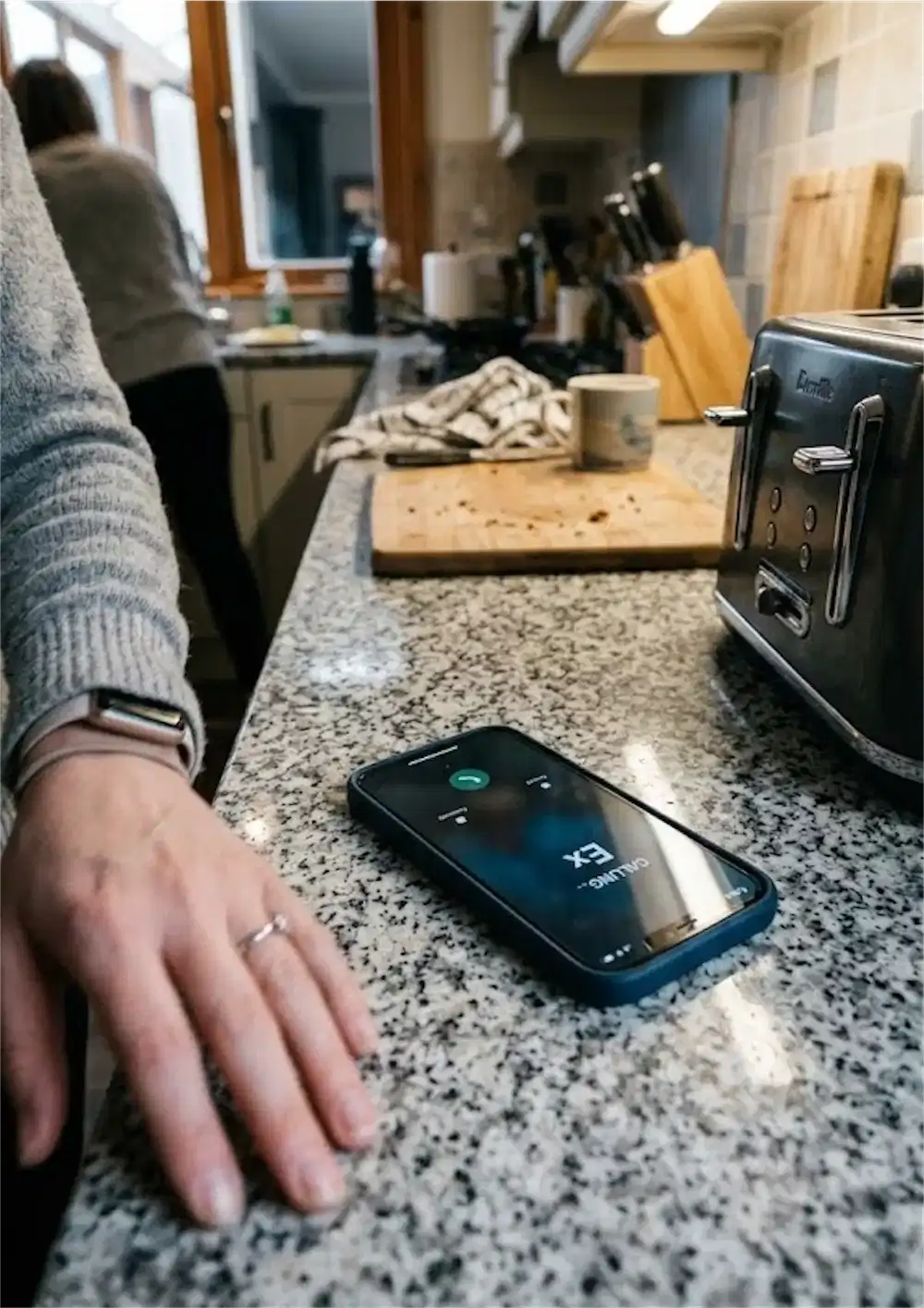
Cutting off a toxic family feels like mourning a death because you are grieving the loss of the relationship you deserved but never had, a phenomenon known as ambiguous loss. Unlike a physical death, there is no societal closure, leaving the scapegoat to process profound grief while the family members are still alive.
When a parent or sibling passes away, society understands your pain. Friends bring you food, send cards, and offer a shoulder to cry on. But when you choose cutting off toxic family, you are often met with cold silence, awkward questions, or active judgment from others.
People will ask you if you can just try to make peace for the sake of the holidays. They do not see the years of silent torment, the constant criticism, or the emotional manipulation you endured. This lack of social validation makes the healing process incredibly isolating.
Choosing toxic family estrangement freedom means accepting a form of grief that is completely invisible to the outside world. You have to learn to sit with your own truth, even when no one else is willing to verify it.
Understanding Ambiguous Loss and the Scapegoat’s Role
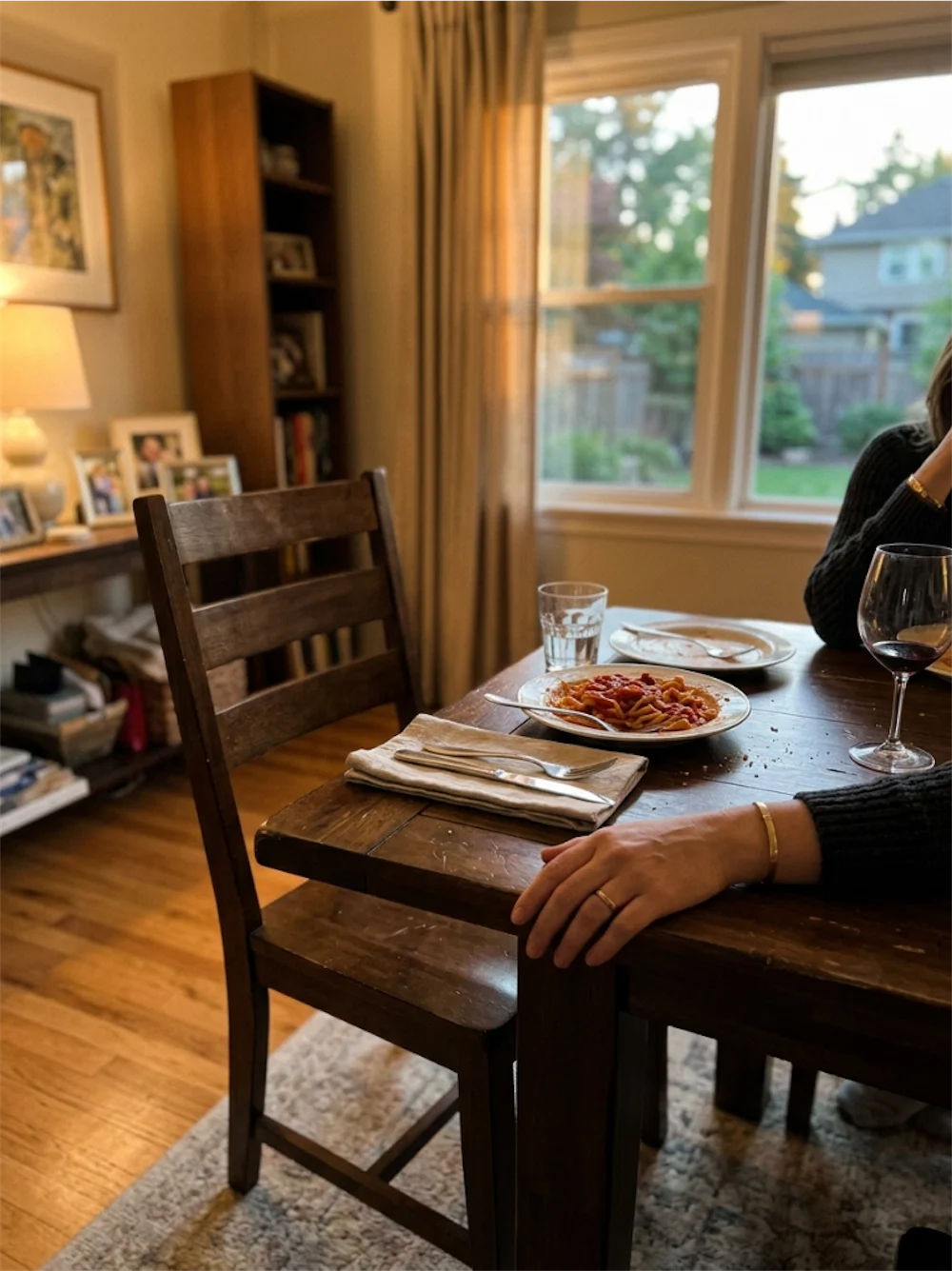
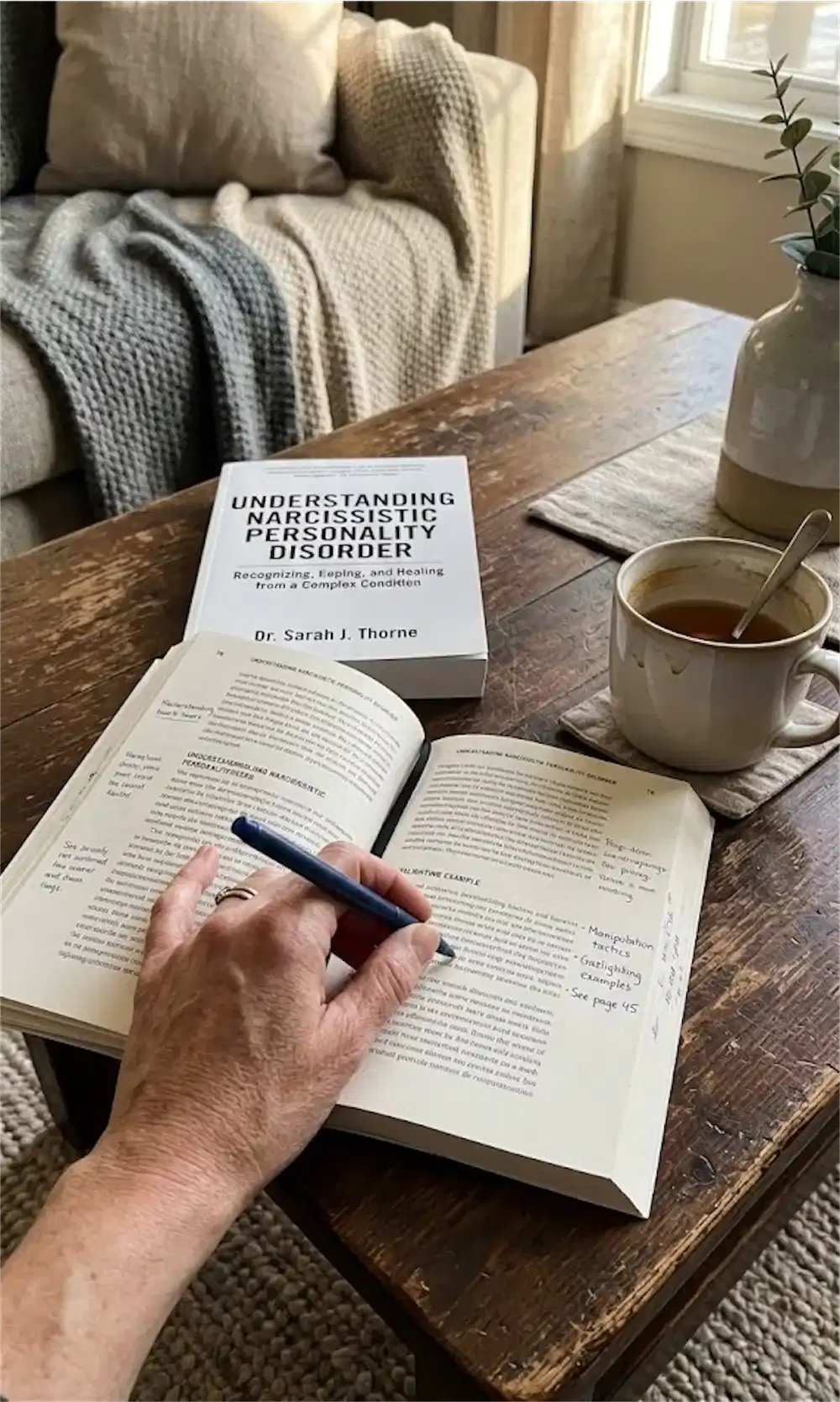
To heal, you must first understand why this process feels so agonizing. According to Psychology Today, ambiguous loss occurs when a person is physically present but psychologically absent, or vice versa [1]. It is the grief of mourning someone who is still walking this earth, yet completely unavailable to love you.
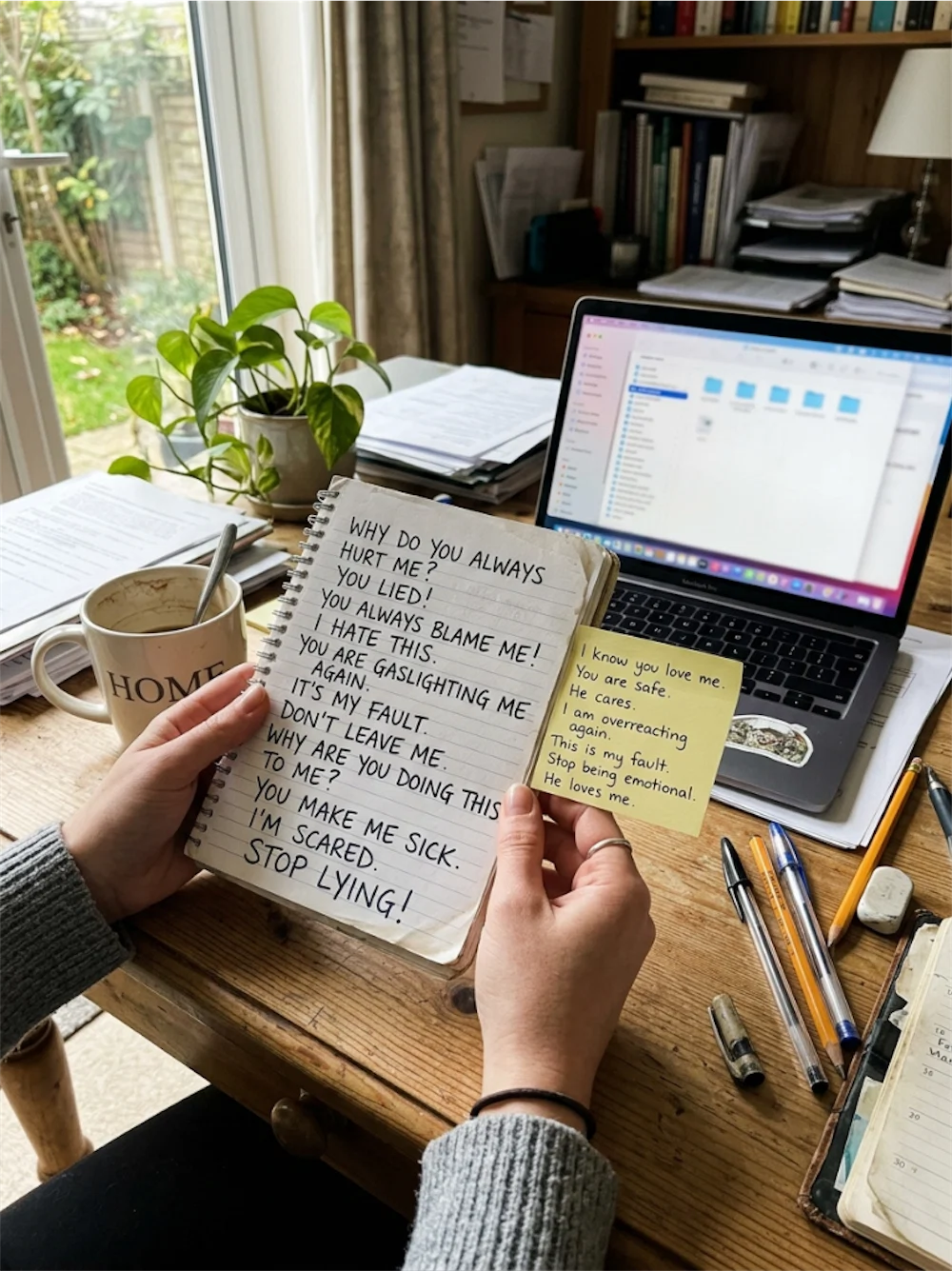
In a dysfunctional family system, the scapegoat is the designated container for everyone else’s unaddressed issues. If the parents are unhappy, it is your fault. If a sibling fails, you are the reason. You are conditioned to accept blame just to keep the household from exploding.
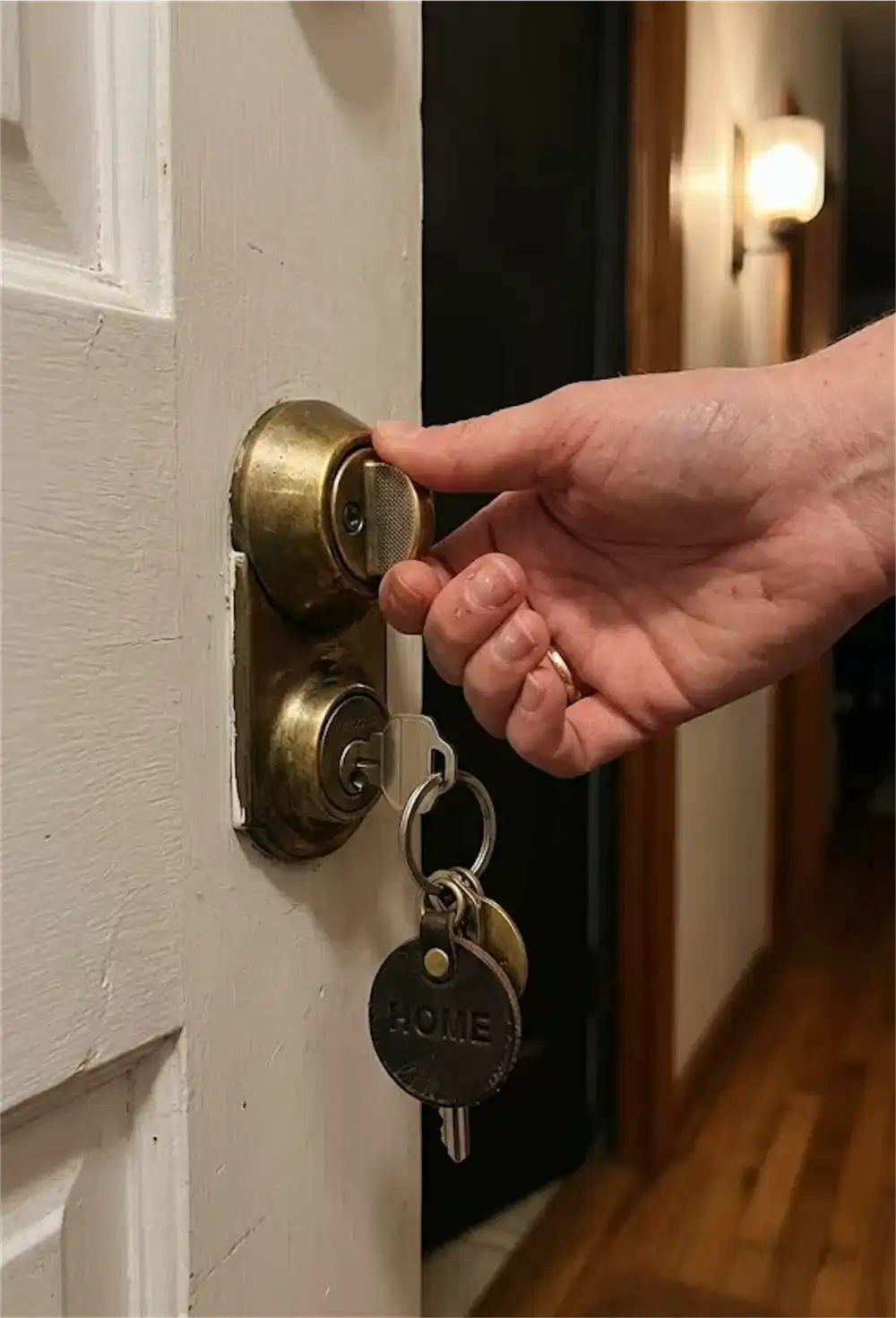
If you are using a scapegoat no contact guide, you know how terrifying it is to step out of this pre-assigned role. When the scapegoat leaves, the entire family structure begins to wobble because they no longer have anyone to dump their shame onto.
During my 12-year toxic relationship, I realized my ex-partner was treating me exactly how my family had treated me for decades. I was the one who had to fix everything, the one who was never allowed to have an off day. When I finally cut ties with my family, I had to confront the reality that they would never become the loving family I always wanted.
The Invisible Grief of Family Estrangement
How do you process a loss that has no funeral? The stages of grief for a family scapegoat do not follow a neat, linear line. One day you feel incredibly relieved, and the next day you are curled up on the bathroom floor, sobbing from the sheer loneliness of it all.
You might find yourself bargaining, wondering if you can go back if you just promise to be quieter or less demanding. This is a normal part of the process, but it is important to remember why you left in the first place. You did not break the family; you simply stopped pretending that it was whole.
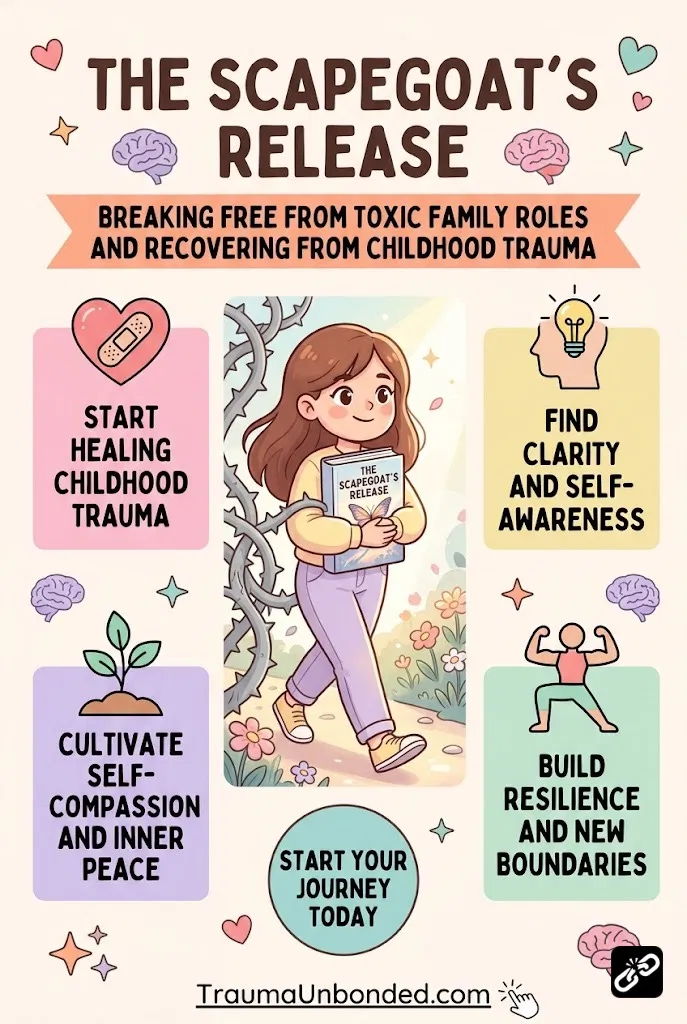
If you are currently suffocating under the weight of family expectations and need a structured, step-by-step roadmap to break free from these toxic roles without losing your mind, I highly recommend using a dedicated workbook. It was my primary lifeline when my world fell apart. You can access the exact framework I used to heal my childhood wounds below:
Grieving the living is a physical experience. You might notice your chest feeling tight, your jaw clenching, or an overwhelming sense of fatigue that sleep cannot fix. Your nervous system is finally coming down from decades of being in high-alert survival mode.
It is incredibly common to experience intense guilt during the early stages of no contact. You have been trained your entire life to put everyone else’s feelings before your own survival. Standing up for yourself feels like a betrayal, but it is actually the first step toward reclaiming your sanity.
Reclaiming Your Life and Navigating the Healing Journey

While cutting off toxic family feels like tearing off a limb, it is actually the beginning of your restoration. For years, I had no hobbies, no close friends, and a deep sense of despair. I felt like a ghost walking through my own life.
Healing did not happen overnight. It took years of professional therapy, learning about trauma bonds, and practicing somatic release techniques to get my body out of a constant state of panic. Slowly, the heavy fog began to lift.
Today, I have returned to my original self. I am cheerful, optimistic, and deeply grounded in my own reality. I no longer allow toxic people into my space, and I no longer apologize for protecting my peace.
The journey of healing as a scapegoat is not about getting your family to understand what they did to you. They likely never will. Instead, it is about giving yourself permission to stop waiting for an apology that is never coming.
The takeaway here is simple: you cannot heal in the same environment that made you sick. Walking away is not an act of malice; it is an act of self-preservation. When you are ready to put down the heavy burden of family dysfunction, take a look at The Scapegoat’s Release to help guide your steps back to who you were always meant to be.

Meet Your Guide
Helen Brooks
After surviving a 12-year NPD/BPD relationship, I dedicated over a decade to studying trauma bonding and nervous system recovery. My mission is to help you break free from the fog and reclaim your authentic self.
Ready to break the trauma bond and reclaim your life?