The Enabler’s Role: How Well-Meaning Family Members Protect the Toxic Abuser
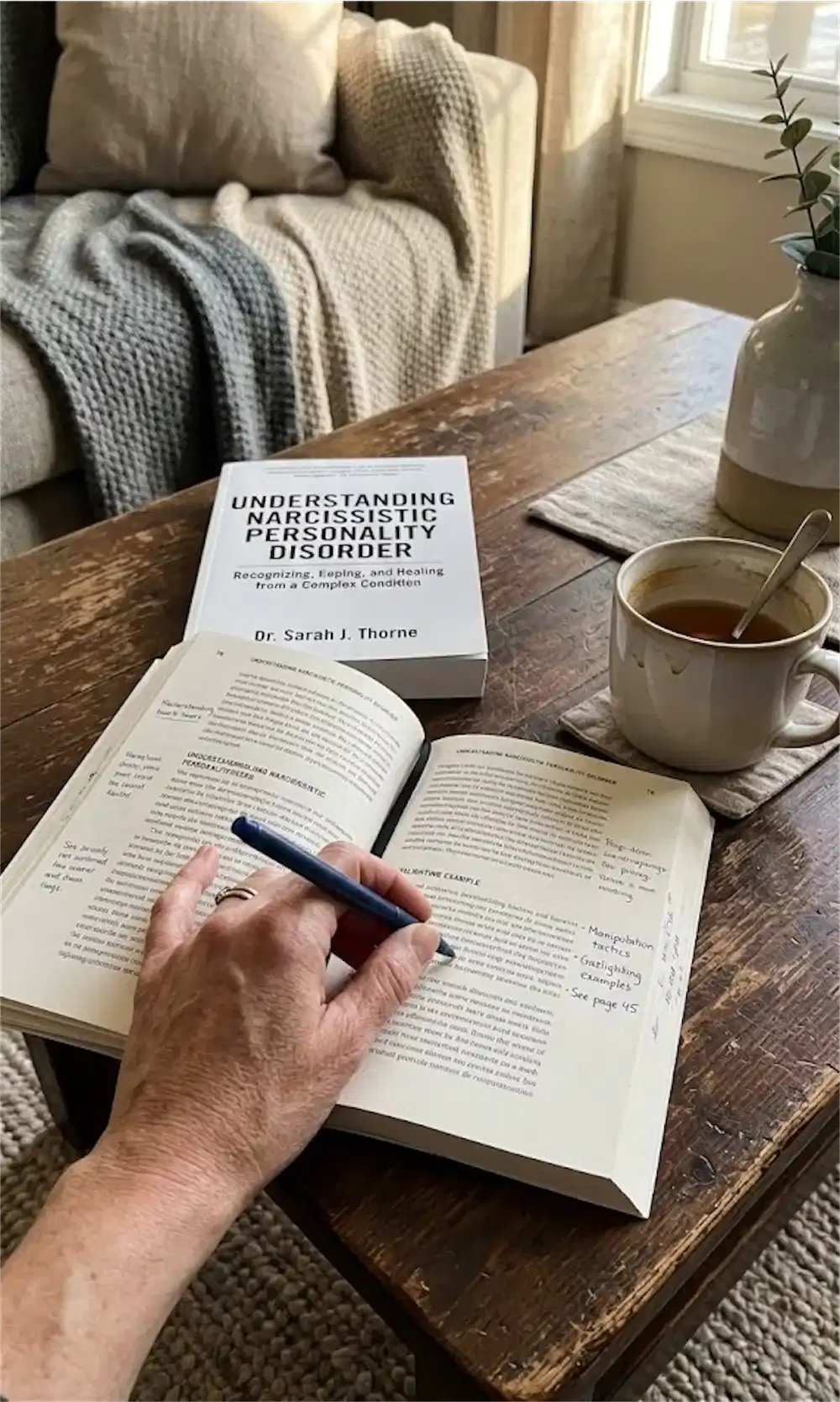
The enabler’s role in protecting a toxic partner or parent is often one of the most painful and confusing dynamics you will face during narcissistic abuse recovery. When you are trying to survive a relationship with a partner who has narcissistic or borderline personality traits, you expect the abuse to come from them, but you rarely expect their family to help them do it. If you are struggling to find your footing and make sense of this coordinated manipulation, resources like The Codependency Recovery Plan can help you rebuild your identity away from these chaotic patterns.
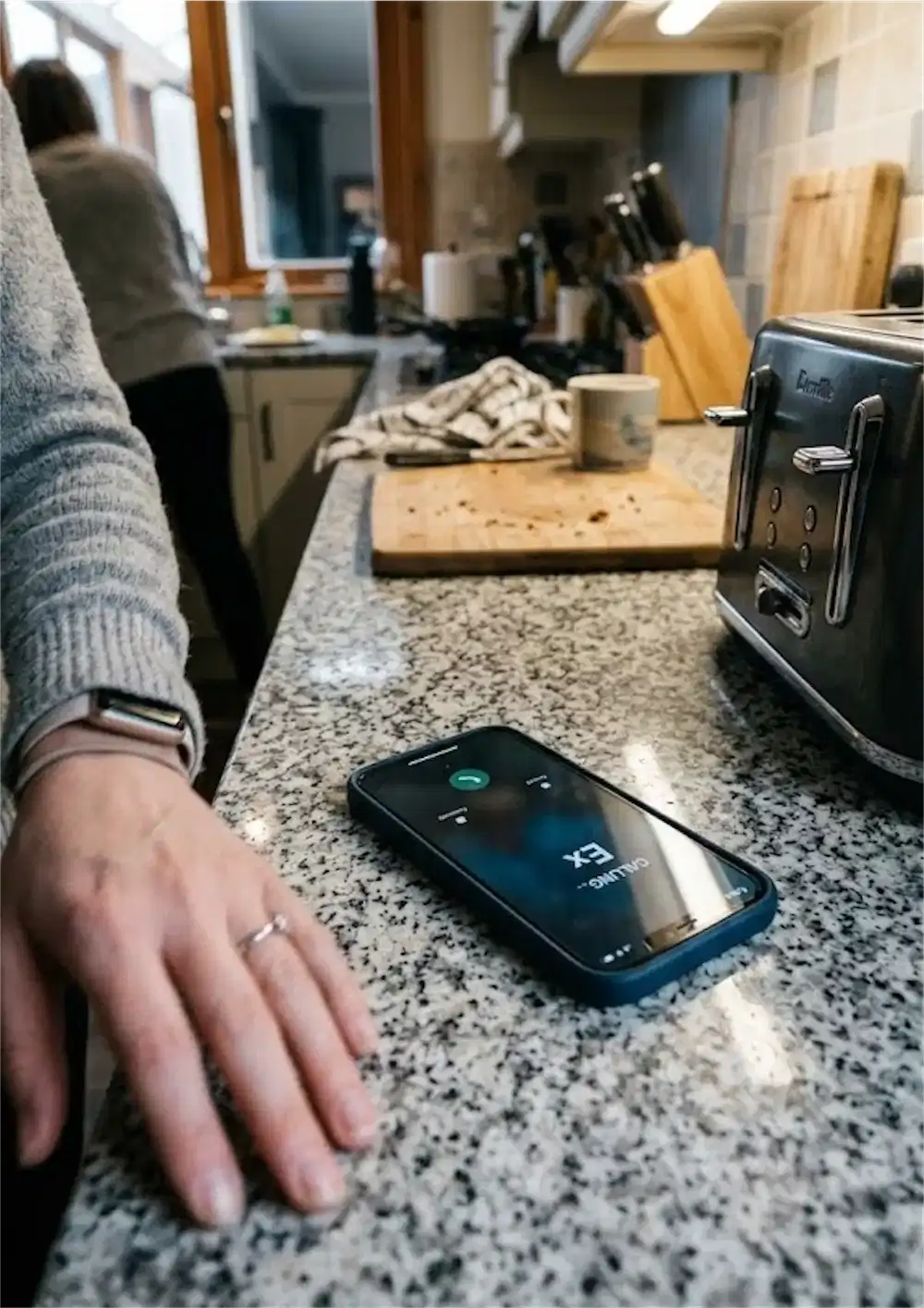
During my own twelve years with a partner who displayed severe narcissistic and borderline traits, I was constantly baffled by his family. Whenever he would rage, lie, or disappear for days, they would step in not to correct him, but to smooth things over and convince me to stay. They made me feel like I was the unstable one for reacting to his hostility, which left me isolated and deeply depressed.
Why do people who seem otherwise kind and normal choose to defend a toxic abuser? Understanding this dynamic is crucial if you want to break the trauma bond and regain your sanity. Let we look closely at how these family systems operate and how you can protect your peace of mind.
What is the Enabler’s Role in a Toxic Family System?
The enabler’s role is to minimize, excuse, and cover up the destructive behavior of a toxic abuser to maintain family harmony. By acting as a buffer, the enabler protects the abuser from consequences while leaving the victim isolated and full of self-doubt.
To understand the enabler, you have to look at the family as a single, delicate organism. In a dysfunctional home, the toxic abuser is the sun, and everyone else orbits around their unstable moods. Enabling behaviors are coping mechanisms that family members use to keep that sun from exploding.
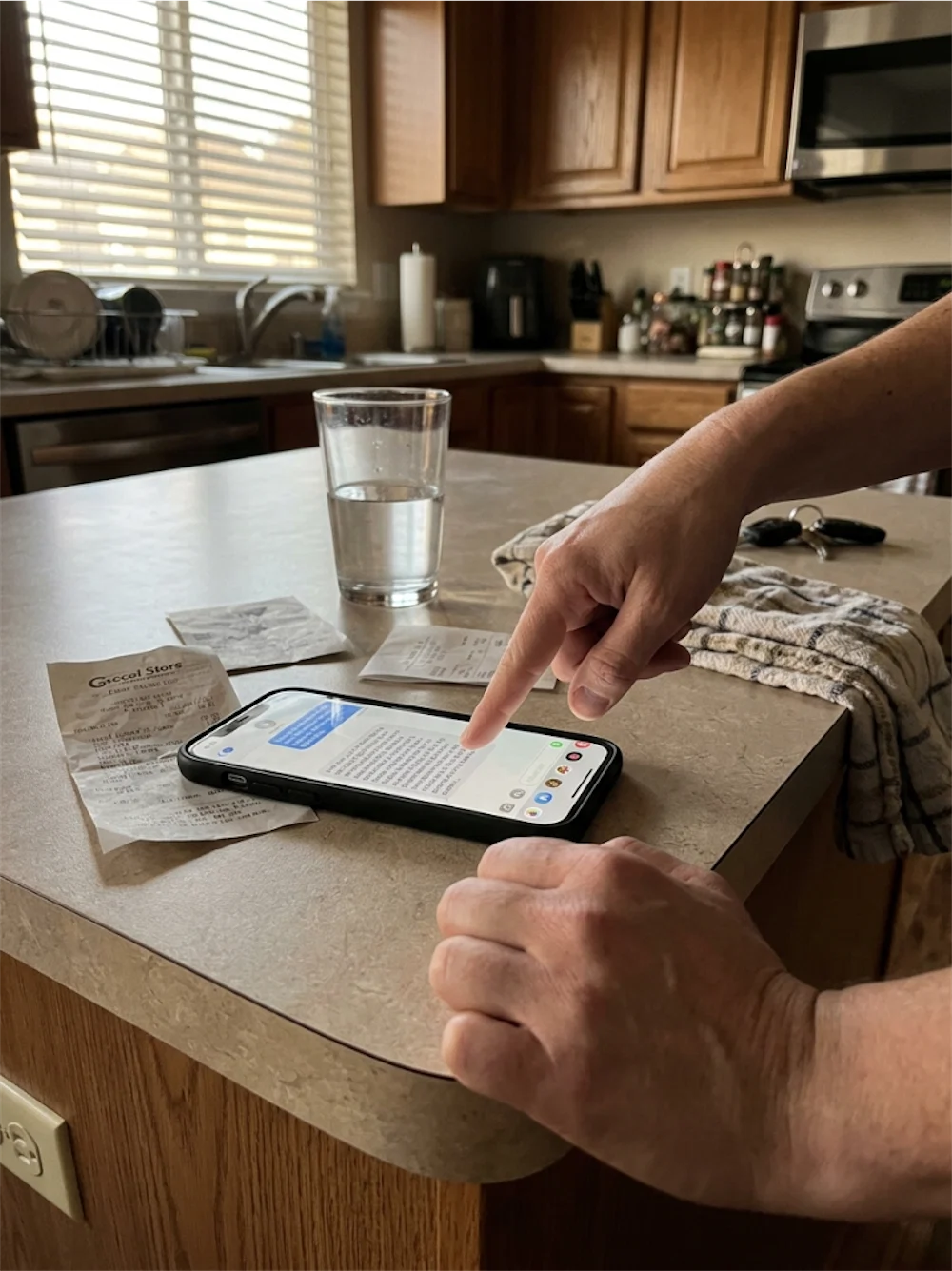
When my ex-partner would throw a destructive tantrum, his mother would immediately make excuses for him. She would tell me he was tired, stressed about money, or that he had a difficult childhood. By reframing his cruelty as a mere stress response, she shifted the responsibility of managing his emotions onto me.
This dynamic does not just happen in romantic relationships; it is a staple of childhood environments too. To survive, family members unconsciously slide into specific narcissistic family roles to keep the peace. The enabler becomes the self-appointed peacekeeper, but their peace is always bought with your silence and emotional destruction.
Why Do Well-Meaning Family Members Protect the Abuser?

It is easy to assume that enablers are malicious people who want to see you suffer. However, the reality is often much sadder and more complicated. Most enablers act out of extreme fear, deep-seated guilt, or a total lack of personal boundaries.
They know, deep down, how volatile the abuser is. They have likely been walking on eggshells around them for decades. Because they are terrified of the abuser’s rage or silent treatment, they will do anything to keep them calm, even if it means throwing you under the bus.
In many cases, the family has a shared history of unspoken trauma. Denying the abuse is easier than admitting that their child, sibling, or parent is a toxic person. If they acknowledge the truth, their entire family structure might fall apart, so they choose to protect the lie instead.
If you find yourself constantly sacrificing your peace to keep others comfortable, it is time to break the pattern. You can begin rebuilding your sense of self and establishing firm boundaries with this structured resource.
The Silent Harm of the Family Gaslighting Cycle
Enabling is not a passive act: it is an active form of emotional manipulation. When you try to explain how much the toxic person is hurting you, the enabler will often use gaslighting tactics to make you doubt your own senses.
They might say things like, “You are taking things too personally,” or “They only act that way because they love you so much.” According to research on family systems and codependency published in Psychology Today, enabling behaviors often stem from an unconscious need to avoid dealing with the family’s core dysfunctions.
This leaves you in a terrible position. You begin to ask yourself: am I crazy? Is it really my fault? When the people who are supposed to offer support tell you that the abuse is not happening, you enter a state of severe confusion. Finding a path toward family gaslighting recovery means accepting that you cannot force them to see the truth.
How to Handle Family Enablers and Protect Your Peace
You cannot change an enabler, just like you cannot change a narcissist. Their survival depends on keeping their head in the sand, and they will fight you to keep it there. Your only job is to protect your own mental health.
- Stop defending your reality to them: You do not need their permission or agreement to know that you were treated poorly. When you try to convince them, you only give them more opportunities to minimize your pain.
- Set rigid conversational boundaries: If you must interact with them, make the abuser a forbidden topic. If they bring up the toxic person, calmly change the subject or leave the room.
- Accept their limitations: It hurts to realize that family members will choose the abuser over you, but accepting this hard truth is the first step toward genuine freedom.
- Put physical distance between you: Sometimes, the healthiest step you can take is to stop trying to fix your toxic family and build a new, chosen family that respects your boundaries.
When I finally stopped expecting my ex’s family to act as neutral judges, a massive weight lifted off my shoulders. I realized their loyalty was to the dysfunctional system, not to the truth. Once I cut ties with the entire circle, my recovery truly began.
Getting out of that twelve-year fog was the hardest thing I have ever done. But once I stopped expecting the enablers to validate my pain, I finally found my way back to my original, cheerful self. If you are ready to take your life back and stop walking on eggshells, take a look at the comprehensive steps in The Codependency Recovery Plan and start your healing journey today.

Meet Your Guide
Helen Brooks
After surviving a 12-year NPD/BPD relationship, I dedicated over a decade to studying trauma bonding and nervous system recovery. My mission is to help you break free from the fog and reclaim your authentic self.
Ready to break the trauma bond and reclaim your life?