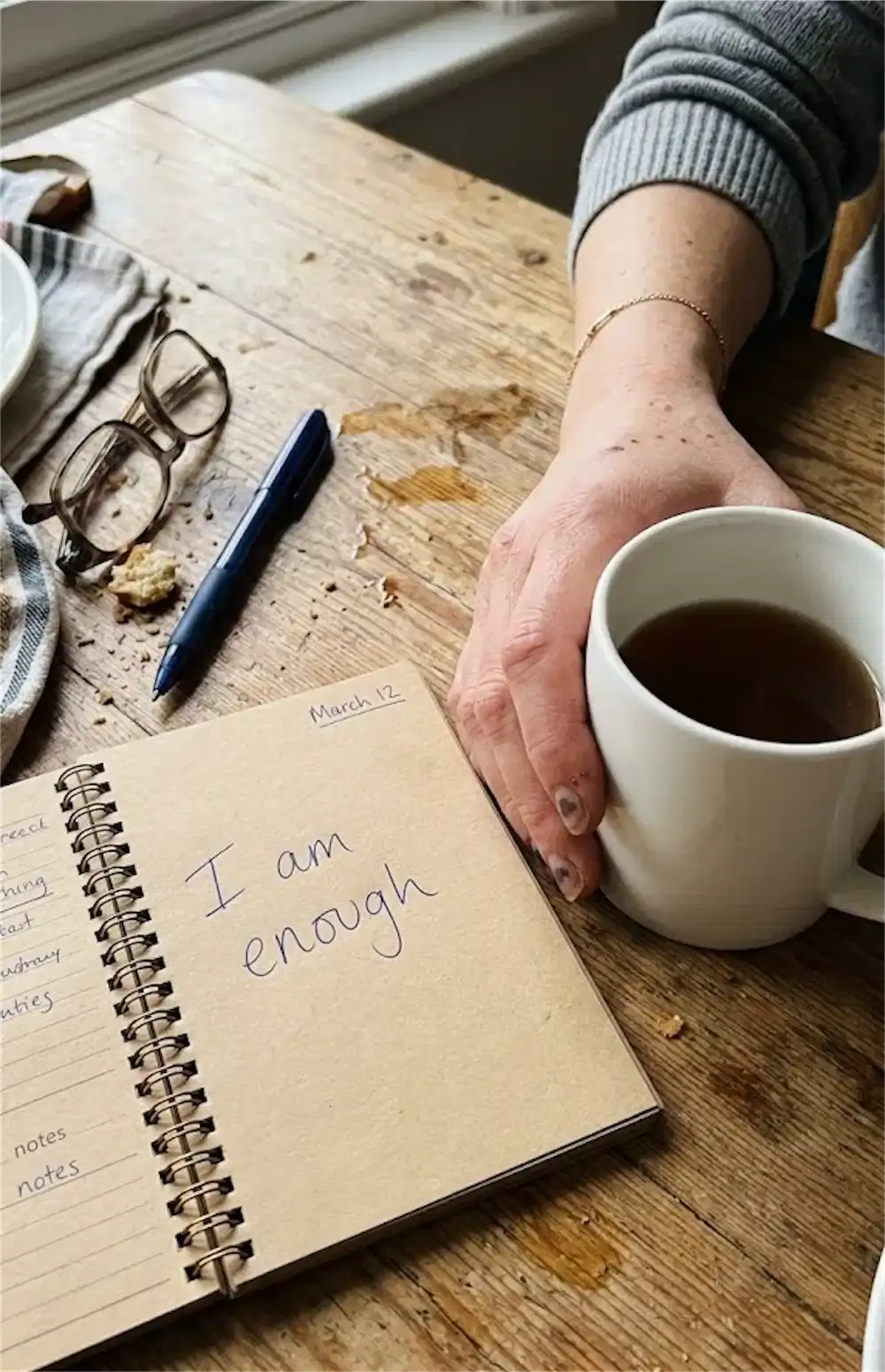
8 Essential Recovery Tools for Rebuilding Your Life After Narcissistic Abuse
Let me be honest with you. When my 12-year relationship finally ended, I didn’t just lose a partner. I lost my entire sense of self. I had no hobbies left, my friendships had slowly been dismantled, and I genuinely believed I was the problem. I didn’t know where recovery started. I didn’t even know recovery was a real destination.
But I got there. And the reason I got there wasn’t time. Time alone does almost nothing for this kind of wound. What actually moved the needle were specific, targeted tools that addressed what narcissistic abuse actually does to a person.
This is a no-fluff breakdown of the essential recovery tools for narcissistic abuse survivors that I used, that research supports, and that I’ve seen work for others walking this same road.
Why Recovery From Narcissistic Abuse Requires Specific Tools
Healing from narcissistic abuse isn’t the same as getting over a regular breakup. This is worth saying clearly. What you’ve been through isn’t heartbreak in the traditional sense. It’s a systematic dismantling of your identity, your trust in your own perception, and your sense of safety.
Research published in 2026 in the World Journal of Advanced Research and Reviews found that narcissistic abuse is associated with profound impairments in emotional regulation, personal boundaries, and cognitive autonomy, with survivors often exhibiting heightened reassurance-seeking and compulsive guilt. These aren’t personality flaws. They’re trauma responses.
The tools that help aren’t motivational quotes or “just focus on yourself” advice. They address the actual damage. That’s the difference between tools that heal and tools that just distract.
I also want to acknowledge something I learned slowly: you can read every book, follow every tip, and still feel stuck if you haven’t addressed the trauma bond itself. For a deeper look at that side, check out this guide on lessons from 12 years with a narcissist.
Journaling: The Recovery Tool You’re Probably Underestimating

I resisted journaling for months after my relationship ended. It felt pointless. What was writing in a notebook going to do when I couldn’t even get off the couch some mornings?
Here’s what I didn’t understand at the time: journaling isn’t about recording your feelings. It’s about externalizing them. When you’ve spent years in a relationship where your feelings were minimized, dismissed, or turned against you, writing them down without consequence is surprisingly powerful.
Morning pages specifically, the practice of writing three pages of free-form thought immediately after waking, helped me start noticing the patterns of my own thinking. The gaslighting I’d absorbed had become an internal voice. Journaling helped me start separating what was mine and what had been installed by someone else.
Structured prompts can also accelerate this process significantly. If you’re not sure where to start, a dedicated narcissistic abuse recovery journal can give you a framework when your thoughts feel too chaotic to organize on your own.
For more on how writing can specifically support trauma bond healing, read this post on how morning pages help heal a trauma bond.
- Write first thing in the morning before looking at your phone
- Don’t edit or censor yourself — this isn’t for anyone else to read
- Use prompts like: “What felt true about me before this relationship?” or “What do I actually want today?”
- Date every entry so you can track progress over time
Books That Helped Me Understand What Actually Happened

One of the most significant turning points in my recovery wasn’t a therapy session. It was reading a book and finally seeing my relationship described on the page with clinical precision. That moment of recognition, “this has a name, this happened to other people, I wasn’t crazy,” is genuinely therapeutic.
But not all books are created equal for this kind of recovery. Some are too clinical and abstract. Some go too deep into the abuser’s psychology without giving you any tools for yourself. Here are the ones that actually helped:
The Body Keeps the Score by Bessel van der Kolk, MD
This is the foundational text for understanding why you feel the way you feel after prolonged abuse. Dr. Bessel van der Kolk is a psychiatrist and professor of psychiatry at Boston University Medical School whose research fundamentally changed how we understand trauma. His core finding is that trauma doesn’t just live in your memories — it lives in your body’s nervous system.
As van der Kolk’s research demonstrates, trauma reshapes your nervous system, alters your stress responses, and changes how your body feels to inhabit. You might intellectually know the relationship is over, but your body keeps responding as if the threat is still present. That’s not weakness. That’s neuroscience.
This explained so much of what I was experiencing: the hypervigilance, the physical tension I couldn’t shake, the way certain tones of voice still made my stomach drop even months later. Get a copy here: The Body Keeps the Score on Amazon.
Pete Walker’s C-PTSD: From Surviving to Thriving
If you were in a long-term abusive relationship and you’ve noticed that your emotional reactions feel bigger and more unmanageable than other people’s, Complex PTSD (C-PTSD) might be part of what you’re dealing with. Pete Walker’s work is written clearly, with compassion, and without making you feel like a diagnosis defines you. Find it here: C-PTSD: From Surviving to Thriving on Amazon.
Why Does He Do That? by Lundy Bancroft
This is the one I wish I’d read a decade earlier. Lundy Bancroft, a former counselor for abusive men, pulls back the curtain on how abusive partners think. Understanding the psychology of your abuser, without excusing it, is often the thing that finally breaks the mental loop of “but why?” Get it here: Why Does He Do That? on Amazon.
One thing I want to say clearly: books are educational tools, not replacements for therapy. I’ve written about exactly this in why books alone won’t heal a trauma bond.
No Contact: The Most Uncomfortable Non-Negotiable
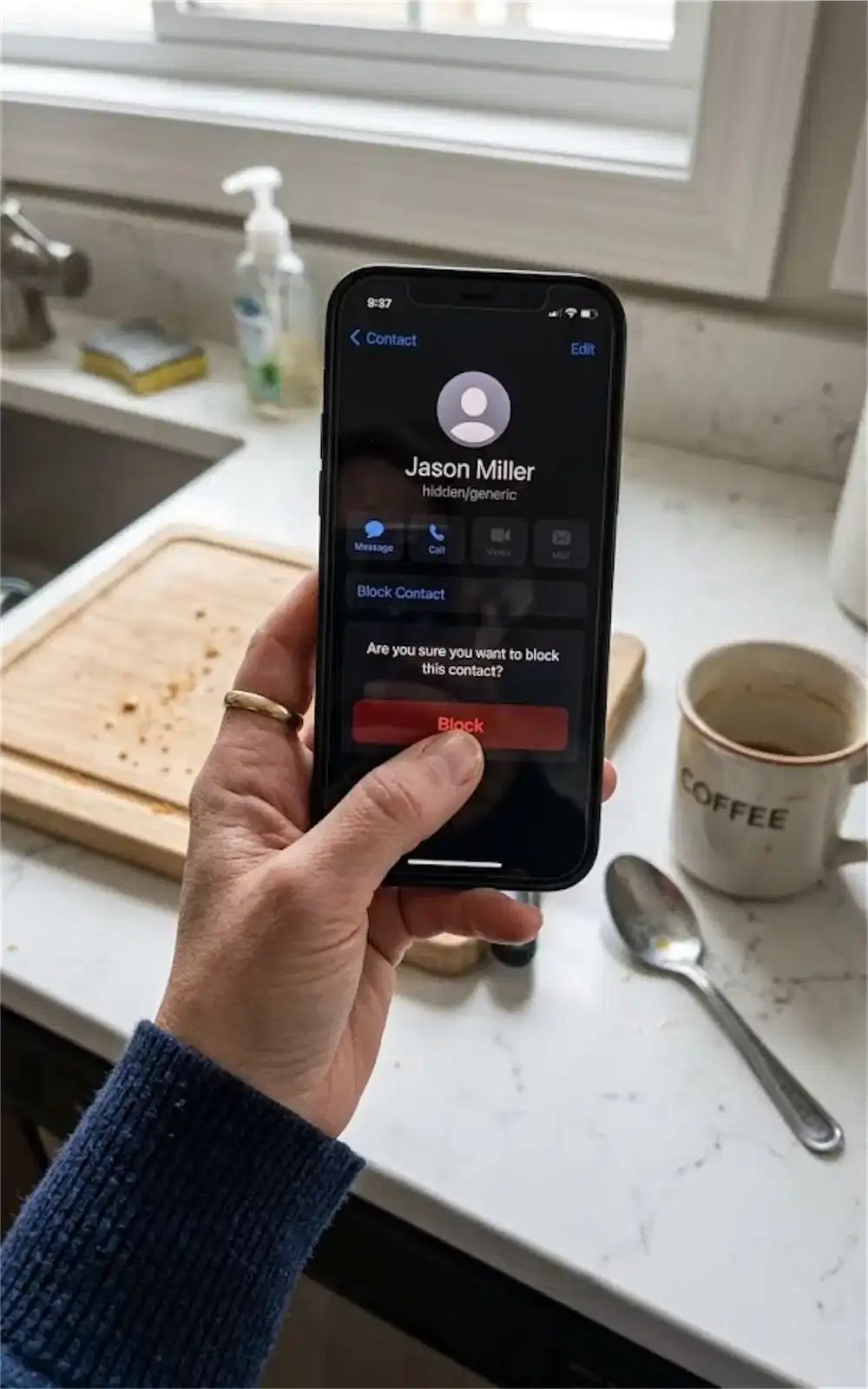
I want to be direct about this because nobody told me clearly enough when I needed to hear it: no contact isn’t a strategy for getting your ex back. It’s not a manipulation tactic. It’s a survival protocol for your nervous system.
Research on narcissistic abuse and PTSD shows that survivors who eliminated contact showed significantly faster improvement in trauma symptoms compared to those who remained in contact. When you stay in contact with the source of the abuse, even casually, even “just to check in,” you’re keeping the wound open.
In my 12-year relationship, every time I tried to leave and then went back to checking his messages, stalking his social media, or responding to texts, I was essentially restarting the trauma cycle. The relief I felt when I finally committed to full no contact wasn’t emotional — it was physical. My body exhaled.
Here’s what no contact actually involves as a practical tool:
- Blocking on all platforms — not muting, not restricting. Blocking.
- Removing saved contact info so impulsive messaging becomes harder
- Asking a trusted person to hold you accountable on difficult days
- Deleting photos and message threads that pull you back into the story
- Stopping the social media stalking — even passive monitoring counts as contact with the grief
If complete no contact isn’t possible due to shared children or legal circumstances, the Gray Rock method, where you become completely uninteresting and emotionally flat in responses, is the closest alternative. For a full breakdown, read the complete narcissist no contact guide.
Therapy: Finding the Right Kind Matters More Than You Think
Not all therapy is the same. I learned this the hard way. My first therapist after leaving my relationship was kind but general. She wasn’t familiar with coercive control or trauma bonding specifically, and some of her framing actually reinforced my self-blame. It set me back months.
When I finally found a therapist who understood narcissistic abuse and complex trauma, everything shifted. The right therapist knows that what you’re dealing with isn’t standard relationship grief. It has specific features, specific cognitive distortions, and specific somatic (body-based) symptoms that require targeted approaches.
Approaches with strong evidence for narcissistic abuse recovery include:
- EMDR (Eye Movement Desensitization and Reprocessing) — specifically targets traumatic memories and reduces their emotional charge. This was the single most effective tool for me personally.
- CBT (Cognitive Behavioral Therapy) — addresses the distorted thinking patterns installed by gaslighting and emotional manipulation
- DBT (Dialectical Behavior Therapy) — equips you with skills for emotional regulation and distress tolerance, which are typically severely impaired after long-term abuse
- Somatic therapy — works directly with the body, which is where, as van der Kolk’s research confirms, much of the trauma is actually stored
When looking for a therapist, search specifically for someone with experience in C-PTSD, coercive control, or trauma bonding. The Psychology Today therapist finder lets you filter by specialty, which makes this search much easier.
Also worth noting: many general counselors don’t fully understand how specific and disorienting narcissistic abuse is. That’s not a criticism of the profession — it’s just a reality that means you may need to be selective. If something feels off with a therapist, trust that instinct and look for someone else.
Grounding and Nervous System Regulation Tools
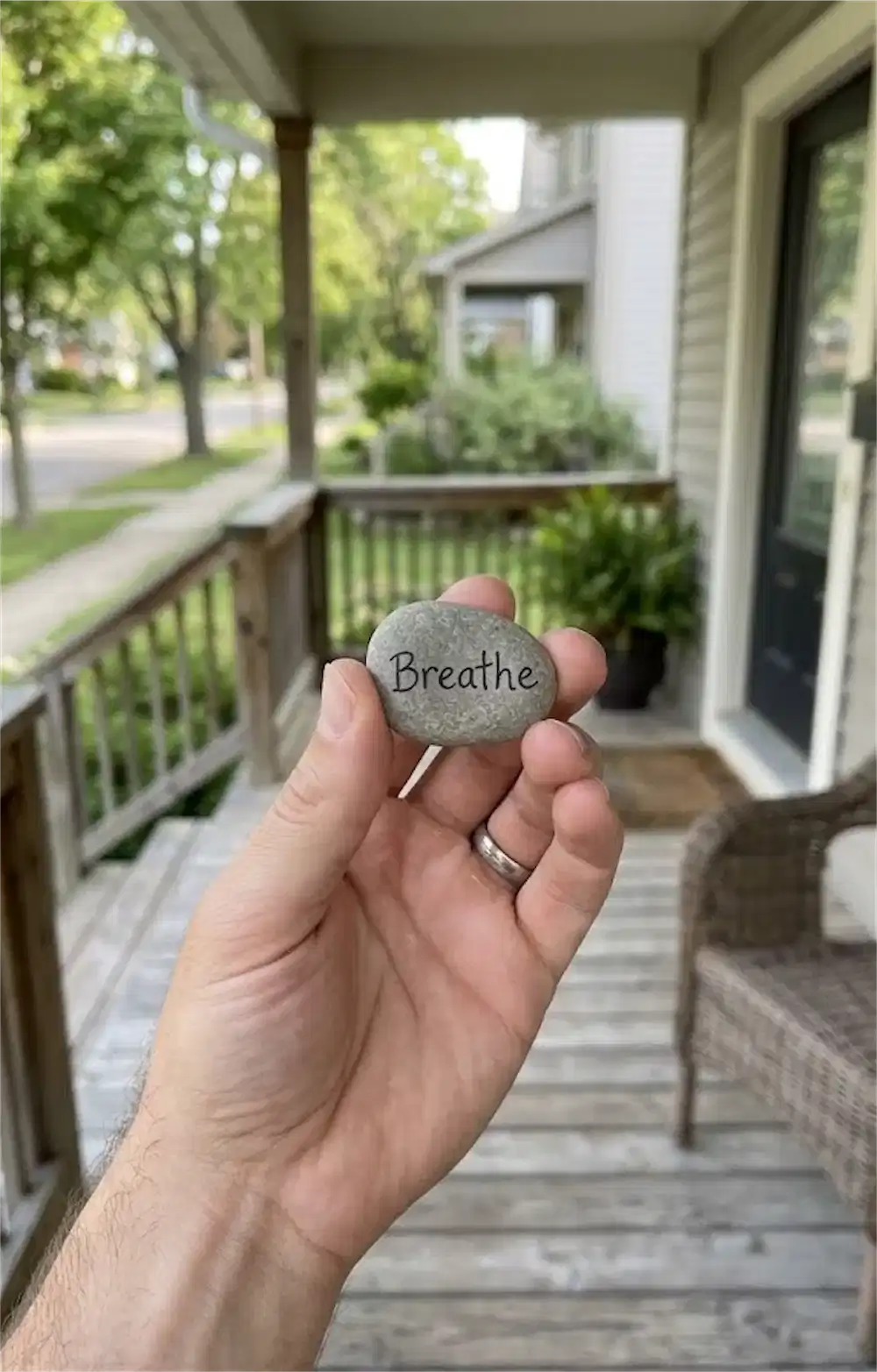
One of the things nobody talks about enough in narcissistic abuse recovery is the body. Not your thoughts. Not your understanding of what happened. Your actual, physical nervous system, which has been running in survival mode for however long your relationship lasted.
As Dr. van der Kolk explains, “the survival brain doesn’t respond to logic or insight; it responds to safety signals, physical experiences, and nervous system regulation.” This is why you can intellectually understand that you’re out of the relationship and still feel the anxiety, the hypervigilance, the intrusive memories. Your body hasn’t caught up yet.
Grounding tools are designed to bring your nervous system from threat-mode back into the present. They’re simple, they’re free, and they work. Here are the ones I used most consistently:
- Box breathing (inhale 4 counts, hold 4, exhale 4, hold 4) — particularly effective during anxiety spikes or intrusive thoughts
- The 5-4-3-2-1 method — name 5 things you see, 4 you can touch, 3 you hear, 2 you smell, 1 you taste. This interrupts the nervous system’s threat response by anchoring you in sensory reality
- Cold water on your wrists or face — activates the dive reflex and slows the heart rate almost immediately
- Weighted blankets — the deep pressure stimulation genuinely helps regulate the nervous system; a good weighted blanket for anxiety became one of my most-used recovery items
- Slow walking in nature — not intense exercise, just movement with your feet on ground and attention on what you can sense around you
Mindfulness yoga also has strong research support here. A peer-reviewed study published in Frontiers in Psychology showed that mindfulness yoga significantly reduced PTSD symptomatology and restored homeostasis of the autonomic nervous system. If structured yoga isn’t accessible, even a basic stretching routine done slowly and intentionally has a measurable effect on anxiety.
Physical Recovery: Your Body Absorbed This Too
After 12 years of walking on eggshells, my body showed it. I had persistent tension headaches, my sleep was disrupted for months, and I was dealing with digestive issues that my doctor kept attributing to stress. He was right. Chronic relational trauma has real physiological effects.
Van der Kolk’s research confirms that trauma lingers in sensations, memories, flashbacks, immune issues, and sleep problems — and that mysterious physical symptoms without a clear cause may point to the nervous system trying to process what it’s been through. This isn’t psychosomatic in a dismissive sense. It’s neurobiological.
Physical recovery tools that genuinely helped me:
- Consistent, moderate exercise — not punishing yourself with intense workouts, but regular movement that produces serotonin and helps discharge the stored tension in your muscles. Running, walking, cycling, anything you can stick to
- Magnesium glycinate — one of the most underrated supplements for anxiety and sleep disruption. It supports the nervous system directly and is gentle on the stomach. A good magnesium glycinate supplement made a noticeable difference in my sleep quality within two weeks
- Limiting caffeine and alcohol — both amplify the nervous system dysregulation that trauma already causes. I’m not saying never, but awareness matters
- Prioritizing sleep hygiene — trauma destroys sleep. A consistent bedtime, low light after 9pm, and no phone in the bedroom are basics, but they work
- Regular sunlight exposure — especially in the morning. The circadian rhythm regulating effect of morning sunlight on cortisol and melatonin is well-documented and free
Rebuilding Identity: The Long Game
This is the part that doesn’t get talked about enough in the early stages of recovery because you’re still just trying to stabilize. But at some point, the work shifts from “stop the bleeding” to “who am I now, separate from that relationship?”
Research in the Journal of Positive Psychology shows that identifying personal values, not what you were told to value, but what genuinely matters to you, predicts greater life satisfaction and resilience. After years in a relationship where your preferences were overwritten or mocked, rediscovering them isn’t trivial. It’s actually the core of recovery.
Some practical tools for this phase:
- Values clarification exercises — many therapists use structured worksheets for this, but you can also find guided versions in workbooks like narcissistic abuse recovery workbooks
- Returning to abandoned hobbies — what did you love before the relationship? Before you “didn’t have time” or were subtly discouraged? Start there
- Social reconnection — slowly rebuilding friendships that were isolated away. Research consistently identifies social connection as one of the strongest predictors of trauma recovery
- Affirmations — not in a performative way, but as a genuine counter-narrative to the internalized critical voice. For specific examples, see this post on affirmations for emotional regulation after a toxic breakup
One thing I’ll say from personal experience: the moment I started making choices, small choices, about what I wanted for dinner, what music I actually liked, what weekend plans felt good to me, I felt something click back into place. Those micro-decisions are the early stages of reclaiming your identity. Don’t underestimate them.
Digital Tools and Apps Worth Using
In 2026, there are also some solid digital tools designed specifically for narcissistic abuse recovery. I’m selective about recommending apps because most are generic wellness tools that don’t address the specific patterns of this type of trauma. But a few are genuinely useful:
- Journaling apps with prompts — Day One and Reflectly both work well if paper journaling isn’t accessible to you
- Meditation apps — specifically ones with trauma-sensitive content. Insight Timer has free guided meditations by trauma-informed teachers that are actually relevant to this kind of recovery
- No contact counters — tracking the days since you last contacted your ex creates a visible streak worth protecting. Small but psychologically effective
One thing to be cautious of: apps that gamify recovery with streaks and badges can sometimes create a new form of performance anxiety. Use them as tools, not as another way to grade yourself.
A Note on Codependency and Why It Matters Here
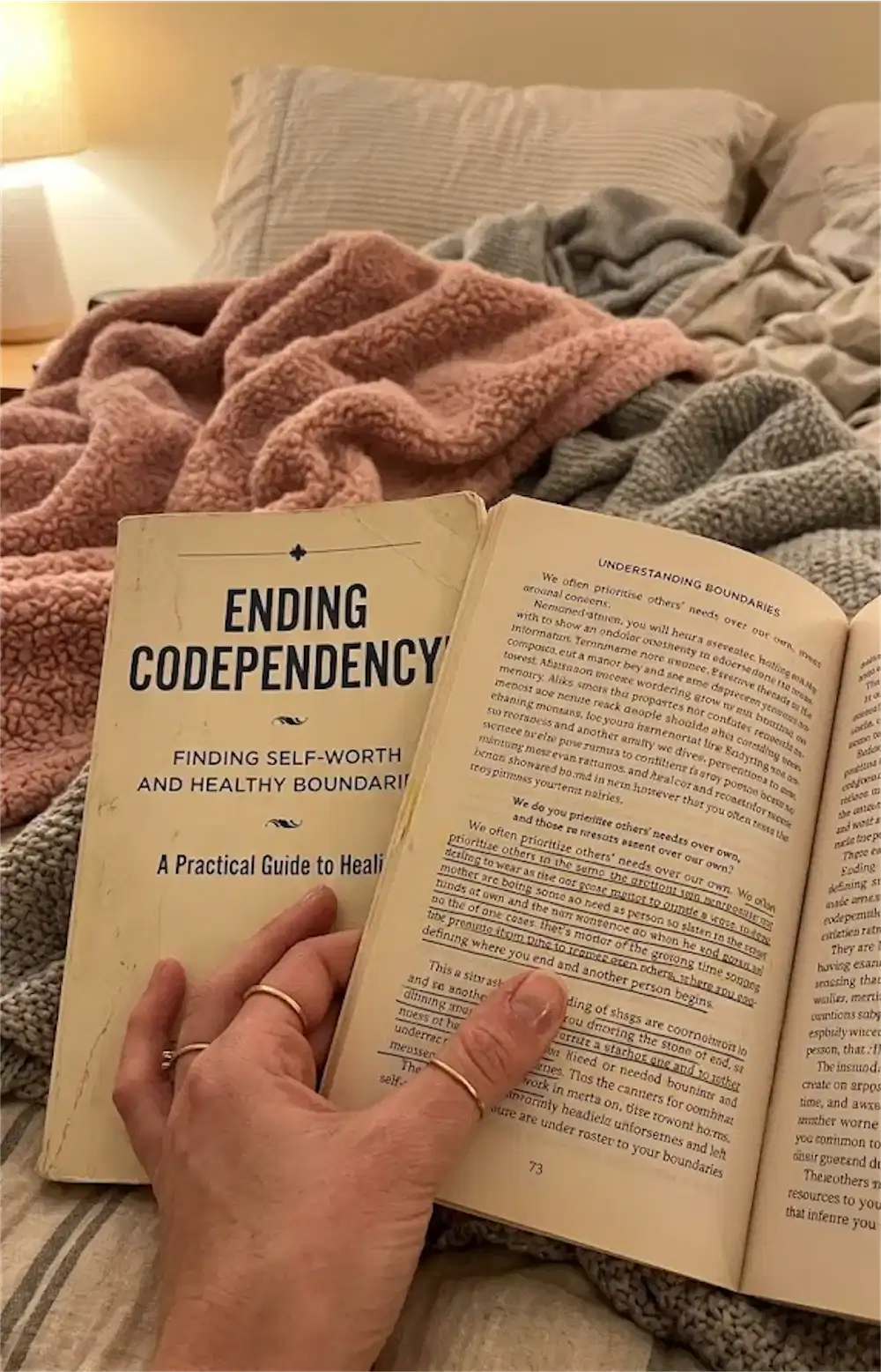
If you were in a long-term relationship with someone with NPD or BPD traits, codependency is almost certainly part of your picture. Not because you’re weak or broken, but because the dynamic was designed, consciously or not, to create a version of you that over-functioned, over-explained, and over-gave in hopes of keeping the peace.
Addressing codependency patterns is a separate but intertwined layer of recovery. Melody Beattie’s Codependent No More was one of the first books I read that made me realize I had learned some of these patterns long before this relationship. Find it here: Codependent No More on Amazon.
For a deeper look at overcoming codependency specifically in the context of toxic relationships, this article on strategies to overcome codependency and toxic stress goes into useful practical detail.
What Doesn’t Work (But People Keep Trying)
In the interest of saving you time, here are the things that feel like recovery but aren’t, or at least not on their own:
- Obsessively researching your ex — understanding narcissism is useful. Spending three hours reading about their new relationship is not
- Revenge fantasies — completely normal to have them, but they keep your nervous system tethered to a person who already took too much of your energy
- Immediately starting a new relationship — the temporary relief it brings delays the work, and you’ll typically bring the same unhealed attachment patterns into the new dynamic
- Talking to mutual friends about your ex — this is how you get information that keeps reopening the wound, or worse, gets back to them
- Waiting for an apology — it is deeply unfair that you likely won’t get one. But as one clinical observation puts it clearly: the person who hurt you may never acknowledge it, apologize, or face consequences. But you can heal anyway. Not because you forgive them, not because you forget, but because you choose yourself.
The Takeaway
Recovery from narcissistic abuse isn’t linear and it isn’t fast. But it is possible, and it happens through very specific, targeted tools applied consistently over time. Not one big breakthrough moment. Hundreds of small, deliberate choices to put your nervous system, your identity, and your life back together.
Start where you are. If you can only do one thing right now, make it this: commit to no contact and get a notebook. Those two decisions will create more forward movement than any amount of trying to understand or fix what happened.
The version of you that existed before this relationship, the one who had preferences and friends and opinions and joy, is still in there. These tools are how you find your way back to them.
Recommended Resources
These are the books and tools I personally recommend for narcissistic abuse recovery. All Amazon links support this blog through an affiliate partnership at no cost to you.
- The Body Keeps the Score by Bessel van der Kolk, MD — the essential guide to understanding how trauma lives in the body and how to release it
- C-PTSD: From Surviving to Thriving by Pete Walker — the most practical and compassionate guide to understanding Complex PTSD after long-term abuse
- Why Does He Do That? by Lundy Bancroft — a clear-eyed breakdown of abuser psychology that breaks the “but why” thought loop
- Narcissistic Abuse Recovery Workbook — structured exercises for processing trauma, rebuilding identity, and setting boundaries
- Magnesium Glycinate Supplement — supports nervous system regulation, reduces anxiety, and improves sleep quality during recovery

Meet Your Guide
Helen Brooks
After surviving a 12-year NPD/BPD relationship, I dedicated over a decade to studying trauma bonding and nervous system recovery. My mission is to help you break free from the fog and reclaim your authentic self.
Ready to break the trauma bond and reclaim your life?