10 Powerful Quotes for Narcissistic Abuse Recovery and Emotional Strength
When you’re clawing your way out of a toxic relationship, sometimes a single sentence can feel like a lifeline. I remember sitting in my therapist’s office seven months after my breakup, staring at a framed quote on her wall. I can’t even recall what it said anymore, but I cried reading it. That’s when I realized words carry weight when you’re ready to receive them.
After 12 years with someone who had both narcissistic and borderline traits, I collected quotes like survival tools. Some I taped to my bathroom mirror. Others I scribbled in the margins of my journal at 2 a.m. when the loneliness felt unbearable. This article shares ten quotes that genuinely helped me rebuild my emotional foundation, not because they sounded pretty, but because they challenged the lies I’d internalized.
Why Words Matter When You’re Healing From Narcissistic Abuse
Narcissistic abuse rewires how you talk to yourself. After years of gaslighting, criticism disguised as “honesty,” and emotional whiplash, your internal voice starts sounding a lot like your abuser’s. That happened to me. I’d catch myself thinking “you’re too sensitive” or “no one else would put up with you” in moments of stress.
Quotes work because they interrupt those destructive thought patterns. Research from the American Psychological Association shows that positive affirmations and intentional reframing can help trauma survivors challenge cognitive distortions. But here’s what matters more than the science: quotes gave me permission to believe something different about myself before I fully felt it.
They’re not magic. You can’t quote your way out of trauma. But when combined with actual therapy and practical recovery work, the right words at the right time can shift your perspective just enough to keep going.
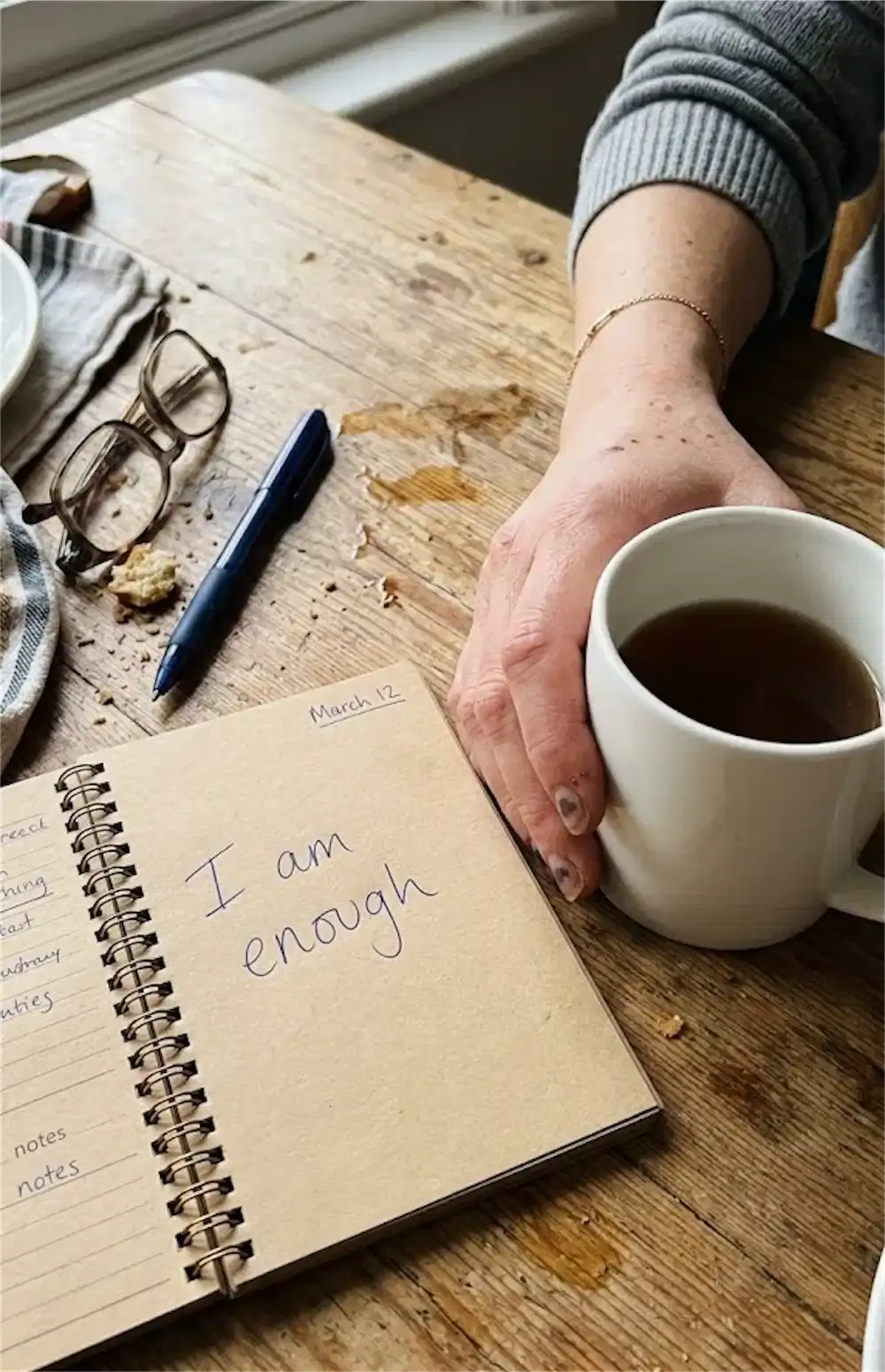
Quote 1: “You can’t heal in the same environment that made you sick”
This one hit me like cold water to the face. I spent the first three months after my breakup still living in the apartment we’d shared. Every corner held a memory. The couch where he’d give me the silent treatment for days. The kitchen where I’d tiptoe around his moods while making dinner.
Moving out felt impossible financially and emotionally, but staying was slowly killing my progress. The environment you’re in matters more than most self-help content admits. If you’re still sleeping in the bed where you got yelled at, working at the job they belittled you for, or seeing mutual friends who excuse their behavior, recovery will take longer.
I eventually moved to a smaller place across town. It wasn’t fancy, but it was mine. No history. No triggers in every room. That’s when real healing started.
Quote 2: “The lion doesn’t turn around when the small dog barks”
My ex tried to hoover me back four times in the first year. Text messages. Emails. Even a handwritten letter left on my car windshield. Each attempt was designed to get a reaction, positive or negative didn’t matter to him.
This quote taught me that responding equals losing. Narcissists feed on attention. They’ll pick a fight, play victim, or suddenly declare their undying love—whatever gets you to engage. When you understand you’re the lion and their manipulation tactics are just noise, ignoring becomes easier.
I kept this quote on a sticky note next to my phone for six months. Every time I felt tempted to “just check” if he’d reached out or send “one final message,” I read it. Silence became my power move. If you’re struggling with maintaining no contact, this mindset shift is everything.
Quote 3: “Trauma creates change you don’t choose. Healing creates change you do”
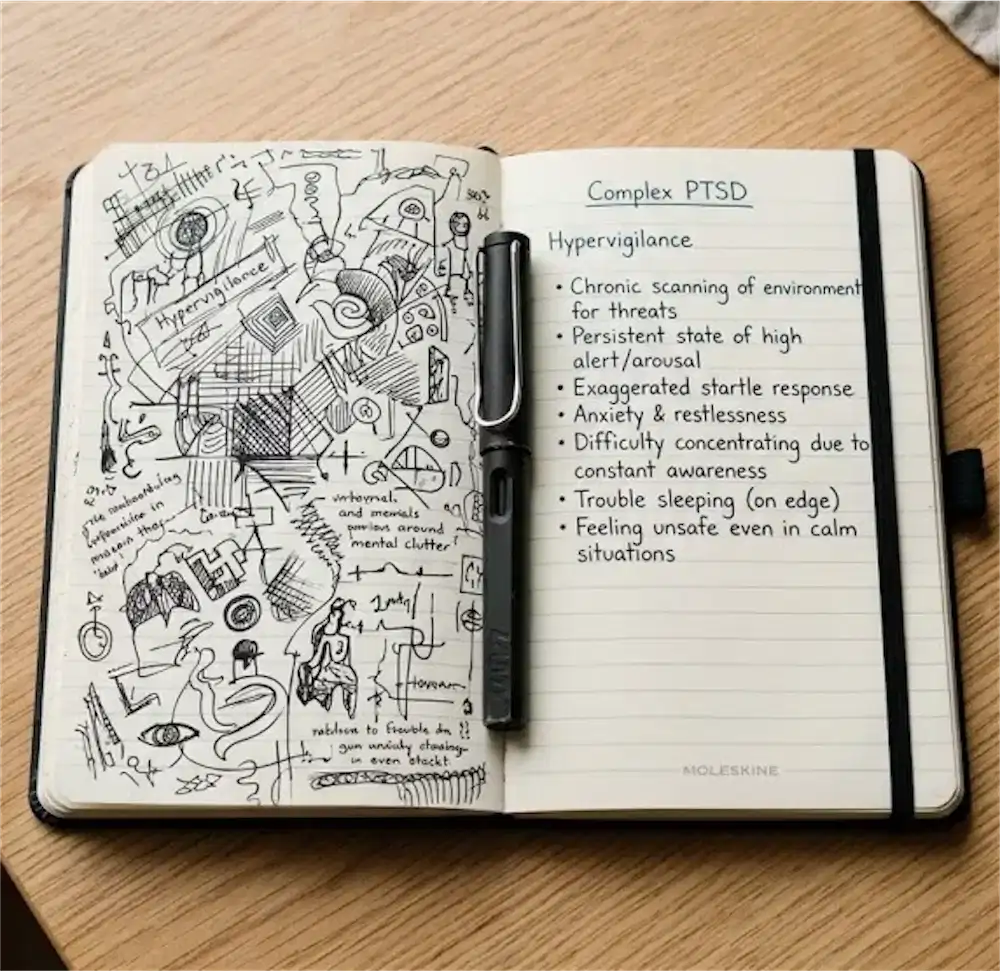
I didn’t choose to develop hypervigilance, trust issues, or the tendency to fawn when someone raised their voice. Those were adaptations I developed to survive 12 years of chaos. The relationship changed me in ways I resented.
But recovery gave me agency again. I chose therapy. I chose to block his number. I chose to start journaling every morning. Every small decision to prioritize my healing was an act of reclaiming control over my own story.
This quote reminds me that while I can’t undo what happened, I’m not powerless going forward. Healing isn’t passive. It’s deliberate, sometimes uncomfortable work. But it’s work you get to choose.
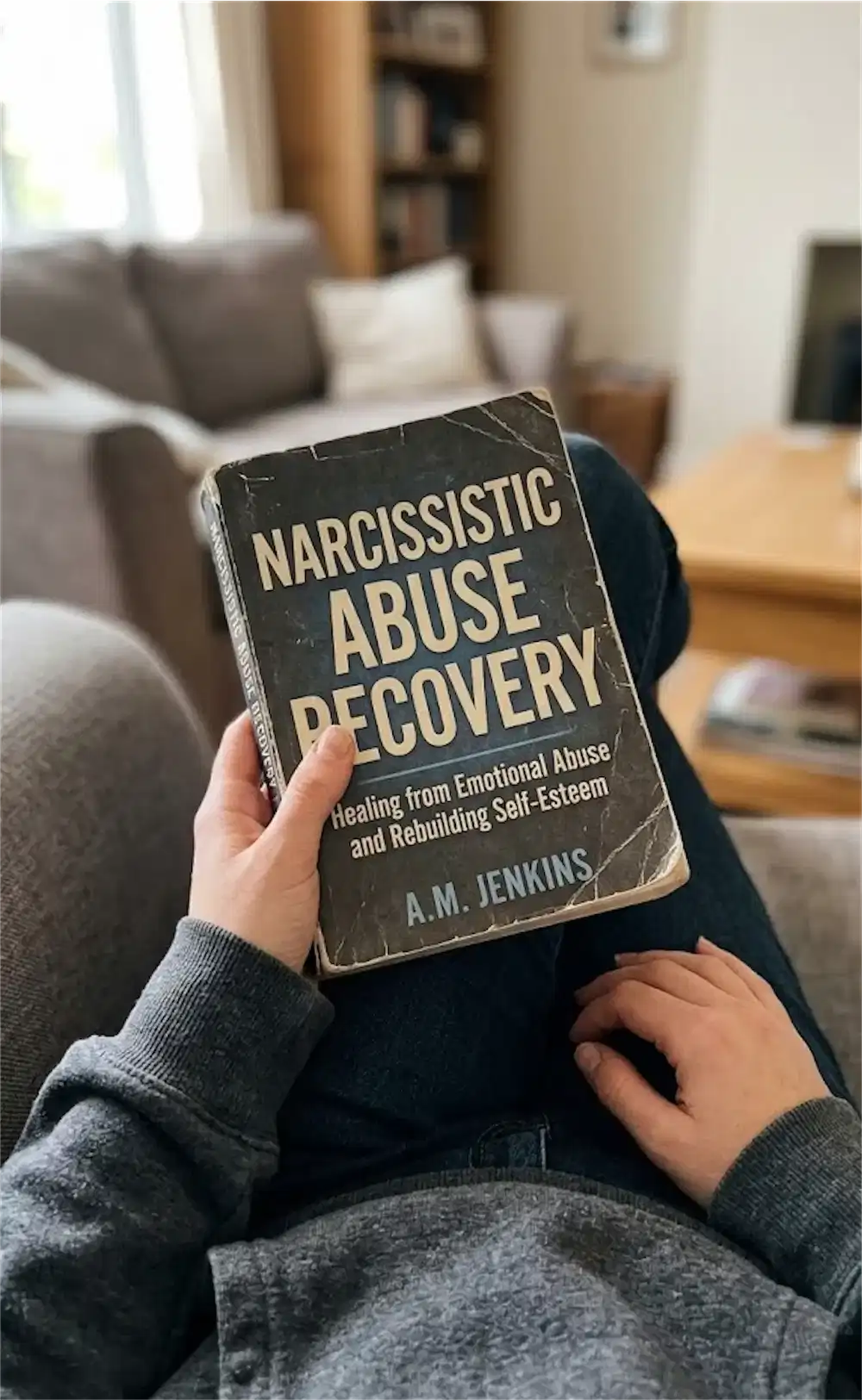
Quote 4: “You’re not required to set yourself on fire to keep others warm”
Codependency was my normal for over a decade. I measured my worth by how well I managed his emotions, anticipated his needs, and sacrificed my own boundaries to avoid conflict. The idea that I didn’t owe anyone my emotional labor felt revolutionary and terrifying.
This quote challenged the belief system I’d built my entire identity around. No, I didn’t have to answer every call. No, I didn’t have to explain my boundaries 47 times. No, I didn’t have to stay in relationships that drained me just because someone said they “needed” me.
Learning to prioritize my own emotional safety without drowning in guilt took months. Books on codependency helped me understand that setting boundaries wasn’t selfish. It was survival.
Quote 5: “Sometimes the person you’d take a bullet for is the one behind the trigger”
This one still makes me uncomfortable because it’s so accurate. I would have done anything for my ex. I defended him to friends who saw through his charm. I made excuses for behavior that would have sent me running if I’d witnessed it happening to someone else.
The cognitive dissonance of loving someone who actively hurt me was the hardest part of recovery. How do you reconcile years of devotion with the reality that the person you loved most also caused your deepest wounds?
This quote doesn’t provide answers, but it validates the painful truth. Sometimes the people we’d sacrifice everything for are the ones hurting us. Accepting that doesn’t make you bitter. It makes you honest.
Quote 6: “Healing doesn’t mean the damage never existed. It means it no longer controls you”
I used to think recovery meant getting back to who I was before the relationship. That version of myself—carefree, trusting, optimistic—felt gone forever. The grief of losing not just the relationship but also my former self was overwhelming.
This quote reframed what healing actually looks like. I’ll always carry the impact of those 12 years. Certain songs still make me tense. I still have moments where someone’s tone triggers an old fear response. But those reactions don’t run my life anymore.
According to trauma research, recovery isn’t about erasing traumatic memories but changing your relationship to them. You integrate the experience instead of being defined by it. I’m not who I was before, but I’m also not who I was during. I’m someone new who learned hard lessons and survived.

Quote 7: “You’re allowed to outgrow people who didn’t grow with you”
After my breakup, I lost more than just my partner. I lost mutual friends who didn’t want to “pick sides.” I distanced myself from family members who kept asking when I’d “get over it already.” I even stopped talking to people who’d known me during the relationship but never once asked if I was okay.
This quote gave me permission to let those connections fade without guilt. Not everyone deserves access to the new version of you. Some relationships were only sustainable when you were small, compliant, and not asking difficult questions.
Outgrowing people hurts. But staying stuck in relationships that no longer serve you hurts worse. I built a smaller, healthier circle of people who actually show up. Quality over history every time.
Quote 8: “The only way out is through”
I wanted shortcuts. I wanted a book, a therapist, or a method that would make the pain stop immediately. Instead, I got months of feeling everything I’d suppressed for over a decade. Anger. Grief. Shame. Loneliness so thick I could barely breathe through it.
This quote became my reluctant mantra during the worst months. There’s no bypass around grief. You can numb it with distractions, substances, or immediately jumping into another relationship. But eventually, you have to sit with the hurt and let it move through you.
I cried more in the first six months post-breakup than I had in the entire relationship. But on the other side of that grief was clarity I’d never experienced. The only way out really is through. No exceptions.
Quote 9: “You deserve the love you keep trying to give everyone else”
I was excellent at loving other people. I remembered birthdays, noticed small changes in mood, showed up when friends needed support. But turning that same energy toward myself felt foreign and selfish.
This quote confronted my double standard. Why was I worthy of love only when I earned it through service? Why did everyone else deserve patience and grace, but I needed to be perfect?
Learning self-compassion felt awkward at first. I started small. Buying myself flowers. Taking baths without guilt. Speaking to myself like I would a close friend. Using tools like a self-care journal helped me track moments when I chose myself without apology. Slowly, treating myself with kindness became less weird and more necessary.
Quote 10: “Your value doesn’t decrease based on someone’s inability to see your worth”
My ex spent years convincing me I was difficult, overly emotional, and lucky anyone tolerated me. I believed him. When he discarded me for someone else, it confirmed every insecurity he’d planted.
This quote broke that spell. His inability to value me was about his limitations, not my worth. A colorblind person can’t see red, but that doesn’t mean red stops existing. Someone with narcissistic traits can’t offer genuine intimacy, but that doesn’t mean you’re unlovable.
I wrote this quote on index cards and left them everywhere. My car. My wallet. Taped to my laptop. On days when I felt worthless, these words reminded me that his perception was never the truth.
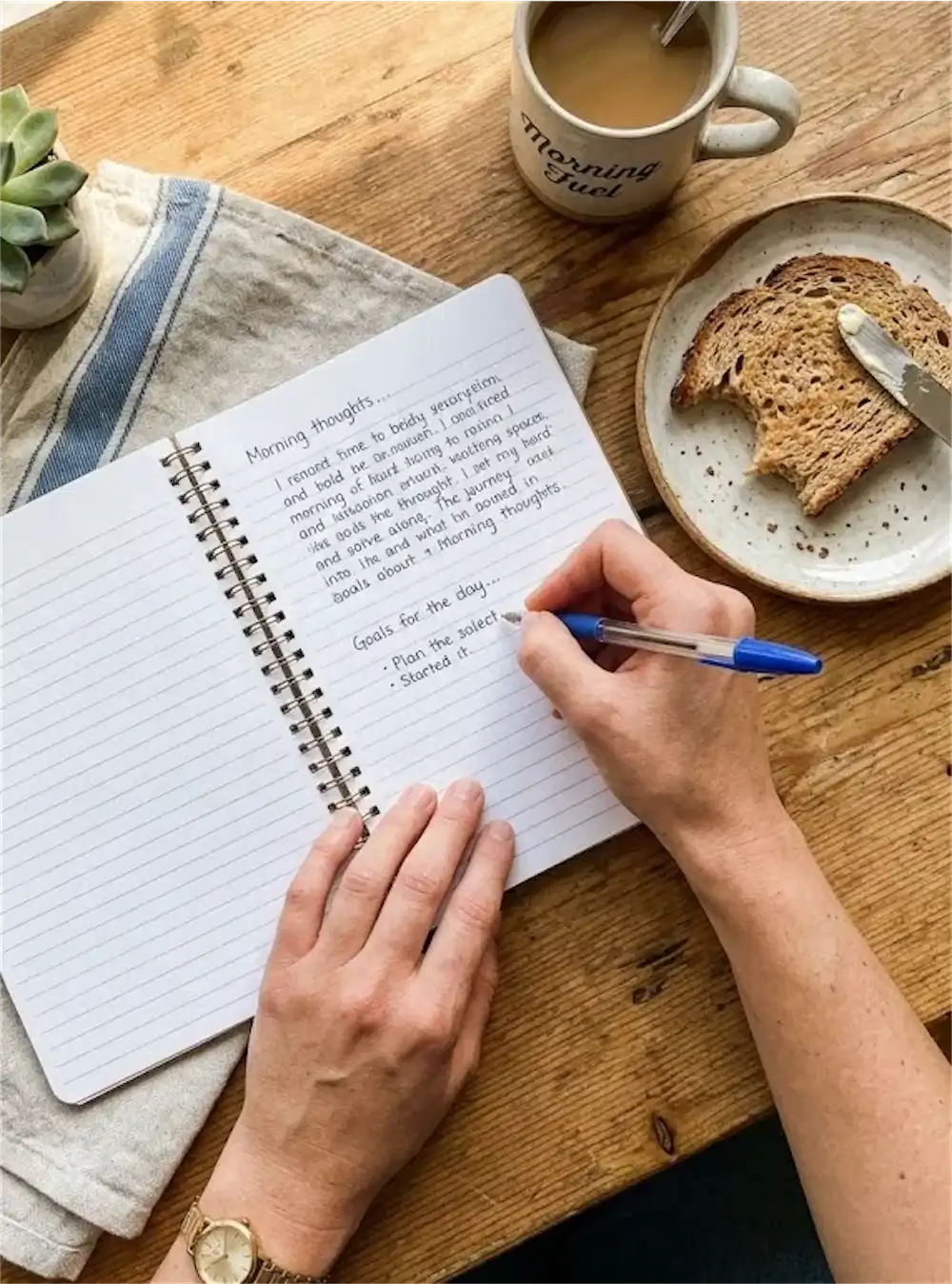
How to Actually Use Quotes in Your Recovery (Not Just Read Them)
Scrolling through inspirational quotes on Instagram didn’t heal me. What helped was integrating them into my daily life intentionally. Here’s what worked when I was in the thick of recovery:
- Write them by hand: I kept a dedicated section in my journal for quotes that hit differently. The physical act of writing slowed me down enough to absorb the meaning instead of just consuming content.
- Pick one per week: I’d choose a single quote and focus on it for seven days. Mirror. Phone background. Sticky note on my coffee maker. Repetition made it sink in deeper than collecting hundreds I’d immediately forget.
- Question them: I’d write responses. “Do I actually believe this?” “What would change if I acted like this was true?” Sometimes I disagreed. That was valuable too.
- Share them carefully: I only shared quotes with people who understood my situation. My therapist. My best friend who’d been through similar trauma. Not on social media where my ex could see.
Quotes work best alongside real recovery work. They’re not a replacement for therapy, structured routines, or addressing the trauma bond itself. Think of them as emotional bookmarks reminding you of truths you’re learning to believe.
When Quotes Feel Empty (And What to Do Instead)
There were days when even my favorite quotes felt like meaningless platitudes. When I was sobbing on the bathroom floor, “healing isn’t linear” didn’t comfort me. It just made me angry.
If quotes feel hollow right now, that’s okay. You might be in a stage of recovery where you need concrete action more than words. Maybe you need to finally block that number. Maybe you need to cry without trying to make it meaningful. Maybe you need to watch trash TV and eat cereal for dinner without any personal growth attached.
Recovery isn’t always profound. Sometimes it’s just surviving Tuesday. Come back to quotes when you’re ready. They’ll still be here.
The Quote That Didn’t Make the List (But Probably Should Have)
“You didn’t lose them. You lost the person you thought they were.” That one still stings because it’s so accurate. The version of my ex I fell in love with was a performance. The person I grieved for two years wasn’t real.
Accepting that meant letting go twice. Once of the relationship, and again of the fantasy I’d built around who he could be “if he just tried harder” or “got the right help.” That second grief was worse than the breakup itself.
I didn’t include it in the main list because honestly, I’m still working on fully believing it. Some truths take longer to integrate than others.
Final Thoughts From Someone Who’s Been There
Quotes didn’t save me from narcissistic abuse. Therapy, boundaries, no contact, and rebuilding my life from scratch did that. But quotes gave me language for experiences I couldn’t articulate yet. They validated feelings I’d been told were irrational. They reminded me I wasn’t alone when isolation felt absolute.
If you’re reading this while still in the relationship, secretly hoping these quotes will inspire you to leave—they won’t. Leaving happens when the pain of staying finally outweighs the fear of going. But when you’re ready, these words might help you trust that decision.
If you’re months or years into recovery and still struggling, these quotes can remind you that healing isn’t a straight line. You’re not failing because you’re not “over it” yet. You’re doing the slow, unglamorous work of rebuilding a self that was systematically dismantled.
Save the quotes that resonate. Ignore the ones that don’t. And remember that your recovery doesn’t need to look like anyone else’s. You’re doing better than you think.
Recommended Resources for Deeper Recovery
Quotes are a starting point, but sustained healing needs more support. These resources helped me move from surviving to actually rebuilding:
- Whole Again by Jackson MacKenzie – This book goes beyond surface-level advice and addresses the specific attachment wounds that make you vulnerable to narcissistic abuse in the first place.
- Guided trauma recovery journals – Structured prompts help when you don’t know where to start processing everything.
- Affirmation card decks – I kept a set by my bed and pulled one each morning as part of my routine. Physical cards worked better for me than phone apps.
Recovery takes time, resources, and a willingness to sit with uncomfortable truths. But you’re already here, reading this, looking for tools. That means you’re further along than you realize.

Meet Your Guide
Helen Brooks
After surviving a 12-year NPD/BPD relationship, I dedicated over a decade to studying trauma bonding and nervous system recovery. My mission is to help you break free from the fog and reclaim your authentic self.
Ready to break the trauma bond and reclaim your life?