11 Micro-Habits That Help You Stop Thinking About a Narcissistic Ex
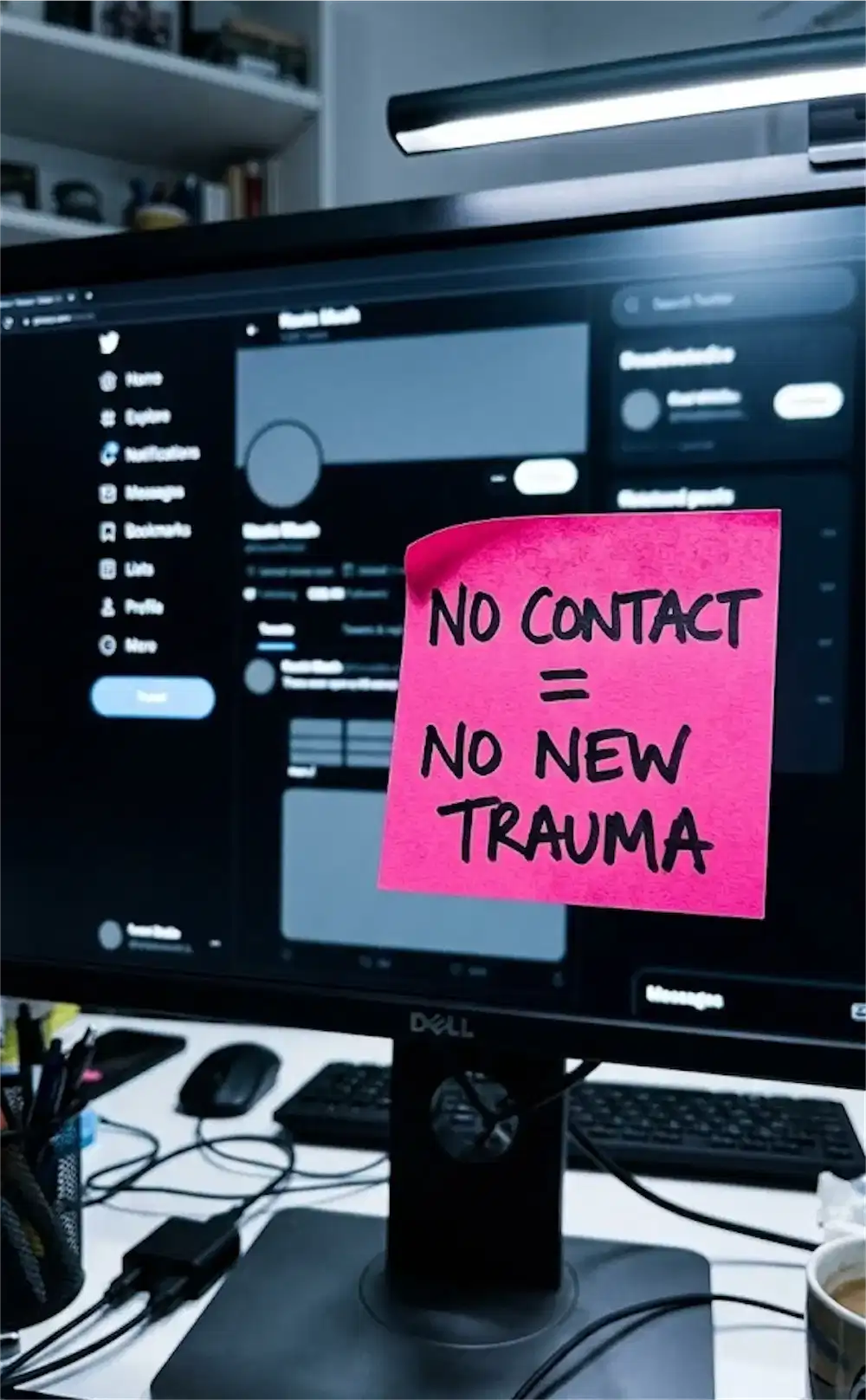
For the first six months after leaving, I thought about him every three minutes. I checked his social media. I replayed conversations. I imagined him with someone new. I analyzed every moment of our 12 years together, searching for clues I’d missed, wondering if I’d made a mistake.
The obsessive thinking was worse than the relationship itself. My brain was stuck in a loop, and no matter how hard I tried to “just stop thinking about him,” I couldn’t. Big interventions didn’t work. Willpower didn’t work. Telling myself to move on didn’t work.
What finally worked were micro-habits. Tiny, almost ridiculous actions I could do in under two minutes. Things so small they didn’t trigger resistance, but repeated enough times that they slowly rewired my brain.
Research from Stanford University’s Behavior Design Lab shows that lasting behavior change happens through small actions, not massive overhauls. When you’re recovering from narcissistic abuse and your nervous system is dysregulated, small is all you can manage anyway.
These 11 micro-habits aren’t glamorous. They won’t fix you overnight. But they’ll give you something to do when the obsessive thoughts start, and over time, they’ll create enough mental space for actual healing to happen.
Why Your Brain Can’t Stop Thinking About Your Narcissistic Ex

Before I tell you what worked, you need to understand why you can’t just “stop thinking” about them. It’s not weakness. It’s neuroscience.
When you’re in a relationship with a narcissist, your brain gets flooded with intermittent reinforcement. Sometimes they’re wonderful, sometimes they’re cruel, and you never know which version you’ll get. This unpredictability creates the same neural patterns as gambling addiction.
Your brain releases dopamine when you get a “win” (a kind word, a moment of affection, a glimpse of the person you fell in love with). That dopamine hit is so powerful after periods of withdrawal that it overrides logic. You become addicted to the possibility of getting that feeling again.
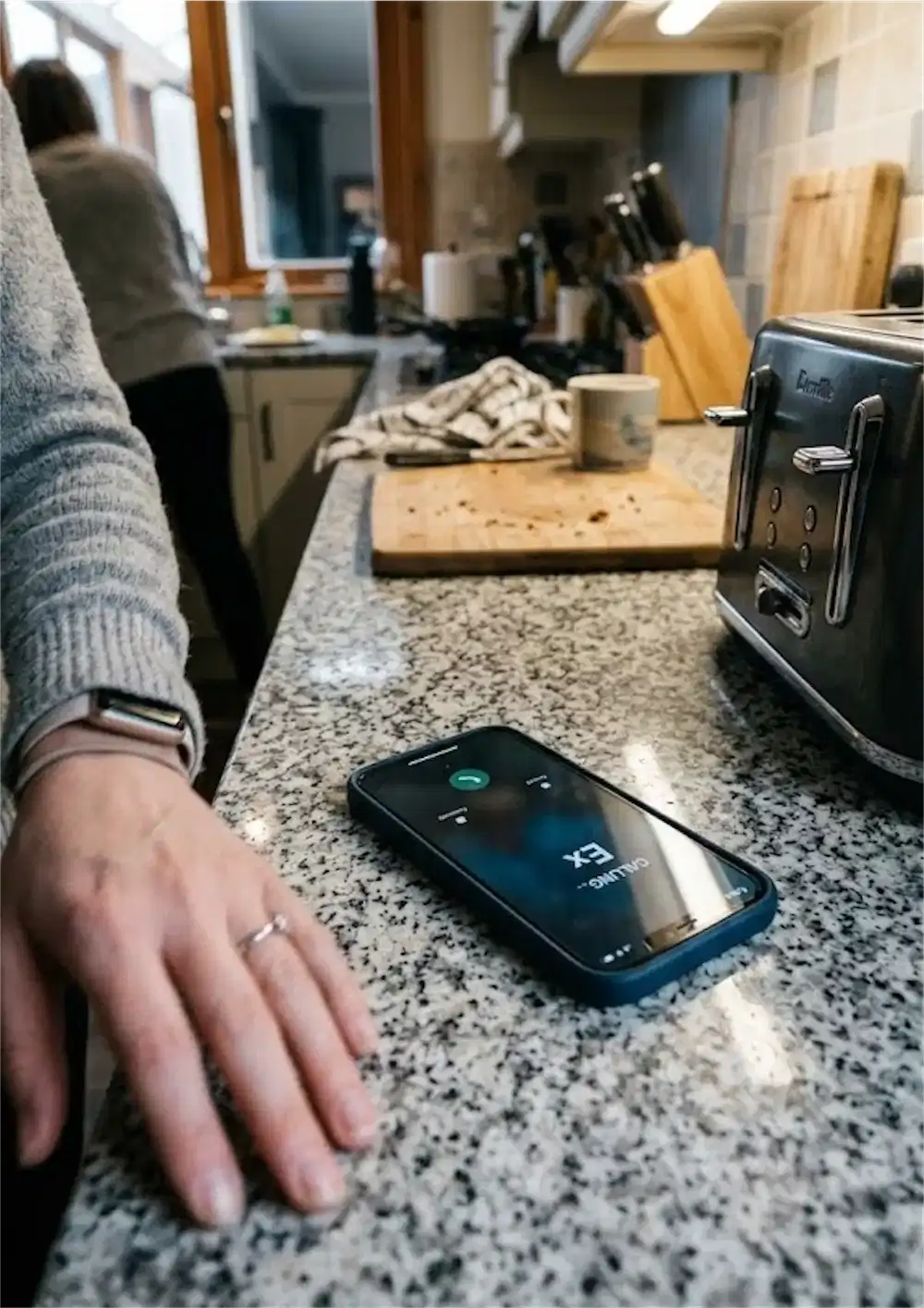
After the relationship ends, your brain is still seeking those dopamine hits. It replays memories. It imagines reconciliation. It stalks social media looking for any sign that might trigger that familiar rush. This isn’t you being pathetic. This is trauma bonding, and it’s a real physiological process.
The obsessive thinking serves another purpose too: it keeps you from feeling the grief, anger, and emptiness underneath. As long as you’re thinking about them, analyzing them, or hoping they’ll change, you don’t have to face the reality that you lost 12 years to someone who never truly saw you.
For more on why this happens, read why no contact is the only way to break a trauma bond.
Micro-Habit #1: The 60-Second Phone Check Redirect
Every time I picked up my phone to check his social media (which was 40+ times a day in the beginning), I made myself do one other thing first. Just one. For 60 seconds.
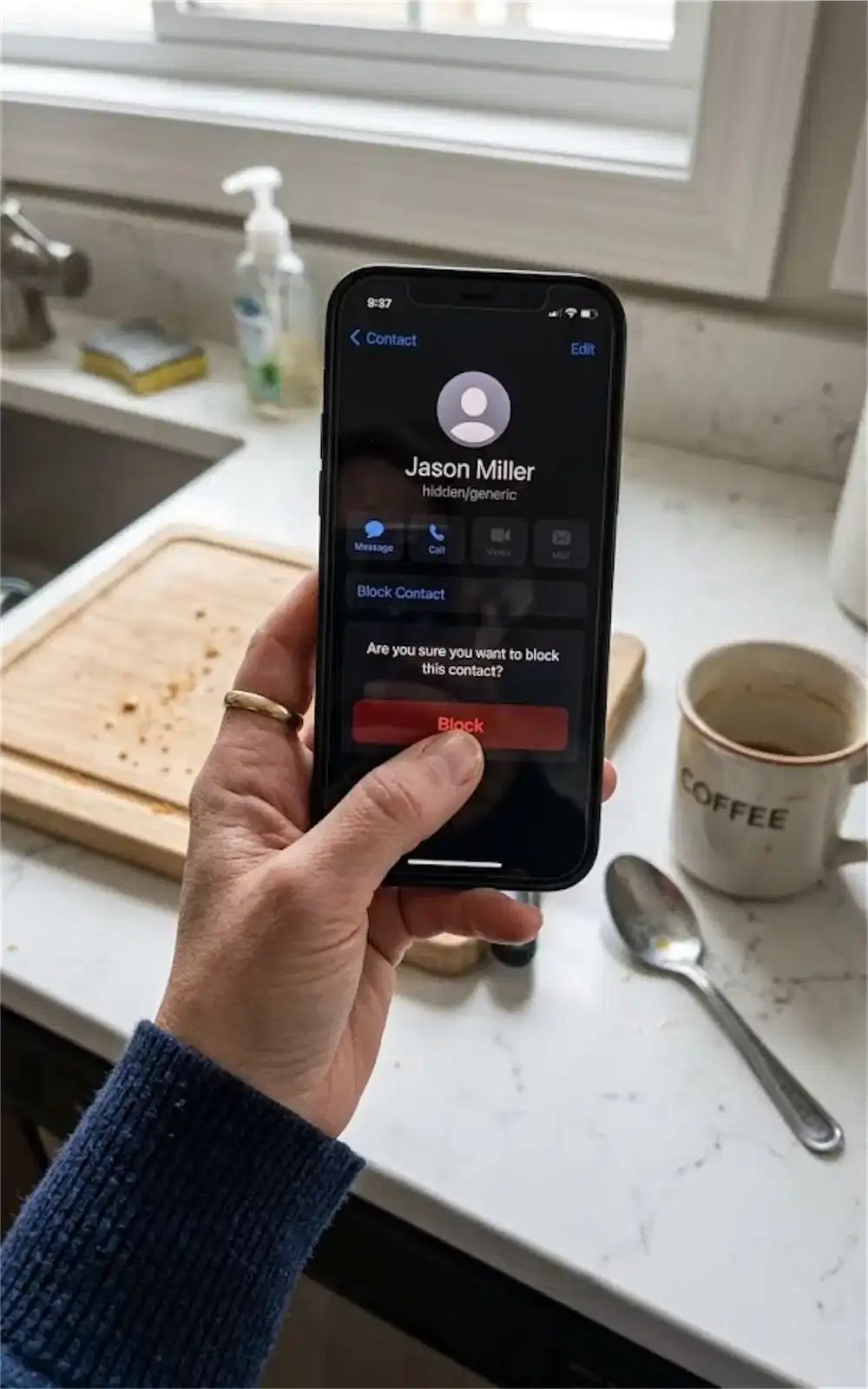
I didn’t try to stop picking up my phone. I didn’t block him yet. I didn’t shame myself. I just added a speed bump.
My 60-second redirects:
- Open a meditation app and breathe for one minute
- Text a friend something unrelated to him
- Read one page of a recovery book
- Do 10 jumping jacks
- Write one sentence in my journal
Half the time, after the 60 seconds, I still checked his profile. But sometimes I didn’t. And those “sometimes” added up. Within three weeks, I’d reduced my stalking by 60% without relying on willpower alone.
A phone lock box with a timer can help make this redirect automatic if you struggle with impulse control.
Micro-Habit #2: Morning Pages (Just Three Sentences)

I know you’ve heard about journaling. Everyone recommends it. But when you’re emotionally destroyed, the idea of journaling for 30 minutes feels impossible.
So I didn’t. I wrote three sentences every morning. That’s it.
Not three pages like Julia Cameron recommends in The Artist’s Way. Just three sentences. Sometimes they were profound. Usually they were something like:
- “I’m tired. I miss him. I hate that I miss him.”
- “Slept badly. Dreamed about him again. I want this to stop.”
- “Feeling a bit better today. Didn’t check his Instagram until noon. Progress.”
The point wasn’t insight. The point was externalizing the obsessive thoughts so they weren’t just looping in my head. Once they were on paper, they had less power.
After about two months of three-sentence mornings, I naturally started writing more. But I never forced it. The habit stuck because it was small enough not to trigger resistance.
For prompts that helped me process the obsessive thinking, check out these journaling prompts for post-narcissist breakup.
A simple morning pages journal made this easier to stick to.
Micro-Habit #3: The “5-4-3-2-1” Grounding When Thoughts Spiral
When the obsessive thoughts got really bad (imagining him with someone else, replaying fights, wondering if I’d made a mistake), my therapist taught me a grounding technique that takes less than two minutes.
Name out loud:
- 5 things you can see
- 4 things you can touch
- 3 things you can hear
- 2 things you can smell
- 1 thing you can taste
This sounds too simple to work, but it does. It interrupts the thought spiral by forcing your brain into the present moment. You can’t be fully in your head obsessing about him while you’re actively noticing the texture of your sweater or the sound of traffic outside.
I did this probably 10 times a day in the first month. On the subway. In the grocery store. Lying in bed at 3am. It didn’t make the thoughts go away permanently, but it gave me a circuit breaker when they got overwhelming.
Dr. Bessel van der Kolk discusses similar techniques in his research on how trauma survivors can regulate their nervous systems through body-based interventions.
Micro-Habit #4: One Minute of Movement When His Name Pops Into Your Head
I couldn’t run for an hour. I couldn’t do a full yoga class. But I could do one minute of movement.
Every time I caught myself thinking about him, I did something physical for 60 seconds:
- 10 squats
- March in place
- Stretch my arms overhead
- Dance to one song
- Walk to the end of my driveway and back
Physical movement interrupts rumination. When you’re moving, your brain has to coordinate your body, which takes processing power away from the obsessive thought loop.
This micro-habit also helped me rebuild the connection to my body, which I’d completely lost during 12 years of dissociation and walking on eggshells.
For more on how movement helps break trauma bonds, read how exercise helps break trauma bonds.
Micro-Habit #5: The “Not Now” Folder on Your Phone
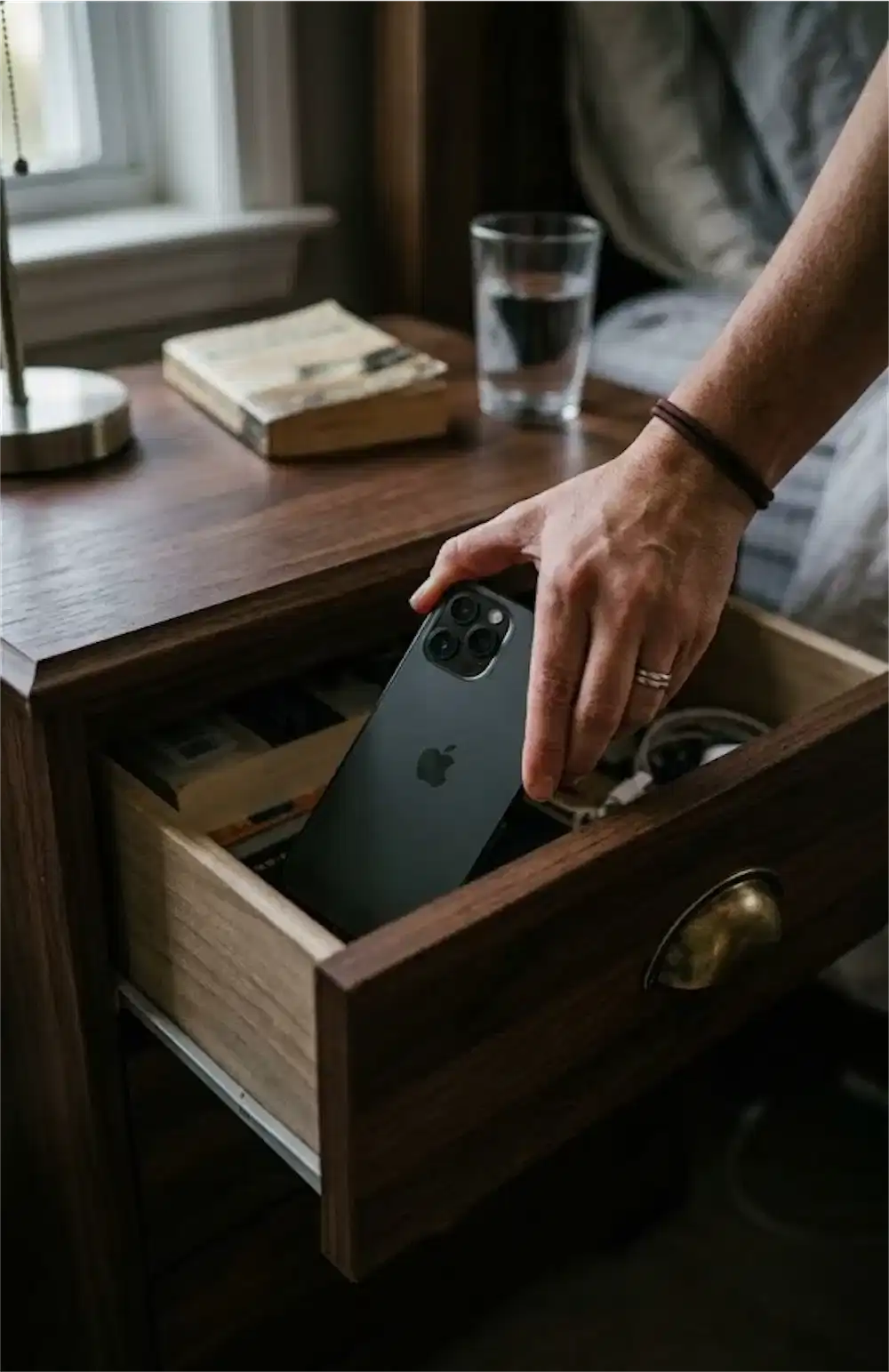
I wasn’t ready to delete all our photos, texts, and screenshots. The idea of losing that “evidence” felt terrifying. What if I needed to remember how bad it was? What if I forgot and went back?
Instead of forcing myself to delete everything, I created a folder on my phone called “Not Now.” I moved everything related to him into it. Photos, screenshots of his cruel texts, old emails, everything.
Then I moved that folder into another folder, so it took three clicks to access instead of one.
I still looked at it sometimes. But the extra clicks gave me a pause, a moment to ask myself: Do I really want to do this? Is this going to help or hurt?
After three months, I looked at it maybe twice. After six months, I deleted it. But I needed those months of “not now” before I could handle “never again.”
For more strategies on this, check out how to stop checking your ex’s social media.
Micro-Habit #6: The Two-Minute “Evidence List” Before Bed
Every night before bed, my brain tried to rewrite history. It showed me highlight reels of the good times. It whispered that maybe it wasn’t that bad. It made me doubt my decision to leave.
So I started keeping an “evidence list” by my bed. Just two minutes before sleep, I’d write down one concrete thing he did that was unacceptable. Not vague feelings. Specific incidents.
- “He screamed at me in the car for 45 minutes because I suggested a different restaurant.”
- “He didn’t speak to me for three days because I went to lunch with my sister.”
- “He told me I was too stupid to understand his work, then mocked me when I cried.”
When the nostalgia or doubt crept in, I’d read this list. It grounded me in reality instead of the fantasy my trauma-bonded brain was creating.
This isn’t about staying angry. It’s about staying honest. A dedicated recovery journal can help you track these patterns over time.
Micro-Habit #7: Interrupt the Fantasy With One True Thing
My brain loved to create fantasies. He’d apologize. He’d go to therapy. He’d become the person I needed. We’d have the relationship I always wanted.
These fantasies felt so real I’d lose hours to them.
The micro-habit that helped: Every time I caught myself in a fantasy, I said one true thing out loud. Just one.
- “He’s had 12 years to change and hasn’t.”
- “He blamed me for his anger every single time.”
- “He promised to go to therapy 47 times and never went.”
- “He told me I was the problem, not him.”
Saying it out loud made it more real than the thought in my head. It interrupted the dopamine hit the fantasy was giving me.
This ties into the false beliefs that keep you stuck in narcissistic relationships.
Micro-Habit #8: The “Thank You, Next” Mantra (Even If You Don’t Believe It)
When a thought about him popped up, instead of fighting it or spiraling into it, I started saying (out loud or in my head): “Thank you, next.”
I didn’t feel grateful. I wasn’t ready to move on. But the phrase gave me something to do with the thought instead of wrestling with it.
Thought: “I wonder if he misses me.”
Response: “Thank you, next.”
Thought: “Maybe if I’d been more patient, we could have worked.”
Response: “Thank you, next.”
It sounds ridiculous, but it worked because it didn’t require me to believe anything or argue with myself. It was just a redirect. A gentle “I see you, thought, but we’re not doing this right now.”
Using affirmations for emotional regulation can support this practice.
Micro-Habit #9: One Podcast Episode on Narcissism Per Week
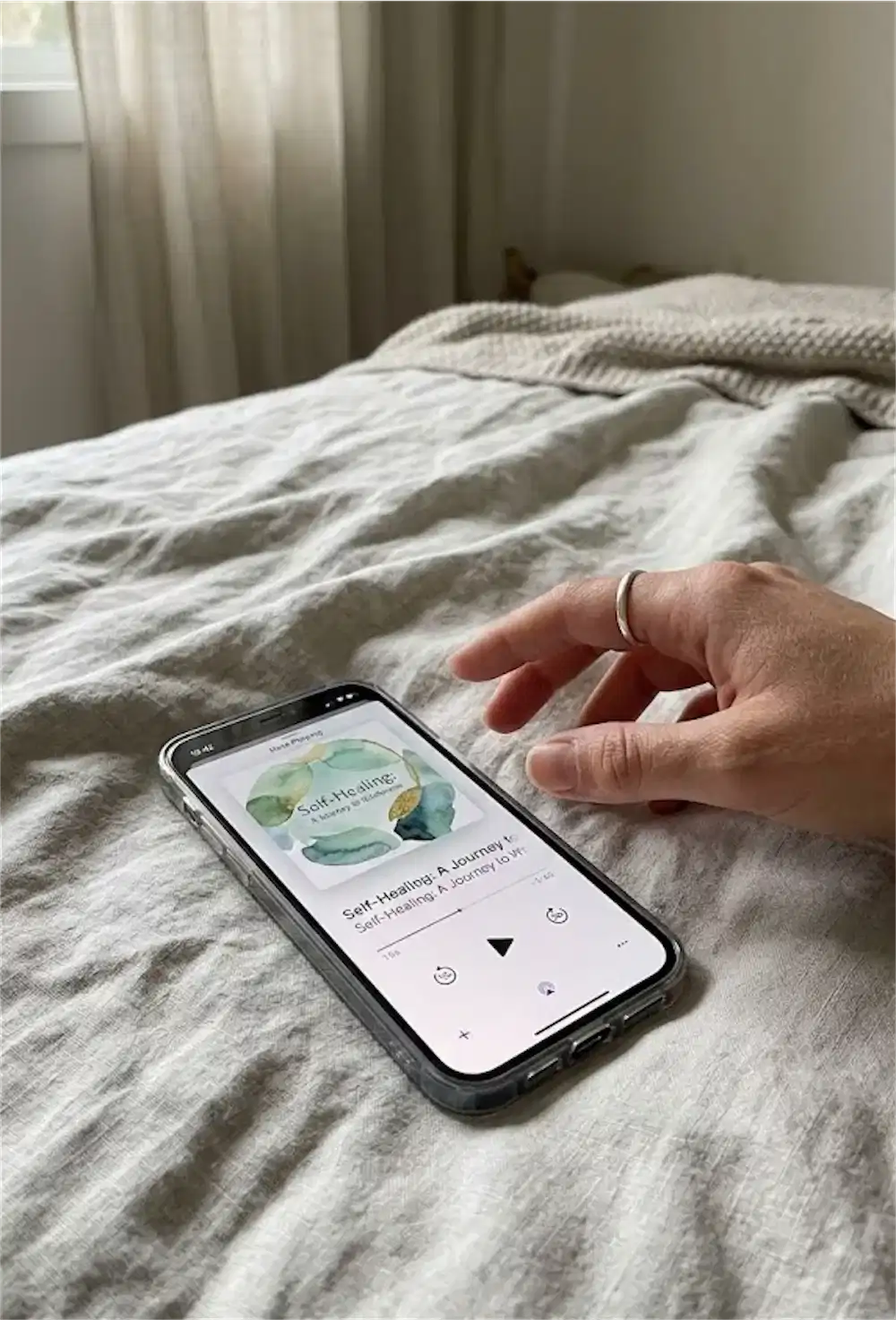
I couldn’t read books in the early months. My concentration was shot. But I could listen to podcasts while washing dishes or folding laundry.
I committed to one episode per week. Just one. Something from a therapist or survivor who understood narcissistic abuse.
This kept me educated without overwhelming me. Every episode gave me new language for what I’d experienced, which made it easier to separate reality from the gaslighting still echoing in my head.
Good podcasts to start with:
- Navigating Narcissism with Dr. Ramani
- Narcissist Apocalypse
- Healing from Narcissistic Abuse
A pair of noise-canceling earbuds made it easier to listen without distraction.
Micro-Habit #10: The “He’s Not Special” Reality Check
Part of why I couldn’t stop thinking about him was because my brain had made him special. Unique. Irreplaceable. The only person who could ever understand me.
That’s what trauma bonding does. It makes the abuser feel like your only source of connection, even when they’re also your source of pain.
So I started a micro-habit: Every time I caught myself thinking he was special or different, I reminded myself of one way he was completely predictable and textbook narcissistic.
- He love bombed me in the beginning (just like every narcissist)
- He isolated me from friends (just like every narcissist)
- He blamed me for his reactions (just like every narcissist)
- He hoovered when I tried to leave (just like every narcissist)
This wasn’t about hating him. It was about removing the pedestal. He wasn’t a complex mystery I needed to solve. He was a predictable pattern I needed to escape.
Reading the lessons from my 12 years with a narcissist helped me see these patterns clearly.
Micro-Habit #11: Five Minutes of Future Visualization Before Sleep
My brain was obsessed with the past and paralyzed by the present. The future felt blank and terrifying.
So I started spending five minutes before sleep visualizing a future without him. Not a dramatic new life. Just small, specific moments:
- Waking up without anxiety
- Having coffee with a friend and laughing genuinely
- Spending a Saturday doing what I wanted without checking in
- Meeting someone who asked about my day and actually listened
- Feeling excited about my own life instead of managing someone else’s mood
At first, these visualizations felt impossible. I couldn’t imagine a life where I wasn’t thinking about him. But I did it anyway, even when I didn’t believe it.
After a few months, the visualizations started feeling less like fantasy and more like possibility. After a year, they started feeling like memory, because I was actually living them.
For more on building a new life, check out these self-healing tips for narcissistic abuse survivors.
Why Micro-Habits Work When Everything Else Fails
When you’re recovering from narcissistic abuse, your nervous system is fried. Your brain is foggy. Your willpower is nonexistent. You’re running on fumes.
Grand plans fail because they require resources you don’t have. Micro-habits work because they require almost nothing.
You can’t journal for an hour, but you can write three sentences. You can’t meditate for 20 minutes, but you can do the 5-4-3-2-1 grounding for two minutes. You can’t stop thinking about him completely, but you can redirect one thought at a time.
These tiny actions add up. Not in days or weeks, but over months. And one day, you’ll realize you went three hours without thinking about him. Then half a day. Then a full day.
The obsessive thinking doesn’t disappear overnight. But it fades. And in the space it leaves behind, you start to find yourself again.
What to Do When the Habits Stop Working
Some days, none of these habits will help. You’ll try them all and still spend eight hours mentally replaying your relationship or checking his social media.
That’s normal. Recovery isn’t linear.
On those days, don’t beat yourself up. Don’t decide the habits are useless. Don’t spiral into shame about “doing it wrong.”
Just start again the next day. The point isn’t perfection. It’s repetition. Every time you do one of these micro-habits, even if it doesn’t “work” in that moment, you’re training your brain in a new direction.
I had hundreds of days where I “failed” at these habits. But I kept doing them anyway. And eventually, they became automatic. My brain started redirecting without me having to think about it.
For support during the hard days, explore nighttime habits that regulate your nervous system.
Your Brain Can Heal (Even When It Doesn’t Feel Like It)
Eighteen months after leaving, I went three full days without thinking about him. When I realized it, I cried.
Not because I missed him. Because I’d genuinely believed that day would never come. I thought I’d be stuck in the obsessive thinking forever, that my brain was permanently broken.
It wasn’t. Yours isn’t either.
The obsessive thinking is a symptom of trauma bonding, not a character flaw. Your brain is trying to make sense of something that doesn’t make sense. It’s seeking closure from someone who will never provide it. It’s replaying the relationship looking for the moment you could have fixed it.
But you can’t fix a narcissist. You can’t make sense of abuse. And you can’t find closure from someone who never saw you as a full person.
What you can do is interrupt the thought loops, one micro-habit at a time. You can give your brain new patterns to follow. You can create tiny moments of relief that eventually become hours, then days, then a whole new life.
These 11 micro-habits aren’t magic. They’re just redirects. Speed bumps. Circuit breakers. But they work, if you keep doing them, even when it feels pointless.
One day, you’ll realize you’re not thinking about him anymore. You’re thinking about what you want for dinner, or a book you’re reading, or a conversation with a friend. Normal, boring, beautiful thoughts that have nothing to do with him.
That day is coming. Start with one micro-habit. Just one. And then do it again tomorrow.
Recommended Resources
Breaking the obsessive thought cycle requires consistent support and the right tools. These resources made a real difference in my recovery:
- Tiny Habits by BJ Fogg – The science behind why small behavior changes work when big ones fail.
- Habit Tracker Journal – Track your micro-habits daily to see your progress over time.
- Stop Caretaking the Borderline or Narcissist by Margalis Fjelstad – Practical strategies for breaking unhealthy thought and behavior patterns.
You can’t control the thoughts that pop into your head. But you can control what you do with them. Start small. Stay consistent. Your brain will follow.

Meet Your Guide
Helen Brooks
After surviving a 12-year NPD/BPD relationship, I dedicated over a decade to studying trauma bonding and nervous system recovery. My mission is to help you break free from the fog and reclaim your authentic self.
Ready to break the trauma bond and reclaim your life?