The Silent Trauma of Emotional Neglect: Healing the Invisible Wounds of Childhood
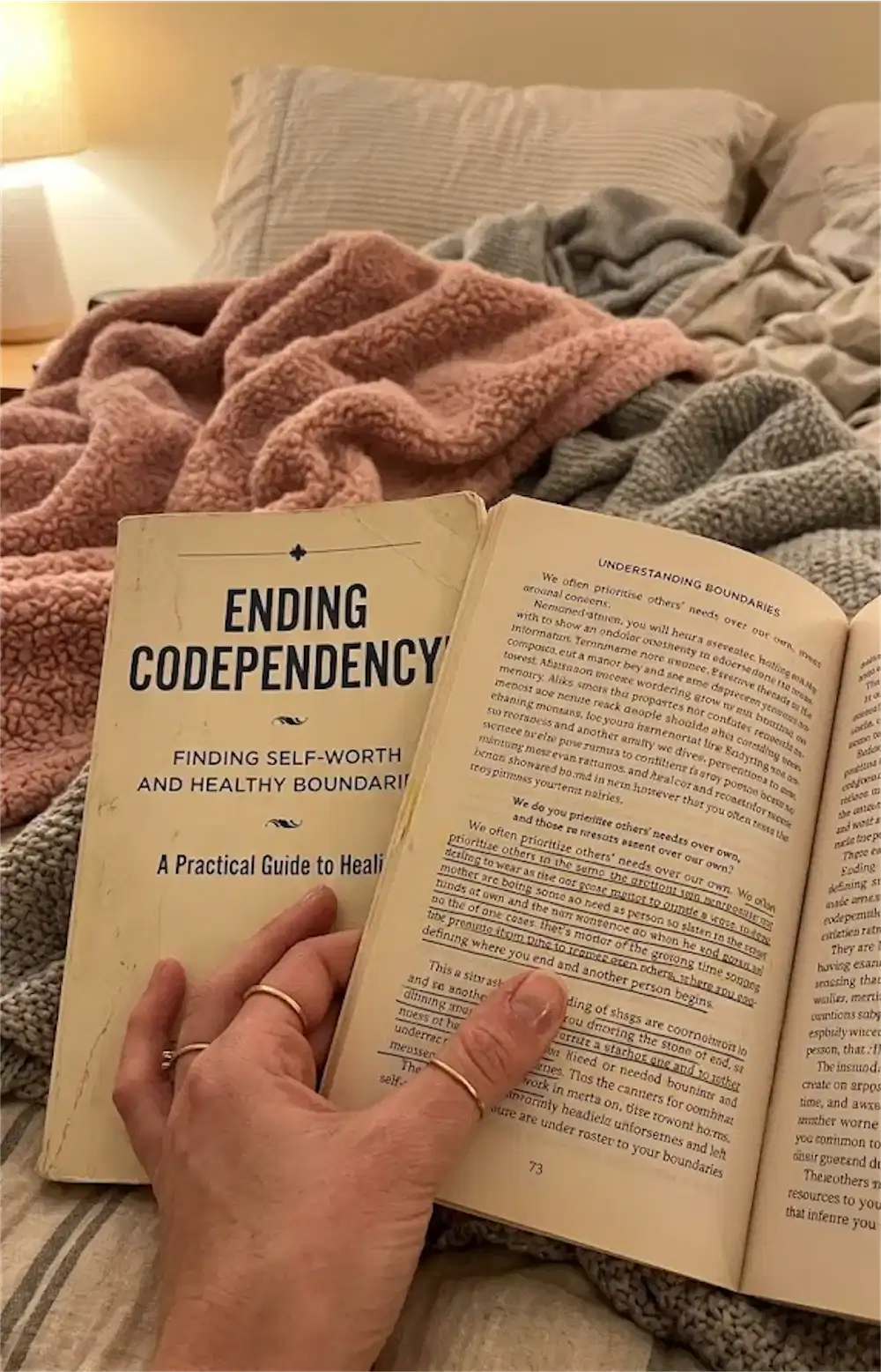
Childhood emotional neglect acts as a quiet, shaping force that leaves adult survivors searching for ways of healing the invisible wounds of childhood while struggling to understand their own worth. When your developmental years are defined by what did not happen, you learn to silence your own voice, making you a target for toxic dynamics later in life. If you have ever found yourself stuck in a painful cycle of over-giving, our Narcissistic Parents Recovery Guide is an invaluable resource to begin unpacking these early relational blueprints.
I spent twelve years in a deeply painful relationship with a partner who displayed severe narcissistic and borderline personality traits. When that relationship crumbled, I was utterly devastated, isolated from my closest friends, completely devoid of hobbies, and convinced that my life was destined to remain miserable. It took years of deep therapeutic work to realize that my tolerate-at-all-costs attitude was actually rooted in the silent trauma of my early years.
How do you identify a wound that is made of nothing? When caregivers ignore your distress or treat your feelings as inconveniences, you do not stop loving them; you stop loving yourself. This profound lack of emotional validation leaves a vacuum that we often try to fill with toxic partners who mirror that early, familiar coldness.
What is Childhood Emotional Neglect and Why Does It Feel Like an Invisible Wound?
Childhood emotional neglect is the ongoing failure of caregivers to notice, attend to, or validate a child’s emotional needs. Unlike active abuse, it is defined by what did not happen, leaving survivors struggling with chronic feelings of emptiness and self-doubt in adulthood.

Think back to your childhood. Did you have food, shelter, and clothes? Many survivors of unseen emotional wounds had their physical needs met, which makes the pain even more confusing. You might look at your past and think you had no right to be unhappy, yet you feel a persistent numbness inside.
In a family system where emotions are ignored, children learn that their inner world is a burden. You learn to hide your sadness, anger, and even your joy to keep the peace. According to research on early adversity by Harvard University’s Center on the Developing Child, chronic neglect can disrupt healthy brain development and lead to persistent anxiety. This lack of emotional mirror-imaging leaves you feeling fundamentally unseen.
This empty space in your childhood home creates a blueprint. You grow up believing that your needs are too much or that they do not matter at all. When you enter the dating world, this belief system acts like a homing signal for manipulative people who are happy to confirm that your needs do not matter.
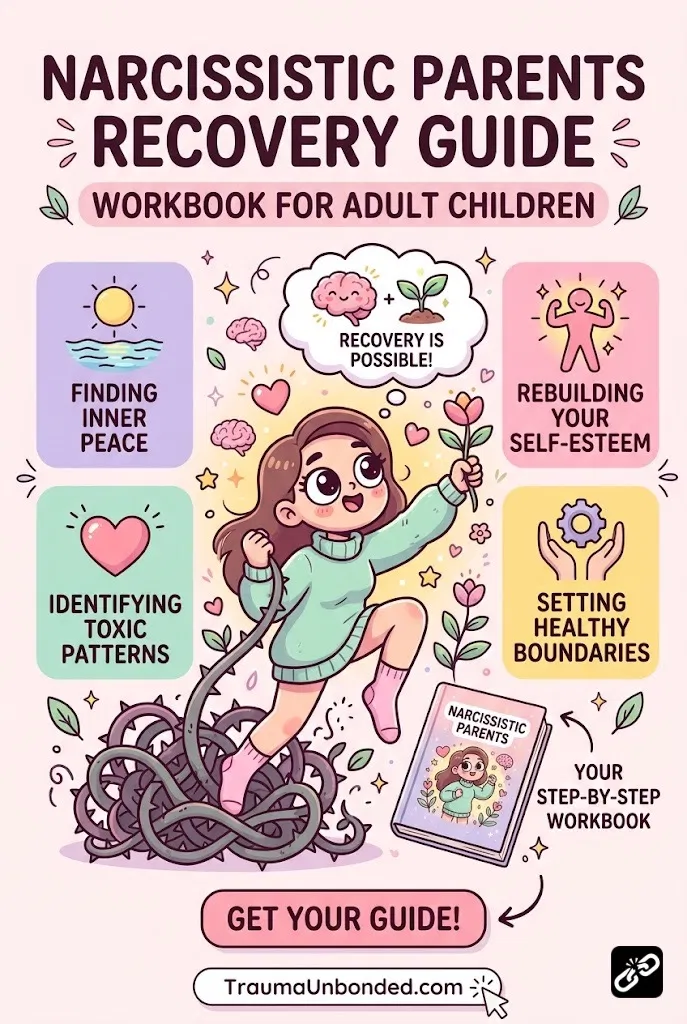
If you grew up feeling invisible, your adult relationships likely reflect that same exhausting dynamic. Breaking this pattern requires a clear road map to rebuild your boundaries and validate your own experiences. To guide you step-by-step through this deeply personal transition, we have developed a specialized resource designed to restore your sense of self and help you navigate the painful legacy of childhood neglect.
How Childhood Dynamics Set the Stage for Toxic Trauma Bonds
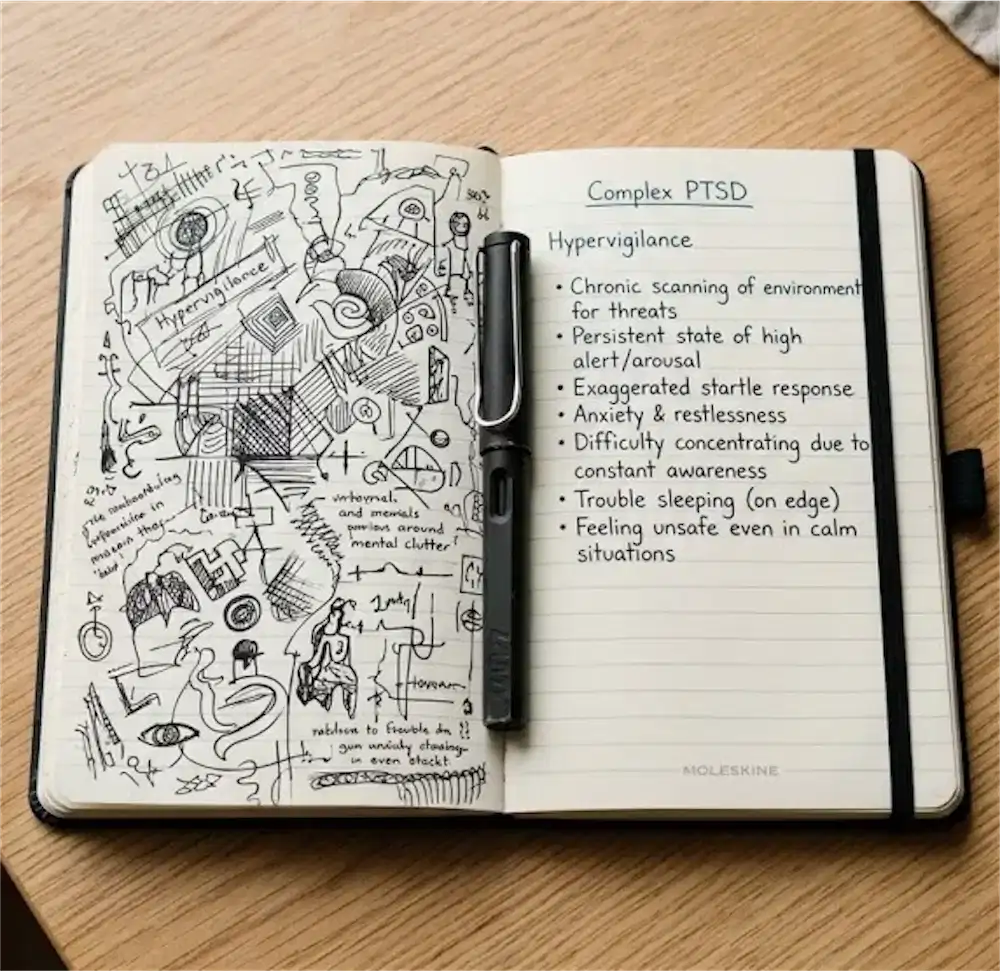
Why did I tolerate twelve years of eggshells, sudden silent treatments, and emotional volatility? The truth is painful but simple: my partner’s behavior was a perfect match for the emotional vacuum I grew up with. When you are starved of emotional connection in your early years, even breadcrumbs of affection feel like a feast.
This dynamic forms the core of how childhood dynamics that attract narcissists operate in our adult lives. If you were taught that love must be earned through performance, caretaking, or quiet submission, you will naturally gravitate toward partners who demand those exact behaviors. You become an expert at reading their moods while completely ignoring your own needs.
We often see this manifest in deep patterns of codependency. You learn to manage the emotional climate of the household just to feel safe, a survival mechanism closely tied to parental enmeshment and its trauma impact. What felt like deep, soulmate-level chemistry in my relationship was actually the familiar tension of trying to win the approval of someone who was emotionally unavailable.
Recognizing the Signs of Childhood Neglect in Your Adult Self
How do these invisible wounds show up in your daily life? Here are a few common signs that indicate you may be carrying the weight of emotional neglect:
- Chronic Self-Doubt: You constantly second-guess your decisions, your memory, and your feelings, wondering if you are simply being “too sensitive.”
- A Feeling of Emptiness: You experience an underlying numbness or a sense that you are watching life happen from behind a pane of glass.
- Fear of Dependency: You find it incredibly difficult to ask for help, believing that relying on others will only lead to disappointment or rejection.
- Extreme People-Pleasing: You compromise your own values and comfort to keep others happy, fearing that showing your true self will cause them to leave.
Reclaiming Your Authentic Self: Steps to Heal the Invisible Wounds
Healing from this invisible baseline is not about blaming your parents; it is about taking radical responsibility for your own emotional recovery. My path out of the fog of a twelve-year toxic partnership started when I finally admitted that I was desperately trying to fix my past through my current relationship. Once I shifted my focus inward, everything began to change.
The first step is learning to identify and name your emotions. When you feel a heavy wave of sadness or a spike of anxiety, do not push it away. Ask yourself: What am I feeling right now, and where is it sitting in my body? Permitting yourself to feel without judgment is the foundation of restoring your self-trust.
Secondly, you must practice setting small boundaries. Say no when you do not have the energy to give. It will feel terrifying at first, and your body might react as if you are in danger, but this is how you retrain your nervous system. Utilizing targeted strategies to overcome codependency and toxic stress will help you stand firm in your choices without the crushing weight of guilt.
Finally, find a creative outlet or a hobby that is purely for you. When I left my relationship, I had no interests left; I had spent a decade focusing entirely on keeping another person stable. Reconnecting with the things that bring you simple joy, whether it is gardening, reading, or solo walks, is how you bring your original, cheerful, and grounded self back to life.
Healing the silent trauma of emotional neglect is a quiet, daily practice of choosing yourself over and over again. You are no longer that helpless child who had to stay quiet to survive, and you do not have to settle for crumbs in your adult relationships. By identifying your early dynamics and treating yourself with compassion, you can reclaim your true identity and build a life of genuine peace. If you are ready to take the next step on this path of recovery, explore our comprehensive Narcissistic Parents Recovery Guide to begin rebuilding your self-worth from the ground up.

Meet Your Guide
Helen Brooks
After surviving a 12-year NPD/BPD relationship, I dedicated over a decade to studying trauma bonding and nervous system recovery. My mission is to help you break free from the fog and reclaim your authentic self.
Ready to break the trauma bond and reclaim your life?