Why You Crave High-Conflict Cycles: Breaking Your Body’s Addiction to Adrenaline and Cortisol
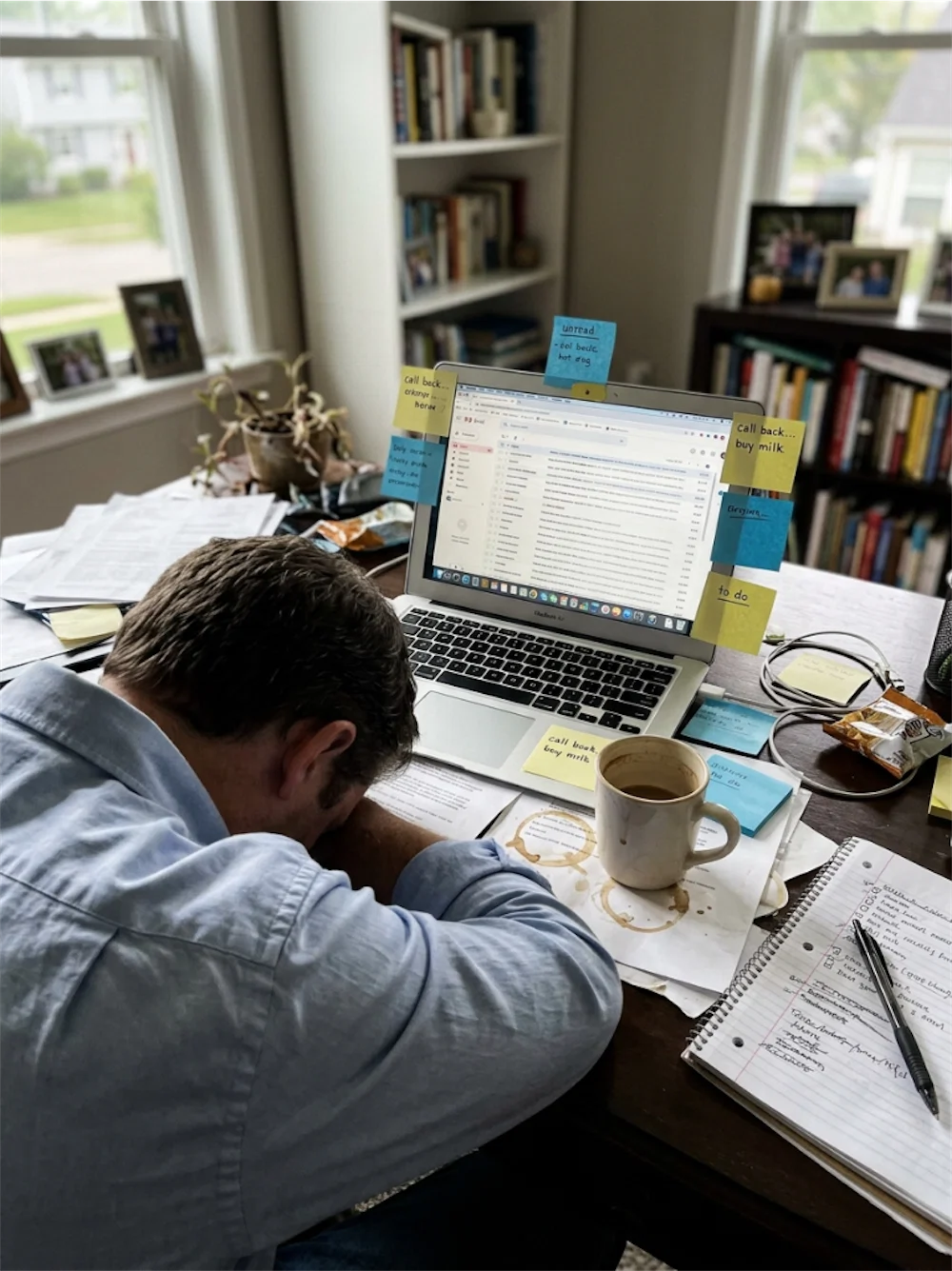
If you find yourself craving high-conflict cycles in your relationships, you are likely dealing with your body’s addiction to adrenaline and cortisol as a result of chronic stress. This physiological trap often stems from a trauma bond biochemical addiction, leaving you feeling stuck in toxic loops with a partner. You might wonder why you keep returning to chaotic situations when all you consciously want is peace.
During my own recovery from a twelve-year relationship with a partner exhibiting both narcissistic and borderline traits, I struggled deeply with this dynamic. I had to use resources like the Mapping the Trauma Bond guide to make sense of why a calm, quiet life felt so terrifying and uncomfortable. My mind wanted safety, but my body was screaming for the next fight because it was used to the chemical spikes.
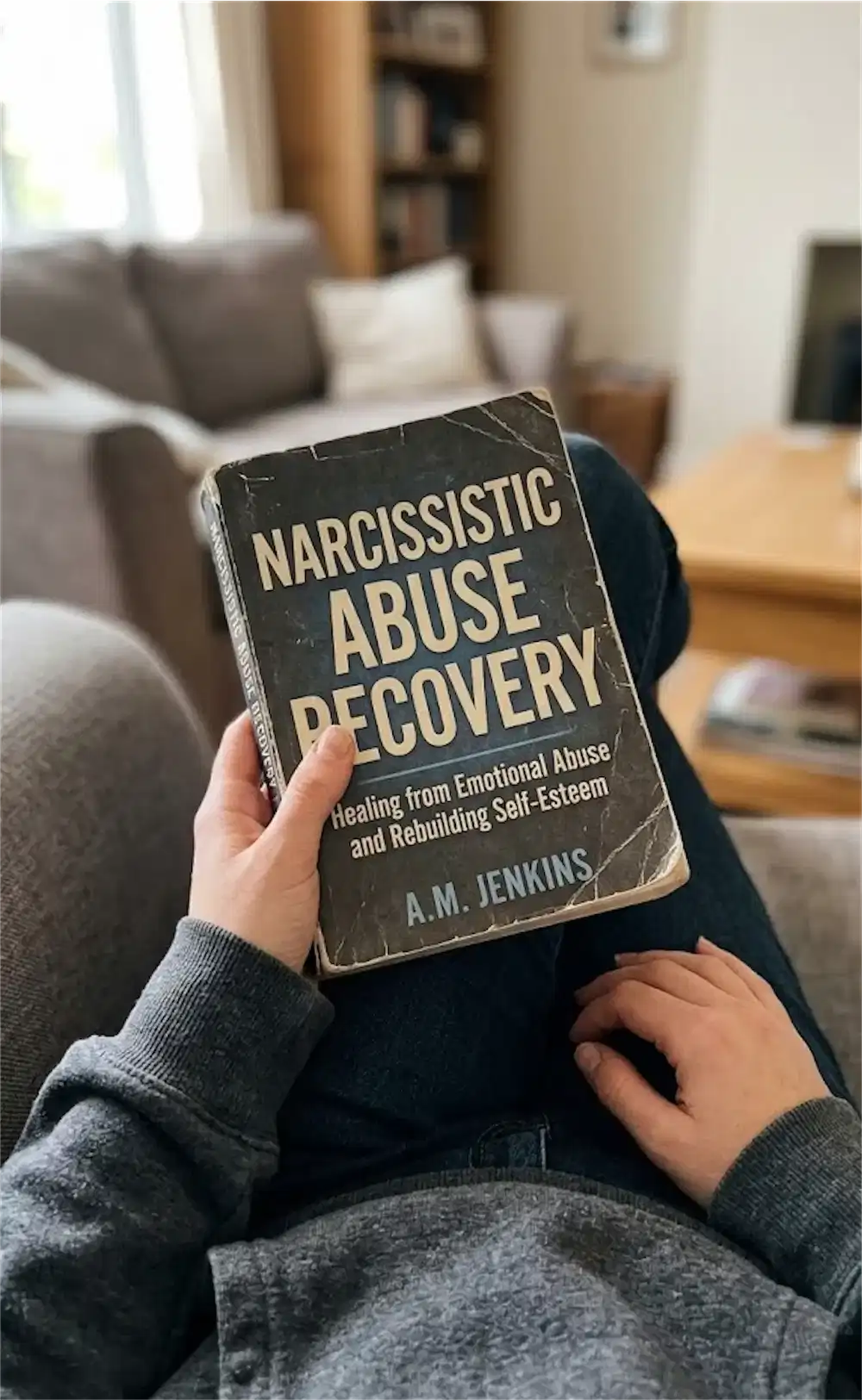
After that relationship ended, I was devastated, isolated from my close friends, devoid of hobbies, and felt my life was completely miserable. It took professional therapy and a deep understanding of codependency to realize that my physical nervous system was actually driving my emotional cravings. Let’s look closely at how this chemical dependency forms and how you can reclaim your original, grounded self.
Why Do We Crave High-Conflict Cycles?
We crave high-conflict cycles because our nervous system becomes habituated to the intense floods of cortisol and adrenaline during chronic relationship stress, causing us to mistake the absence of chaos for danger or abandonment.
How Intermittent Reinforcement Fuels the Cycle
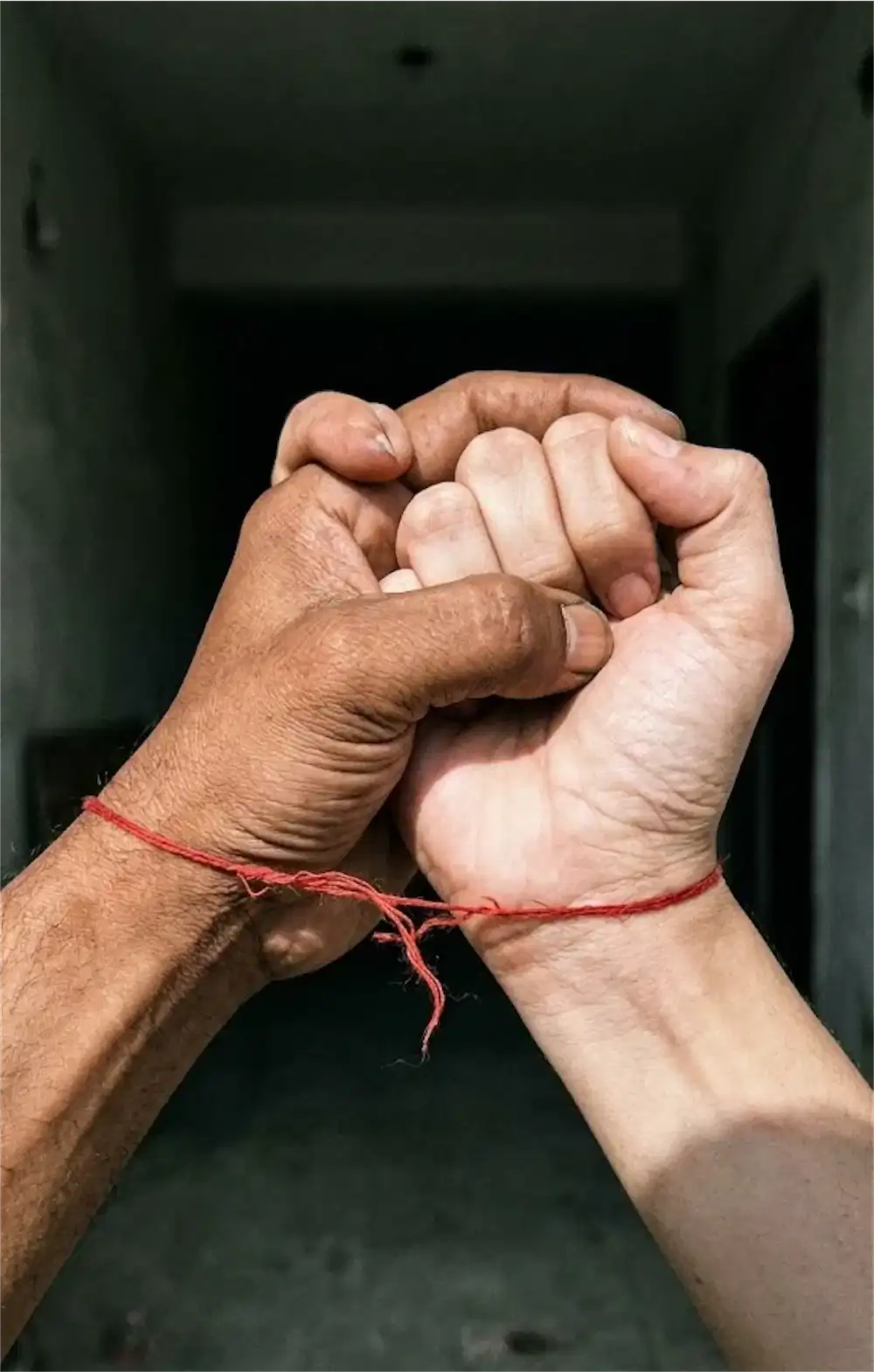
When you spend years in a toxic partnership, your brain adapts to a pattern of extreme highs and lows. This pattern is driven by intermittent reinforcement, which is a psychological term for receiving rewards on an unpredictable schedule. In simple words, it is the classic hot-and-cold game where your partner alternates between cruelty and sweet affection.
Have you ever noticed how the sweet makeup phase feels incredibly intense after a massive screaming match? That relief triggers a massive release of dopamine, the brain’s pleasure chemical. When combined with adrenaline from the fight, you create a powerful chemical cocktail that keeps you addicted to chaos in relationships.
Over time, your baseline for what feels normal shifts footprint. A healthy, stable relationship starts to feel boring or even unsafe. Your brain is so used to the threat of a fight that a quiet evening on the couch triggers a sense of dread, leaving you waiting for the other shoe to drop.
My Lived Experience of the Twelve-Year Loop
For over a decade, my life was a constant rollercoaster of emotional volatility. One day, my partner would declare that we were perfect soulmates, and the next, I would face days of cold silence or explosive rage over minor issues. I spent twelve years walking on eggshells, constantly trying to manage their emotions to keep the peace.
When the relationship finally collapsed, the quietness of my new apartment was deafening. I felt an intense physical itch to check their social media or even provoke an argument just to feel something. My body was suffering from severe chemical withdrawal, much like stopping a physical substance cold turkey.
It was during this period of devastation that I learned how my trauma bond biochemical addiction had hijacked my mind. I was not weak-willed; my biology had simply been trained to operate at a state of constant, high-alert stress.
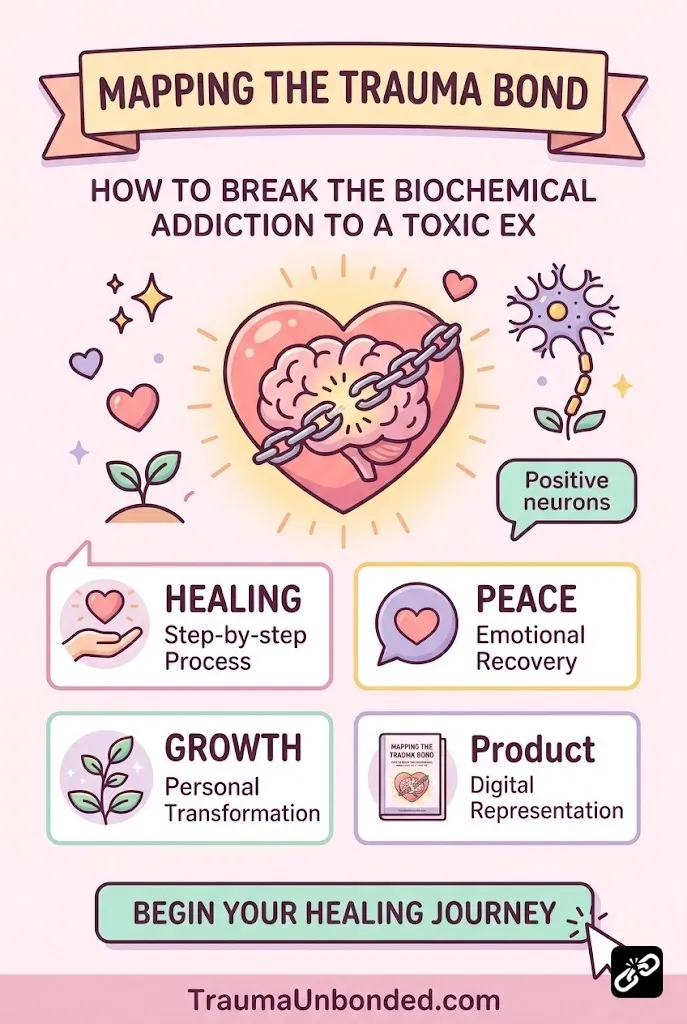
To break this physical loop, you need a structured approach to understand what is happening inside your blood and your brain. If you want to stop the obsessive physical urge to reach back out to a toxic ex, this practical step-by-step roadmap will help you map your biochemical recovery.
How Stress Hormones Hijack Your Nervous System
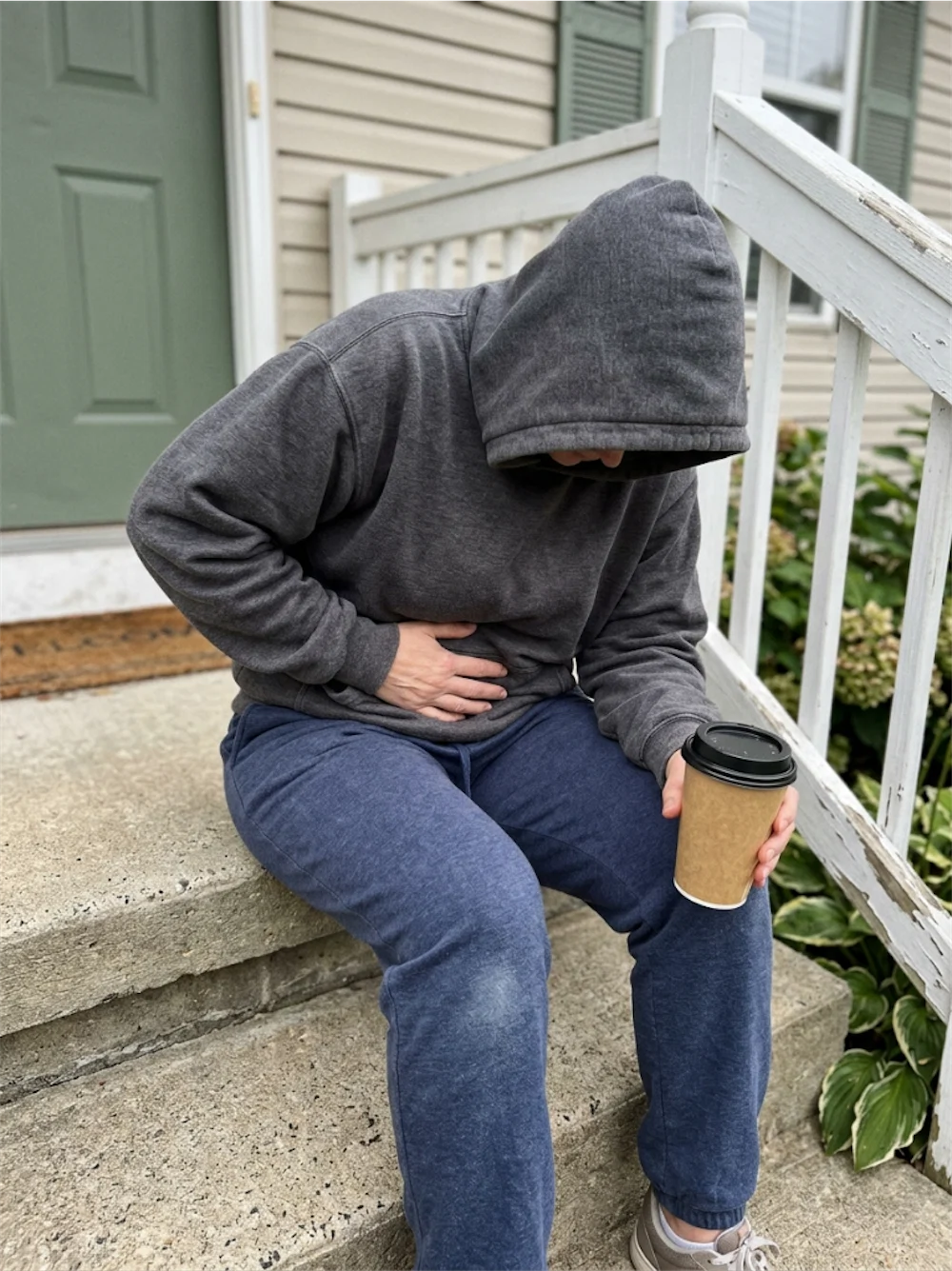
When you exist in a high-conflict relationship, your brain is constantly firing warnings to your body to prepare for battle or escape. The adrenal glands respond by pumping high levels of cortisol and adrenaline into your bloodstream. This survival state is helpful in a true physical emergency, but living in it long-term changes how your brain regulates these chemicals.
As scientists have documented, chronic stress affects physical and psychological health by keeping your stress response system stuck in the “on” position. Your nervous system is forced into a state of hyperarousal where your heart rates stay elevated and your muscles remain tight. If you stay in this state for a decade, your body stops knowing how to operate without these stimulants.
Can you remember the last time you felt truly relaxed in that relationship? Probably never, because your physical body was trapped in a cycle of preparing for the next wave of verbal abuse, silent treatments, or circular arguments. This hormonal saturation leaves you feeling exhausted yet wired, creating a physical craving for the familiar chaos just to relieve the internal pressure.
Practical Steps to Break the Biochemical Addiction
To untangle your body from this physical dependency, you must treat your recovery with the same patience you would give to any physical rehabilitation. It is not just about making logical decisions; it is about physically resetting your biological alarms. Here are a few practical strategies to help you calm your over-stimulated body:
- Tolerate the discomfort of the quiet moments: When you first leave the chaos, peace will feel incredibly unsettling. Recognize that this discomfort is simply a chemical withdrawal symptom and not a sign that you made a mistake by leaving.
- Use grounding physical routines: To start healing, you must actively practice nervous system regulation exercises to teach your body that calm is safe. Simple breathing patterns or cold water splashes on your face can help pull your system out of a panic loop.
- Rebuild a physical routine: Chronic conflict leaves your body depleted. Gentle physical movement, consistent sleep schedules, and simple whole foods help lower baseline cortisol levels naturally over time.
Restoring Your Original Self and Finding Your Baseline
When I was deep in the recovery process, I did not think I would ever feel like myself again. I was isolated, had zero energy to participate in my old hobbies, and felt completely numb. But as my body slowly adjusted to the lack of adrenaline spikes, my natural system began to heal itself.
Over time, the nervous system adapts back to a peaceful baseline. The constant physical tension in my shoulders faded away, and I started finding joy in simple, quiet mornings with a cup of tea. Today, I am back to being a cheerful, optimistic, and grounded person who no longer looks for external storms to feel alive.
Your body is incredibly resilient, and it can learn to feel safe in the quiet. Reclaiming your peace is a slow physical process, but it is entirely possible once you understand that your craving for the chaos is a biological response rather than a personal defect.
The ultimate takeaway is that your body’s craving for high-conflict cycles is not a sign of love, but a physical addiction to stress hormones. By stepping away from the chaos and focusing on physical regulation, you can retrain your nervous system to accept peace. To help you navigate this difficult transition, you can download the Mapping the Trauma Bond guide to begin your recovery today.

Meet Your Guide
Helen Brooks
After surviving a 12-year NPD/BPD relationship, I dedicated over a decade to studying trauma bonding and nervous system recovery. My mission is to help you break free from the fog and reclaim your authentic self.
Ready to break the trauma bond and reclaim your life?