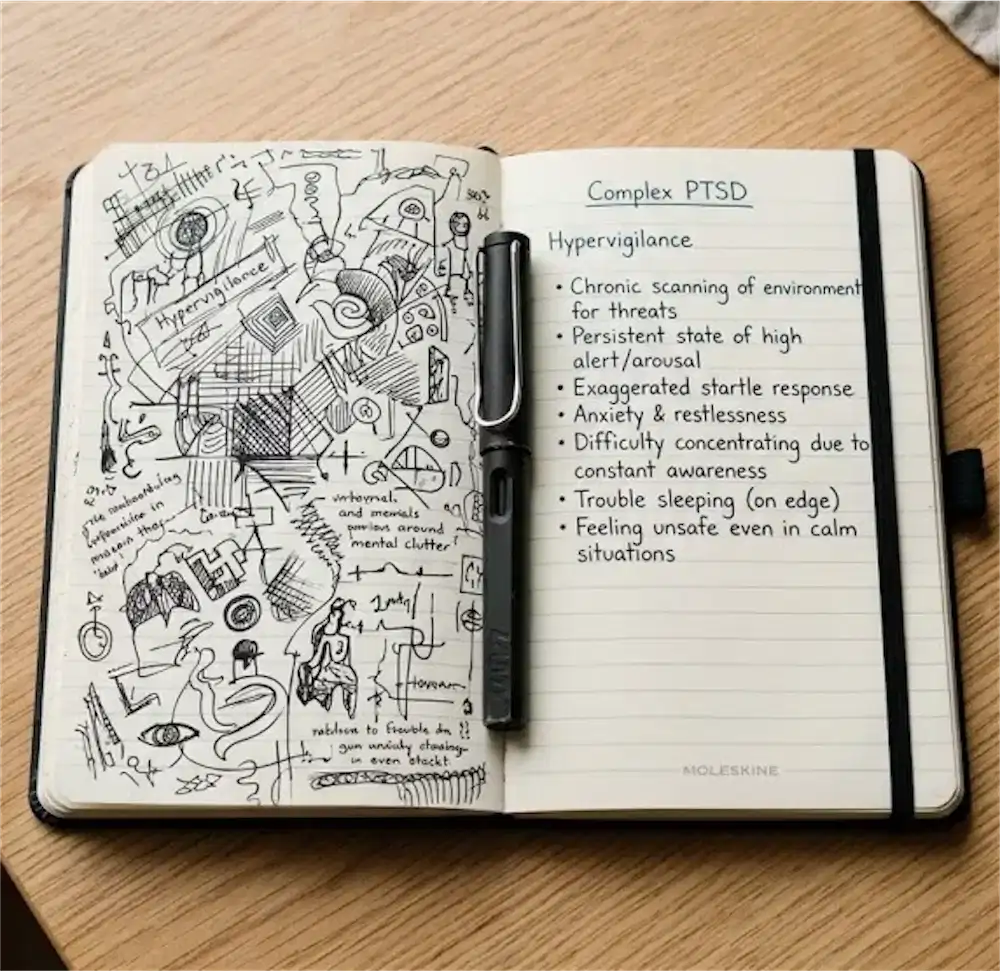
Toxic Positivity in Trauma Recovery: Why Forced Optimism Can Retraumatize You
Toxic positivity in trauma recovery can feel like a quiet betrayal, especially when you are trying to heal from a relationship marked by severe psychological manipulation. If you have been told to just “look on the bright side” or “focus on the good times” by friends, family, or self-help accounts, you already know how damaging this forced optimism can be. When we are recovering from deep emotional wounds, forcing ourselves to maintain a happy outlook does not heal us; it merely forces us to hide our genuine pain.
During my twelve years with a partner who cycled constantly between narcissistic and borderline traits, I was always trying to keep a positive attitude. I thought that if I smiled enough and focused on the good days, the emotional storm would pass. When the relationship finally collapsed, leaving me completely isolated, without hobbies, and feeling like my life was miserable, those positive platitudes felt like a cruel joke. True healing only began when I allowed myself to face the agonizing reality of emotional withdrawal from a toxic person.
Why do we feel so much guilt for being sad or angry after a breakup? When well-meaning people encourage us to bypass our grief, they are teaching us to ignore our body’s natural warning signals. This subtle pressure to look happy stops us from processing our trauma, keeping us trapped in a loop of silent suffering.
What Is Toxic Positivity in Trauma Recovery?
Toxic positivity in trauma recovery is the systemic pressure to suppress, deny, or dismiss genuine negative emotions like grief, anger, and anxiety in favor of a forced, relentlessly optimistic mindset. This forced optimism prevents survivors from processing emotional pain, which can lead to psychological distress and prolonged trauma symptoms.

How does forced optimism harm us in our recovery journey? In my own experience, trying to stay positive was actually a way to avoid the reality of my partner’s abuse. I was trying to normalize behaviors that were highly toxic, using positivity as a shield to avoid making difficult choices. If you are constantly forcing a smile, you are essentially continuing the same emotional suppression that the abuser forced upon you for years.
When we refuse to acknowledge our pain, we cannot heal it. Real, trauma-informed healing requires us to look at our wounds honestly, without trying to find a silver lining immediately. Sometimes, things are just bad, and admitting that is the first real step toward freedom.
The Danger of Emotional Suppression on Your Body
The cost of pretending everything is fine is not just mental; it is deeply physical. According to an overview of emotional processing by Psychology Today, rejecting our difficult emotions does not make them go away; instead, it can breed deeper guilt, shame, and anxiety while magnifying the very feelings we are trying to escape. When you hold your breath and push your feelings down, your nervous system remains in a state of high alert.
When I finally got out, my body was keeping score of the decade of tension I had carried. If you are currently navigating BPD relationship trauma recovery, you must understand that your grief is not your enemy. Trying to leap over the anger and sadness to get to “good vibes only” is like painting over a cracked foundation; eventually, the cracks will show through.
If you are struggling with the heavy, exhausting emotions of leaving a toxic relationship and feel overwhelmed by the pressure to just “get over it,” you need a practical roadmap that respects your natural healing pace. I designed a step-by-step digital guide specifically to help you process the raw, heavy feelings of emotional withdrawal without forced optimism:
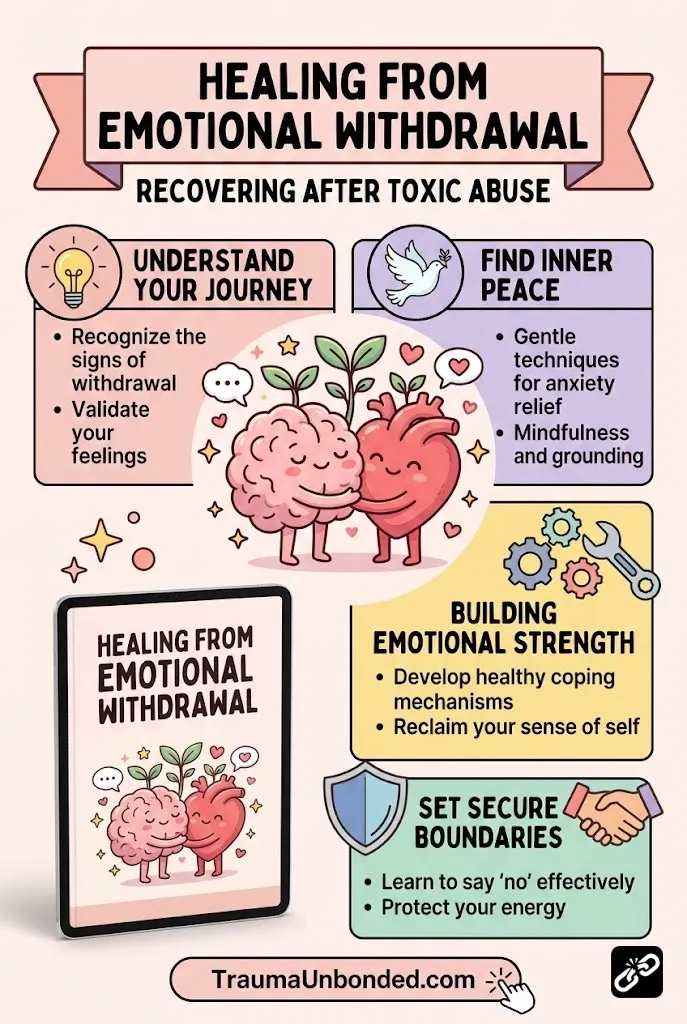
Why Forced Optimism Can Retraumatize Survivors

How exactly does forced optimism act as a secondary trauma? First, it validates the abuser’s claims that your reactions were the real issue. When you exit an abusive relationship and well-meaning people tell you to “just think positive,” it triggers intense self-doubt after abuse recovery. You begin to ask yourself if you were indeed the problematic or overly negative one all along.
Second, forced optimism keeps you disconnected from your own reality. In a long-term toxic relationship, your reality is constantly rewritten by your partner. If you force yourself to always look on the bright side, you are continuing that same disconnect, ignoring what your mind and body are trying to tell you.
Are you using forced optimism as a weapon against your own healing? Take a moment to look at these common warning signs:
- Feeling guilty for experiencing natural anger, grief, or resentment.
- Minimizing your experience by repeatedly telling yourself “it could have been worse.”
- Avoiding raw conversations because you fear being perceived as “stuck” or “unhealthy” by others.
- Using positive affirmations to drown out deep, screaming physical instincts that something is wrong.
Shifting from Toxic Positivity to Compassionate Acceptance
Instead of trying to force joy, we must practice what trauma-informed therapists call radical acceptance. This does not mean you approve of the abuse or that you are giving up. It simply means you stop fighting the reality of your current emotional state.
When I was rebuilding my life after my twelve-year relationship, my recovery did not come from smiling through the pain. It came from sitting on the floor, crying, and admitting to myself that my life was incredibly difficult right now, and that I was heartbroken. Only when I accepted that grief did my nervous system finally begin to settle down.
Here are three simple, trauma-informed practices to replace forced optimism in your daily life:
- Acknowledge the dual reality: You can be incredibly sad about the past while still hoping for a better future. These two feelings can exist together.
- Name the emotion without judgment: Instead of saying, “I need to stop being so sad,” try saying, “I am feeling a lot of grief today, and that is a normal response.”
- Focus on small, grounded comforts: Do not worry about finding your “ultimate purpose” or “passion” immediately. Start with simple actions, like drinking hot tea or taking a quiet walk.
Healing from a toxic relationship is not a linear journey, and it certainly does not require you to wear a fake smile. True resilience is not the absence of pain; it is the courage to face your pain with honesty and self-compassion. If you are ready to stop suppressing your feelings and start processing your grief at your own pace, take a look at the Emotional Withdrawal Guide. Let yourself feel what you need to feel today. Your original, cheerful self is waiting for you on the other side of your honest grief.

Meet Your Guide
Helen Brooks
After surviving a 12-year NPD/BPD relationship, I dedicated over a decade to studying trauma bonding and nervous system recovery. My mission is to help you break free from the fog and reclaim your authentic self.
Ready to break the trauma bond and reclaim your life?