Why You Feel Like You Lost Your “Spark” (and the Science of Getting It Back)
If you feel like you have lost your spark after leaving a toxic partner, you are not suffering from a permanent defect, but rather a deeply physiological state of exhaustion. Many survivors of narcissistic abuse find themselves asking how to rebuild your identity when you feel entirely empty and disconnected from the cheerful person you used to be. During my own twelve-year relationship with a partner who displayed severe NPD and BPD traits, I experienced this profound loss of self first-hand, wondering if my vibrant energy would ever return.
To begin recovering, you have to look at this emotional numbness as a brain-based response that can actually be corrected. Reclaiming your energy involves systematically resetting your nervous system and breaking the chemical dependency of the trauma bond, a process you can explore in The Freedom Protocol.
It is completely natural to feel isolated, devoid of hobbies, and utterly flat after surviving years of emotional manipulation. Through professional therapy and learning about my own codependency, I realized I was not broken; my system was simply locked in survival mode.
Why Toxic Relationships Extinguish Your Inner Light
Losing your spark after a toxic relationship is a physiological state of shutdown caused by chronic nervous system overload, trauma bonding, and identity erosion. This emotional numbness is a protective defense mechanism, not a permanent change to your personality.
Living with a partner who swings between extreme adoration and brutal devaluation is a massive strain on your psychological well-being. Over time, the constant walking on eggshells forces your brain to prune away emotional pathways that are not needed for survival. Your interests, laughter, and spontaneous joy get packed away because your brain is dedicating all its energy to keeping you safe.
When I was in the thick of it, I noticed I stopped listening to music, stopped painting, and stopped joking with friends. My entire existence was shrunk down to predicting my partner’s moods. Have you noticed similar patterns in your own life where your world slowly became smaller and smaller?
How Chronic Stress Rewires Your Nervous System
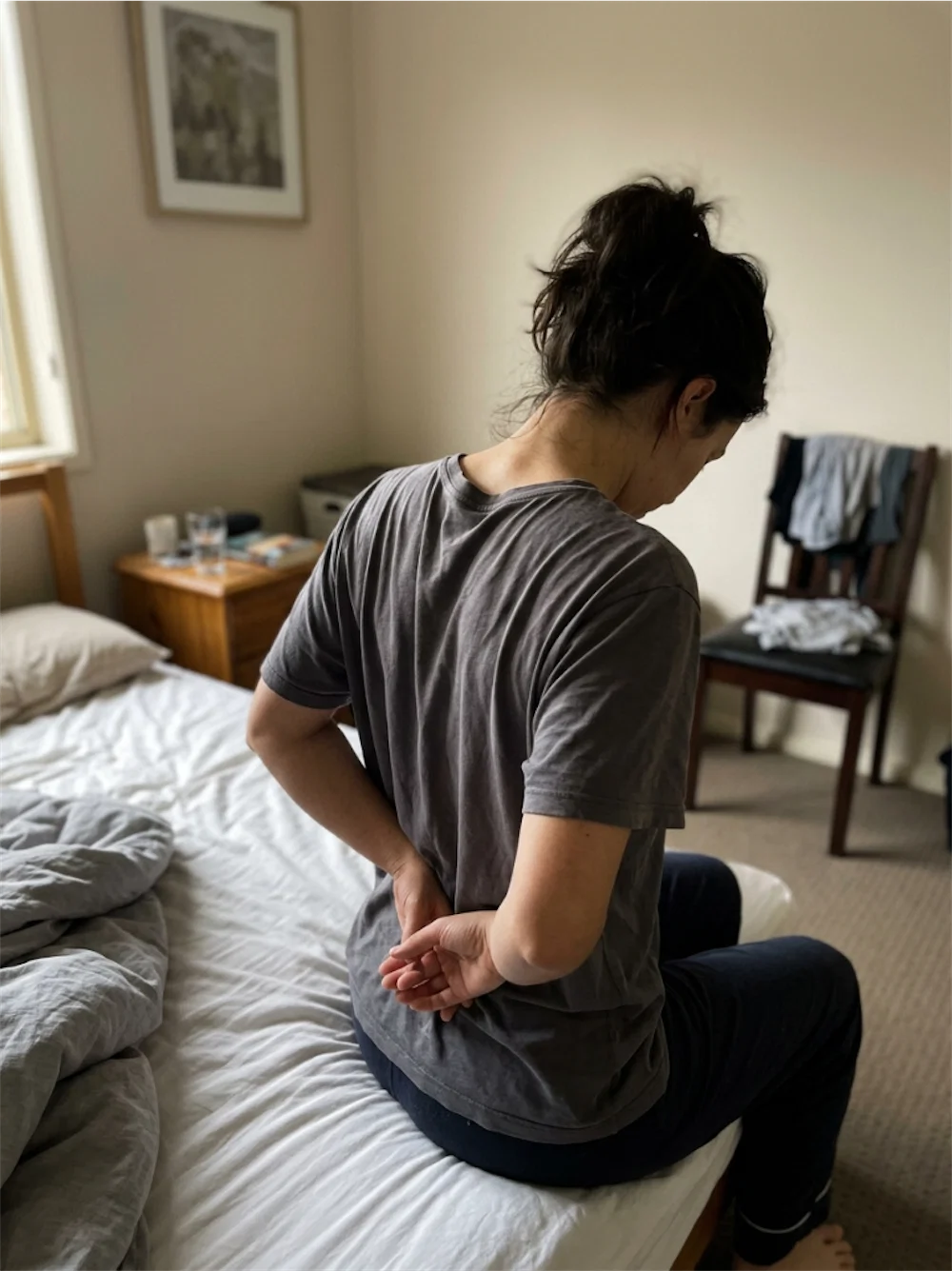
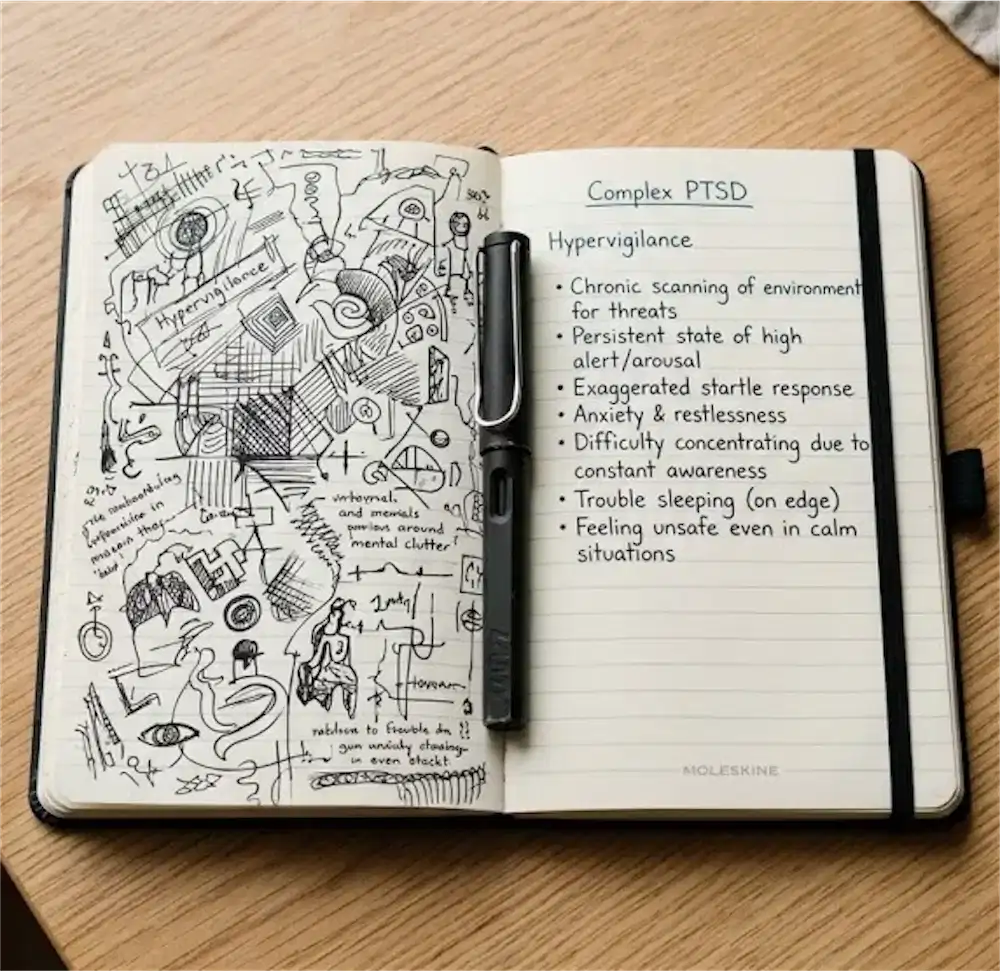
When you are subjected to constant emotional instability, your body floods your system with cortisol and adrenaline. This keeps you in a state of hypervigilance, where your heart rate is elevated and your muscles are perpetually tense. Eventually, your adrenal glands tire out, and your nervous system drops into a hypoaroused state of collapse or freeze.
According to research on the stress response published in PubMed Central, prolonged trauma exposure leads to structural alterations in the prefrontal cortex and amygdala. This physical shift explains why your short-term memory feels shot, why you struggle to make basic decisions, and why you feel emotionally numb. The brain literally changes to handle the ongoing threat, leaving you feeling like a shell of your former self.
To reverse this physical state, you cannot just think your way out of it; you must work with your body. Utilizing daily nervous system regulation exercises can slowly signal to your brain that the danger has passed, allowing your body to release the chronic tension it has held for years.
Before we look at practical ways to restore your energy, it is vital to have a structured roadmap. Having a clear, step-by-step workbook can make a major difference when you are trying to break free from these cycles and find your footing again.
Breaking the Biochemical Addiction of the Trauma Bond
The loss of your spark is also heavily tied to a chemical withdrawal. A toxic relationship functions much like an addiction due to the intermittent reinforcement of hot and cold behaviors. You get a massive hit of dopamine when things are good, followed by a spike of cortisol and adrenaline when things fall apart.
This biological rollercoaster creates a strong trauma bond biochemical addiction that leaves your brain starved for dopamine when the relationship ends. Normal, healthy life suddenly feels incredibly flat because your brain receptors are desensitized. Recognizing that this flatness is a literal chemical withdrawal is a major step toward healing.
During my recovery, understanding this biological loop helped me stop blaming myself for missing my ex. It was not about missing the abuse; it was my brain craving the chemical high. Give yourself grace as your brain chemistry slowly balances back out over the coming months.
Practical Steps to Rebuild Your Identity
Reclaiming your life requires a slow, gentle return to your own body and mind. You cannot force your spark to return overnight, but you can build a safe environment where it feels comfortable coming back. Here are several simple, daily shifts to help you on this path:
- Practice somatic tracking: Spend five minutes a day sitting in silence, noticing where you hold tension in your body, and gently breathing into those tight spaces.
- Reintroduce tiny micro-hobbies: Do not try to write a novel or run a marathon immediately; instead, read one page of a book, listen to one favorite song, or water a single plant.
- Establish low-stakes routines: Create a morning ritual that belongs entirely to you, like drinking a warm cup of tea without looking at your phone.
- Write down your true preferences: Keep a running list of things you actually enjoy, from your favorite foods to the colors you like, to help separate your voice from the voice of your ex.
As you practice these steps, you will learn how to reconnect with authentic self after abuse without the pressure of having to look perfect. Your healing is not a race, and every small choice you make to care for yourself builds a solid foundation for your long-term peace.
Remember that the vibrant, cheerful person you used to be is not gone forever. That spark is simply resting beneath the surface, waiting for a safe space to breathe again. By actively choosing yourself and focusing on small, daily somatic and cognitive shifts, you can slowly guide your mind and body back to life. If you want to systematically heal your nervous system and reclaim your peace of mind, consider working through the structured steps in The Freedom Protocol.

Meet Your Guide
Helen Brooks
After surviving a 12-year NPD/BPD relationship, I dedicated over a decade to studying trauma bonding and nervous system recovery. My mission is to help you break free from the fog and reclaim your authentic self.
Ready to break the trauma bond and reclaim your life?