Sound Healing for Trauma: Using Sound Therapy for Release
Sound healing for trauma and sound therapy for release became my lifeline when I finally walked away from a twelve-year relationship with a partner who struggled with both NPD and BPD traits. For over a decade, my body was a storage locker for high-pitched arguments, the heavy silence of the cold shoulder, and the constant humming of anxiety that comes from never knowing which version of your partner is coming through the door. I was totally drained, my friendships had withered away, and I had forgotten what it felt like to have a hobby or a personality of my own. If you are feeling that same physical heaviness, The Somatic Trauma Reset can help you begin the process of clearing that deep-seated tension from your cells.
Trauma is not just a collection of bad memories; it is a physical vibration that gets stuck in your muscles and your nervous system. When you spend years being gaslit—which felt like my reality was being rewritten every single day until I couldn’t trust my own eyes—your body stays in a state of “fight or flight.” Even after the relationship ends, that frequency of fear remains. Using specific sound frequencies can help gently shake that energy loose so you can finally breathe again. Have you ever noticed how a certain song can make you cry instantly or how the sound of a lawnmower can make you feel peaceful? That is the power of sound influencing your internal state.
After my breakup, I was a shell of a person, but I eventually found my way back to being the cheerful, optimistic woman I used to be. It took professional therapy and a deep look at my own codependency, but sound therapy was the tool that helped bridge the gap between my mind and my body. It provided a way to release the trauma bond without having to talk through the pain for the thousandth time. Let’s look at how you can use these frequencies to reclaim your peace.
Why Sound Healing for Trauma Works When Words Fail
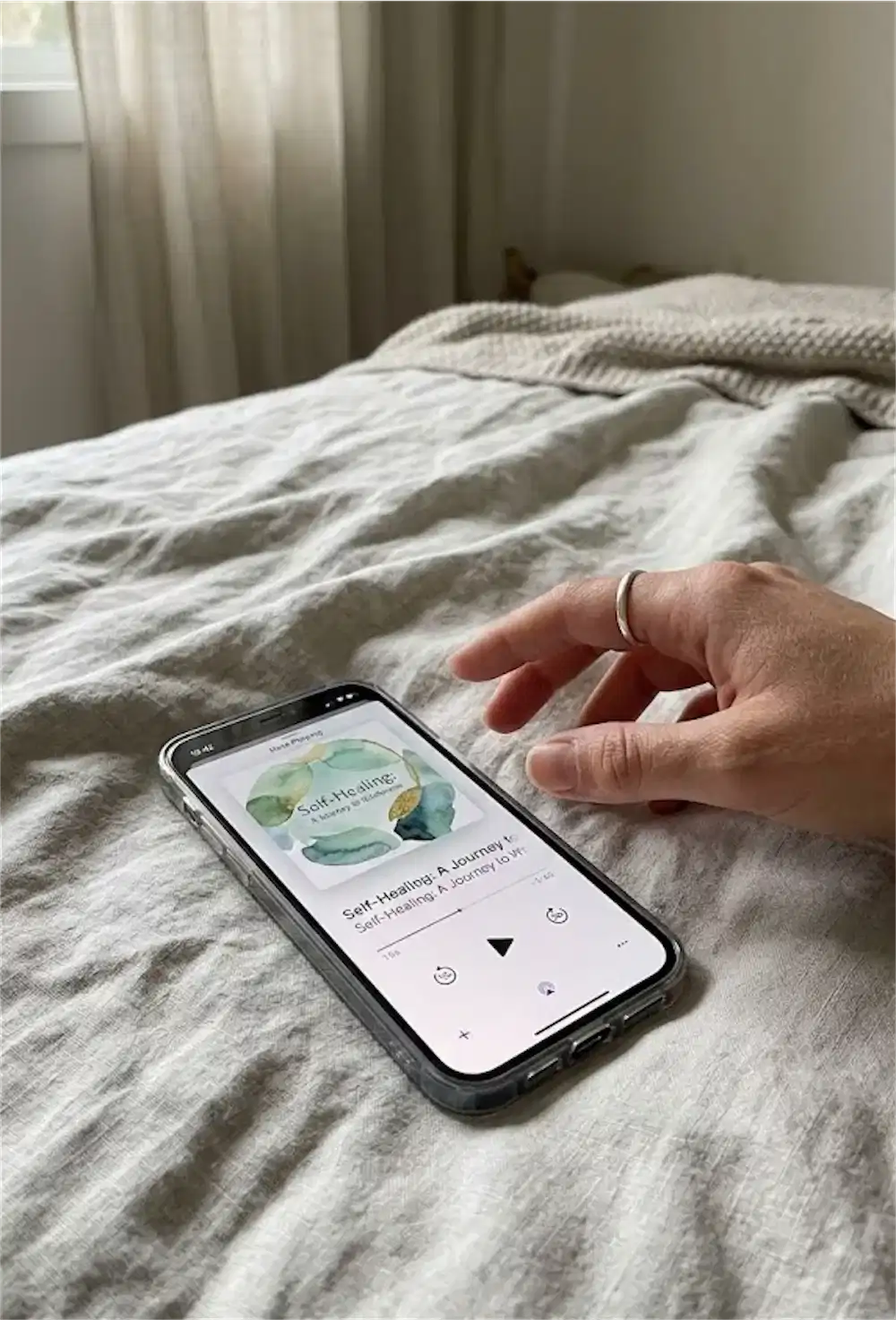
Traditional therapy is vital, but sometimes talking about narcissistic abuse keeps you stuck in your head. When I was in the thick of it, I could explain every hoovering attempt—those manipulative moments where my ex would suck me back into the relationship with fake apologies—but my heart would still race at the sound of a text notification. My brain knew I was safe, but my body didn’t believe it. Sound therapy bypasses the logical mind and speaks directly to the limbic system, which is the part of the brain that handles your emotions and survival instincts.
When you use healing frequencies, you are essentially giving your nervous system a new rhythm to follow. Chronic stress from a toxic relationship causes your brain waves to stay in a high-beta state, which is associated with hypervigilance and anxiety. Sound tools like singing bowls or tuning forks can help shift your brain into alpha or theta states, where actual healing and deep relaxation happen. It is like retuning an instrument that has been knocked out of its proper pitch by years of mistreatment.
Think about the last time you felt truly calm. Was it near the ocean or in a quiet forest? Nature has its own frequency that matches our natural resting state. After twelve years of chaos, I had to manually teach my body how to find that frequency again. Sound healing for trauma isn’t about magic; it is about physics and biology working together to remind your cells that the war is over.
Drowning Out the Noise of the Inner Critic
One of the hardest parts of recovery is the mental chatter. The voice of the person who hurt you often becomes your own inner critic, telling you that you aren’t enough or that you’ll never survive alone. Sound therapy provides a “sonic blanket” that can quiet those thoughts. By focusing on a single, pure tone, you give your mind a break from the constant rumination that follows a BPD breakup. It helps you ground yourself in the present moment instead of living in a past filled with pain.
Using Sound Therapy for Release to Regulate the Nervous System
The vagus nerve is the highway of your nervous system, and it is often the first thing to get damaged in a high-conflict relationship. When this nerve is toned and healthy, you can bounce back from stress easily. When it is weak, you feel stuck in trauma fatigue or constant panic. You can find specific vagus nerve anxiety exercises that use humming and chanting to stimulate this nerve, but external sound therapy works just as well. The vibrations physically massage the nerve, signaling to your brain that it is safe to turn off the adrenaline.
I remember the first time I tried a sound bath. I expected to just hear pretty music, but I actually felt a physical release in my chest where I had been carrying a “knot” for years. This is common for survivors who have experienced high cortisol symptoms. The sound waves help move the stuck energy of trauma-bond brain chemistry out of the body. It allows you to process emotions without having to find the perfect words for the ways you were hurt.
If you are struggling with trauma-induced insomnia or feeling like you are constantly “on edge,” sound therapy can be a game changer. It creates a predictable environment for your ears, which is the opposite of the unpredictable environment of a toxic home. This predictability allows your muscles to finally unclench. How much energy are you currently spending just trying to keep your body tight and protected?
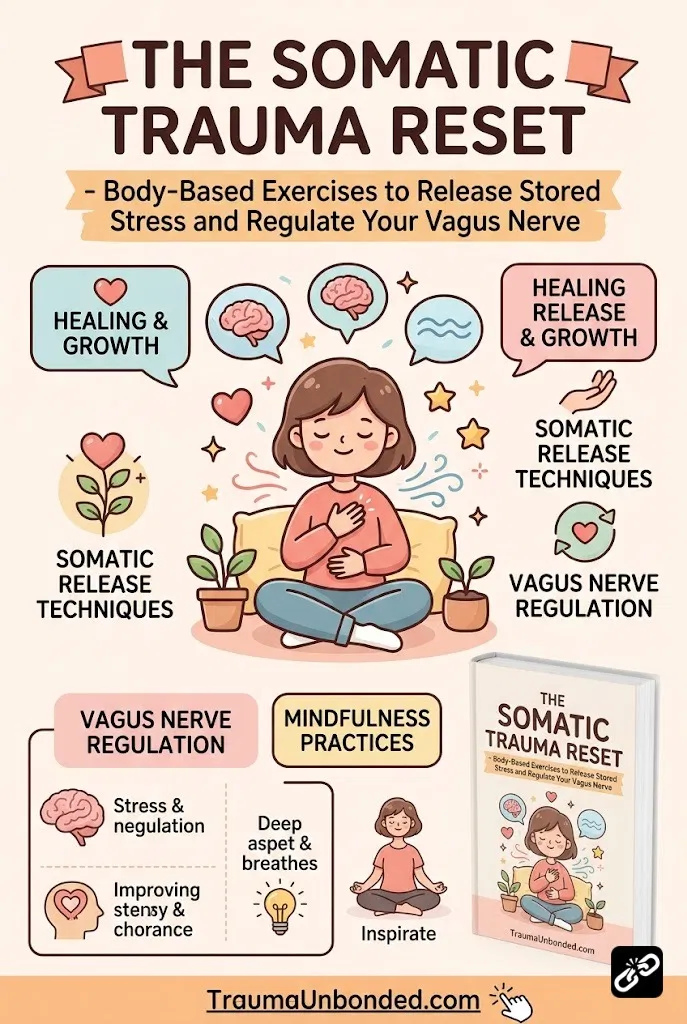
To truly break free from the physical addiction to a toxic partner, you need a structured plan that addresses the body as much as the mind. This workbook is designed to help you navigate the complex biochemical layers of your recovery so you can finally stop walking on eggshells and start living again.
Different Methods of Sound Therapy for Release

You don’t need expensive equipment to start using sound therapy for release. In my own journey, I started with simple tools I could use in my bedroom while I was still processing the cognitive dissonance of my breakup. Solfeggio frequencies are a popular choice. These are ancient musical scales that are said to have specific effects on the human body. For example, the 528 Hz frequency is often used for transformation and DNA repair, while 417 Hz is specifically linked to facilitating change and letting go of the past.
Another powerful tool is binaural beats. This involves playing two slightly different frequencies in each ear, which causes the brain to perceive a third “beat.” This third beat can encourage your brain to enter a state of deep meditation or focus. When I was dealing with trauma brain fog, I would listen to these beats just to get through my workday. It felt like a gentle hand guiding my brain back into a functional state after years of being told that my thoughts and feelings didn’t matter.
If you prefer a more tactile experience, Tibetan singing bowls or crystal bowls create a physical vibration you can feel in your chest. This can be especially helpful if you feel “disconnected” from your body. After years of narcissistic abuse, many of us learn to dissociate or go numb to survive the pain. The deep, resonant sound of a bowl can pull you back into your physical form in a way that feels safe and supportive. It is a way to say to your body: “It is okay to be here now.”
Integrating Sound into Your Daily Recovery Routine
I found that the best way to see results was through consistency. I would start my morning by listening to a 10-minute frequency track while I drank my coffee. It helped set a baseline of calm before I had to face the world. You can also use sound during morning pages or while doing gentle yoga. The goal isn’t to reach a state of enlightenment but to give your nervous system a break from the “noise” of the past. Have you tried creating a playlist of sounds that actually make you feel grounded?
You can even use your own voice. Humming while you are in the shower or driving to work is a form of sound healing for trauma. It creates an internal vibration that calms the heart rate and improves your vagal tone. It sounds simple, but when you have been silenced for twelve years, making noise—even just a low hum—is an act of rebellion and healing. It is you reclaiming your voice in the most literal sense possible.
Remember that healing is not a linear process. Some days the sound might bring up deep grief, and that is okay. The goal of sound therapy for release is to let those emotions flow through you instead of staying trapped in your joints and muscles. You are basically flushing out the old, toxic energy to make room for the optimistic, grounded version of yourself that is waiting to return. You deserve to live in a body that feels like a home, not a cage.
If you are ready to take the next step in your physical and emotional recovery, I highly recommend looking into The Somatic Trauma Reset. It provides the structure you need to move beyond the mental loops and start feeling safe in your own skin again. You have already survived the hardest part by leaving the relationship; now it is time to let the healing begin.

Meet Your Guide
Helen Brooks
After surviving a 12-year NPD/BPD relationship, I dedicated over a decade to studying trauma bonding and nervous system recovery. My mission is to help you break free from the fog and reclaim your authentic self.
Ready to break the trauma bond and reclaim your life?