Toxic Grandparent Boundaries: Explaining Estrangement to Kids
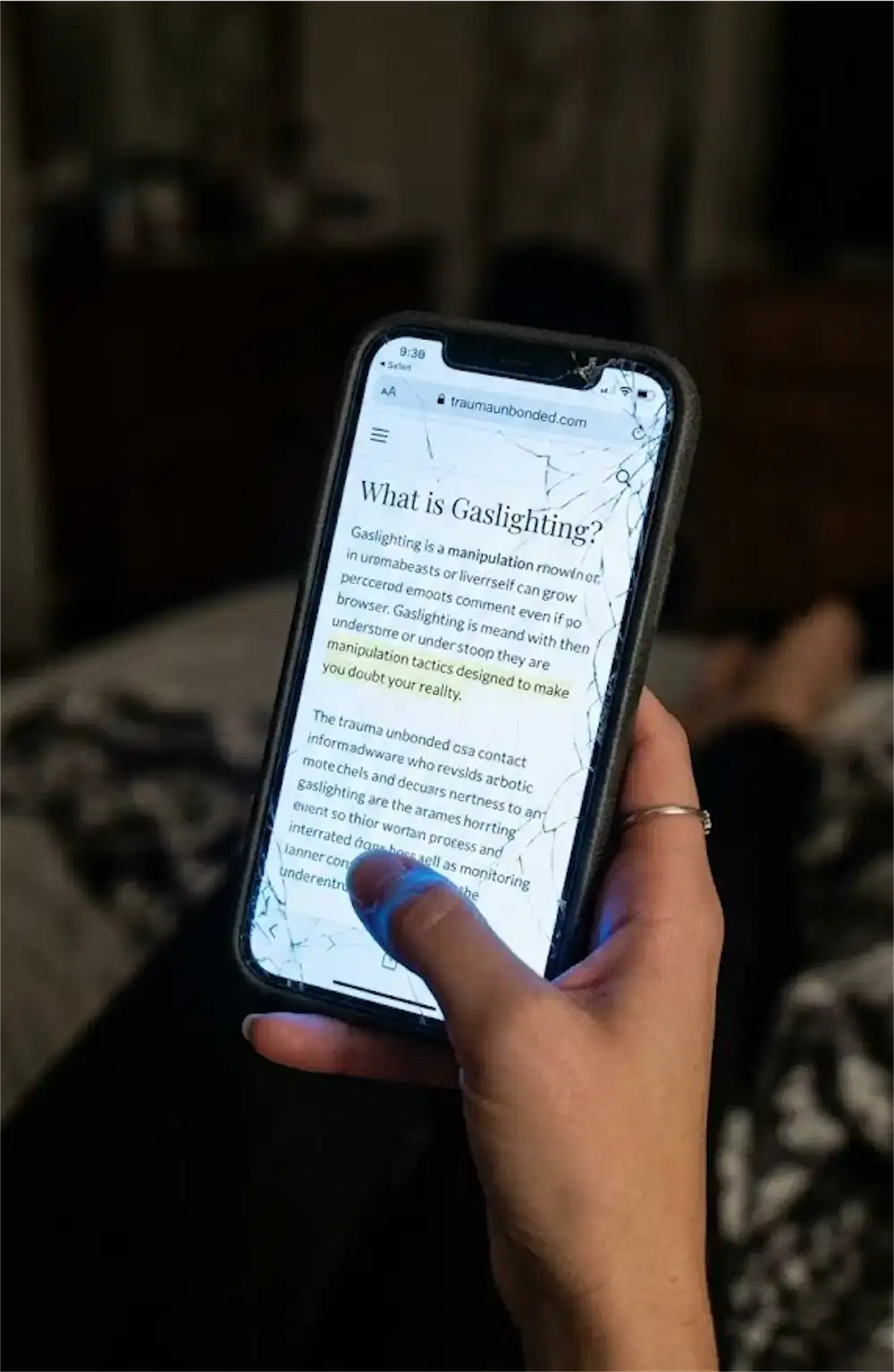
Toxic grandparent boundaries are often the hardest lines to draw because they involve the people who raised us and the children we love most. If you are navigating how to explain grandparent estrangement to a child, you are likely feeling a heavy mix of guilt and relief. I spent twelve years in a relationship where I was constantly gaslit, which is a form of manipulation where someone makes you doubt your own reality. That decade taught me that waiting for a toxic person to change is a losing game. When I finally walked away, I realized that protecting my peace was not just for me anymore. It was for the next generation. Are you tired of watching your parents use your kids as pawns in their emotional games? It is time to step into your role as the protector of your family’s emotional health.
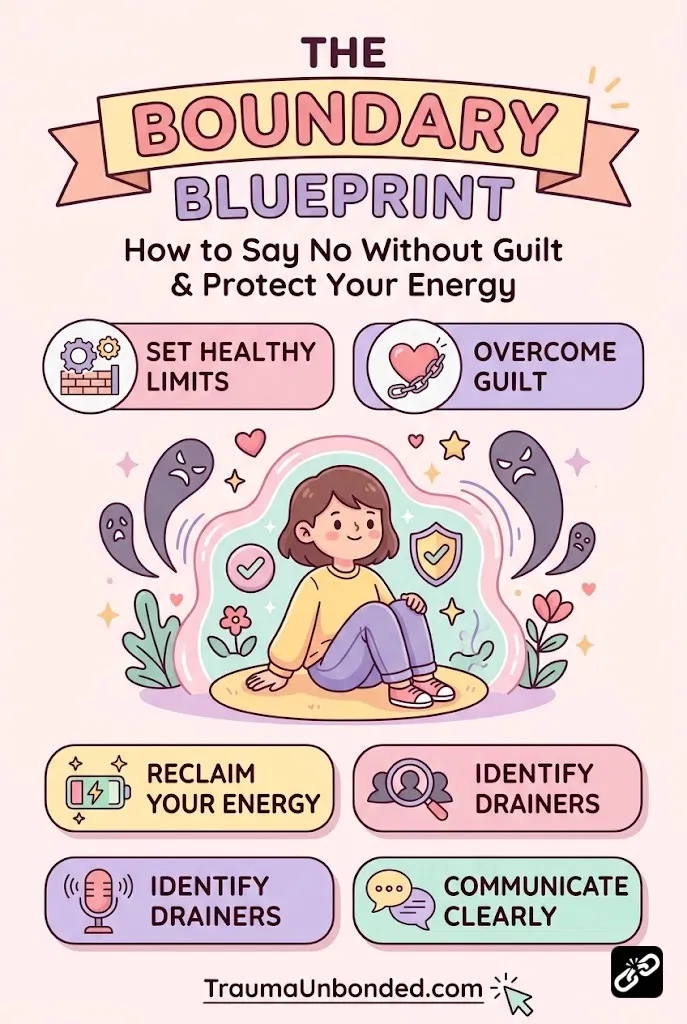
Setting boundaries with toxic grandparents often feels like a betrayal because society tells us that family is everything. But what happens when family is the very thing making you sick? After my 12-year ordeal with a partner who had both NPD and BPD traits, I had to rebuild my entire sense of self. I learned through professional therapy that The Boundary Blueprint is the only way to survive people who do not respect your “no.” You cannot let the fear of being the “bad guy” stop you from shielding your children from the same patterns that broke you down for years. How many times have you let a comment slide just to keep the peace, only to feel the pit in your stomach grow larger?
When you start cutting off toxic grandparents, the first thing you need is a clear script for your kids. You do not need to share the adult details of the abuse or the clinical labels. Instead, focus on safety and kindness. My own journey from being a shell of a person to my current cheerful, grounded self required me to be honest with myself first. If you are struggling with the weight of these choices, you might find comfort in setting boundaries with narcissistic parents as a first step toward clarity. Your children deserve a home where the adults are consistent and safe, and sometimes that means making the hard choice to go no contact.
Why Toxic Grandparent Boundaries Are Necessary
You might wonder if you are overreacting. Toxic people have a way of making you feel like the problem. In my long relationship, I was told I was too sensitive every time I stood up for myself. This is a common tactic called gaslighting. Toxic grandparents do the same thing. They might ignore your rules about sugar or bedtimes, or worse, they might speak poorly of you to your children. This is not just a difference in parenting styles. It is a lack of respect for your authority as a parent. When you set boundaries for grandparents, you are telling them that access to your children is a privilege, not a right. Have you noticed how your energy shifts the moment you know they are coming over?
If a grandparent uses intermittent reinforcement, they are being “hot and cold.” One day they are the best Nana in the world, and the next, they are giving your toddler the silent treatment because you did not answer a text. This creates a trauma bond for the child. They start to work for the grandparent’s love, which is exactly how I ended up trapped for twelve years in my previous relationship. You are protecting your kids from learning that love is something they have to earn through compliance. It is about breaking the cycle of generational trauma so your kids never have to recover from their childhood the way we are recovering from ours.
Grandparents who are covert narcissists often use guilt as a weapon. They might say things like, “I guess I am just a horrible person” when you ask them not to undermine you. This is meant to make you retract the boundary. Do not fall for it. Your job is to be the buffer. If their presence in your life leaves you exhausted, anxious, or constantly on edge, that stress trickles down to your kids. They see you shaking when the phone rings. They feel the tension in your shoulders. By removing the source of that stress, you are actually becoming a better, more present parent for them.
Drawing these lines is a major part of healing from a toxic family. It is not about being mean or seeking revenge. It is about creating a sanctuary where your children can grow up without being manipulated or used as emotional support animals for a grown adult. When I finally found my “original self” again, I realized that I couldn’t be that happy person while allowing toxic people to dump their garbage in my living room. You deserve that same freedom. Your kids deserve to see you standing tall, not shrinking to fit into someone else’s narrow expectations.
Before we look at the specific ways to talk to your kids, you need to have your own emotional house in order. Setting these boundaries requires a level of internal strength that many of us had to fight for. If you find yourself constantly second-guessing your decisions or feeling like you are “mean” for protecting your energy, you need a structured plan to regain your confidence and stop the cycle of people-pleasing that toxic family members thrive on.
How to Explain Estrangement to Kids
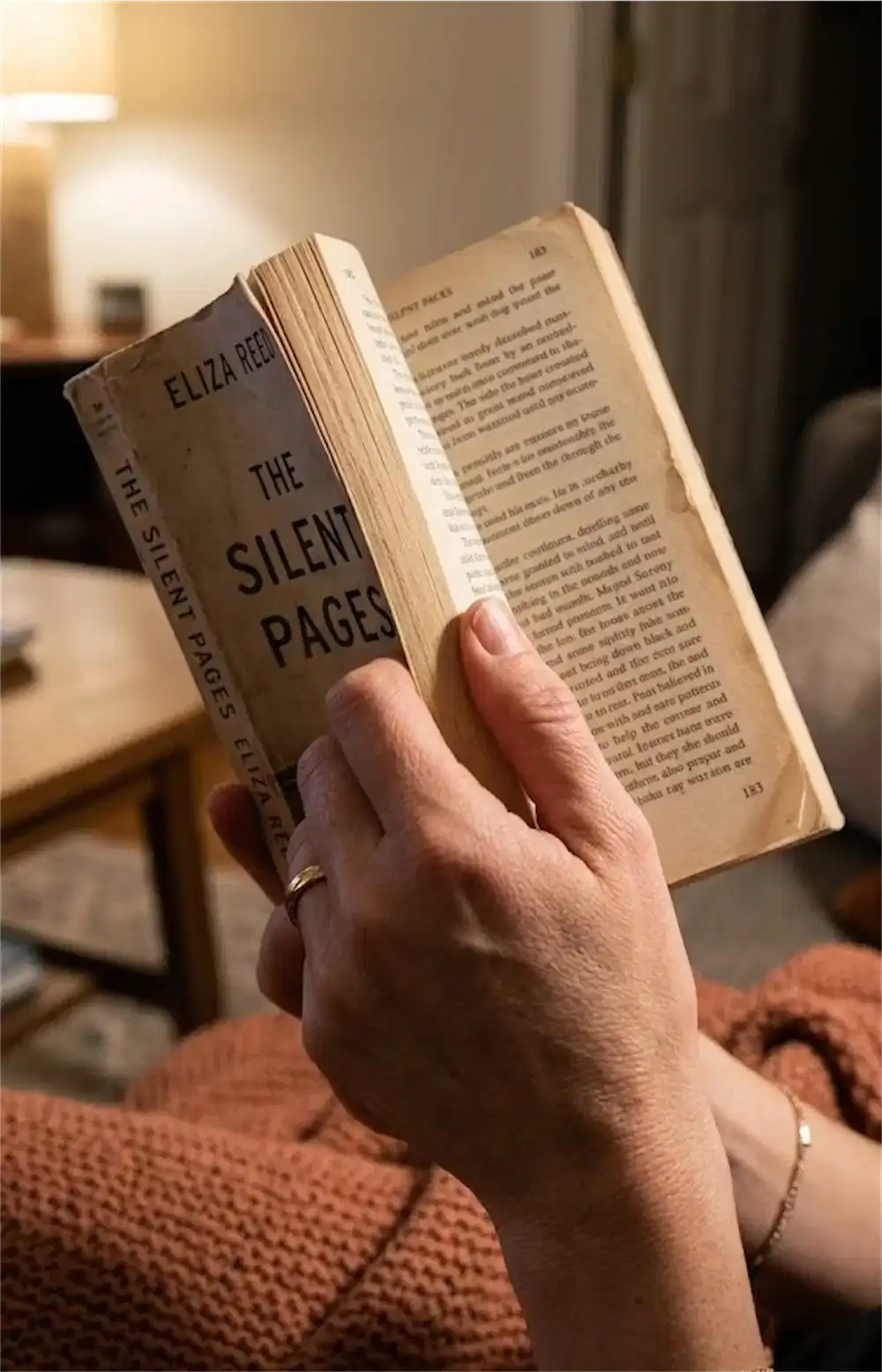
Explaining why we don’t see Grandma or Grandpa can be heart-wrenching. The key is to keep it age-appropriate and focused on behavior rather than labels. For younger children, you can use the concept of “time-outs for adults.” You might say, “Grandma is having a hard time being kind right now, and in our family, we only spend time with people who treat us with respect.” This teaches them that even adults have consequences for their actions. It reinforces the idea that no one gets a free pass to be hurtful just because they are a relative. Do you remember when you first learned that you were allowed to say no?
For older children, you can be slightly more detailed about unhealthy relationship patterns. You can explain that sometimes people grow up and don’t learn how to handle their big feelings in a healthy way. You are not “bad-mouthing” the grandparent; you are stating facts about their behavior. Avoid using terms like “narcissist” with kids. Instead, talk about how some people try to control others or make them feel small. This builds your child’s emotional intelligence. You are helping them recognize red flags in their own friendships as they grow. I wish someone had taught me about generational trauma healing when I was young; it might have saved me from my 12-year detour into a toxic relationship.
Expect questions and be prepared for sadness. It is okay if your child misses them. You can validate their feelings without changing your mind. “I know you miss the fun games Grandpa played, and it is okay to feel sad. But it is my job to make sure our home stays peaceful and safe.” You are modeling healthy boundaries in real-time. This is how you raise children who will not tolerate abuse when they get older. You are showing them that your love for them is strong enough to make the hard choices. If they see you being firm but calm, they will feel secure in your leadership.
Managing the Guilt of Cutting Off Family
The guilt of family estrangement is a heavy burden, especially when other relatives start “flying monkeys” tactics. These are people who do the toxic person’s dirty work, trying to shame you back into the fold. They might say, “But they’re your parents!” or “Life is too short to be angry.” Remember that these people usually haven’t been on the receiving end of the specific abuse you faced. My 12-year experience taught me that people who don’t see the problem are often part of the problem. You are not being “mean” by refusing to be a punching bag for a grandparent’s ego.
To stay grounded, focus on the positive changes in your home. Is there less yelling? Are you sleeping better? Is your child less anxious? These are the real metrics of success. When I first started my recovery, I felt like a monster for cutting people off. But as I healed and my optimism returned, I realized that my “original self” was someone who valued truth and safety over fake harmony. You are not breaking the family; the toxic behavior already broke it. You are simply choosing to walk away from the wreckage and build something new on solid ground.
If you feel the urge to “hoover” back into the relationship out of guilt, remind yourself why you left in the first place. Write a list of the specific incidents that led to this decision. Read it whenever you feel weak. Toxic grandparents often count on your guilt to get their way. They know you are a kind, empathetic person, and they use that against you. Choosing no contact with grandparents is a form of self-parenting. You are giving yourself the protection you likely didn’t have as a child. It is an act of profound self-love and parental duty.
Building a Chosen Family for Your Kids
One of the biggest fears parents have when cutting off toxic grandparents is that their children will miss out on having elders in their lives. The truth is that a toxic grandparent is worse than no grandparent at all. You can fill that gap with “chosen family.” Look for older mentors in your community, church, or even close friends who show up with consistency and kindness. My recovery involved finding new hobbies and reconnecting with friends I had been isolated from for over a decade. It showed me that healthy support systems are built on mutual respect, not just DNA.
Your kids need to see what healthy aging and healthy relationships look like. If that doesn’t come from their biological grandparents, find it elsewhere. Your children will thrive as long as they have stable, loving adults who support their growth. By removing the toxic influence, you make room for better people to enter your lives. Are you ready to stop letting the past dictate your family’s future? You have the power to decide who gets a seat at your table. Don’t waste another minute giving space to people who only want to take your peace away.
Drawing toxic grandparent boundaries is one of the most courageous things you can do for your children. It requires you to face your own trauma and stand firm in the face of pressure. But on the other side of that struggle is a life filled with genuine joy and safety. You are teaching your kids that their voice matters and that they never have to accept treatment that makes them feel small. As you continue your journey of healing, remember that you are not alone in this. There is a whole community of survivors who have made the same choice and found their way back to happiness. If you need more help navigating the specifics of these difficult conversations, check out The Boundary Blueprint to help you stay firm and guilt-free.

Meet Your Guide
Helen Brooks
After surviving a 12-year NPD/BPD relationship, I dedicated over a decade to studying trauma bonding and nervous system recovery. My mission is to help you break free from the fog and reclaim your authentic self.
Ready to break the trauma bond and reclaim your life?