Healing from a Toxic Family: The Freedom of True Estrangement
Toxic family estrangement and healing from a toxic family are subjects that feel incredibly heavy when you first realize your home life was never safe. I spent twelve years navigating a chaotic relationship with a partner who had both NPD and BPD traits, and it took a long time to understand that my tolerance for that pain started much earlier. Have you ever wondered why you stayed in a cycle of abuse for so long? For many of us, our toxic family dynamics programmed us to accept the unacceptable.
When I finally broke free, I was a shell of a person, isolated from my old friends and without a single hobby to call my own. If you are struggling with the guilt of walking away, you might find relief in The Scapegoat’s Release, which helps you break those old cycles. Recovery is a slow process of unlearning the belief that you must be the family fixer to be worthy of love.
Living through a decade of manipulation makes you realize that estrangement is not an act of malice, but a desperate act of self-preservation. It is about drawing a line where your family’s dysfunction ends and your sanity begins. Why do we feel like the “bad guy” for wanting peace? The answer lies in the deep-seated trauma bonds we formed as children.
The Weight of Narcissistic Family Roles

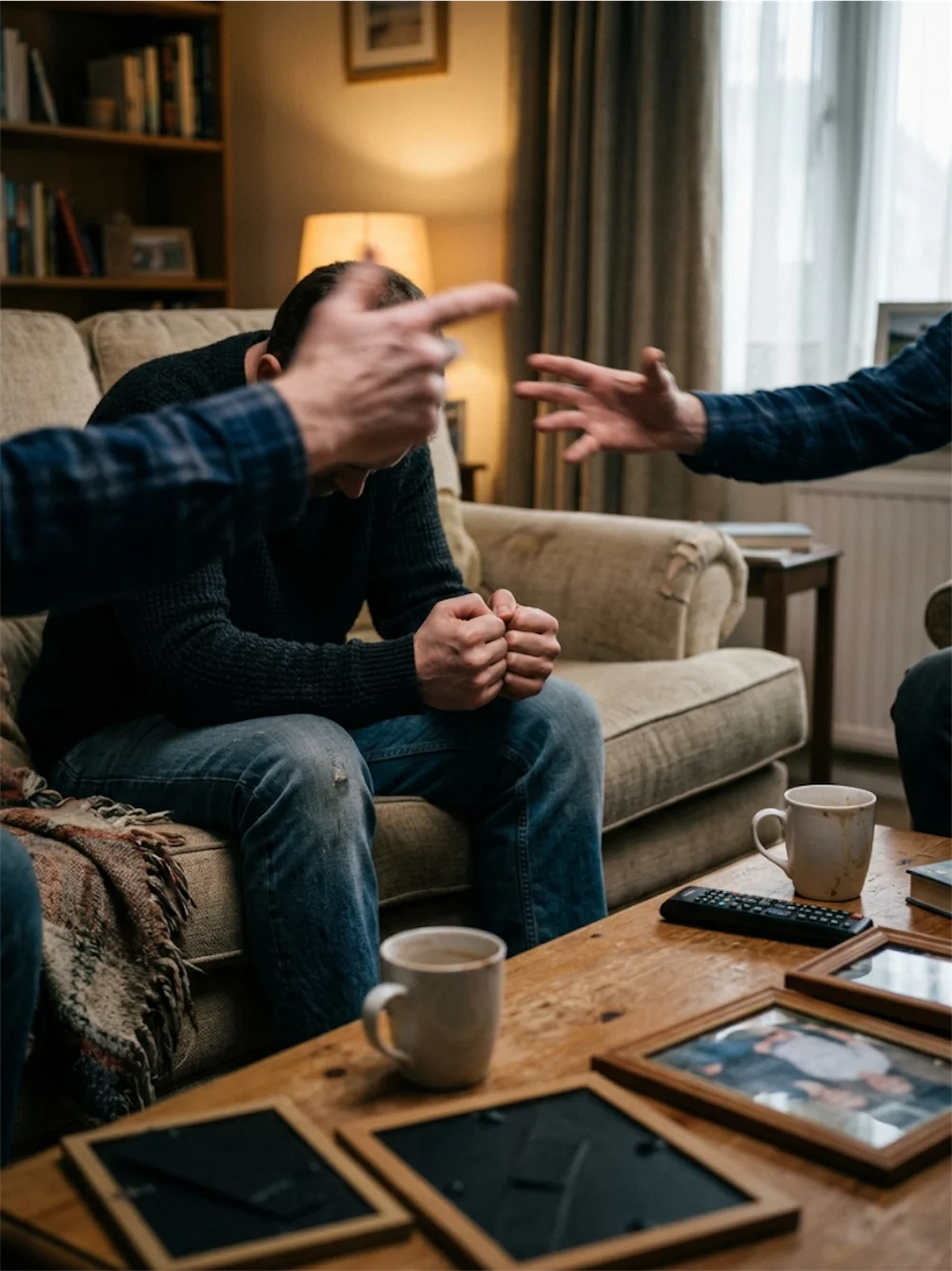
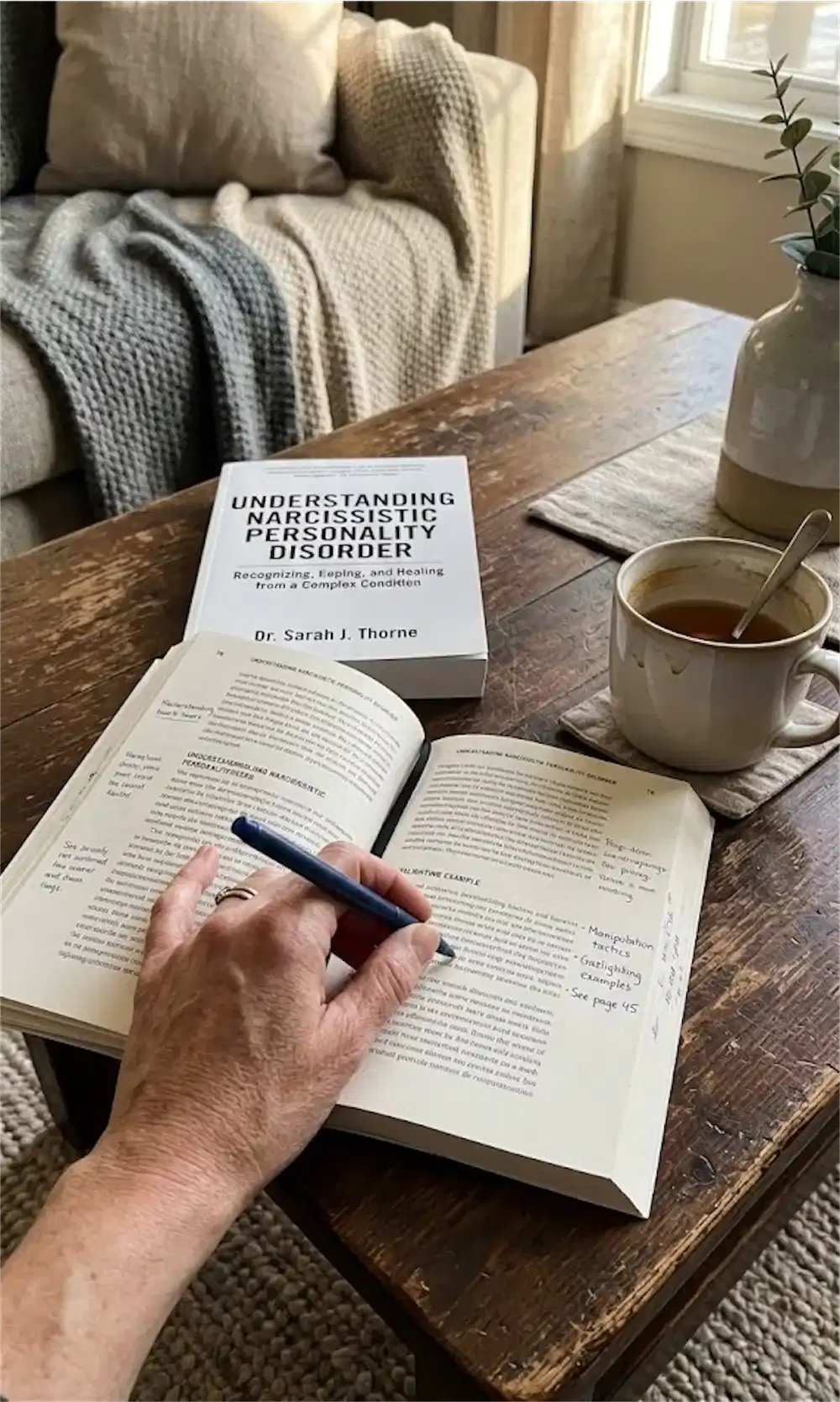
In a dysfunctional home, everyone is assigned a part to play, much like actors in a play they never auditioned for. You might have been the scapegoat, the person who was blamed for every problem, or the golden child, who had to be perfect to keep the peace. Understanding narcissistic family roles is the first step toward realizing that the criticism you faced was never actually about you.
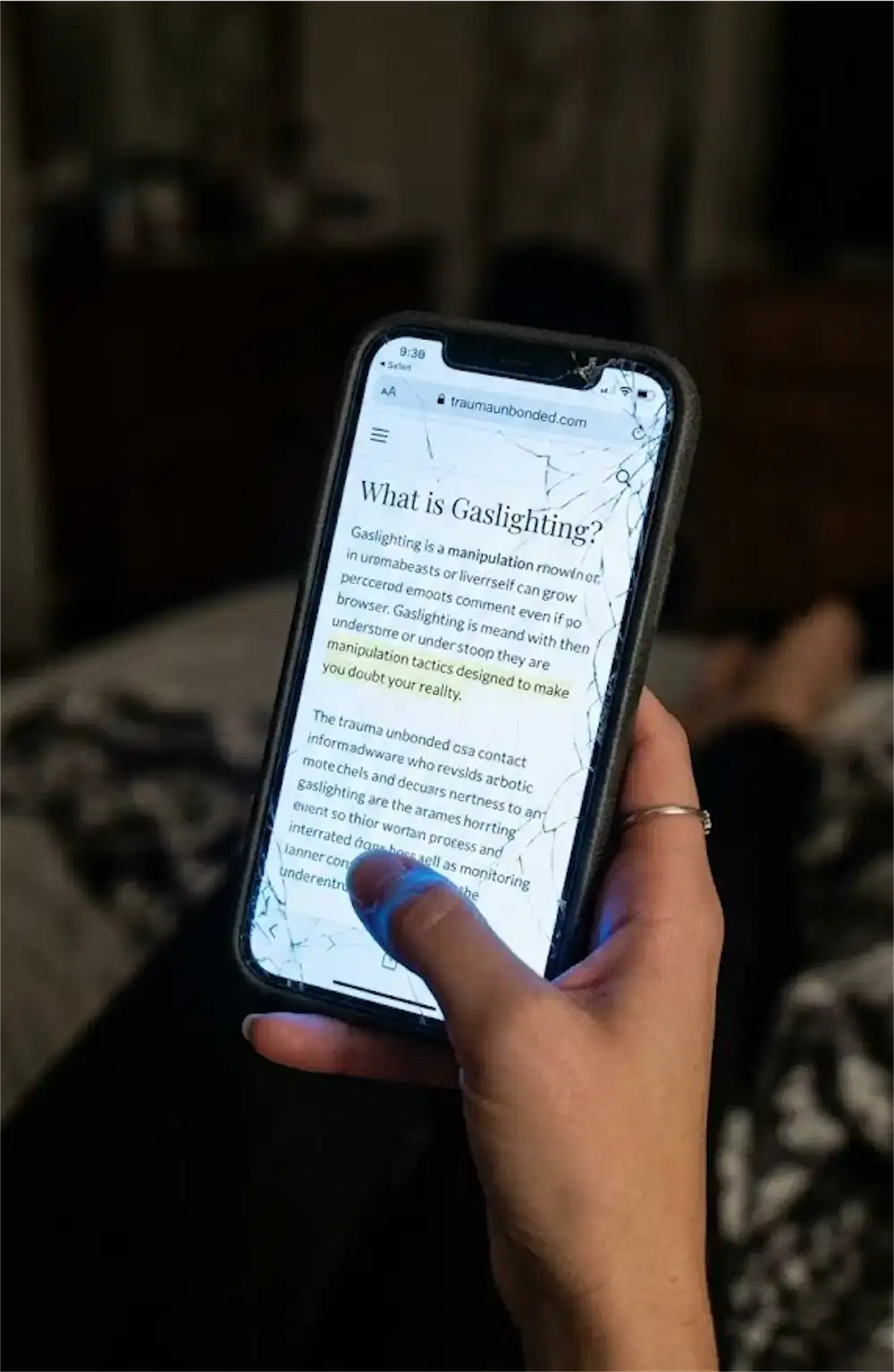
During my twelve years of being gaslit by a toxic partner, I noticed how much it mirrored my early life. Gaslighting is when someone makes you doubt your own memories or reality, and in a family setting, it sounds like “You’re too sensitive” or “That never happened.” It felt like trying to stand on shifting sand every single day. How can you heal when the people who are supposed to love you are the ones constantly shaking the ground beneath you?
When you finally choose no contact, you are essentially resigning from your assigned role. This often causes the family system to react with anger because you are no longer there to absorb their emotional toxicity. It is common for them to send “flying monkeys”—relatives who try to guilt-trip you into returning—but staying firm is the only way to protect your progress.
Overcoming the Reality of Family Gaslighting
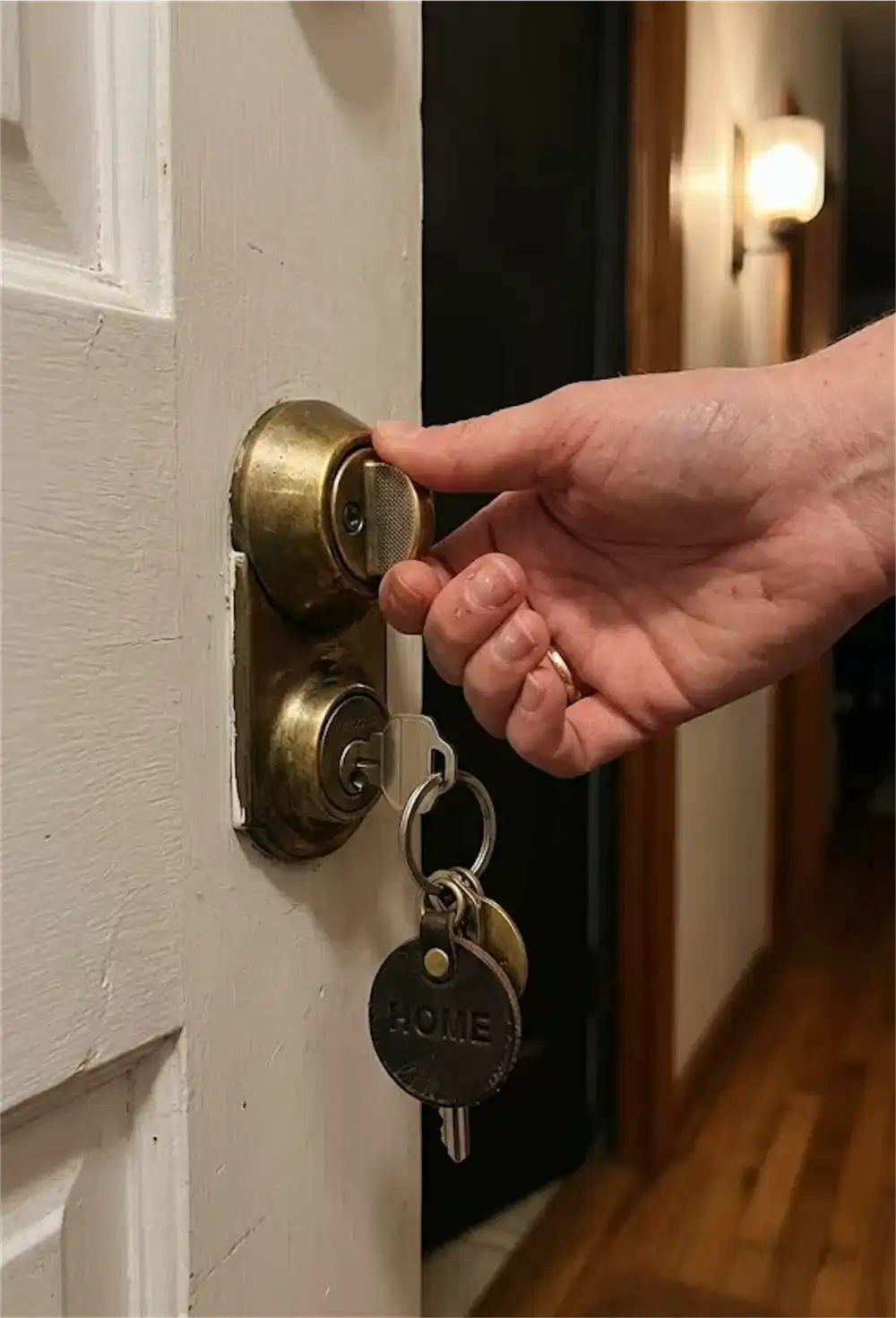
The hardest part of healing from a toxic family is the cognitive dissonance that comes with it. You love them, but they hurt you. You miss the idea of them, but you fear the reality of their presence. I remember feeling so confused after my breakup, wondering if I was the problem. It was only through professional therapy that I began to see how codependency had taken over my life.
Family gaslighting often involves a group effort to maintain a false image of a “happy home.” If you speak the truth, you are labeled as the troublemaker. This is why many survivors find that true freedom only comes when they stop trying to get the family to admit what they did. Seeking validation from the person who hurt you is like trying to get water from a dry well.
Have you noticed how much energy you spend rehearsing arguments in your head? This is a sign of hypervigilance, a state where your brain is always scanning for threats. You can learn more about toxic family estrangement freedom and how to quiet that internal noise. Learning to trust your own eyes and ears again is a massive win in your recovery.
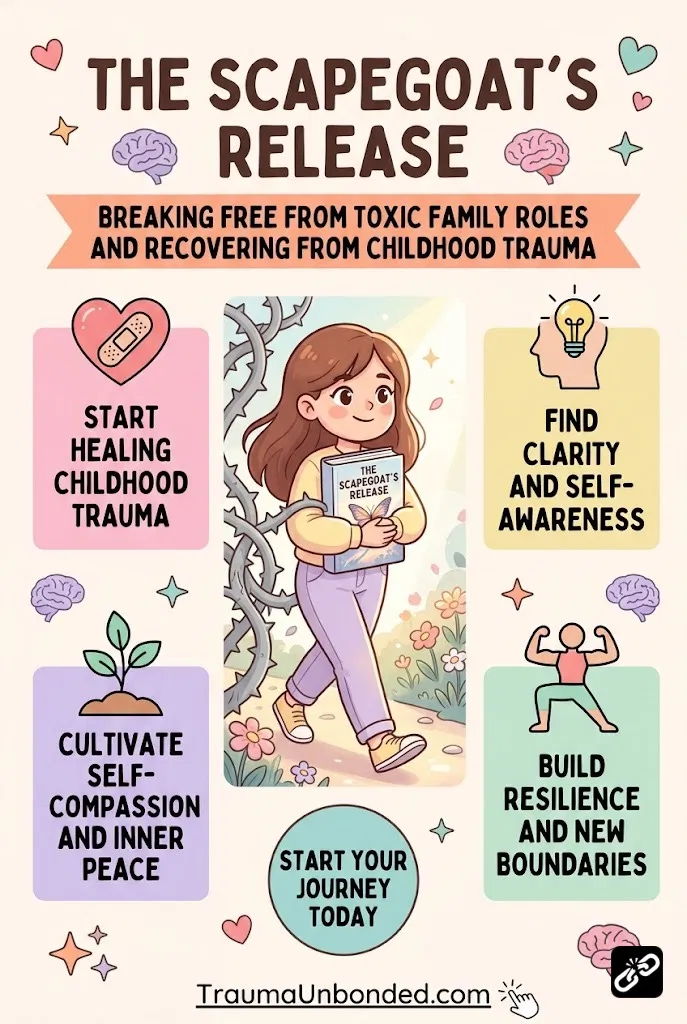
If you feel like you are still carrying the weight of being the family target, it is time to put that burden down for good. I designed a specific tool to help you untangle those knots and reclaim your sense of self.
Navigating the Guilt of No Contact
Society often pushes the idea that “family is everything,” but this narrative ignores the reality of emotional abuse. When I finally cut ties, the guilt was almost unbearable. I felt like a traitor. However, I soon realized that the guilt was just a symptom of the trauma bond. It was not a sign that I had done something wrong, but a sign that I was finally doing something different.
You might find yourself wondering if they will change. It is painful to accept that you can’t love someone into being a healthy person. In my twelve year journey, I learned that boundaries are not walls to keep people out, but gates to keep yourself safe. If someone refuses to respect your gate, they do not deserve to be in your yard. It is okay to stop fixing toxic family members who do not want to be fixed.
Healing involves grieving the family you deserved but never had. This grief is messy and non-linear. Some days you will feel optimistic and light, and other days you might feel the old weight of their expectations pressing down on you. Both of these feelings are valid parts of the process. Are you allowing yourself the space to feel that loss without letting it pull you back into the fire?
Returning to Your Original Self
The most beautiful part of estrangement is the silence that follows the storm. In that silence, you finally get to hear your own voice. After my long struggle, I found that I was still that cheerful and grounded person I used to be before the trauma took over. I started picking up old hobbies, like painting and hiking, things I had completely abandoned while I was in survival mode.
You are not “broken” for wanting a life free from narcissistic abuse. You are actually incredibly strong for choosing a difficult path to find your peace. Trauma-informed healing focuses on regulating your nervous system so you no longer feel like you are constantly “walking on eggshells.” This is where the real work happens, away from the noise and the judgment of people who refuse to grow.
True estrangement is more than just not talking to someone. It is the internal shift where their opinion no longer defines your worth. It is the moment you stop waiting for an apology that will never come and start giving yourself the validation you were always seeking from them. What would you do with your life if you weren’t constantly trying to manage their emotions?
As you continue your path, remember that healing is possible. I am living proof that you can go from being miserable and isolated to feeling grounded and optimistic again. Take it one day at a time, and do not be afraid to lean on resources like The Scapegoat’s Release to guide you through the fog. You have already done the hardest part by choosing yourself; now, let the freedom of your new life begin.

Meet Your Guide
Helen Brooks
After surviving a 12-year NPD/BPD relationship, I dedicated over a decade to studying trauma bonding and nervous system recovery. My mission is to help you break free from the fog and reclaim your authentic self.
Ready to break the trauma bond and reclaim your life?